
The short answer is a resounding yes, absolutely! Booking a hotel for someone else is not only possible but also a remarkably common practice, driven by a myriad of reasons ranging from thoughtful gestures to essential logistical arrangements. Whether you’re planning a surprise getaway for a loved one, arranging accommodation for a business colleague, or assisting a family member, the hospitality industry has evolved to accommodate these scenarios with various protocols and options. While the process is generally straightforward, understanding the nuances, potential challenges, and best practices can ensure a seamless experience for both the booker and the guest. This guide will delve into the intricacies of booking hotels for others, ensuring you’re well-equipped to manage all aspects effectively.

The Straightforward Answer: Yes, Absolutely!
The notion that you can only book a hotel for yourself is a misconception that often deters individuals from attempting to arrange accommodation for others. In reality, hotels, online travel agencies (OTAs), and booking platforms are well-versed in handling third-party bookings. The key lies in transparent communication and providing the correct information to the hotel at the time of reservation or shortly thereafter.
Think about the diverse reasons why someone might need to book a room for another person. Companies frequently book rooms for their employees traveling for work, parents might book a room for their college-bound children, or friends might chip in to book a celebratory stay for a couple. Each of these situations highlights the practicality and necessity of third-party bookings. While the general principle is “yes,” the execution requires attention to detail, especially concerning payment, guest identification, and specific hotel policies. Overlooking these details can lead to inconvenience, delays, or even the guest being unable to check in. Therefore, while the possibility is confirmed, the importance of preparation cannot be overstated.
Common Scenarios and Why You Might Book for Others
The motivations behind booking a hotel for someone else are diverse, often reflecting acts of generosity, professional obligation, or practical assistance. Understanding these common scenarios can help you anticipate the specific requirements and considerations for each.
Gifting a Travel Experience
One of the most delightful reasons to book a hotel for someone else is as a gift. Imagine surprising your parents with a weekend retreat in Napa Valley for their anniversary, or treating a friend to a luxurious stay at The Plaza Hotel in New York City. Such gestures make for memorable presents, offering not just a place to stay but an entire experience. When gifting, the primary goal is often to ensure the recipient has no financial obligations at check-in, making it a truly stress-free and indulgent experience. This requires careful pre-payment of all room charges and an understanding of how to manage incidental costs. Furthermore, adding special touches, like a welcome amenity or a note from you, can elevate the surprise. This category often falls under “lifestyle” travel, specifically luxury or special occasion trips.
Business Travel Arrangements
For many businesses, booking accommodations for employees, clients, or partners is a routine administrative task. A travel manager might book a room for a sales executive attending a conference in Chicago, or an assistant might arrange a stay for a visiting consultant. In these cases, the focus is on efficiency, adherence to company policies, and often, the ability to centralize billing. Corporate bookings usually involve a clear delineation of who pays for what—the company often covers the room rate and taxes, while the individual traveler may be responsible for personal incidentals. Establishing a corporate account with hotel chains or using specialized business travel platforms can streamline this process considerably. For large organizations, having a designated travel department or working with a travel management company simplifies the complexities, especially when dealing with multiple bookings or specific compliance requirements.
Assisting Family and Friends
Life happens, and sometimes family or friends need a helping hand with accommodation. This could range from booking a room for elderly relatives visiting from out of town, securing a safe place for a college student during a campus visit, or providing emergency lodging for someone displaced due by unforeseen circumstances. These bookings are typically driven by care and convenience. For example, a parent might book a room for their child’s first independent trip to London, ensuring they have a secure base while exploring. In such situations, the booker often covers all costs upfront to ease the burden on the guest. Communication here is paramount, ensuring the guest knows all the details of their stay and what to expect upon arrival.
Surprise Getaways
Planning a surprise getaway for a loved one is a classic romantic gesture or a fun way to celebrate a special occasion. Imagine secretly booking a boutique hotel in Paris for an anniversary trip, or a resort stay in the Maldives for a honeymoon. These scenarios require the utmost discretion to maintain the surprise until the perfect moment. The challenge here is ensuring all booking details are handled without alerting the guest, from confirmation emails to pre-arrival communication from the hotel. Often, the booker will handle all communication with the hotel and only share essential details with the guest at the last possible moment. The anticipation and reveal are central to the joy of these trips, making careful planning and discretion essential.
Navigating the Booking Process: What You Need to Know
Successfully booking a hotel for someone else involves more than just selecting dates and hitting “confirm.” It requires a clear understanding of the information needed, payment protocols, and the critical check-in procedures.
Essential Information for a Smooth Booking
When making a reservation for another person, the most crucial piece of information is the guest’s full legal name, exactly as it appears on their government-issued identification (passport, driver’s license, etc.). This is paramount because the guest will need to present their ID at check-in to verify their identity against the reservation. Without their name on the reservation, they may be denied access to the room, even if it’s fully paid.
Additionally, providing the guest’s contact information (phone number and email address) directly to the hotel is highly recommended. This allows the hotel to communicate directly with the guest regarding their stay, pre-arrival instructions, or any unforeseen changes. While you might initially provide your own contact details for booking confirmations, explicitly requesting the hotel to use the guest’s contact for pre-arrival communications can prevent confusion and ensure the guest receives all necessary information. Always inform the guest that you’ve done this, so they aren’t surprised by emails or calls from the hotel.
Payment Methods and Financial Responsibility
This is arguably the most critical aspect of booking for someone else. There are several ways to handle payment:
- Using Your Own Card for the Initial Booking: Most online platforms and hotels allow you to use your credit card to secure the reservation. When doing this, it’s vital to indicate during the booking process that the room is for a third party. Many booking websites have a field for “guest name” separate from “cardholder name.” If booking directly with the hotel, clearly state that you are paying for someone else’s stay.
- Arranging for the Guest to Pay for Incidentals: Even if you pay for the room and taxes upfront, most hotels require a credit card from the guest at check-in to cover potential incidental charges (mini-bar, room service, phone calls, damage, etc.) and a security deposit. Make sure your guest is aware of this requirement and comes prepared with their own credit card. If you wish to cover incidentals, the process becomes more complex.
- Third-Party Authorization Forms: If you want to cover all costs, including incidentals, you will likely need to complete a credit card authorization form (sometimes called a third-party billing form). This form authorizes the hotel to charge your credit card for all charges incurred by the guest. Hotels typically require this form to be filled out, signed, and submitted with a copy of your ID and the credit card itself. Some hotels may also require a notarized signature. This process protects both the hotel and the cardholder from fraudulent charges. Always contact the specific hotel directly to request their form and understand their exact procedure, as policies can vary significantly.
- Pre-paying for Everything vs. Just the Room: Decide clearly what you intend to cover. If you only pay for the room, be sure the guest knows they’ll need their own card for incidentals. If you’re covering everything, ensure the authorization form clearly states this, and follow up with the hotel to confirm it has been processed correctly.
The All-Important Check-In Process
Ensuring your guest can check in without a hitch is paramount.
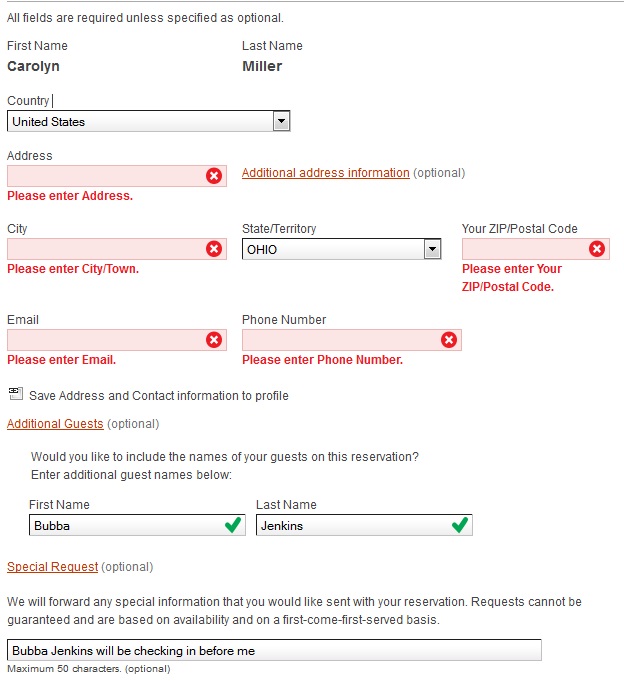
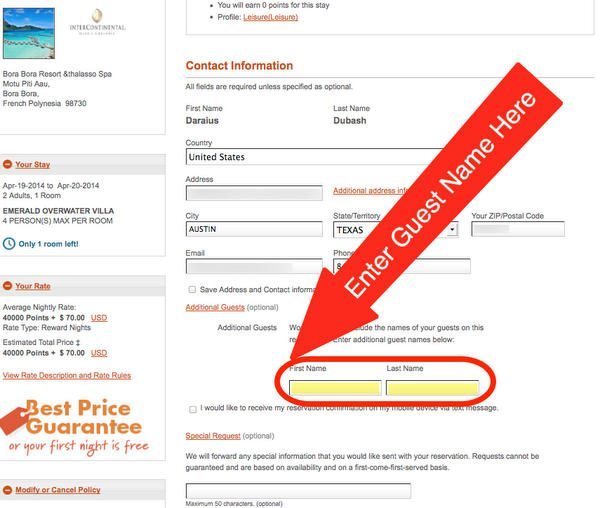
- Adding the Guest’s Name to the Reservation: This is the single most important step. When you book online, there’s usually a field for “guest name.” If you’re calling the hotel, explicitly state the guest’s full name. If you only put your name, the guest will likely be turned away.
- ID Requirements for the Guest: The guest will need to present a valid government-issued photo ID (passport or driver’s license) that matches the name on the reservation. They may also be asked for the credit card used for incidentals.
- Specific Hotel Policies (e.g., Age): Some hotels have age restrictions for check-in, typically requiring guests to be 18 or 21 years old. If the guest is under the hotel’s minimum age, they may be denied check-in even with a valid reservation. Always verify this directly with the hotel, especially if you’re booking for younger travelers.
- Communicating with the Hotel: After booking, it’s often a good idea to call the hotel directly, reconfirm the reservation, and reiterate that a third party will be checking in. Confirm that the guest’s name is on the reservation and inquire about any specific check-in procedures for third-party bookings.
Loyalty Programs and Benefits
If you’re a member of a hotel loyalty program like Marriott Bonvoy or Hilton Honors, you might wonder about earning or using points when booking for someone else.
- Earning Points: Generally, the person whose name is on the reservation and who actually stays at the hotel (the guest) will earn the loyalty points, not the booker, unless the booker is also staying. Some programs, however, allow you to book rooms for family members using your account and still earn points. It’s crucial to check the specific program’s terms and conditions.
- Using Points: You can often use your loyalty points to book a free night for someone else. When doing so, you’ll simply specify the guest’s name during the booking process. The guest will still need to present their ID at check-in, and they’ll likely still need to provide a credit card for incidentals.
Potential Pitfalls and How to Avoid Them
While booking for others is generally smooth, certain challenges can arise if not properly addressed. Being aware of these common pitfalls can help you preemptively avoid them.
Incidental Charges and Security Deposits
As mentioned, hotels almost always require a credit card from the guest at check-in to cover incidentals and a security deposit. If you haven’t explicitly arranged to cover these via a third-party authorization form, your guest will be on the hook. Failure to provide a card can lead to the hotel not allowing them to check in. To avoid this, either explicitly arrange to cover incidentals through the hotel’s authorization process or ensure your guest is fully aware and prepared to handle these charges themselves. Confirm the estimated incidental hold amount with the hotel beforehand so there are no surprises.
Age Restrictions
This is a frequently overlooked issue. Many hotels, particularly in destinations like Las Vegas or for certain types of resorts, enforce a minimum check-in age of 21. If you book a room for someone under this age, even if they have paid and have a reservation, they will be denied check-in. Always verify the hotel’s age policy directly, especially when booking for younger adults or students.
International Bookings and Currency Considerations
Booking a hotel in a different country introduces additional complexities. Currency exchange rates can fluctuate, and international transaction fees may apply to your credit card. Furthermore, different countries may have unique identification requirements or hotel policies. For example, some countries might require guests to present the credit card used for booking, even if you, the booker, are not present. This is a common fraud prevention measure. If you’re booking internationally, always confirm these specific requirements with the hotel directly. Payment authorization forms might also be handled differently across borders.
Unforeseen Complications and Hotel Policies
Every hotel is a unique entity, and their specific policies can vary wildly, even within the same brand. Some boutique hotels might have very strict rules about third-party bookings or specific check-in times. For example, a small bed and breakfast in Kyoto might require more personalized communication than a large Hilton Garden Inn in Dallas. Pet policies, early check-in/late check-out procedures, and even cancellation policies can differ. Always read the fine print, check the hotel’s website, and when in doubt, call the hotel directly to clarify any potential ambiguities. Relying solely on OTA information can sometimes lead to misunderstandings, as third-party sites may not always reflect the most granular hotel-specific rules.
Communication is Key
A lack of clear communication between you, the guest, and the hotel is the root of most problems.
- Inform the Guest: Provide your guest with all necessary information: hotel name, address, confirmation number, check-in/check-out times, what you’ve paid for, what they need to pay for, and what ID they need.
- Inform the Hotel: As repeatedly emphasized, inform the hotel that a third party will be checking in and provide their full name.
- Document Everything: Keep copies of your booking confirmation, any email correspondence with the hotel, and the completed third-party authorization forms. This documentation can be invaluable if any issues arise.
Best Practices for Booking Hotels for Others
To ensure a smooth, stress-free experience for everyone involved, adopt these best practices when booking accommodation for someone else.
- Always Confirm with the Hotel Directly: After making the reservation, especially through an OTA, call the hotel directly. Verify the booking under the guest’s name, reconfirm that a third party will be checking in, and inquire about their specific policies regarding third-party payments and check-in procedures. This step can pre-empt most potential problems.
- Provide All Necessary Guest Details Upfront: Ensure the guest’s full legal name is on the reservation, matching their ID. Include their contact information so the hotel can reach them if needed.
- Be Clear About Payment Responsibilities: Discuss and clarify with your guest exactly what you are paying for and what they will be responsible for (e.g., incidentals, parking, resort fees). If you are covering everything, ensure the credit card authorization form is correctly completed and processed by the hotel well in advance of arrival.
- Consider Travel Insurance: For significant trips, especially international ones, consider purchasing travel insurance that covers issues like trip interruption, cancellations, or medical emergencies. This adds an extra layer of protection for the guest.
- Document Everything: Keep a digital and physical copy of all reservation details, confirmation numbers, payment receipts, and any correspondence with the hotel. Share relevant documents with your guest, such as the confirmation number and hotel contact details.
- Review Cancellation Policies Carefully: Ensure you understand the hotel’s cancellation and modification policies, especially if there’s a chance the plans might change. Some third-party bookings might have different rules than standard reservations.
- Inform the Guest About Loyalty Programs: If the guest has their own loyalty program membership, they might be able to add their number to the reservation at check-in to earn points on incidentals, even if you paid for the room.
In conclusion, booking a hotel for someone else is a perfectly viable and often necessary task. By understanding the common scenarios, meticulously handling payment and guest information, and proactively communicating with the hotel and the guest, you can ensure a flawless experience, transforming a simple booking into a thoughtful gesture or a critical logistical success. Whether it’s for a romantic surprise in Sydney to see the Sydney Opera House, a business trip to Tokyo, or assisting family in Rome, the principles remain the same: clarity, communication, and careful preparation are your best allies.