
The anticipation of a trip often comes with the excitement of arrival, but sometimes travel schedules don’t align perfectly with standard hotel check-in times. Landing in a new city early in the morning, especially after a long flight, can leave travelers longing to drop their bags, freshen up, and begin their adventure without the burden of luggage or the discomfort of waiting. The question “Can you check into a hotel early?” is a common one, and the answer, while not always a straightforward ‘yes,’ involves a blend of strategy, communication, and understanding of hotel policies.
Navigating early check-in requires a bit of savvy, particularly for those who prioritize convenience and comfort in their travel Lifestyle experiences. From luxurious Resorts in tropical Bali to boutique Hotels in bustling New York City, the approach to early arrivals can vary significantly. This guide delves into the nuances of early check-in, offering practical tips and alternatives to ensure your Accommodation experience starts as smoothly as possible, regardless of your arrival time.
Understanding Hotel Check-In Policies and Realities
Standard hotel check-in times typically fall between 2:00 PM and 4:00 PM. This window isn’t arbitrary; it’s meticulously designed to allow housekeeping staff ample time to clean and prepare rooms after previous guests check out, which usually occurs by 11:00 AM or 12:00 PM. The period between check-out and check-in is crucial for ensuring every room meets the hotel’s cleanliness and presentation standards.
However, the rigidity of these times can often clash with the realities of modern Travel. Early morning flights, overnight bus journeys, or simply the desire to maximize time exploring a Destination like the historic streets of Rome or the vibrant markets of Marrakech can make waiting until mid-afternoon seem like an eternity. While hotels strive to accommodate guests, their primary consideration is room availability and operational efficiency. An early check-in request is essentially asking for a room that may not yet be ready, or one that requires special prioritization from the staff.
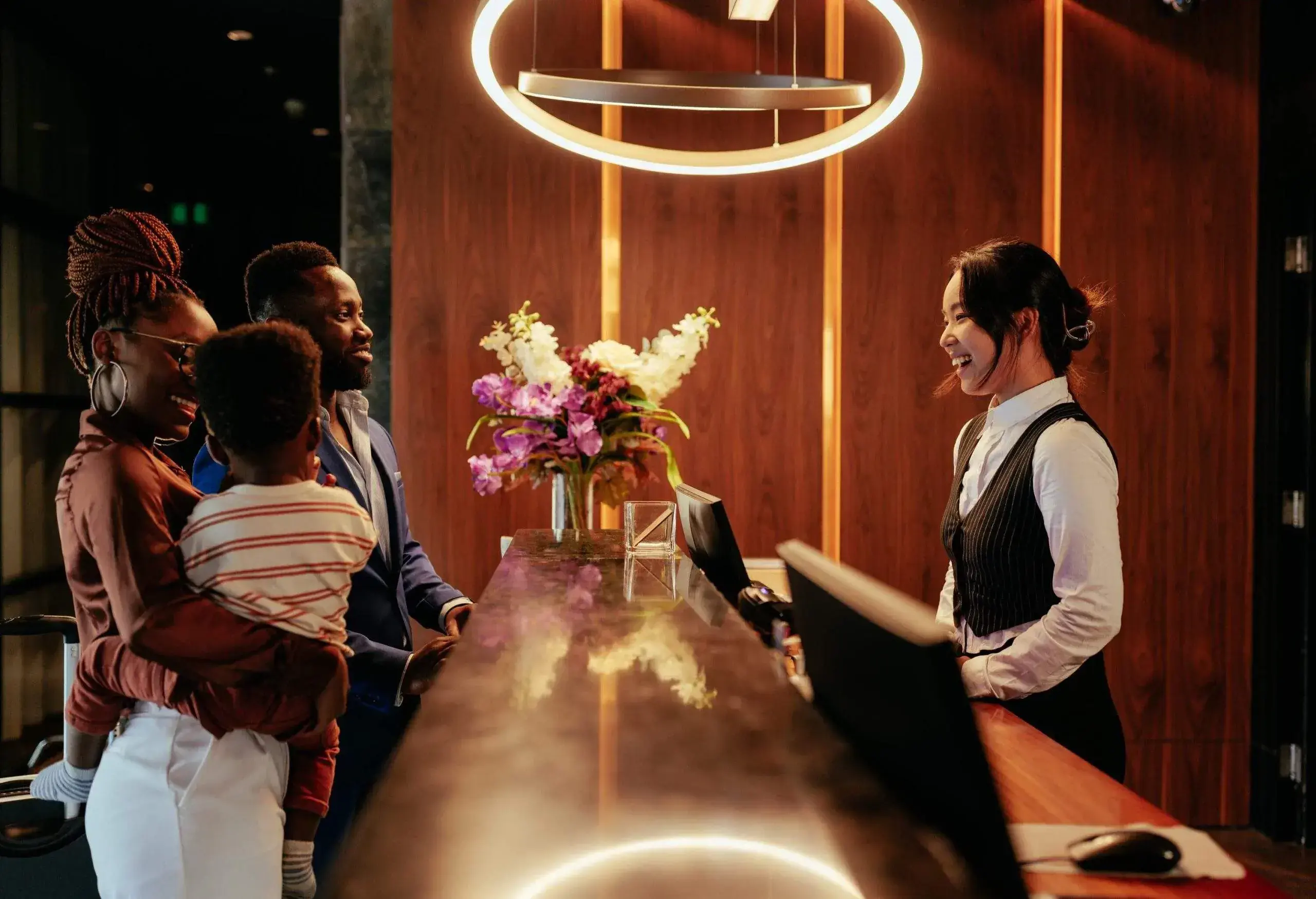
The Factors Influencing Early Check-In Availability
Several factors play a significant role in whether a hotel can grant your early check-in request. Understanding these can help set realistic expectations and improve your chances of success.
1. Room Availability: This is arguably the most critical factor. If the hotel was fully booked the night before and all guests checked out on time, then rooms need to be cleaned. If a specific room type wasn’t occupied, or if some guests checked out exceptionally early, there might be a clean room available. A hotel with low occupancy rates is naturally more likely to accommodate early arrivals than one that’s running at full capacity. For instance, a small, independent guesthouse in the South of France might have more flexibility than a large Sheraton Hotel in a major metropolis during peak season.

2. Time of Day: Arriving at 7:00 AM versus 11:00 AM makes a difference. The earlier your arrival, the less likely a room will be ready. By late morning, housekeeping has likely made significant progress, increasing the odds.
3. Room Type and Special Requests: If you’ve booked a standard room, your chances might be better than if you’ve requested a specific Suite with a City View, as those particular rooms might be occupied and require more detailed cleaning. Hotels often prioritize preparing basic rooms first.
4. Seasonality and Peak Periods: During high season, such as summer in Europe or during major festivals in cities like Edinburgh, hotels are often completely booked. This drastically reduces the likelihood of an early check-in, as every room will be utilized and require preparation. Conversely, during the off-season, when hotels are actively seeking to fill rooms, they might be more accommodating.
5. Hotel Category and Brand Standards: Luxury hotels and high-end Resorts often have more staff and a greater emphasis on personalized service, making them more likely to go the extra mile for early check-in requests. Boutique Hotels also pride themselves on service. Budget hotels, while excellent for cost-effective Accommodation, might have fewer resources to expedite room readiness. Brands like Marriott International or Hilton Worldwide have established protocols, but individual property discretion still plays a major role.
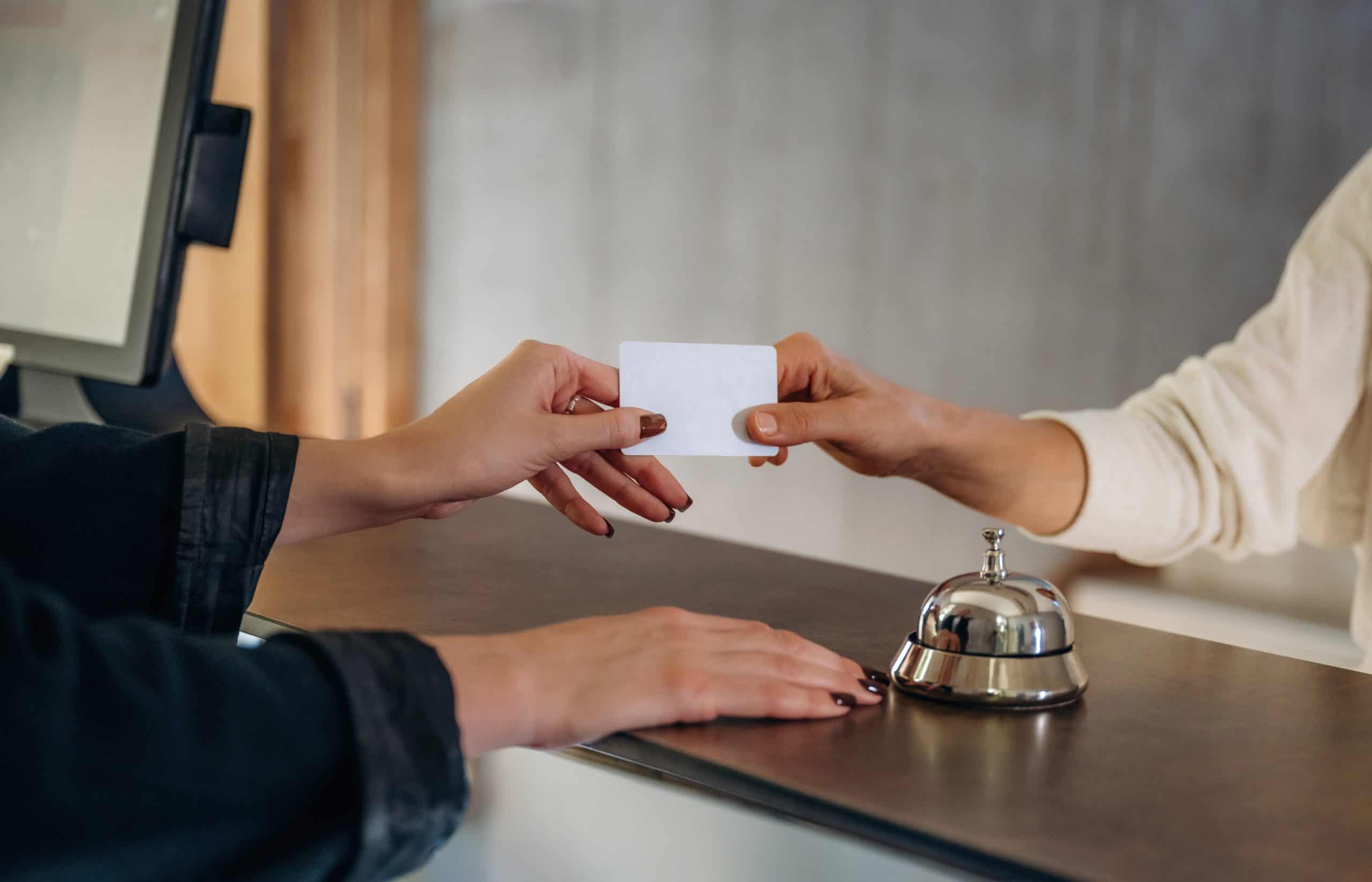
Strategies for a Successful Early Check-In
While early check-in is never guaranteed, there are several proactive steps you can take to significantly improve your chances and ensure a smoother arrival experience. These strategies leverage good communication, loyalty benefits, and smart planning.
Proactive Communication with the Hotel
The most effective strategy begins before you even leave home. Don’t wait until you arrive at the front desk to spring an early check-in request on the staff.
1. Contact the Hotel Directly in Advance: A few days before your arrival, call or email the hotel. Explain your estimated early arrival time and politely inquire about the possibility of an early check-in. This gives the hotel a heads-up and allows them to potentially plan their housekeeping schedule or allocate a room that will be cleaned first. Be specific about your needs, for example, “We are arriving on a red-eye flight from London and would be very grateful if an early check-in around 9:00 AM were possible.”
2. Reconfirm Your Request on Arrival Day: Send a quick email or make a call on the morning of your arrival, just to reiterate your request and confirm your estimated time. This keeps your request fresh in their minds.
3. Be Polite and Understanding: Remember that the front desk staff are doing their best. A friendly, understanding demeanor goes a long way. If they can’t accommodate you immediately, ask about alternatives, such as luggage storage or using hotel amenities.
Leverage Loyalty Programs and Elite Status
If you’re a frequent traveler, your loyalty status can be a powerful asset. Many hotel loyalty programs offer early check-in as a perk for their elite members.
1. Join Hotel Loyalty Programs: Programs like Marriott Bonvoy, Hilton Honors, or World of Hyatt offer various benefits at different tiers. Even basic membership can sometimes get you a little extra consideration.
2. Understand Your Elite Benefits: Higher tiers often explicitly include early check-in (subject to availability) as a guaranteed or preferred benefit. For example, Hyatt Globalist members often enjoy a 9:00 AM early check-in benefit. Always mention your elite status when making your request.
3. Direct Booking Advantage: Booking directly through the hotel’s website (rather than third-party sites like Booking.com or Expedia) often gives you preferential treatment for such requests, as hotels value direct relationships with their guests.
Other Smart Strategies to Improve Your Chances
Beyond communication and loyalty, a few other tactical approaches can make a difference.
1. Consider Off-Peak Travel: Traveling during the shoulder season or off-peak times in popular Destinations like Paris or Kyoto significantly increases your chances of early check-in due to lower occupancy rates.
2. Book an Extra Night (When Necessary): If early check-in is absolutely essential – for example, if you have a crucial business meeting upon arrival or are traveling with small children – consider booking the room for the night before your actual arrival. This guarantees the room is ready and waiting for you, regardless of your arrival time. While it incurs an extra cost, the peace of mind can be invaluable for specific Lifestyle needs like Business Stays or Family Trips.
3. Request a Room Upgrade: Sometimes, a hotel might have a more expensive room or Suite available and clean earlier than your booked room type. Politely asking if there’s an upgraded room available for an early check-in, even if it comes with a slight charge, might open up possibilities.
When Early Check-In Isn’t Possible: Alternative Solutions
Despite your best efforts, sometimes early check-in just isn’t possible. This doesn’t mean your day is ruined! Hotels, particularly those focused on guest experience, often provide excellent amenities and services to make your waiting period comfortable and productive.
Utilizing Hotel Amenities and Services
Even without a room, most hotels are happy to offer facilities to arriving guests.
1. Luggage Storage: This is the most common and universally available solution. Hotels will gladly store your luggage securely at the front desk or in a designated baggage room, allowing you to explore the city unencumbered. This is a fundamental service for any Accommodation provider.
2. Access to Public Areas: While your room might not be ready, you can often make use of the hotel’s public facilities. This might include the lobby lounge, a business center, a coffee shop, or even the hotel restaurant for breakfast or an early lunch. At some Resorts, you might even be able to use the pool or gym facilities. For example, a stay at the Four Seasons Hotel Miami would likely grant you access to their stunning lobby and pool deck even before your room is prepared.
3. Refreshment Facilities: Some hotels, especially those catering to Luxury Travel or international guests, might offer a courtesy lounge or even a shower facility for guests awaiting check-in. It never hurts to ask if such an option is available.
Maximizing Your Time Before Check-In
If you have a few hours to kill, turn it into an opportunity to kickstart your Tourism experience.
1. Grab Breakfast or Coffee: Use the hotel’s restaurant or venture out to a local cafe. This is a great way to immerse yourself in the Local Culture and try some local Food. If you’re in Amsterdam, finding a charming canal-side cafe could be a delightful start to your day.
2. Explore Nearby Attractions: With your luggage securely stored, consult your travel Guides and head out to explore a nearby Landmark or Attraction. If you’re staying near the Eiffel Tower in Paris, why not take a stroll? If you’re at a Resort in Hawaii, enjoy the beach or pool. This is an excellent way to turn an inconvenience into an immediate Experience.
3. Handle Errands or Work: If you’re on a Business Stay, this might be a good time to catch up on emails using the hotel’s Wi-Fi or visit a local office. For leisure travelers, it could be an opportunity to pick up a local SIM card, exchange currency, or buy some immediate necessities.
4. Consider a Day-Use Room: In some cities, particularly near airports or major train stations, certain hotels offer “day-use” rooms. These are rooms booked for a few hours during the day, specifically for travelers needing a place to rest, shower, or work without booking a full overnight stay. This can be a perfect solution if you absolutely need a private space before your main check-in.
The Cost of Early Check-In: Free vs. Fee
The question of cost is often intertwined with early check-in requests. Is it a complimentary service, or does it come with a price tag? The answer varies.
Complimentary Early Check-In
In most cases, if a hotel grants an early check-in, especially if it’s just an hour or two before the standard time, they will do so as a complimentary gesture, subject to availability. This is part of good customer service and a way to enhance the guest experience. It’s often viewed as a perk, particularly for loyal guests or those who have booked directly. Many Hotels consider it part of their commitment to providing excellent Accommodation and Tourism Tips.
When a Fee Might Apply
There are specific situations where a hotel might charge a fee for early check-in:
1. Very Early Arrivals: If you’re looking to check in significantly early, say at 7:00 AM or 8:00 AM, the hotel might treat this as requesting an additional half-day or even a full extra night. In such cases, they may charge a fee equivalent to a percentage of the daily rate (e.g., 50%) or even the full night’s rate. This is because they are effectively sacrificing the potential to sell that room for the previous night or incurring extra operational costs to prioritize its cleaning.
2. Guaranteed Early Check-In: Some hotels or specific room packages might offer “guaranteed early check-in” as an add-on during the Booking process. This service typically comes with an additional charge, as it ensures the hotel will have a room ready for you regardless of occupancy levels. This option provides peace of mind for travelers who cannot afford any delays.
3. Specific Room Types: If you’re requesting an early check-in for a premium Suite or a particularly desirable room, and it’s being specially prepared for you, there might be a charge, especially if it’s outside standard policy.
Always ask about potential fees when making an early check-in request. Being aware of the policy beforehand helps avoid any surprises and allows you to make an informed decision based on your Budget Travel or Luxury Travel preferences.
Conclusion: Planning for a Seamless Hotel Arrival
The desire to check into a hotel early is entirely understandable, driven by the practicalities of Travel and the excitement of starting a trip. While not always a given, securing an early check-in is often within reach with the right approach. Proactive communication, leveraging loyalty status, and choosing your travel times wisely are key strategies that can significantly improve your chances.
Even when an early check-in isn’t possible, remember that hotels are equipped to make your waiting period comfortable and convenient. Utilize services like luggage storage, enjoy the hotel’s amenities, or seize the opportunity to immediately begin exploring your chosen Destination. Whether you’re embarking on a vibrant urban adventure in Tokyo, relaxing at a coastal Resort in Cancun, or immersing yourself in the history of Athens, a little planning goes a long way in ensuring your Accommodation experience enhances, rather than hinders, your overall journey. By understanding the policies, employing smart strategies, and being flexible, you can ensure your hotel arrival is as stress-free and enjoyable as possible, setting the perfect tone for your Travel Experiences.