
Miami, a city synonymous with sun-drenched beaches, vibrant nightlife, and a rich cultural tapestry, beckons travelers from across the globe. As you plan your adventure to this Floridian paradise, practical questions inevitably arise, from the best places to stay to the must-see attractions. One often-overlooked but crucial aspect of any trip is understanding the local water source: can you drink Miami tap water? For many, this is a simple query, but for others, it touches upon concerns about health, taste, and environmental impact. This guide delves into the specifics of Miami’s tap water, its quality, and offers practical advice for travelers to ensure a comfortable and safe experience.
The Safety and Quality of Miami’s Tap Water
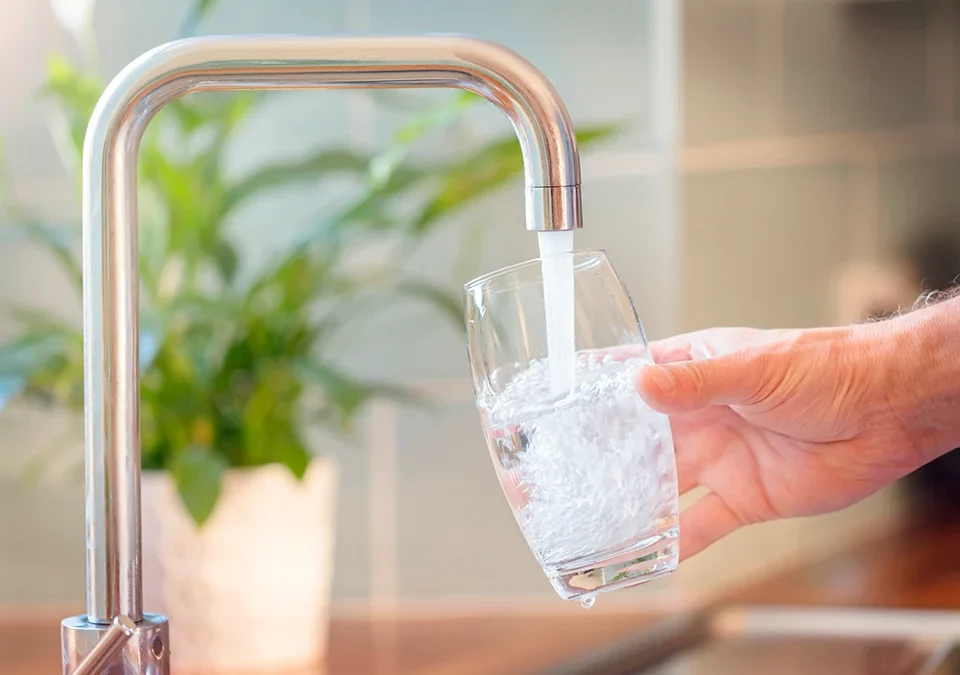
The question of whether Miami tap water is safe to drink is paramount for any visitor. Fortunately, in Miami-Dade County, tap water is generally considered safe and meets stringent federal and state regulations for quality and safety. The primary provider of this essential resource is the Miami-Dade Water and Sewer Department (MDWSD), which supplies potable water to the entire county, including the bustling metropolis of Miami.
The MDWSD operates under the oversight of the U.S. Environmental Protection Agency (EPA) and the Florida Department of Environmental Protection (FDEP). These agencies set strict standards for drinking water quality, covering a wide range of potential contaminants, from microbial pathogens to chemical substances. The MDWSD conducts regular testing of its water supply at various points throughout the distribution system to ensure compliance with these regulations. This commitment to rigorous testing and adherence to established guidelines provides a high degree of confidence in the safety of the water you’ll find flowing from the taps in Miami.
Source and Treatment Processes
Understanding where Miami’s tap water comes from and how it’s treated can further alleviate any concerns. The main source of drinking water for Miami-Dade County is the Floridan Aquifer, a vast underground reservoir of fresh water that underlies much of Florida. This naturally occurring source is then supplemented by treated surface water from canals and reservoirs, particularly during periods of high demand or drought.
Once the raw water is collected, it undergoes a comprehensive treatment process at the MDWSD’s water treatment plants. This multi-stage process is designed to remove impurities and make the water safe for consumption. Key steps typically include:
- Coagulation and Flocculation: Chemicals are added to the water to cause small suspended particles to clump together, forming larger, heavier particles called flocs.
- Sedimentation: The flocs settle to the bottom of settling basins, removing them from the water.
- Filtration: The water is passed through filters (often made of sand, gravel, and charcoal) to remove any remaining suspended particles.
- Disinfection: A disinfectant, most commonly chlorine or chloramines, is added to kill any remaining bacteria, viruses, and other microorganisms. This disinfection process is crucial for public health and ensures that the water remains protected from recontamination as it travels through the distribution pipes.
- pH Adjustment and Corrosion Control: Chemicals may be added to adjust the pH of the water and to coat the inside of pipes, preventing the leaching of metals into the water.
The MDWSD publishes annual water quality reports, which are readily available to the public. These reports provide detailed information about the source water, the treatment processes used, and the results of regular testing for various contaminants. Reviewing these reports can offer a deeper understanding and further assurance of the water’s quality.
Beyond Safety: Taste and Alternatives
While the safety of Miami tap water is well-established, taste is a subjective matter. Some individuals may find the taste of tap water, even if perfectly safe, to be less appealing than bottled water. This can be due to the presence of chlorine (used for disinfection), mineral content, or the taste and odor of pipes.
If you find the taste of Miami tap water to be a concern, there are several readily available and convenient alternatives:
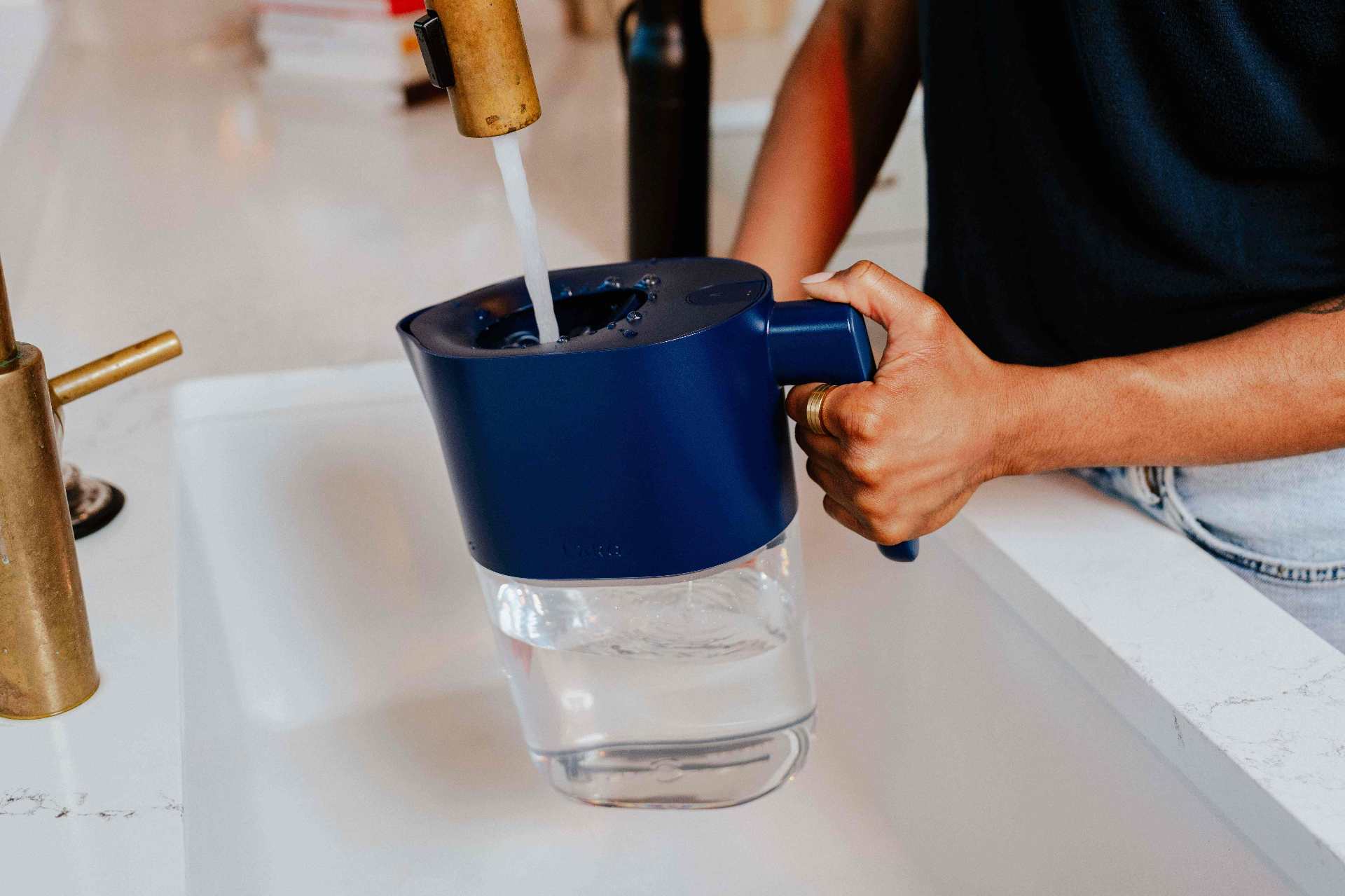
- Filtered Water Pitchers: These are a popular and cost-effective solution for improving the taste of tap water. Brands like Brita and PUR offer pitchers with activated carbon filters that can remove chlorine and other impurities that affect flavor. Bringing a filtered water pitcher with you when you travel can be a practical choice, especially for longer stays.
- Water Filters for Faucets: For a more permanent solution, especially if you are staying in an apartment or villa for an extended period, consider a faucet-mounted water filter. These attach directly to your faucet and provide filtered water on demand.
- Bottled Water: This is the most widely available option. You can purchase bottled water from grocery stores, convenience stores, and even many hotels. However, it’s worth considering the environmental impact of single-use plastic bottles. Opting for larger containers or reusable water bottles can help mitigate this.
- Boiling Tap Water: While generally unnecessary for safety in Miami, if you have extreme concerns about taste or a particular sensitivity, boiling tap water can help to remove some volatile compounds that contribute to off-flavors. However, remember that boiling does not remove dissolved minerals or chemical contaminants that are not volatile.
Many hotels in Miami provide complimentary bottled water in rooms, especially in higher-end establishments. If you are staying at a luxury resort like the Fontainebleau Miami Beach or a boutique hotel in South Beach, inquire about their water amenities. Some hotels also offer filtered water stations in common areas or restaurants.
Practical Tips for Travelers in Miami
As you prepare for your Miami getaway, here are some practical tips to keep in mind regarding your hydration:
- Hydration is Key: Miami experiences a warm, humid climate year-round. It is crucial to stay well-hydrated, regardless of whether you choose tap or bottled water. Carry a reusable water bottle and refill it frequently, especially when exploring popular attractions like South Beach, the Art Deco Historic District, or enjoying activities like kayaking in Biscayne Bay.
- When in Doubt, Ask: If you have any specific health concerns or are particularly sensitive to water taste, don’t hesitate to ask your hotel concierge or restaurant staff about their water sources and any filtering systems they might use.
- Explore Local Flavors: While staying hydrated is important, don’t forget to explore Miami‘s vibrant culinary scene. Many restaurants offer fresh juices, tropical smoothies, and local beverages that provide both refreshment and a taste of the city’s unique culture. For a truly local experience, try a cafecito or a fresh fruit smoothie from a local cafe.
- Eco-Conscious Choices: Consider the environmental impact of your choices. Carrying a reusable water bottle and utilizing filtered water options whenever possible is a sustainable way to stay hydrated. Many public spaces and even some beach entrances offer water fountains where you can refill your bottle.
- Consider Your Accommodation: If you are planning a longer stay, particularly in an apartment or a villa through services like Airbnb or VRBO, you may have access to a full kitchen. This would allow you to use a personal water filter or boil water if you prefer. When booking hotels, some platforms may highlight amenities like filtered water systems or complimentary bottled water.
In conclusion, the question of whether you can drink Miami tap water has a clear and reassuring answer: yes. The Miami-Dade Water and Sewer Department is committed to providing safe, high-quality drinking water that meets all federal and state standards. The water is sourced from the Floridan Aquifer and treated through a rigorous process to ensure its purity. While taste preferences can vary, numerous simple and accessible solutions exist to enhance your drinking water experience. By being informed and prepared, you can enjoy all that Miami has to offer, from its stunning landmarks and lively tourism scene to its comfortable accommodations, with the peace of mind that your hydration needs are met safely and effectively. Whether you’re lounging on the beach, exploring the Wynwood Walls, or enjoying the nightlife in Brickell, staying refreshed with Miami’s tap water (or your preferred alternative) is an integral part of a fantastic lifestyle adventure.