
Absolutely, yes! Driving to Alaska from the United States is not just possible; it’s an epic, unforgettable journey that ranks high on many adventurers’ bucket lists. Often referred to as “The Last Frontier,” Alaska beckons with its unparalleled wilderness, majestic mountains, abundant wildlife, and vibrant local culture. While seemingly remote, this northernmost state is fully accessible by road, predominantly via the legendary Alaska Highway. This incredible road trip traverses thousands of miles through diverse landscapes, offering a unique opportunity to immerse yourself in the beauty of North America before reaching your Alaskan destination.
Embarking on this drive is more than just transportation; it’s an experience that blends rugged adventure with moments of serene contemplation. From meticulously planning your route and preparing your vehicle to discovering charming towns and breathtaking landmarks along the way, every aspect of this journey contributes to an overarching sense of exploration. This guide will delve into the intricacies of driving to Alaska, providing insights into the iconic routes, essential preparations, accommodation options, and the myriad attractions that make this trip a true adventure of a lifetime.
The Iconic Route: Navigating the Alaska Highway
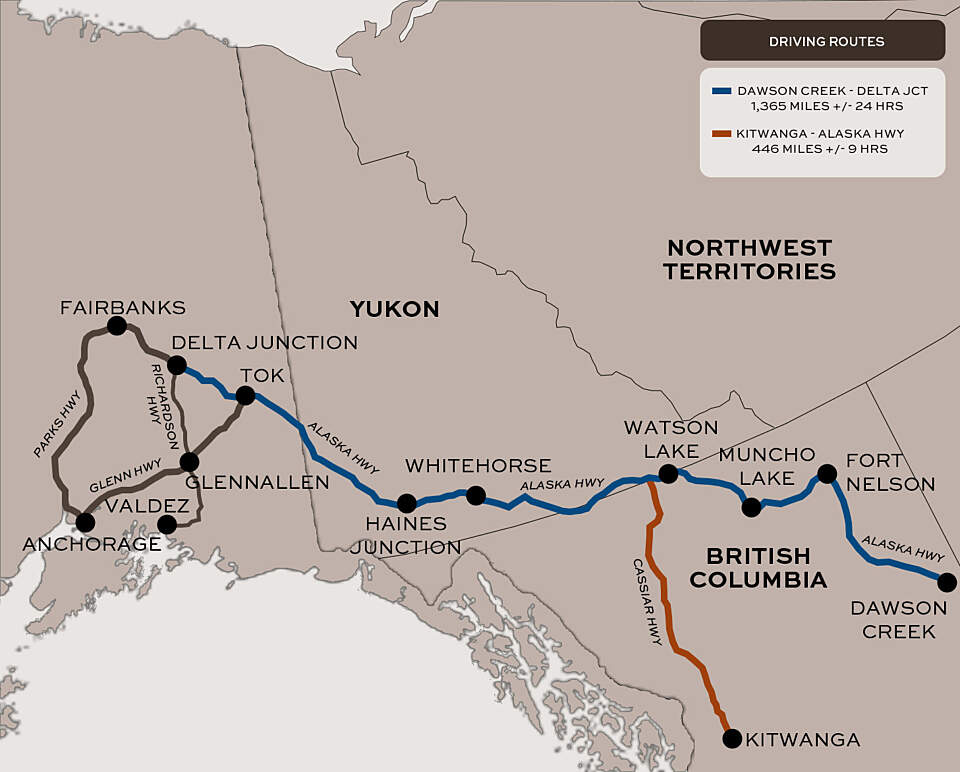
The backbone of any road trip to Alaska is undoubtedly the Alaska Highway, also known as the Alcan Highway. This historic route weaves through vast stretches of Canada, offering a passage through some of the most stunning and wild landscapes on the continent.
Understanding the Alaska Highway
Conceived out of necessity during World War II, the Alaska Highway was built in a remarkable eight months in 1942 to establish a supply route to Alaska and protect North America’s western flank. Starting at Milepost 0 in Dawson Creek, British Columbia, the highway stretches approximately 1,387 miles (2,232 kilometers) through British Columbia and the Yukon Territory before crossing into Alaska at Beaver Creek. Its terminus is traditionally considered Delta Junction, Alaska, where it connects with the Richardson Highway leading to Fairbanks and beyond.
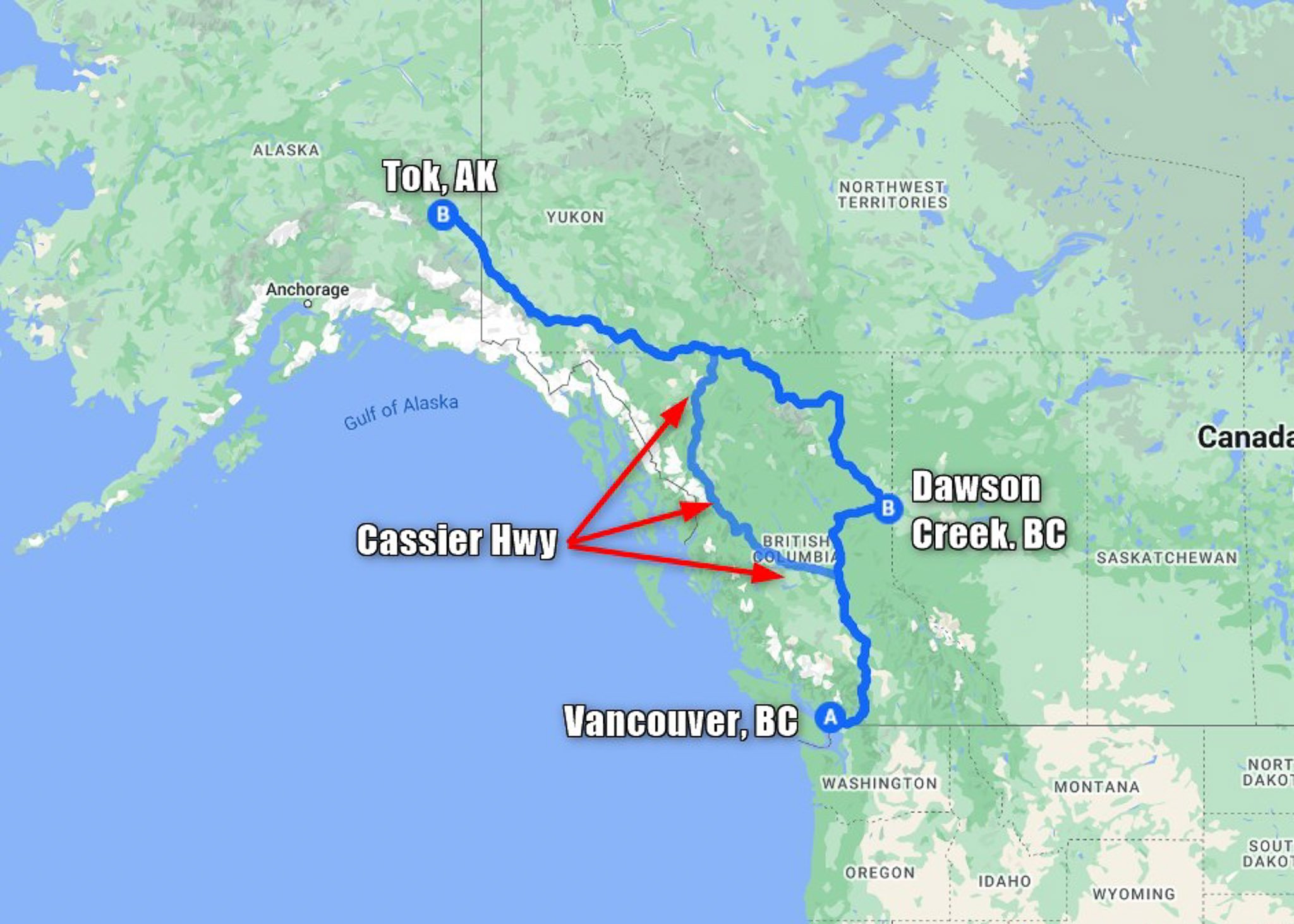
While the “main” route is the Alaska Highway, travelers typically begin their journey much further south in the United States, driving north through states like Montana, Idaho, or Washington before crossing into Canada. Popular entry points into Canada include Sweet Grass, Montana (connecting to Alberta), or crossings in Washington State (leading into British Columbia). The entire drive from the lower 48 states to Anchorage or Fairbanks can range from 3,000 to 5,000 miles, depending on your starting point and final destination. The actual driving time, without significant stops, typically spans 5 to 7 days, but most travelers allocate 10 to 14 days or even longer to truly savor the journey.
The road itself is now almost entirely paved and well-maintained, a far cry from its rough gravel origins. However, be prepared for sections of gravel due to ongoing construction, occasional frost heaves, and wildlife crossings, especially in more remote areas. The landscapes transition from the dense forests of British Columbia to the expansive taiga and tundra of the Yukon, eventually giving way to the majestic mountain ranges of Alaska.
Essential Border Crossings and Documentation
Crossing the US-Canada border is a fundamental part of driving to Alaska. While generally straightforward, proper documentation is crucial to ensure a smooth transition.
- Passports: All travelers, including children, must have a valid passport or an NEXUS card for expedited crossing.
- Vehicle Documentation: Carry your vehicle’s registration, proof of insurance, and driver’s license. It’s advisable to check with your insurance provider to ensure your policy covers driving in Canada. Some may require a “non-resident inter-province motor vehicle liability insurance card,” which can be obtained from your insurer.
- Customs Declarations: Be prepared to declare all goods, including firearms, alcohol, and tobacco. There are strict rules about bringing firearms into Canada, and certain items like handguns are generally prohibited.
- Restricted Items: Pay close attention to restrictions on certain food items, plants, and animal products to prevent the spread of diseases or invasive species. This includes fresh fruits, vegetables, and raw meats.
- Pets: If traveling with pets, ensure you have their vaccination records (especially for rabies) and any necessary health certificates. Check Canadian and Alaskan regulations well in advance.
- Returning to the United States: Upon entering Alaska from the Yukon Territory, you will again cross into the United States and be subject to U.S. Customs and Border Protection procedures. Have your passports and vehicle documents ready once more.
Border crossing wait times can vary, especially during peak season. It’s always a good idea to check official government websites for the latest entry requirements and border conditions before you travel.
Preparing for Your Alaskan Adventure
A successful drive to Alaska hinges on meticulous preparation. This isn’t your average road trip; the vast distances and sometimes remote nature of the route demand careful planning, especially concerning your vehicle, timing, and budget.
Vehicle Preparation: Your Trusty Steed
Your vehicle is your lifeline on this journey, so ensuring it’s in top condition is paramount.
- Mechanical Check-up: Before you depart, have a trusted mechanic perform a thorough inspection. Pay close attention to tires (including a full-sized spare), brakes, fluids (oil, coolant, transmission, brake fluid), belts, hoses, and battery. Consider bringing extra oil and coolant.
- Tires: Good quality tires are essential. All-terrain tires with decent tread are recommended, as you may encounter gravel sections, potholes, and varying road surfaces. Know how to change a tire.
- Emergency Kit: This is non-negotiable. Include a comprehensive first-aid kit, jumper cables, basic tools, duct tape, flashlight with extra batteries, an air compressor, tire plug kit, tow rope, extra fuel container, and a small shovel.
- Survival Gear: In more remote sections, prepare for potential breakdowns. Pack warm blankets or a sleeping bag, high-energy non-perishable food, plenty of water, and a way to start a fire.
- Communication: Cell service is sporadic along much of the Alaska Highway. Consider renting or buying a satellite phone or a personal locator beacon (PLB) for emergencies.
- Roadside Assistance: Ensure your roadside assistance plan (e.g., AAA) covers you in Canada and Alaska. Some plans have limitations in remote areas.
- Vehicle Protection: A bug deflector and mud flaps can protect your vehicle from gravel chips and insect splatter. Some travelers even install clear protective film on their vehicle’s front.
When to Go: Seasonal Considerations
Timing is crucial for a comfortable and enjoyable Alaskan road trip.
- Summer (Late May to Early September): This is by far the most popular and recommended time to drive.
- Pros: Long daylight hours (up to 20 hours in some northern areas), warmer temperatures, all services (gas stations, restaurants, accommodations, attractions) are typically open, and road conditions are at their best. Wildlife viewing opportunities are abundant.
- Cons: Higher prices for hotels and tours, more crowds, and insects (especially mosquitoes) can be prevalent.
- Spring (April to Early May) & Fall (Mid-September to October):
- Pros: Fewer crowds, potentially lower prices, beautiful fall foliage or spring blossoms, and a chance to see the Northern Lights as nights grow longer.
- Cons: Weather can be unpredictable, with chances of snow, ice, or heavy rain. Some services may be closed, and road conditions can be more challenging.
- Winter (November to March):
- Pros: A truly unique, remote experience for the very adventurous, incredible Northern Lights displays.
- Cons: Extreme cold temperatures, limited daylight, many services closed, hazardous driving conditions (ice, heavy snow), and very few other travelers. Only for those with extensive winter driving experience and a fully winterized vehicle.
Budgeting and Logistics
An Alaskan road trip can be expensive, so a well-planned budget is essential.
- Fuel Costs: This will likely be your largest expense. Gas prices in Canada (sold in liters) and remote Alaskan towns are generally higher than in the lower 48. Factor in the exchange rate for the Canadian dollar. Always fill up when you have the chance, even if your tank isn’t empty, as gas stations can be far apart.
- Accommodation Costs: Depending on your lifestyle and preference, accommodation can range from economical campgrounds to mid-range motels and more upscale hotels in larger towns like Whitehorse or Fairbanks. Booking ahead, especially for popular hotels or specific campgrounds in peak season, is highly recommended.
- Food: Eating out can add up quickly. Consider packing a cooler with snacks and some meals to save money and ensure you have food in areas with limited dining options.
- Activities & Sightseeing: Budget for national park fees, wildlife tours, museums, and other attractions you wish to visit.
- Unforeseen Expenses: Always have an emergency fund for unexpected repairs, medical needs, or travel delays.
- Planning Tools: Utilize online trip planners, physical maps (like the Milepost Guide, an invaluable resource for the Alaska Highway), and GPS devices with offline map capabilities.
Where to Stay and What to See Along the Way
The journey itself is as rewarding as the destination. The Alaska Highway and its surrounding areas offer a wealth of accommodation choices and captivating attractions that enrich the entire road trip experience.
Accommodation Options for Every Traveler
Whether you’re a luxury traveler, a budget adventurer, or planning a family trip, there are diverse options along the route.
- Hotels and Motels: In larger towns like Fort St. John, Fort Nelson, Watson Lake, Whitehorse, and Tok, you’ll find a range of standard chain hotels and independently owned motels. These provide comfortable stops, often with amenities like restaurants, Wi-Fi, and laundry facilities. It’s highly advisable to book rooms a few days or weeks in advance, especially during the peak summer season, as options can be limited in smaller communities.
- Campgrounds: For those embracing a more rustic or budget-friendly lifestyle, campgrounds are plentiful. Both provincial/territorial parks and private campgrounds offer sites for tents and RVs, often with basic facilities like picnic tables, fire pits, and sometimes showers and potable water. Popular provincial parks in British Columbia and Yukon (Yukon Territory) can fill up quickly.
- B&Bs and Cabins: For a more personalized and charming experience, look for bed and breakfasts or rustic cabins in some of the smaller communities. These often offer unique insights into local culture and hospitality.

Landmarks and Attractions to Discover
The route to Alaska is dotted with natural wonders, historical sites, and quirky attractions that demand exploration.
- Milepost Markers: The Alaska Highway is famously marked by mileposts. While the exact distances have changed due to rerouting and improvements, these markers remain iconic indicators of progress and points of interest.
- Liard River Hot Springs, British Columbia: One of the most popular stops, this natural hot spring oasis offers a therapeutic soak amidst a lush boreal forest. It’s a fantastic place to relax and unwind.
- Muncho Lake Provincial Park, British Columbia: Known for its stunning jade-green waters, Muncho Lake is a prime spot for photography, kayaking, and wildlife viewing.
- Sign Post Forest in Watson Lake, Yukon Territory: This unique “forest” features over 100,000 signs left by travelers from all over the world. It began with a homesick soldier in 1942 and has grown into an incredible outdoor art installation and a must-see landmark.
- Whitehorse, Yukon: The capital of the Yukon Territory, Whitehorse offers historical sites like the S.S. Klondike National Historic Site, vibrant local culture, and various accommodations and services. It’s an excellent place to restock and explore.
- Wildlife Viewing: Keep an eye out for abundant wildlife throughout the drive. Moose, caribou, black bears, grizzly bears, Dall sheep, and various bird species are commonly seen. Always observe from a safe distance and never feed wild animals.
- Scenic Viewpoints and Hiking Trails: Numerous pull-offs and short trails offer opportunities to stretch your legs and take in the magnificent scenery, from vast river valleys to towering mountain ranges.
- Northern Lights: If traveling in the shoulder seasons or early fall, the Yukon and Alaska offer incredible opportunities to witness the mesmerizing aurora borealis, particularly away from city lights.
Embracing the Alaskan Lifestyle: Tips for a Memorable Drive
Driving to Alaska is an immersive experience that encourages a certain mindset – one of preparedness, adaptability, and an eagerness to connect with the wild. These final tips will help you fully embrace the journey.
Packing Smart for the Journey
Beyond the essential vehicle and emergency items, your personal packing list needs careful consideration.
- Layered Clothing: The weather in Alaska and the Yukon can change rapidly. Pack layers, including waterproof and windproof outerwear, warm fleece or wool, and comfortable base layers. Even in summer, evenings can be chilly.
- Bear Spray and Wildlife Safety: While exciting to spot, wildlife demands respect. Carry bear spray (and know how to use it) if you plan on hiking, and educate yourself on bear safety protocols. Keep food secured and never approach animals.
- Bug Repellent: Mosquitoes, black flies, and other biting insects can be relentless, especially in summer. Pack strong insect repellent and consider a head net.
- Navigation Aids: While GPS is helpful, physical maps (like the indispensable Milepost guide) are crucial for areas with no cell service or unreliable satellite signals. Download offline maps to your phone or tablet.
- Camera Equipment: The scenery is breathtaking. Bring a good camera, extra batteries, and plenty of memory cards to capture the incredible landscapes and wildlife. Binoculars are also a great addition.
- Water and Snacks: Always carry more water than you think you’ll need, especially on longer stretches between towns. A cooler with snacks and drinks is a lifesaver.
Staying Safe and Connected
The vastness of the northern territories means periods of isolation.
- Fuel Management: As mentioned, gas stations can be few and far between. Never let your tank drop below half full. The Milepost guide provides exact distances between services.
- Limited Cell Service: Expect large stretches of the Alaska Highway to be without cell phone reception. Inform someone of your itinerary and check in regularly. A satellite messenger or phone can provide peace of mind.
- Road Conditions: While vastly improved, road conditions can still vary. Be mindful of loose gravel, sudden potholes, and the notorious “frost heaves” that can create significant bumps in the road. Drive cautiously and adjust your speed. Check local road reports (e.g., 511 services in Canada and Alaska) before setting out each day.
- Emergency Preparedness: Beyond your vehicle kit, ensure everyone in your party knows basic first aid and what to do in an emergency. Being self-sufficient is key.
Indulging in Local Food and Experiences
Part of the joy of travel is immersing yourself in the destination.
- Local Delicacies: Sample the unique flavors of the north. Try fresh Alaskan salmon, caribou sausage, or a hearty bowl of chili in a roadside diner.
- Local Museums and Art Galleries: Many small towns along the route boast fascinating museums dedicated to pioneer history, indigenous cultures, or the construction of the Alaska Highway. Support local artists by visiting galleries.
- Engage with Locals: The people you meet along the way are often the most memorable part of the trip. Strike up conversations with proprietors, park rangers, and fellow travelers – they can offer invaluable tips and stories.
- Slow Down and Enjoy: This isn’t a race. Build in extra time for unexpected stops, scenic detours, and simply soaking in the immense beauty around you. The journey is truly the destination on this adventure.
In conclusion, driving to Alaska from the United States is not only feasible but promises one of the most incredible road trips imaginable. It requires careful planning, a well-maintained vehicle, and a spirit of adventure, but the rewards are boundless. From the historical significance of the Alaska Highway to the breathtaking natural beauty and the unique culture of Canada and Alaska, this journey offers a profound connection to the wild heart of North America. So, pack your bags, tune up your vehicle, and prepare for an unforgettable voyage to the land of the midnight sun.