
The allure of Alaska, a land of untamed wilderness, towering glaciers, and unparalleled natural beauty, has long captivated the adventurous spirit. For many, the idea of exploring this magnificent frontier conjures images of rugged landscapes and unforgettable experiences. But for those who prefer the freedom of the open road, a burning question arises: can you actually drive to Alaska from the contiguous United States? The answer, for those with a thirst for adventure and a well-prepared vehicle, is a resounding yes! The journey to America’s Last Frontier by car is not only possible but offers an epic road trip experience unlike any other, a true testament to the spirit of exploration.
This expedition is far more than just a simple drive; it’s a transformative adventure that weaves through diverse landscapes, introduces you to unique cultures, and ultimately delivers you to a destination that will leave you breathless. Whether you’re contemplating a luxurious escape or a budget-conscious expedition, the drive to Alaska offers a spectrum of experiences to suit every travel style.
The Iconic Journey: Navigating the Al-Can Highway
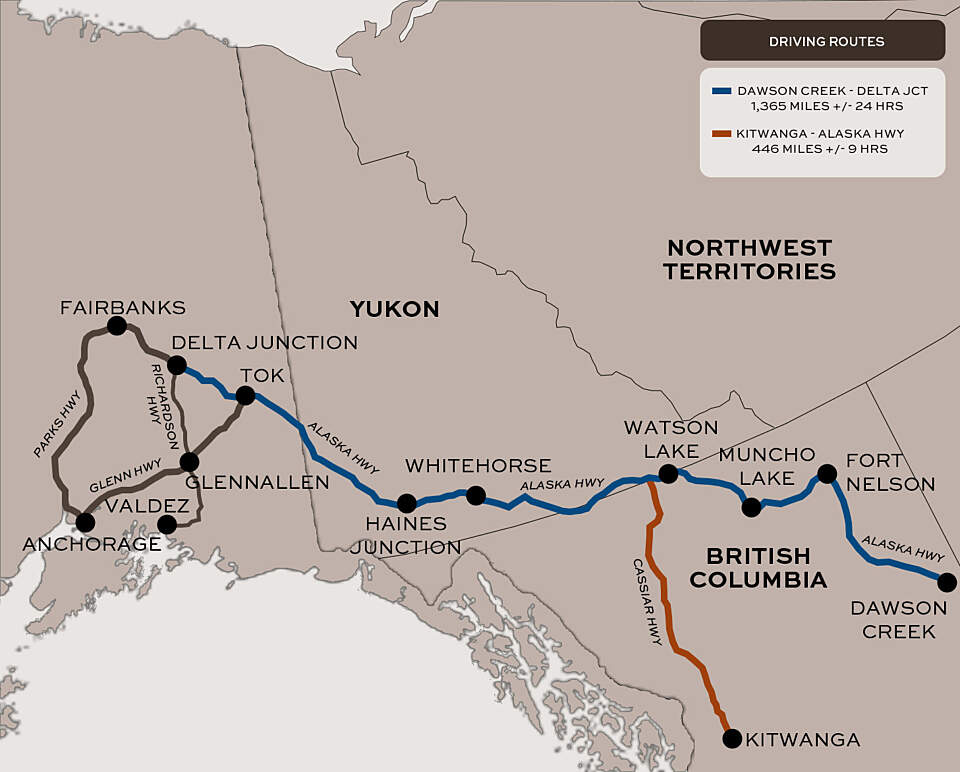
The primary route for driving to Alaska from the contiguous United States is the legendary Alaska Highway, affectionately known as the “Al-Can.” This 1,387-mile road, originally built in 1942 during World War II as a military necessity, is a ribbon of asphalt that stretches from Dawson Creek in British Columbia, Canada, to Delta Junction, Alaska. Its construction was an engineering marvel, carving a path through some of the most remote and challenging terrain imaginable. Today, while it has been significantly upgraded and maintained, it still retains an aura of adventure and a sense of pioneering spirit.
Preparation is Key for the Al-Can Adventure
Embarking on the drive to Alaska requires meticulous planning and preparation. This is not a drive to be taken lightly, and overlooking crucial details can lead to an unpleasant experience.
Vehicle Readiness
Your vehicle is your lifeline on this journey, and its condition is paramount. Before setting off, ensure your car, truck, or RV is in peak mechanical condition. This includes a thorough inspection of the engine, brakes, tires, and all fluid levels. Consider carrying essential spare parts such as a spare tire (or two!), a jack, lug wrench, jumper cables, and a basic toolkit. In remote areas, roadside assistance can be hours away, so self-sufficiency is vital. For those venturing during the winter months, equipping your vehicle with appropriate tires for snow and ice, and ensuring your battery is in good health, is non-negotiable.
Essential Supplies
Beyond your vehicle, packing the right supplies can make the difference between a smooth journey and a challenging one.
- Navigation: While GPS devices and smartphone apps are invaluable, it’s wise to carry physical maps as a backup. Cell service can be spotty, especially in the more remote stretches of the Al-Can.
- Emergency Kit: A well-stocked emergency kit should include first-aid supplies, non-perishable food items, water, blankets, a flashlight, batteries, and a signaling mirror.
- Personal Comforts: Consider packing layers of clothing, as temperatures can fluctuate significantly. Rain gear is also essential, as is insect repellent, especially during the warmer months when mosquitoes can be quite prevalent.
- Documentation: Ensure you have all necessary identification, including driver’s licenses, vehicle registration, and proof of insurance. For the Canadian portion of the journey, you will need passports.
Understanding the Road Conditions
The Al-Can Highway is paved for most of its length, but conditions can vary. Some sections may be under construction, and weather can significantly impact the road surface. Be prepared for potential gravel sections, potholes, and winding roads. Speed limits are generally lower than what you might be accustomed to in the contiguous United States, and it’s crucial to adhere to them. Wildlife is abundant, and encountering animals on the road is a common occurrence. Always drive defensively and be prepared to stop suddenly.
The Route Unveiled: From the Lower 48 to the Frontier
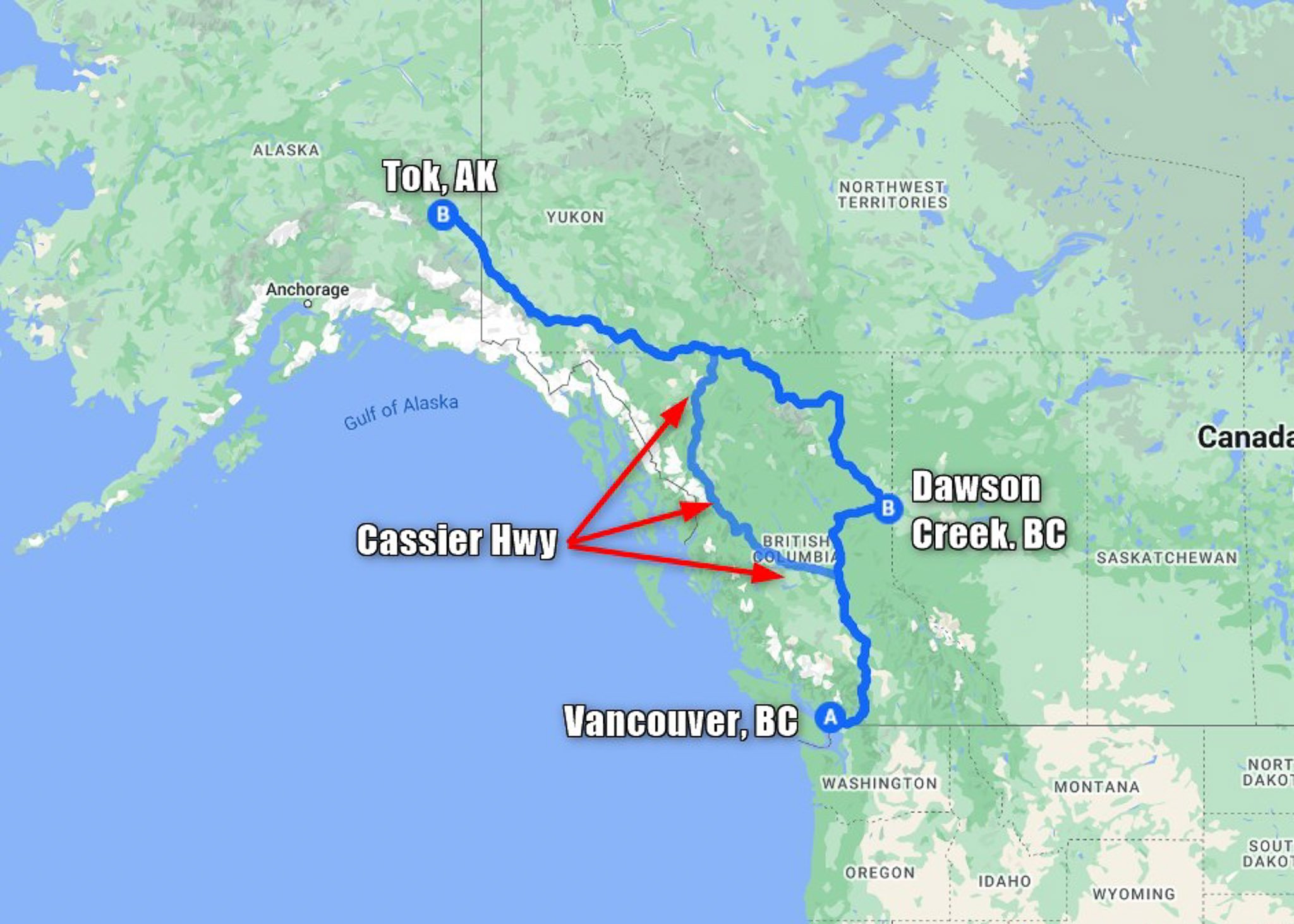
The drive to Alaska typically begins in the northwestern United States, making its way north through Canada before crossing the border back into Alaska. The most common starting point in the contiguous US is from a city like Seattle, Washington, or Portland, Oregon.
Crossing into Canada and the Trans-Canada Highway
From the Pacific Northwest, your route will lead you north towards the Canadian border. After crossing, you’ll primarily travel on the Trans-Canada Highway system, a network of highways that span the breadth of the country. You’ll navigate through British Columbia, a province renowned for its stunning mountain scenery, before reaching Dawson Creek, the official start of the Alaska Highway.
The Alaska Highway: A Journey Through Canada and Alaska
The Alaska Highway is the star of this road trip. As you traverse this historic route, you’ll witness landscapes that transform from the lush forests of British Columbia to the vast, open tundra and majestic mountains of the Yukon Territory and finally, Alaska.
- Yukon Territory: This vast and sparsely populated territory is home to incredible natural wonders. You’ll pass through charming towns like Whitehorse, the capital of the Yukon, which offers amenities and a glimpse into frontier life. Keep an eye out for wildlife such as moose, caribou, and bears. The scenery is dominated by dramatic mountain ranges and pristine lakes.
- Alaska: Upon crossing back into the United States, you’ll find yourself in Alaska. The highway continues towards destinations like Tok, a gateway town, and then branches off towards Fairbanks or continues south towards Anchorage and Juneau. Fairbanks, located inland, offers a glimpse into interior Alaskan life and is a popular destination for viewing the Northern Lights. Anchorage, the largest city in Alaska, provides a more urban experience with museums, restaurants, and cultural attractions. For those seeking coastal beauty, a ferry system connects communities like Juneau, the capital city, which is inaccessible by road.
Beyond the Drive: Experiencing Alaska
Arriving in Alaska by car opens up a world of possibilities for exploration and adventure. The journey itself is a significant part of the experience, but the destination offers a wealth of attractions and activities.
Destinations and Attractions
Alaska is a land of immense scale and diverse attractions.
- Denali National Park and Preserve: Home to North America’s tallest peak, Denali, this park offers breathtaking vistas, abundant wildlife viewing opportunities, and hiking trails for all levels.
- Kenai Fjords National Park: Accessible from Seward, this park showcases dramatic coastal fjords, glaciers calving into the sea, and abundant marine life, including whales, sea otters, and puffins.
- Wrangell-St. Elias National Park and Preserve: The largest national park in the United States, this wilderness area boasts towering mountains, vast glaciers, and opportunities for backcountry adventures.
- Juneau: Alaska’s capital city, accessible by ferry or air, offers historical sites, the magnificent Mendenhall Glacier, and opportunities for whale watching and glacier trekking.
- Fairbanks: Known for its rich Gold Rush history and its prime location for viewing the Aurora Borealis, Fairbanks provides a different perspective on Alaskan life.

Accommodation and Lifestyle Considerations
Whether you’re seeking luxury or budget-friendly options, Alaska offers a range of accommodations to suit your needs.
- Hotels and Resorts: Major cities like Anchorage and Fairbanks have a selection of hotels, from boutique inns to larger chains. For a more immersive experience, consider staying at a wilderness lodge or a remote resort.
- Cabins and Cottages: Many areas offer rental cabins, providing a rustic and cozy experience. These are ideal for those seeking a more independent stay and a closer connection to nature.
- Camping: For the truly adventurous, camping is a popular option. Numerous campgrounds are available throughout the state, offering basic amenities to more secluded backcountry sites.
- Budget Travel: Traveling by car inherently offers a degree of budget flexibility. Packing your own food, utilizing campgrounds, and seeking out local diners can significantly reduce expenses.
- Luxury Travel: For those seeking a more opulent experience, Alaska offers high-end lodges and resorts that provide exceptional service, gourmet dining, and exclusive excursions.
The drive to Alaska is more than just a way to reach a destination; it is an integral part of the Alaskan experience. It’s a journey that tests your preparedness, rewards your perseverance, and ultimately delivers you to a land of unparalleled natural wonder. By understanding the route, preparing your vehicle, and embracing the spirit of adventure, you can successfully navigate the road to Alaska and create memories that will last a lifetime.
LifeOutOfTheBox is a participant in the Amazon Services LLC Associates Program, an affiliate advertising program designed to provide a means for sites to earn advertising fees by advertising and linking to Amazon.com. Amazon, the Amazon logo, AmazonSupply, and the AmazonSupply logo are trademarks of Amazon.com, Inc. or its affiliates. As an Amazon Associate we earn affiliate commissions from qualifying purchases.