
The dream of an epic road trip often conjures images of endless highways, stunning landscapes, and the thrill of discovery. For many North American adventurers, one such journey stands out: driving to Alaska from the contiguous United States. The question, “Can you drive to Alaska from United States?” is not only common but also an exciting gateway to planning an unforgettable adventure. The definitive answer is a resounding “Yes!” – and it promises a travel experience unlike any other, weaving through vast wilderness, vibrant cultures, and some of the most breathtaking scenery on the planet.
This journey is more than just a drive; it’s an immersive dive into the heart of the North American wilderness, connecting the “Lower 48” to the Last Frontier through Canada’s majestic landscapes. It’s a trip that demands preparation, but rewards travelers with memories that last a lifetime, aligning perfectly with the spirit of exploration, unique accommodations, and discovering local gems that define exceptional tourism.
The Definitive Answer: Yes, and It’s an Unforgettable Journey
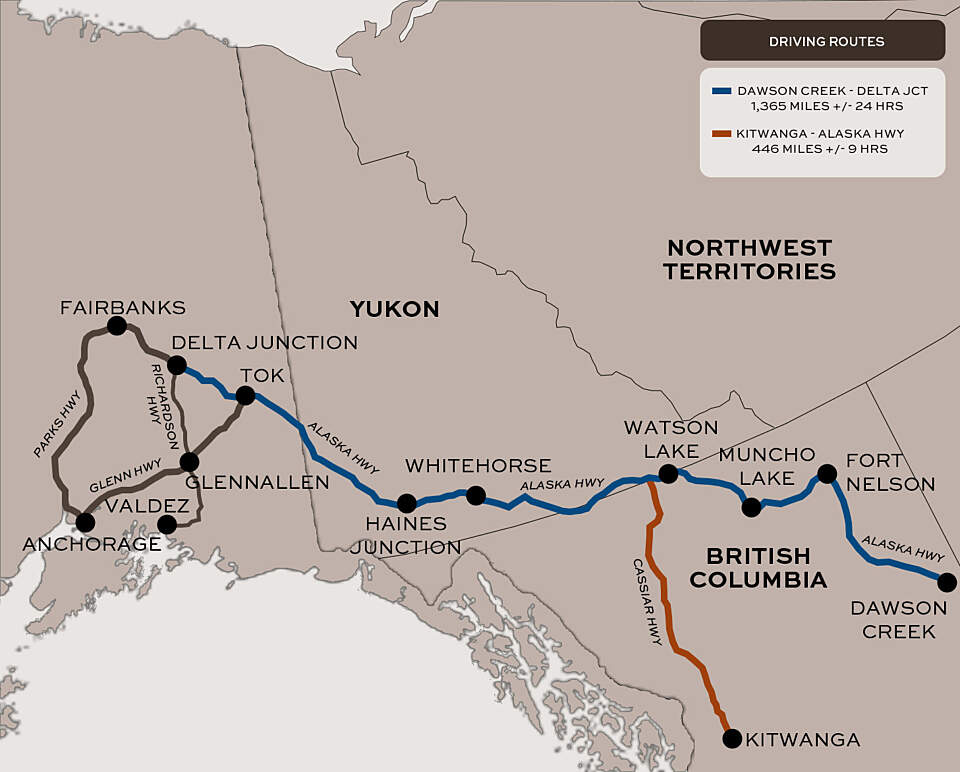
Indeed, driving to Alaska is not only possible but also a cherished rite of passage for many avid travelers. The primary route for this epic expedition is the renowned Alaska Highway, often referred to as the Alcan Highway. This historic road stretches approximately 1,387 miles (2,232 kilometers) from Dawson Creek, British Columbia, to Delta Junction, Alaska. While the Alaska Highway itself is the backbone, the full journey from most points in the United States involves thousands of miles of driving before even reaching its official start.
This adventure is a testament to the enduring appeal of the open road, offering travelers an intimate connection with nature and the opportunity to witness a diverse tapestry of landscapes. From dense forests and towering mountains to expansive plains and shimmering rivers, every mile brings a new vista. It’s an ideal journey for those seeking unique experiences, whether it’s luxury travel in a well-appointed RV, a budget-friendly camping trip, or a family adventure complete with roadside attractions and educational stops. The journey itself becomes a destination, packed with opportunities for sightseeing, cultural immersion, and creating lasting memories.
Navigating the Iconic Alaska Highway
The Alaska Highway was originally constructed during World War II as a military supply route, a monumental feat of engineering completed in just eight months. Today, it stands as a well-maintained, mostly paved road, a far cry from its rugged origins. While some sections may still present challenges like gravel patches or construction, it’s generally navigable by most standard vehicles, including cars, trucks, and RVs.
Starting in Dawson Creek, British Columbia, marked by the famous “Mile 0” post, the highway winds its way northwest through the vast wilderness of British Columbia and the Yukon Territory, before crossing into Alaska. Along the way, travelers will pass through charming towns like Fort Nelson, Watson Lake (home of the famous Sign Post Forest), and Whitehorse, the capital of the Yukon Territory. Each stop offers a chance to refuel, rest, and explore local culture and history, often with unique attractions and dining experiences that reflect the remote northern lifestyle. The highway itself is a landmark, a historical journey through untouched natural beauty.
Essential Planning for Your Alaskan Road Trip
Undertaking a drive to Alaska requires meticulous planning to ensure a safe and enjoyable trip. From understanding border requirements to preparing your vehicle and securing accommodations, every detail contributes to a successful adventure. This isn’t just a drive; it’s a multi-country expedition, making proper preparation paramount for any travel style, whether you’re seeking luxury resorts or budget-friendly campsites.
Border Crossings and Documentation Requirements
Since the route to Alaska necessitates traveling through Canada, all travelers must be prepared to meet the entry requirements for both countries.
For United States citizens entering Canada:
- Passport: A valid United States passport is highly recommended and often required for smooth border crossings. While other documents like an enhanced driver’s license or a NEXUS card may be accepted, a passport remains the most universally recognized and hassle-free option.
- Vehicle Documentation: You’ll need your valid driver’s license, vehicle registration, and proof of auto insurance. It’s advisable to check with your insurance provider about coverage in Canada and carry a non-resident inter-province motor vehicle liability insurance card (often referred to as a “yellow card”), which your insurance company can provide.
- ArriveCan App: Depending on current regulations, travelers may need to use the ArriveCAN app to submit their information before entering Canada. Always check the latest entry requirements on the official Canadian government website prior to your trip.
For returning to the United States from Canada (or directly into Alaska):
- Passport: Again, a valid United States passport is the preferred document.
- Customs Declarations: Be aware of customs regulations regarding what can and cannot be brought back into the United States, including limits on alcohol, tobacco, and certain food items.
Vehicle Preparation: Ensuring a Smooth Ride
A well-prepared vehicle is crucial for a successful Alaskan road trip. The distances between services can be substantial, and weather conditions can change rapidly.
- Maintenance Check-up: Before you depart, have your vehicle thoroughly inspected by a trusted mechanic. Pay close attention to tires (including a full-sized spare), brakes, fluid levels (oil, coolant, transmission, brake fluid), battery, and belts.
- Emergency Kit: Assemble a comprehensive emergency kit including jumper cables, basic tools, tire repair kit, first-aid kit, flashlight, emergency blankets, non-perishable food, water, and extra fuel (especially for longer stretches).
- Tires: All-season or all-terrain tires are recommended. If traveling in spring or fall, consider tires suitable for snow or ice.
- Communication: Cell service can be spotty or non-existent in many remote areas. A satellite phone, GPS device, or personal locator beacon (PLB) can be invaluable for emergencies.
- Animal Awareness: Carry a full-sized spare tire and tools, as wildlife encounters can sometimes lead to tire damage. Consider a grill guard for larger vehicles.
Budgeting and Accommodation Along the Way
The drive to Alaska can be tailored to various budgets and preferences. Accommodation options range from rustic campgrounds to charming bed and breakfasts, and even modern hotel suites and resorts in larger towns.
- Accommodation Booking: During peak season (June to August), accommodations along the Alaska Highway can fill up quickly. It’s highly advisable to book hotels, motels, and even popular campsites in advance, especially in towns like Fort St. John, Fort Nelson, Whitehorse, and Fairbanks. Websites for booking and reviews are essential tools.
- Budgeting for Fuel: Fuel costs will be a significant expense. Prices generally increase the further north you go and in more remote areas. Factor in currency exchange rates for Canadian dollars.
- Food and Supplies: While there are towns with grocery stores, consider stocking up on non-perishable snacks, drinks, and some basic meal supplies to save money and ensure you have food for remote stretches. Explore local cuisine in towns, but be prepared for limited options between them.
- Camping: For budget travel, camping is an excellent option. There are numerous provincial, territorial, and private campgrounds along the route, offering a chance to fully immerse yourself in the natural surroundings. Many offer amenities ranging from basic tent sites to RV hookups.
- Hotels and Motels: For those preferring more comfort, expect standard hotel chains, local motels, and unique boutique hotels in larger cities. Review sites are helpful for comparing options and amenities, from suites to more basic rooms.
Experiences and Attractions on the Road to Alaska
The journey to Alaska is not merely about reaching a destination; it’s about the incredible experiences and sights along the way. The route is dotted with natural wonders, opportunities for wildlife viewing, and insights into local culture that enrich the overall travel experience, making it a true collection of landmarks and destinations.
Scenic Wonders and Wildlife Encounters
The landscapes encountered on the drive are nothing short of spectacular. From the rolling foothills of Alberta (if starting from the east) and the majestic peaks of the Canadian Rockies to the vast forests of British Columbia and the expansive tundra of the Yukon Territory, the scenery changes dramatically, offering endless photographic opportunities.
- Liard River Hot Springs: A popular stop on the Alaska Highway in British Columbia, these natural hot springs provide a perfect opportunity to relax and rejuvenate amidst lush surroundings. It’s a true natural landmark and a unique experience.
- Stone Mountain Provincial Park: Known for its breathtaking mountain scenery and wildlife, including Stone Sheep.
- Kluane National Park and Reserve: Located in the Yukon Territory, this UNESCO World Heritage Site boasts Canada’s highest peak, Mount Logan, and offers incredible hiking, camping, and glacier viewing opportunities.
- Wildlife: Keep your eyes peeled for a diverse array of wildlife. Common sightings include moose, caribou, deer, elk, bears (black and grizzly), Dall sheep, and various bird species. Drive cautiously, especially at dawn and dusk, as animals can appear on the road unexpectedly. Wildlife viewing is a cornerstone of the northern experience and a prime example of nature-focused tourism.
Towns, Culture, and Local Cuisine
The towns along the Alaska Highway offer glimpses into the unique lifestyle and history of the northern regions. Each has its own charm, historical significance, and local flavor.
- Dawson Creek, BC: The official start of the Alaska Highway, this town is steeped in its history as the highway’s birthplace. Visit the Alaska Highway House museum to learn about its construction.
- Watson Lake, Yukon: Famous for its Sign Post Forest, where visitors from all over the world leave signs from their hometowns. It’s a quirky, must-see attraction that embodies the spirit of travel and connection.
- Whitehorse, Yukon: The capital and largest city in the Yukon Territory, Whitehorse offers a range of services, excellent restaurants, unique shops, and historical sites like the SS Klondike National Historic Site. It’s a great place for a longer stay, perhaps in a comfortable apartment or a well-appointed hotel, to explore local culture and activities.
- Fairbanks, Alaska: Often considered the end of the Alaska Highway (though it officially ends at Delta Junction), Fairbanks is Alaska’s second-largest city. It’s a hub for exploring the Interior of Alaska, including opportunities to see the Northern Lights, visit the University of Alaska Museum of the North, and experience unique Alaskan culture and food. It serves as a gateway to other Alaskan destinations like Denali National Park.
- Local Food: Don’t miss the chance to sample local delicacies such as bison burgers, wild salmon, poutine (in Canada), and various berry-based treats. Local pubs and diners offer authentic experiences and a taste of the northern lifestyle.
Practical Tips for a Successful Alaskan Adventure
Beyond the essential planning and understanding of the route, a few practical considerations can significantly enhance your Alaskan road trip, ensuring a smoother journey and a more enriching experience, catering to all aspects of travel and lifestyle.
Fuel, Connectivity, and Emergency Preparedness
Being prepared for the unexpected is key when traveling through remote areas.
- Fuel Strategy: Plan your fuel stops carefully. While services are generally available along the Alaska Highway, the distance between gas stations can sometimes be over 100 miles, particularly in the Yukon Territory. It’s wise to top off your tank whenever possible, especially if you see a station with fuel, even if you’re not empty.
- Cell Service: Expect intermittent or no cell service for significant portions of the drive through British Columbia and the Yukon Territory. Download offline maps (like Google Maps or Maps.me) and consider carrying a physical map. A satellite communication device can be a lifesaver for emergencies.
- Road Conditions: Check road conditions daily. Websites for British Columbia (DriveBC), the Yukon Territory (Yukon 511), and Alaska (511 Alaska) provide up-to-date information on construction, closures, and weather-related issues.
- Animal Encounters: Be constantly vigilant for wildlife, especially at dawn, dusk, and nighttime. Large animals like moose and caribou can cause severe damage if hit. Slow down and maintain a safe following distance.
- Cash: While credit cards are widely accepted, it’s always a good idea to carry some Canadian and United States cash, especially in smaller, more remote establishments that may not have card facilities.

Best Times to Travel and What to Pack
Choosing the right time to travel and packing appropriately will significantly impact your experience.
- Peak Season (June-August): This is the most popular time, offering the best weather, longest daylight hours, and all services being open. However, it also means more crowds, higher prices for hotels and resorts, and the need for advance booking. Mosquitoes can be prevalent, so pack repellent.
- Shoulder Seasons (May, September): These months offer fewer crowds, potentially lower accommodation rates, and stunning scenery (wildflowers in May, fall colors in September). Be prepared for cooler temperatures, some services potentially being closed, and a higher chance of snow or ice, especially in May.
- Winter (October-April): Driving in winter is a formidable challenge, recommended only for experienced winter drivers with fully equipped vehicles. Roads can be icy, services are very limited, and temperatures drop severely. However, it offers unique opportunities for aurora viewing.
- Packing Essentials:
- Layers of Clothing: The weather can be highly variable, even in summer. Pack layers, including waterproof and windproof outerwear.
- Comfortable Footwear: For exploring towns, hiking, and general comfort.
- Sun Protection: Sunscreen, hats, and sunglasses are essential, especially with long daylight hours.
- Insect Repellent: A must-have, particularly during summer months.
- Binoculars: For wildlife viewing and appreciating distant landscapes.
- Camera: To capture the breathtaking scenery.
- Maps and Navigation: Both digital (downloaded offline) and physical maps are recommended.
Driving to Alaska from the United States is more than just covering distance; it’s an immersive travel experience, a testament to the adventurous spirit, and a journey into unparalleled natural beauty. By carefully planning and embracing the unexpected, you’ll embark on a lifestyle adventure that epitomizes the best of travel, accommodation, and the discovery of iconic landmarks and hidden gems.