
The allure of Alaska, the United States’ largest state and a true wilderness paradise, has captivated dreamers, adventurers, and those seeking a unique way of life for centuries. Often dubbed the “Last Frontier,” it conjures images of majestic mountains, abundant wildlife, and endless expanses of untamed nature. But beyond the breathtaking scenery and the promise of adventure, a fascinating question often arises: can you actually get paid to live in Alaska? The simple answer, for many residents, is a resounding yes, primarily through the unique Alaska Permanent Fund Dividend (PFD). However, delving deeper reveals a multifaceted landscape of opportunities, challenges, and a distinctive lifestyle that goes far beyond a mere annual payment.

This article explores the various ways one might financially benefit from calling Alaska home, integrating insights into the state’s vibrant tourism, diverse job market, and the practicalities of accommodation and daily living. From the tangible financial benefits to the intangible rewards of a life immersed in nature, we’ll uncover what it truly means to get paid, both literally and figuratively, to live in Alaska.
Unveiling the Alaska Permanent Fund Dividend: The Direct Answer
For many, the first thing that comes to mind when considering getting paid to live in Alaska is the Alaska Permanent Fund Dividend (PFD). This unique program is a direct financial benefit to eligible Alaskan residents, making Alaska one of the few places in the world where the government directly pays its citizens a share of the state’s natural resource wealth.
Understanding the PFD: Eligibility and Purpose
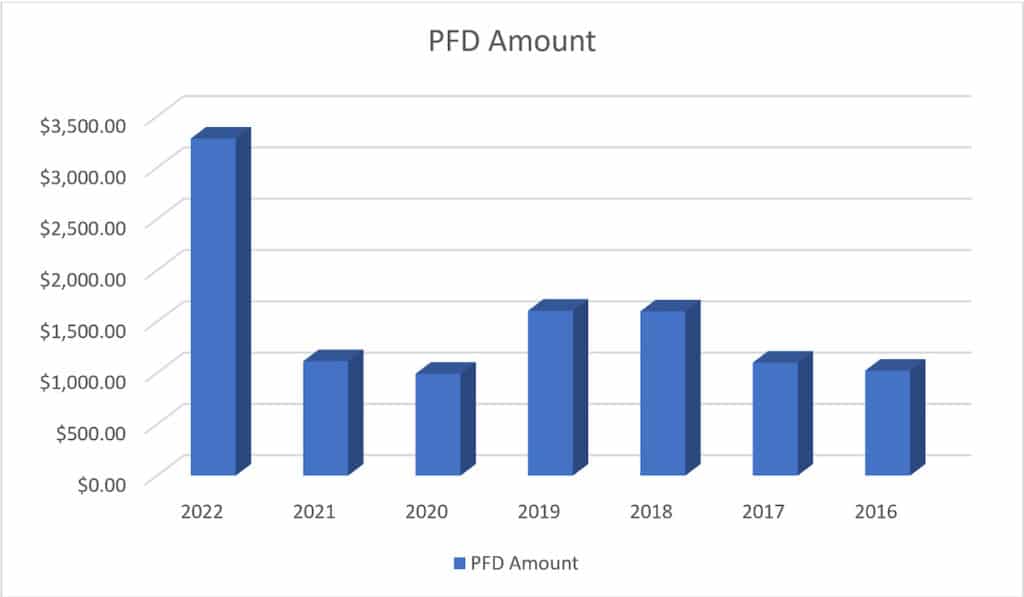
The Alaska Permanent Fund Dividend is a distribution of the earnings from the Alaska Permanent Fund, an investment fund established in 1976. This fund was created through an amendment to the Alaska State Constitution, dedicating a portion of the state’s vast oil revenues for future generations. The primary purpose was to convert a non-renewable resource into a renewable financial asset, ensuring that all Alaskans would benefit from the state’s oil wealth long after the oil fields run dry.
To be eligible for the PFD, an individual must be a resident of Alaska for a full calendar year preceding the application date, and they must intend to remain an Alaskan resident indefinitely. There are also requirements regarding physical presence in the state and not having been incarcerated or convicted of certain felonies during the qualifying period. The amount of the dividend varies each year, depending on the Alaska Permanent Fund’s performance and legislative decisions. While it’s not a sum that will make you rich, it provides a tangible, annual boost to the income of thousands of Alaskan families, contributing significantly to local economies and acting as a unique incentive for residency. For a family of four, for example, the combined annual payout can be a considerable sum, often used for everything from holiday shopping to home repairs or even travel.
The Allure of Alaskan Residency: Beyond the Dividend
While the PFD is a compelling draw, the decision to live in Alaska is rarely solely about this payment. The state offers a lifestyle unparalleled anywhere else in the United States. It’s a place where majestic landscapes are your backyard, where the Northern Lights dance across winter skies, and where encounters with incredible wildlife like moose, bears, and eagles are part of daily life.
The allure extends to outdoor enthusiasts who thrive on world-class fishing, hunting, hiking, skiing, and kayaking. Cities like Anchorage, Juneau, and Fairbanks serve as gateways to these adventures, offering a balance of urban amenities with immediate access to wilderness. The sense of community in many Alaskan towns is also remarkably strong, often forged by shared experiences in a challenging yet rewarding environment. Residents often embrace a self-reliant spirit, a deep appreciation for nature, and a willingness to face the unique demands of the Alaskan climate, particularly the long, dark winters and the endless daylight of summer.
Earning Your Keep: Job Opportunities in the Last Frontier
Beyond the PFD, actively working in Alaska is the most common and substantial way to get paid to live there. The state’s economy is distinct, heavily reliant on its natural resources and a thriving tourism sector, creating diverse job opportunities for those willing to embrace the Alaskan way of life.
Seasonal Work: A Gateway to Alaskan Life
For many, seasonal work serves as an excellent introduction to living and working in Alaska. These jobs are abundant, particularly during the summer months, aligning perfectly with the peak tourism season and the flourishing fishing industry.
- Tourism: The Alaskan tourism sector is robust, drawing millions of visitors eager to experience its unparalleled natural beauty. Cruise ships ply the waters of the Inside Passage, tour buses transport sightseers to Denali National Park and Preserve, and lodges cater to adventurers. This creates demand for a wide array of seasonal positions, including tour guides, hotel staff, restaurant workers, retail associates, fishing charter crew members, and wilderness guides. Many operators provide accommodation and meals as part of the employment package, making it an attractive option for those looking to save money while experiencing Alaska. Destinations like Seward, Ketchikan, Skagway, and Sitka are hotspots for these opportunities.
- Fishing and Seafood Processing: Alaska boasts one of the world’s most productive commercial fisheries, with salmon, halibut, cod, and crab being key catches. Seasonal jobs are plentiful in fish processing plants, particularly in coastal towns, and aboard fishing vessels. While demanding, these jobs often offer competitive wages and the chance to earn significant money in a short period, appealing to those with a strong work ethic.
Seasonal work allows individuals to test the waters of Alaskan life without a long-term commitment, often saving enough money to support themselves through the quieter winter months or to fund further exploration of the state.
High-Demand Industries: Sustaining a Year-Round Lifestyle
For those seeking year-round residency and stable employment, Alaska offers opportunities in several key industries that form the backbone of its economy.
- Oil and Gas: Though less dominant than in past decades, the oil and gas industry remains a significant employer, particularly on the North Slope and in support roles in Anchorage and Fairbanks. These jobs are often high-paying but require specialized skills and a willingness to work demanding schedules in remote locations.
- Healthcare: Like many remote regions, Alaska faces ongoing demand for healthcare professionals, including doctors, nurses, and allied health staff. Opportunities can be found in major cities and smaller rural communities, often with incentives for those willing to serve underserved areas.
- Education: Teachers, administrators, and support staff are consistently needed across the state, from urban schools to remote village schools where educators can experience a truly unique cultural and community immersion.
- Transportation and Logistics: Given Alaska’s vastness and dependence on shipping, jobs in transportation, logistics, and infrastructure development (including roles on the Alaska Railroad or at major ports) are critical and offer steady employment.
- Government and Public Service: As a state with significant federal and state land, government agencies (federal, state, and local) employ many Alaskans in roles ranging from park rangers to administrative staff.
Many of these industries offer competitive salaries, often higher than the national average, to compensate for the higher cost of living and the unique environment.
Remote Work and Entrepreneurship: Crafting Your Alaskan Dream
The advent of widespread internet connectivity has opened new avenues for earning a living in Alaska through remote work. Many individuals are now able to bring their urban-based jobs with them, working remotely for companies outside the state while enjoying the Alaskan lifestyle. This can be a particularly attractive option, allowing residents to benefit from the PFD and the lower state income taxes (as Alaska has no state income tax) while earning a national-level salary.
Furthermore, the spirit of entrepreneurship thrives in Alaska. From small businesses catering to local needs in isolated communities to innovative ventures serving the tourism or resource industries, there’s ample room for those with vision and determination. Starting a business in Alaska often means tapping into a niche market or catering to the unique demands of the environment, whether it’s building specialized outdoor gear, running a remote lodge, or offering unique Alaskan crafts.
The Realities of Alaskan Living: Costs, Challenges, and Rewards
While the financial incentives and job opportunities are compelling, living in Alaska comes with its own set of realities, including a higher cost of living and unique lifestyle adjustments. Understanding these factors is crucial for anyone considering making the Last Frontier their home.
Navigating the Cost of Living in Alaska
It’s important to acknowledge that the cost of living in Alaska is generally higher than the national average, particularly for groceries, utilities, and certain services. This is primarily due to transportation costs, as most goods must be shipped long distances.
- Housing: Accommodation costs vary significantly by region. Cities like Anchorage tend to have higher rents and home prices, comparable to many major U.S. cities, while smaller towns and rural areas can be more affordable, though options might be limited. For example, a modern apartment in Anchorage or Juneau will command a higher price than a cabin on the Kenai Peninsula, especially during the off-season. Finding suitable long-term stay options can also be a challenge, requiring careful planning and often benefiting from local knowledge.
- Groceries and Goods: Expect to pay more for everyday items, especially fresh produce and specialty goods, due to import costs. Many Alaskans combat this by buying in bulk when possible, fishing and hunting for their own food, and cultivating gardens during the summer months.
- Utilities: Heating costs can be substantial during the long winters, particularly in remote areas that rely on fuel oil or propane. However, the lack of state income tax and sales tax (in most municipalities) can help offset some of these higher expenses.
Despite these costs, many Alaskans find that the quality of life, access to nature, and unique experiences far outweigh the financial considerations, especially when coupled with the PFD and competitive wages.
Embracing the Alaskan Lifestyle: Nature, Community, and Resilience
The lifestyle in Alaska is defined by its extreme environment and the resilient communities that thrive within it. It’s a place where you learn to appreciate self-sufficiency and resourcefulness. The long hours of summer daylight are packed with outdoor activities, from fishing for salmon in pristine rivers to hiking through the Chugach Mountains. Winters, while long and dark, are equally vibrant with opportunities for skiing, snowboarding, ice fishing, and witnessing the breathtaking Northern Lights.
Community bonds are often strong, with neighbors relying on and supporting each other, particularly in more isolated areas. Events like local festivals, winter carnivals, and community potlucks are central to social life. This strong sense of community, combined with an unparalleled connection to the natural world, is an immeasurable reward for those who choose to live here. It’s a lifestyle that fosters a deep respect for nature and a profound sense of adventure.
Finding Your Home: Accommodation in the Alaskan Wilderness
Finding suitable accommodation, whether for a short-term visit or a long-term relocation, is a key consideration for anyone exploring Alaska. Options range from modern apartments in Anchorage and Fairbanks to rustic cabins in more remote locales.
For visitors, Alaska offers a diverse range of hotels, lodges, and resorts, from luxury establishments to cozy bed and breakfasts. Many specialize in catering to outdoor adventurers, offering packages that include guided tours and equipment rentals. When considering a longer stay, particularly for seasonal work, employers often provide dormitory-style accommodation or RV hookups. For permanent residents, navigating the housing market involves weighing factors like proximity to work, access to amenities, and the desired level of wilderness immersion. Some opt for suburban homes, others choose properties with acreage, while a hardy few embrace off-grid living, especially in areas like the Matanuska-Susitna Borough. Regardless of the choice, securing appropriate housing is an integral part of making Alaska feel like home.
Alaska as a Destination: A Tourist’s Paradise, A Resident’s Home
Alaska’s identity as a premier travel destination is inseparable from its appeal as a place to live. The very attractions that draw millions of tourists each year are the daily backdrop for its residents, offering a unique blend of adventure, culture, and natural beauty.
Iconic Landmarks and Natural Wonders
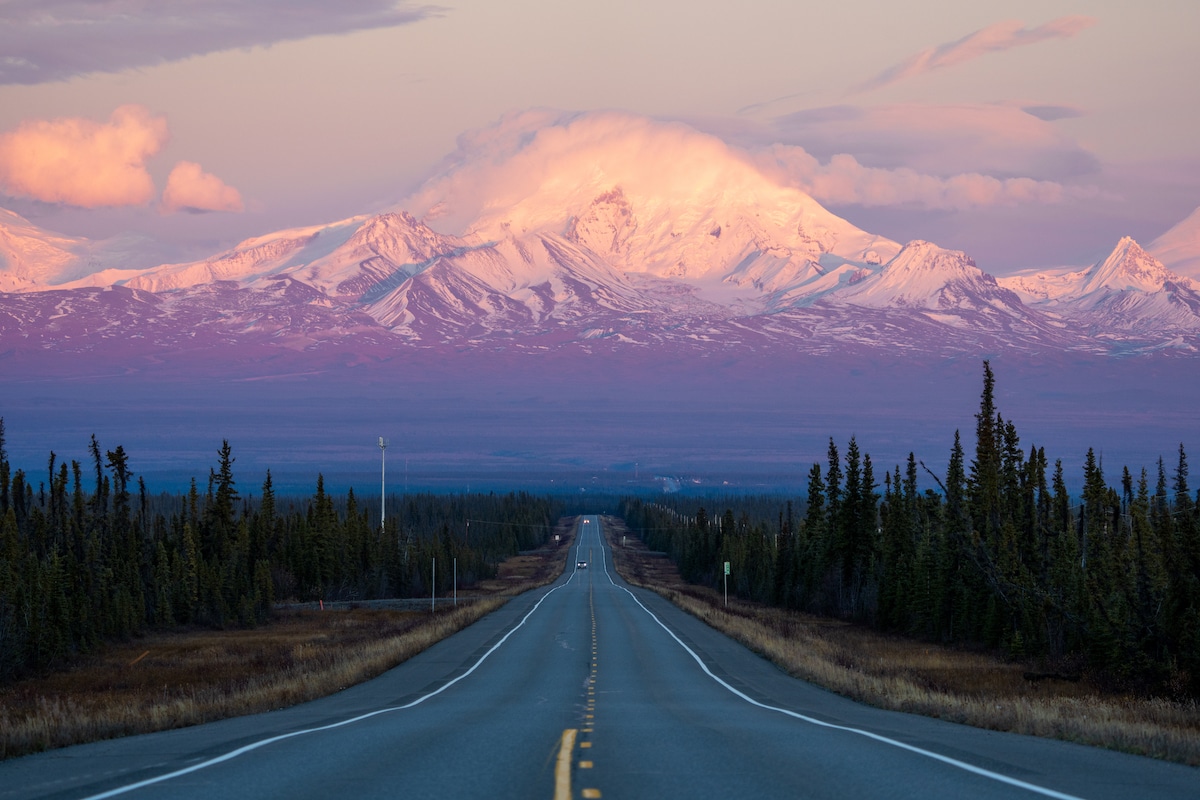
Alaska is a land of superlatives, home to some of the world’s most spectacular landmarks and natural phenomena. Denali, North America’s highest peak, stands majestically within Denali National Park and Preserve, a vast wilderness teeming with grizzly bears, caribou, and wolves. The shimmering blue glaciers of Glacier Bay National Park and Kenai Fjords National Park offer dramatic landscapes where massive ice sheets calve into the Pacific Ocean and marine wildlife thrives. The famous Inside Passage provides breathtaking coastal views, a popular route for cruises and ferries.
Beyond these grand spectacles, everyday Alaskan life is intertwined with smaller, yet equally impressive, natural wonders. From the easily accessible Mendenhall Glacier near Juneau to the vast expanse of the Bering Sea and the rugged shores of the Gulf of Alaska, the state is a living testament to the raw power and beauty of nature. These natural assets not only define the landscape but also underpin the state’s tourism economy and the outdoor-centric lifestyle of its residents.
Experiencing Alaskan Culture and Cuisine
Alaska’s culture is a rich tapestry woven from its Indigenous heritage, pioneer spirit, and diverse immigrant communities. Traditional Native Alaskan arts, stories, and festivals are vibrant parts of the cultural scene, particularly in cities like Anchorage and Fairbanks, and in countless villages. The unique challenges of frontier living have also fostered a culture of resilience, community cooperation, and self-reliance.
Alaskan cuisine is naturally centered around its abundant seafood, with fresh salmon, halibut, cod, and crab being staples. Wild game like moose and caribou also feature prominently. Local breweries and distilleries have gained popularity, often incorporating local ingredients. Food festivals celebrate these riches, providing opportunities to savor the flavors of the Last Frontier. For both visitors and residents, experiencing this distinctive culture and cuisine is a fundamental part of the Alaskan journey.
Planning Your Alaskan Journey
Whether you’re planning a short travel experience or considering a permanent move, careful planning is essential for an Alaskan adventure. For tourists, booking tours, accommodations, and transportation well in advance is advisable, especially during the peak summer season. The Alaska Railroad offers iconic journeys, while ferries provide access to coastal communities.
For those contemplating residency, research into job markets, housing options, and community profiles is crucial. Visiting during both summer and winter can provide a realistic perspective on the state’s dramatically different seasons. Understanding the logistics of moving, from transporting belongings to adapting to the climate, is key. Many resources are available online and through state agencies to assist with relocation. Embracing the logistical challenges is part of the Alaskan experience, and with thoughtful preparation, the rewards of living in this extraordinary state can be immense.
In conclusion, the question “Can you get paid to live in Alaska?” can be answered with a qualified “yes.” Through the Alaska Permanent Fund Dividend, diverse job opportunities in growing industries, and the potential for remote work and entrepreneurship, financial benefits are certainly attainable. However, the true “payment” for many Alaskans comes in the form of an unparalleled lifestyle: a life rich in natural beauty, vibrant community, and endless adventure, where the wilderness is not just a backdrop but an integral part of daily existence.
LifeOutOfTheBox is a participant in the Amazon Services LLC Associates Program, an affiliate advertising program designed to provide a means for sites to earn advertising fees by advertising and linking to Amazon.com. Amazon, the Amazon logo, AmazonSupply, and the AmazonSupply logo are trademarks of Amazon.com, Inc. or its affiliates. As an Amazon Associate we earn affiliate commissions from qualifying purchases.