
The question of whether a passport is required to travel to Puerto Rico is a frequent one for many prospective visitors. Given its status as a United States territory, the answer often causes confusion. Unlike international destinations that necessitate a passport for entry, Puerto Rico offers a unique travel experience for U.S. citizens and lawful permanent residents. This article aims to demystify the passport requirements and provide a comprehensive guide for planning your trip to this vibrant Caribbean island.
Understanding Puerto Rico’s Political Status
To grasp why Puerto Rico has different entry requirements for U.S. citizens, it’s crucial to understand its political relationship with the United States. Puerto Rico is an unincorporated territory of the United States. This means that while it is under the sovereignty of the U.S., it is not a state and its citizens are U.S. citizens. The U.S. Constitution applies to Puerto Rico, but not all of its provisions are fully enforced.
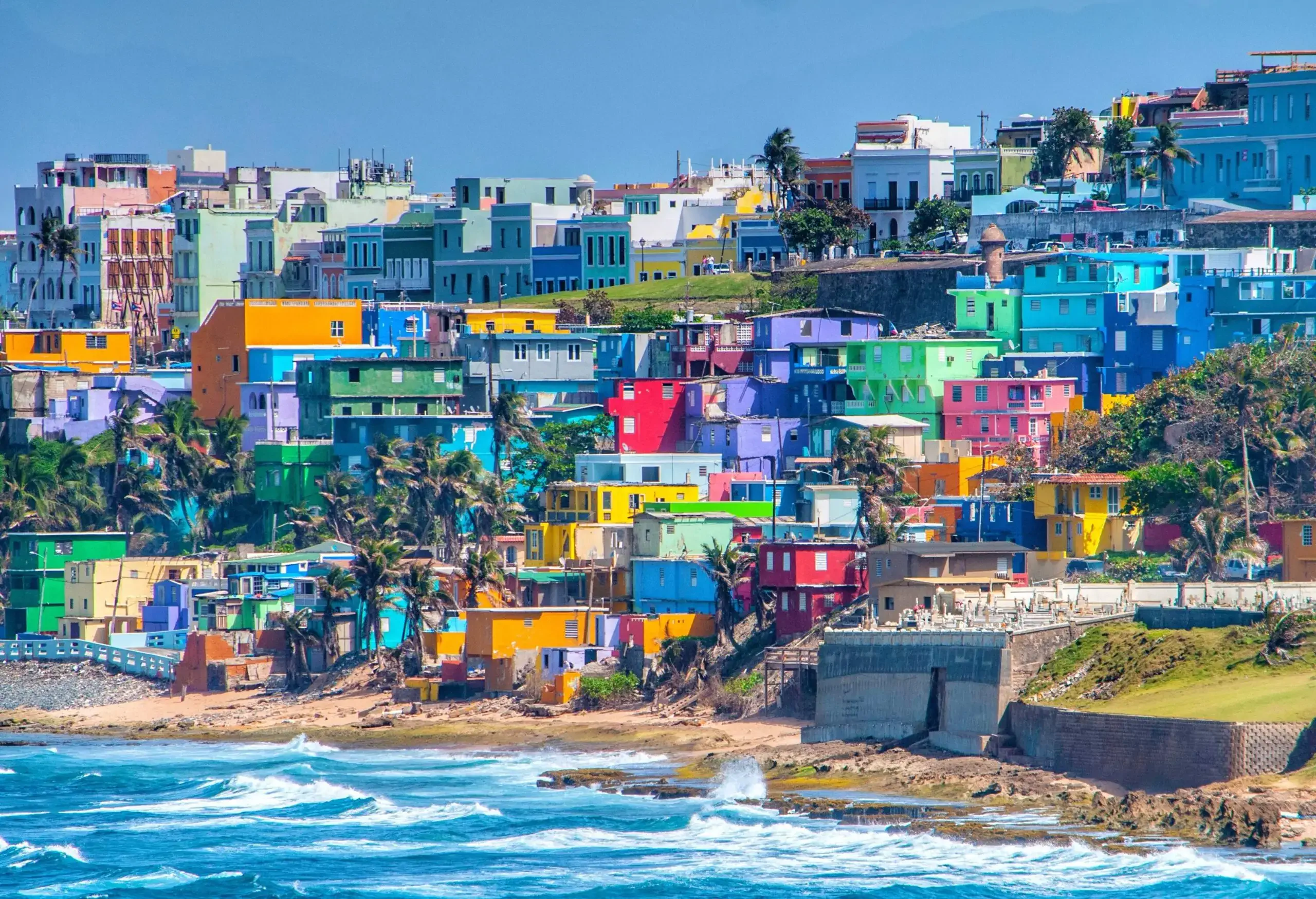
This status is key to understanding travel logistics. For U.S. citizens, traveling between the mainland United States and Puerto Rico is akin to traveling between two states within the U.S. There are no customs or immigration checks in the same way there would be for traveling to a foreign country. This simplifies the process significantly for those holding U.S. citizenship.
U.S. Citizens and U.S. Nationals
For U.S. citizens and U.S. nationals, traveling to Puerto Rico does not require a passport. You can present a valid, government-issued photo identification, such as a driver’s license or state ID card, to board your flight. This applies whether you are flying from New York, Florida, or any other U.S. state. The TSA (Transportation Security Administration) will accept these forms of identification for domestic travel.
This policy is in place because Puerto Rico is considered a domestic destination for U.S. citizens. This makes planning a spontaneous getaway or a well-researched vacation much more accessible.
Lawful Permanent Residents of the United States
Similar to U.S. citizens, lawful permanent residents of the United States also do not need a passport to travel to Puerto Rico. Instead, they must carry their Permanent Resident Card, commonly known as a “Green Card.” This card serves as proof of their legal status in the U.S. and is sufficient for boarding domestic flights to Puerto Rico and re-entering the United States from the island.
It is crucial for lawful permanent residents to ensure their Green Card is valid and in good condition. Expired or damaged cards may cause travel complications.
International Travelers
The passport requirement changes for individuals who are not U.S. citizens or lawful permanent residents. If you are traveling to Puerto Rico from a foreign country, or if you are a citizen of another nation, you will likely need a valid passport to enter Puerto Rico.
The specific entry requirements will depend on your country of citizenship and any existing visa agreements between your country and the United States. For example, citizens of countries that are part of the Visa Waiver Program (VWP) might be able to enter Puerto Rico without a visa for short stays, but they will still need a passport. It is always advisable to check the latest U.S. Customs and Border Protection (CBP) guidelines or consult with the U.S. embassy or consulate in your home country to confirm the exact documentation needed.
Planning Your Trip: Essential Considerations
Now that the passport question is addressed, let’s delve into other aspects of planning a trip to Puerto Rico, covering destinations, accommodations, activities, and lifestyle travel.
Destinations and Attractions: What to See and Do
Puerto Rico offers a diverse range of experiences, from historical exploration to natural wonders and vibrant city life.
Old San Juan
A visit to Old San Juan is a must for history buffs and those who appreciate colonial architecture. This historic district is a UNESCO World Heritage site, boasting cobblestone streets, colorful buildings, and impressive fortifications.
- Castillo San Felipe del Morro: This iconic 16th-century citadel, also known as “El Morro,” stands guard over the entrance to San Juan Bay. Exploring its ramparts and learning about its strategic importance is a captivating experience.
- Castillo de San Cristóbal: The largest Spanish fortification in the Americas, Castillo de San Cristóbal offers panoramic views of the city and the ocean. Its extensive network of tunnels and plazas provides a fascinating glimpse into military history.
- Paseo de la Princesa: This picturesque promenade runs along the old city walls and leads to the iconic Raíces Fountain. It’s a perfect spot for a leisurely stroll, especially in the evening.
- Museums and Galleries: Old San Juan is home to numerous museums, including the Museo de las Américas, which showcases the art and culture of the Americas, and the Museo de Arte de Puerto Rico, featuring a vast collection of Puerto Rican art.

El Yunque National Forest
For nature lovers, El Yunque National Forest is an unparalleled destination. As the only tropical rainforest in the U.S. National Forest system, it offers a lush, biodiverse environment.
- Hiking Trails: Numerous trails wind through the rainforest, leading to stunning waterfalls, panoramic viewpoints, and diverse flora and fauna. Popular trails include those leading to the Yokahú Tower and La Mina Falls.
- Waterfalls: The forest is dotted with beautiful waterfalls, such as Juan Diego Falls and Mina Falls, where visitors can take a refreshing dip.
- Unique Wildlife: Keep an eye out for the coqui frog, the island’s beloved nocturnal amphibian, and various bird species endemic to the region.
Beaches and Coastal Activities
Puerto Rico boasts some of the most beautiful beaches in the Caribbean.
- Flamenco Beach (Culebra): Consistently ranked among the world’s best beaches, Flamenco Beach on the island of Culebra offers powdery white sand and crystal-clear turquoise waters. It’s perfect for swimming, snorkeling, and simply relaxing.
- Luquillo Beach: Located on the northeastern coast, Luquillo Beach is a long, crescent-shaped beach with calm waters, making it ideal for families. Nearby are the famous kiosks of Luquillo, offering a variety of local foods.
- Isla Verde: Situated near the San Juan airport, Isla Verde is known for its upscale resorts and lively atmosphere, with opportunities for water sports like jet skiing and parasailing.
- Bioluminescent Bays: Puerto Rico is home to three of the world’s five bioluminescent bays, most notably the Mosquito Bay in Vieques and the Laguna Grande in Fajardo. A nighttime kayak or boat tour into these bays offers a magical experience as the water illuminates with every movement.
Accommodation and Lifestyle Travel
Puerto Rico caters to all types of travelers, from luxury seekers to budget-conscious adventurers.
Hotels and Resorts
The island offers a wide array of lodging options.
- Luxury Stays: For those seeking opulent experiences, resorts like the Dorado Beach, a Ritz-Carlton Reserve in Dorado provide world-class amenities, stunning beachfront locations, and impeccable service. The St. Regis Bahia Beach Resort offers a luxurious escape nestled within a nature reserve.
- Boutique Hotels: In Old San Juan and other charming towns, boutique hotels offer intimate settings and unique architectural styles.
- Family-Friendly Resorts: Many resorts feature kids’ clubs, water parks, and family-oriented activities, ensuring an enjoyable stay for all ages.
- Apartments and Villas: For longer stays or families seeking more space and privacy, renting apartments or villas through platforms like Airbnb or VRBO can be a great option. This allows for a more immersive lifestyle experience, with the ability to cook your own meals and live like a local.
Budget Travel Tips
Puerto Rico can be explored on a budget without sacrificing the richness of the experience.
- Guesthouses and Hostels: In smaller towns and areas outside the main tourist hubs, you can find more affordable guesthouses and hostels.
- Local Transportation: Utilizing public transportation like buses or guaguas (vans) can save money on getting around, especially within cities like San Juan.
- Street Food and Local Eateries: Embracing the local food scene, from pinchos (skewers) sold by street vendors to local fondas (casual eateries), is both delicious and budget-friendly. Don’t miss trying mofongo, a staple dish made from fried plantains.
- Free Activities: Many of Puerto Rico’s greatest attractions are free, such as exploring beaches, hiking in designated areas of national forests (though some specific attractions may have fees), and wandering through historical districts.
Local Culture, Food, and Experiences
To truly appreciate Puerto Rico, immerse yourself in its vibrant culture and delectable cuisine.
Cultural Immersion
- Music and Dance: Experience the infectious rhythms of salsa, bomba, and plena, which are integral to Puerto Rican culture. Look for live music venues in San Juan or even spontaneous street performances.
- Festivals and Events: Depending on the time of year, you might be able to experience local festivals celebrating everything from patron saints to harvest seasons.
- Artisan Crafts: Visit local markets to find unique handicrafts, including pottery, wood carvings, and vejigante masks, which are symbolic of Puerto Rican folklore.

Culinary Delights
Puerto Rican cuisine is a fusion of Spanish, African, and Taíno influences, characterized by bold flavors and fresh ingredients.
- Must-Try Dishes: Beyond mofongo, be sure to sample lechón (roast pig), arroz con gandules (rice with pigeon peas), pasteles (a savory dough filled with meat, wrapped in plantain leaves), and tembleque (a coconut-based dessert).
- Rum Distilleries: Puerto Rico is famous for its rum. A tour of a distillery like Bacardi Distillery can be an educational and enjoyable experience.
- Coffee Plantations: The island also produces excellent coffee. Visiting a coffee plantation in the central mountains offers insight into the coffee-making process and a chance to taste freshly brewed coffee.
In conclusion, for U.S. citizens and lawful permanent residents, the journey to Puerto Rico is straightforward and doesn’t require a passport. This opens up a world of tropical adventure, rich history, and vibrant culture to explore. By understanding the entry requirements and planning your itinerary with the diverse destinations, accommodations, and experiences in mind, you are well on your way to an unforgettable trip to this captivating Caribbean gem.