
The allure of the wild, with its untamed beauty and fascinating creatures, often sparks a desire to bring a piece of it into our homes. Among the most captivating of North American wildlife is the raccoon, a creature known for its masked face, nimble paws, and intelligent eyes. It’s not uncommon for aspiring pet owners to wonder if they can adopt one of these charismatic animals as a companion. This curiosity often leads to specific questions, such as, “Can you have a pet raccoon in California?” The answer, like many questions concerning exotic pets, is complex and hinges on a delicate balance of legality, ethical considerations, and the inherent challenges of cohabiting with a wild animal.
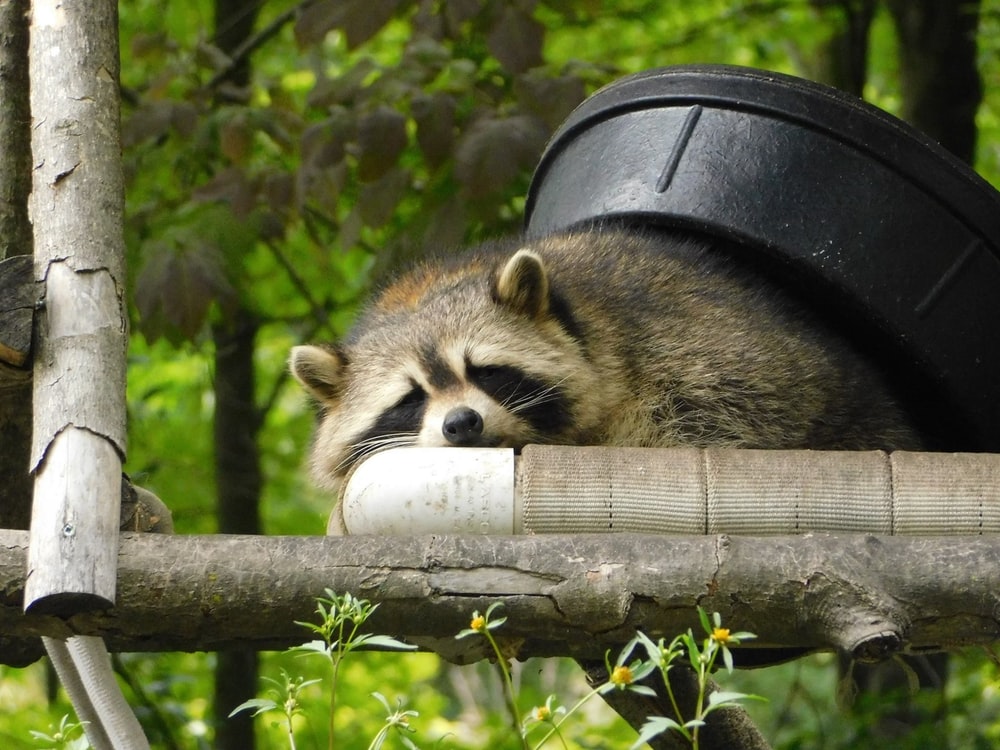
California, with its diverse landscapes ranging from the sun-drenched beaches of Southern California to the majestic redwood forests of Northern California, and its vibrant cities like Los Angeles and San Francisco, is a state that prides itself on its unique environmental regulations and conservation efforts. When it comes to the ownership of wild animals, the Golden State is particularly stringent. Understanding these regulations is the crucial first step for anyone contemplating the idea of a raccoon as a pet.
Navigating the Legal Labyrinth: Raccoon Ownership in California
The primary barrier to owning a pet raccoon in California is the law. The California Department of Fish and Wildlife (CDFW), formerly known as the California Department of Fish and Game, is the governing body responsible for regulating the possession of wildlife within the state. Their regulations are designed to protect both native wildlife populations and public safety.
Are Raccoons Considered Wild Animals in California?
Yes, unequivocally. Raccoons, along with many other native species, are classified as “wild animals” under California law. This classification carries significant implications. The CDFW maintains a list of restricted species, and possessing these animals typically requires special permits, which are not generally granted for pet ownership. The intent behind these laws is multifaceted. Firstly, it aims to prevent the potential spread of diseases that can be transmitted between wild animals and humans or domestic pets. Secondly, it seeks to protect native ecosystems by preventing the introduction of non-native species or the disruption of natural behaviors through domestication. Lastly, it addresses public safety concerns, as wild animals, even those raised in captivity, can exhibit unpredictable behaviors that could pose a risk to their owners and the wider community.
The Permitting Process: An Uphill Battle
For those who dream of a raccoon companion, the CDFW does have provisions for possessing certain wild animals, but these are almost exclusively for educational, scientific, or zoological purposes. Obtaining a permit for a pet raccoon is exceedingly rare, if not practically impossible, for the average individual. The application process is rigorous, requiring extensive justification for the need to possess the animal, proof of appropriate housing facilities that meet strict safety and welfare standards, and a demonstration of specialized knowledge in handling and caring for the specific species. Even if an individual were to overcome these hurdles, the permit would likely come with stringent conditions and oversight from the CDFW, making it far from the carefree pet ownership one might envision. The underlying philosophy is that wild animals are best left in their natural habitats or managed by accredited institutions equipped to provide for their complex needs.
Beyond Legality: The Realities of Raccoon Care
Even if the legal obstacles were somehow surmountable, the practicalities of keeping a raccoon as a pet present a formidable set of challenges. These are not domesticated animals like cats or dogs, which have been bred for centuries to live alongside humans. Raccoons are inherently wild, and their instincts, needs, and behaviors reflect this.
Understanding Raccoon Behavior and Needs

Raccoons are intelligent, curious, and highly active creatures. They possess remarkable dexterity, thanks to their prehensile paws, which they use to explore their environment, manipulate objects, and forage for food. This innate curiosity can translate into destructive behavior within a human home. Furniture can be ripped apart, cabinets can be opened and emptied, and electrical cords can become tempting chew toys. Their need for mental stimulation is significant, and without it, they can become bored, stressed, and prone to developing undesirable behaviors.
Their natural diet is omnivorous and varied, consisting of insects, small animals, fruits, nuts, and vegetation. Replicating this precise dietary balance in captivity can be difficult, and improper nutrition can lead to serious health problems. Furthermore, raccoons are nocturnal or crepuscular, meaning they are most active during twilight hours and at night. This can lead to significant disruptions for their human companions who are typically on a diurnal schedule.
The Importance of Socialization and Training
While raccoons are intelligent and can learn to recognize their owners, they are not inherently inclined towards the kind of social bonding and obedience seen in domesticated pets. Early and extensive socialization is crucial for any wild animal, but even with dedicated effort, their wild instincts can resurface, especially as they reach sexual maturity. Training a raccoon to use a litter box reliably can be a significant challenge, and their natural tendency to mark territory can lead to issues with odor. Unlike dogs or cats, which have been bred for millennia to be amenable to human companionship, raccoons retain a strong sense of independence and self-reliance that can make them difficult to manage in a domestic setting.
Health and Veterinary Care
Finding a veterinarian experienced and willing to treat a raccoon can be another significant hurdle. Most veterinarians are trained to care for common domestic animals and may not have the specialized knowledge or equipment required for exotic species like raccoons. Furthermore, raccoons can carry diseases transmissible to humans, such as rabies, roundworm, and leptospirosis. While these risks can be mitigated through vaccination and proper hygiene, they remain a consideration for any potential owner. The cost of specialized veterinary care, if available, can also be considerably higher than for common pets.
Ethical Considerations: Is it Fair to the Raccoon?
Beyond the legal and practical aspects, there’s a profound ethical question to consider: Is it fair to the raccoon to remove it from its natural environment and attempt to keep it as a pet? Wild animals have evolved over millennia to thrive in specific ecosystems, with complex social structures, foraging behaviors, and territorial needs. Confining them to a domestic environment, no matter how well-intentioned, can be a significant disservice to their well-being.
The desire to have a unique pet is understandable, but it’s crucial to distinguish between a companion animal and a wild creature. While some individuals may attempt to rescue and rehabilitate orphaned or injured raccoons with the ultimate goal of releasing them back into the wild, this is a specialized endeavor undertaken by trained wildlife rehabilitators. It is a temporary role focused on returning the animal to its rightful place in nature, not on establishing a permanent domestic bond.

Alternatives to Pet Raccoon Ownership
For those captivated by raccoons and other fascinating wildlife, there are numerous ways to appreciate them without the inherent risks and ethical dilemmas of pet ownership. Exploring California’s abundant natural parks, such as Yosemite National Park or Joshua Tree National Park, offers opportunities to observe wildlife in its natural habitat. Many wildlife sanctuaries and rehabilitation centers throughout the state welcome visitors and provide educational programs that offer insights into the lives of these animals and the importance of conservation. Attending guided nature walks or visiting zoos and aquariums that adhere to high standards of animal welfare can also provide enriching experiences.
Ultimately, the question of whether you can have a pet raccoon in California is answered with a resounding “no” for the vast majority of individuals. The legal framework is designed to protect both wildlife and people, and the practical and ethical challenges of raccoon ownership are immense. Instead, we can celebrate these remarkable creatures from a respectful distance, appreciating their wild spirit and ensuring their continued existence in the magnificent landscapes of California.