
The Uninvited Guests: Understanding Florida’s Iguana Influx
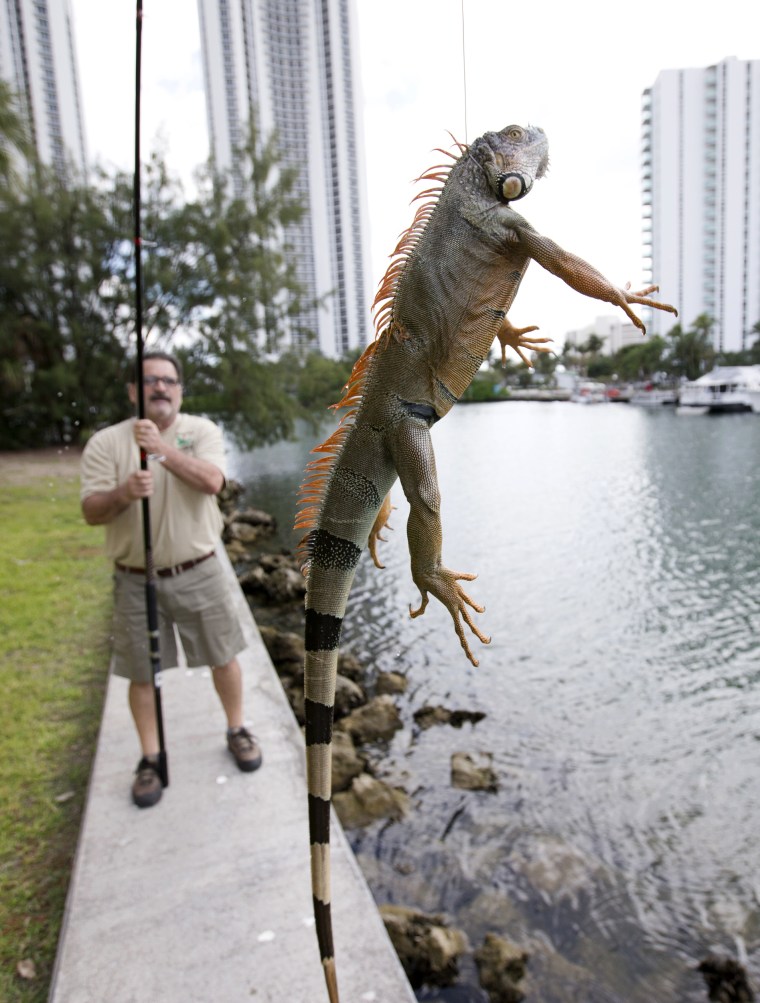
The green iguana (Iguana iguana) is not native to [Florida]. Originating from Central and South America, as well as parts of the Caribbean, these reptiles were introduced to [Florida] primarily through the pet trade in the 1960s. Escaped or intentionally released pets quickly established breeding populations, thriving in the state’s warm, humid climate, which closely mimics their natural habitat. Without natural predators in sufficient numbers to control their spread, iguana populations have exploded, particularly in [South Florida], creating a multifaceted issue for the environment, infrastructure, and the daily [lifestyle] of its inhabitants.
A Pervasive Presence: Where Iguanas Thrive in the Sunshine State
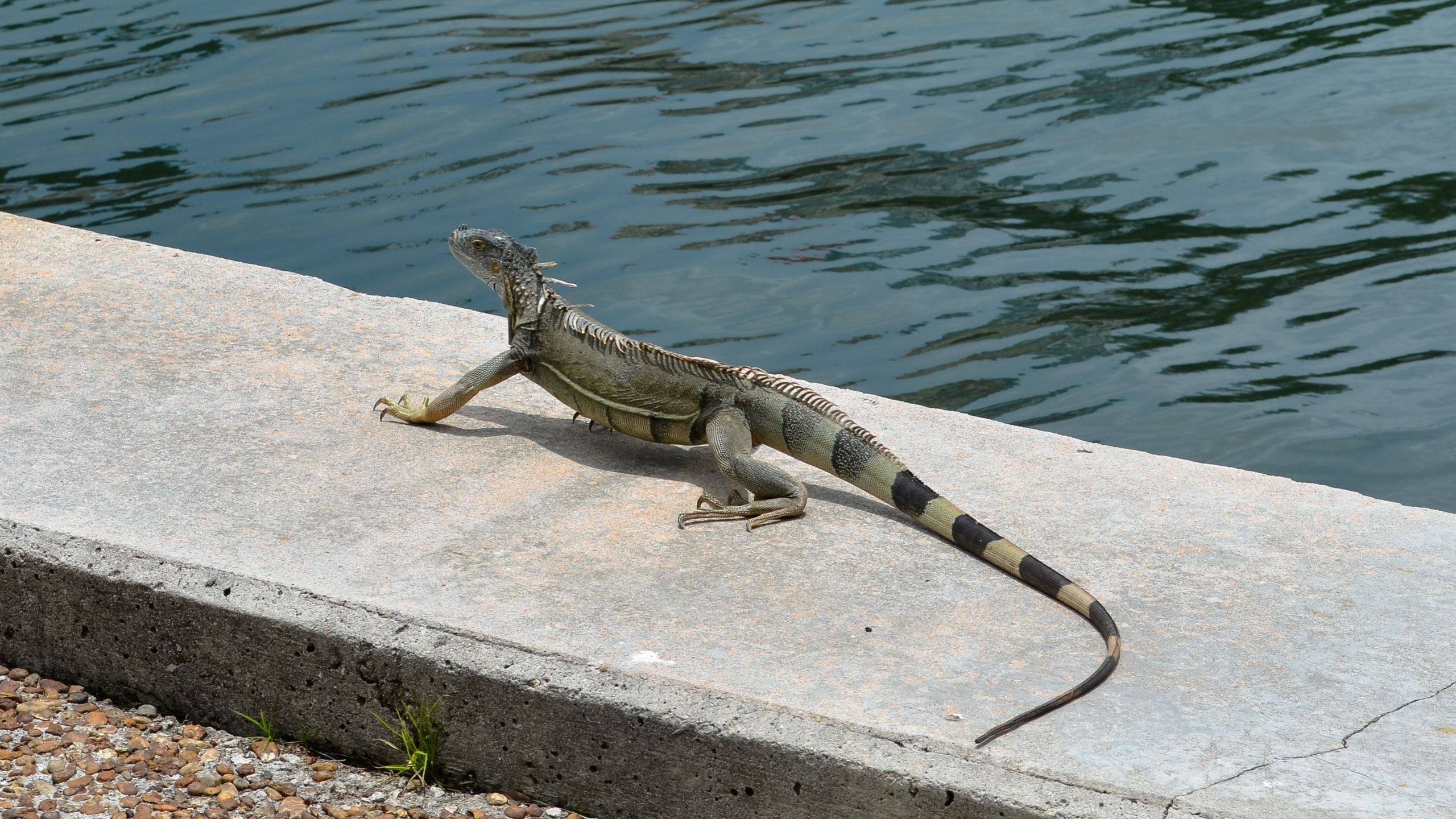
Iguanas have found their niche across [South Florida], transforming from occasional sightings into ubiquitous residents. They are most commonly spotted in urban and suburban environments, drawn to lush landscaping, canals, and proximity to human settlements that offer ample food and basking spots. Cities like [Miami], [Fort Lauderdale], and [West Palm Beach], as well as the sprawling communities throughout [Miami-Dade County] and the idyllic [Florida Keys], are particularly affected. Their preference for waterfront properties and meticulously maintained gardens means they frequently inhabit areas popular with both residents and tourists, including upscale resorts and public parks.
These reptiles are incredibly adaptable. They can climb trees, swim, and dig extensive burrows, often undermining sidewalks, seawalls, and building foundations. Their presence is felt deeply in residential areas, where they can be found lounging by swimming pools, raiding vegetable patches, and even making their way into homes. For visitors staying in various [accommodation] options, from luxury [hotels] to rental villas, it’s not uncommon to spot an iguana sunning itself on a balcony or scurrying through the grounds of a [resort] like the magnificent [The Breakers Palm Beach] or the historic [Boca Raton Resort & Club]. While some might find this adds to the tropical charm, residents understand the underlying issues these creatures pose to the local ecosystem and infrastructure.
Why They’re a Problem: Ecological and Economic Impacts
The sheer volume of green iguanas in [Florida] has led to significant ecological and economic damage. Ecologically, iguanas are voracious herbivores with a broad diet that includes a wide array of native plants, flowers, and fruits, outcompeting native wildlife for food resources. They are known to decimate valuable orchid collections, hibiscus plants, and other ornamental landscaping that contribute to [Florida]’s tropical aesthetic. Beyond plants, iguanas also pose a threat to native animal species, as they are opportunistic omnivores that will consume bird eggs, tree snails, and even young gopher tortoises – a protected native species. This disruption to the delicate food web threatens [Florida]’s unique biodiversity and ecosystem health.
Economically, the damage caused by iguanas is substantial. Their burrowing habits can compromise the structural integrity of seawalls, canal banks, and foundations, leading to costly repairs. They frequently damage power lines and transformers, causing power outages. Agricultural interests, from commercial farms to backyard gardens, suffer significant losses due to iguana foraging. Moreover, their droppings, which are often found in abundance in public spaces, pool decks, and on boats, pose a sanitary nuisance and can carry salmonella bacteria, presenting a public health concern. The cumulative effect of these issues places a significant burden on homeowners, businesses, and local governments, impacting the overall quality of [lifestyle] in affected areas and adding unforeseen costs to maintaining [Florida]’s infrastructure and natural [landmarks].
The Legal Landscape: What Florida Law Says About Iguana Removal
Given the extensive damage and nuisance caused by green iguanas, [Florida] has adopted a proactive stance regarding their control. Unlike many native species, which are protected by strict state and federal laws, green iguanas are classified as an invasive species. This designation dramatically alters the legal framework surrounding their management and removal, empowering residents and property owners to take direct action.
Private Property vs. Public Land: Know Your Rights and Responsibilities
The most crucial aspect of [Florida] law regarding iguanas is the distinction between private and public property. On private property, homeowners and authorized agents have the legal right to remove green iguanas. The Florida Fish and Wildlife Conservation Commission, the state agency responsible for wildlife management, explicitly states that iguanas can be killed on private property year-round without a permit, provided the method is humane and adheres to specific guidelines. This freedom from permitting is a significant departure from regulations governing native wildlife and underscores the severity of the invasive iguana problem.
However, this right comes with responsibilities. While permits aren’t needed, all state and local ordinances must be followed. For example, local anti-cruelty laws still apply, meaning any method of dispatch must be humane. Furthermore, it is illegal to release iguanas back into the wild once they have been captured. This is to prevent their relocation and further spread to unaffected areas. For residents of areas like [Miami-Dade County], it’s also important to be aware of any specific local ordinances that might dictate methods of removal or disposal. The [FWC] encourages residents to actively remove iguanas from their property and warns against feeding them, as this can exacerbate the problem.
Humane Methods and Professional Intervention
When it comes to the act of killing iguanas, the [FWC] recommends specific humane methods to minimize suffering. These include trapping and euthanasia, the use of pellet guns or air rifles in appropriate situations, or dispatching them via a swift, blunt-force trauma to the head, ensuring instantaneous death. The emphasis on humane treatment is paramount, reflecting ethical considerations even for invasive species. Shooting an iguana with a firearm is permissible where it is safe and legal to discharge a firearm, but discharging firearms is often prohibited in residential areas. Therefore, pellet guns or air rifles are often preferred due to their lower power and reduced risk in suburban settings.
For those who are uncomfortable with direct removal or lack the necessary skills, professional iguana removal services are readily available throughout [South Florida]. Companies like [Iguana Removal Service Miami] specialize in humane trapping and removal, offering a safe and effective solution for property owners. These services are particularly beneficial for large properties, commercial businesses, or individuals facing extensive iguana infestations. They understand local regulations, possess specialized equipment, and can handle disposal properly, providing peace of mind to property owners. For tourists, it’s generally best to observe and report any significant iguana problems to hotel management or local authorities rather than attempting personal intervention, as specific local knowledge and tools are often required for safe and effective removal.
Iguanas and the Florida Experience: A Tourist’s Perspective
For millions of visitors who flock to [Florida] annually seeking sun, sand, and unforgettable experiences, encountering an iguana can be an intriguing, if not somewhat jarring, addition to their [travel] itinerary. The presence of these large, colorful lizards often elicits a mix of curiosity, wonder, and sometimes, apprehension. Understanding their role in the [Florida] ecosystem and the local [lifestyle] is key to a seamless and enjoyable vacation.
Encountering Iguanas: What Travelers Should Know
Travelers to [Florida] are most likely to encounter iguanas in specific environments. Hotel and [resort] grounds, particularly those with extensive landscaping and water features, are prime iguana habitats. Visitors might spot them by the pool, near outdoor dining areas, or basking on rocks and trees in gardens. Golf courses are another common sighting area, as are public parks and botanical gardens. While [Everglades National Park] is a famous natural [landmark] in [Florida], iguanas are more prevalent in urban and suburban green spaces rather than deep wilderness, though their range continues to expand.
The key advice for travelers is simple: observe from a distance and do not feed them. While iguanas may appear docile, they are wild animals and can become aggressive if they feel threatened, especially during breeding season. Feeding them also encourages them to associate humans with food, leading to bolder behavior and increased nuisance. Many [hotels] and resorts actively discourage guests from feeding wildlife, including iguanas, to maintain a balanced ecosystem on their properties and ensure guest safety. For those staying in rental [accommodation] or villas, understanding that these creatures are a common part of the [Florida] landscape can help manage expectations. While they may not be as cuddly as a dolphin, they are certainly a unique sight.
Protecting Your Florida Lifestyle and Accommodation
Even for short-term visitors or those enjoying an extended stay in [Florida], iguanas can impact the quality of their experience. For instance, renting a private villa or apartment for a long-term stay might mean dealing with iguanas in your garden or around your patio. In such cases, simple precautions can help: keeping doors and windows closed to prevent them from entering living spaces, and securing outdoor food sources. Many [accommodation] providers, particularly private rentals, will offer guidance on dealing with local wildlife, including iguanas.
[Hotels] and resorts throughout [Florida] have developed their own strategies for managing iguana populations on their premises. This can include specialized landscaping choices (planting species less appealing to iguanas), regular pest control, and even professional iguana removal services to keep numbers in check. Their goal is to ensure that guests can enjoy amenities like outdoor pools and dining without undue disturbance. For instance, the beautiful grounds of [The Breakers Palm Beach] are meticulously maintained, and measures are often in place to discreetly manage wildlife. These efforts are crucial in preserving the luxury [lifestyle] and pristine environment that attracts so many to [Florida]’s top destinations. Therefore, while you may see them, their impact on your vacation experience is often mitigated by the careful management of your chosen [accommodation].Beyond Removal: Long-Term Solutions and Conservation Efforts
While individual removal and control methods are effective in mitigating local iguana populations, addressing the broader issue requires a comprehensive, long-term strategy. The challenge lies in managing an established invasive species across a vast, diverse landscape, balancing immediate concerns with sustainable environmental practices.
Community Initiatives and FWC Guidance
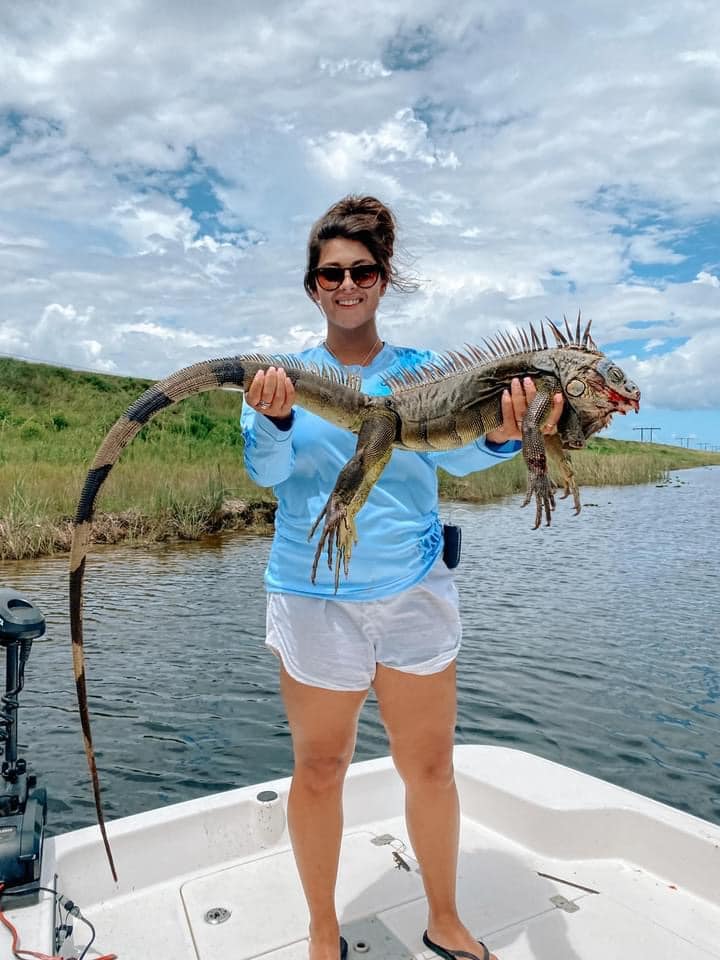
[Florida] communities and governing bodies play a vital role in this ongoing effort. Homeowners associations (HOAs) and community development districts often implement neighborhood-wide iguana management plans, which can include professional trapping services and educational campaigns for residents. These collective efforts are more effective than individual actions alone, especially in interconnected environments like those found around canal systems or shared green spaces.The [FWC] serves as a central resource, providing essential guidance, educational materials, and scientific research to inform best practices. Their website offers detailed information on humane removal techniques, prevention strategies, and updates on regulatory changes. The [FWC] encourages public participation in reporting iguana sightings, which helps track their spread and identify areas needing intervention. Public awareness is key, as understanding the invasive nature of iguanas helps foster responsible behavior, such as not releasing unwanted pets into the wild, which contributes to the problem. By educating both residents and tourists about the environmental stakes, [Florida] aims to foster a collective stewardship approach.
Sustainable Practices for a Greener Florida
Beyond direct removal, promoting sustainable landscaping practices is a critical component of a long-term solution. Planting native [Florida] species that are less palatable to iguanas can make properties less attractive to these reptiles, reducing the need for aggressive intervention. Creating barriers, such as fencing around gardens, and securing potential food sources (e.g., ripe fruit from trees) can also deter iguanas. Such preventative measures not only help manage iguana populations but also contribute to healthier, more resilient [Florida] ecosystems, supporting native wildlife and reducing reliance on chemical deterrents.
The ongoing challenge of managing invasive species like the green iguana underscores the delicate balance of [Florida]’s unique environment. It’s a testament to the state’s commitment to preserving its natural [landmarks] and ensuring its vibrant [tourism] industry continues to thrive responsibly. The efforts to control iguanas are part of a broader conservation strategy aimed at protecting [Florida]’s biodiversity, preserving its natural beauty, and maintaining the quality of [lifestyle] for both human and native animal residents.
In conclusion, the question “Can you kill iguanas in [Florida]?” unequivocally permits their humane removal from private property. This isn’t an act of cruelty but a necessary measure to protect the state’s fragile ecosystems and infrastructure from an overwhelming invasive species. For residents, it’s a right and a responsibility; for visitors, it’s an opportunity to understand a unique aspect of [Florida]’s environmental challenges. As you enjoy the stunning landscapes, diverse attractions, and luxurious [accommodation] options [Florida] has to offer, remember that appreciating its beauty also means understanding its ongoing efforts to preserve its delicate natural balance, ensuring a sustainable and thriving future for this tropical paradise.
LifeOutOfTheBox is a participant in the Amazon Services LLC Associates Program, an affiliate advertising program designed to provide a means for sites to earn advertising fees by advertising and linking to Amazon.com. Amazon, the Amazon logo, AmazonSupply, and the AmazonSupply logo are trademarks of Amazon.com, Inc. or its affiliates. As an Amazon Associate we earn affiliate commissions from qualifying purchases.