
For many travelers and locals alike, the prospect of enjoying a hearty meal at Texas Roadhouse is an appealing one. Known for its hand-cut steaks, legendary margaritas, and lively atmosphere, it’s a popular choice across the United States and beyond. However, one common question frequently arises, particularly for those planning a trip or a special outing: “Can you make a reservation at Texas Roadhouse?”
The straightforward answer is no, not in the traditional sense. Texas Roadhouse does not accept conventional reservations where you book a specific table for a specific time. This operational model is a deliberate choice, central to their strategy of maintaining a vibrant, high-turnover dining environment. Instead of traditional reservations, they utilize a “Call-Ahead Seating” system, which, while not a true reservation, offers a significant advantage to guests looking to minimize their wait time. Understanding this system is crucial for anyone hoping to dine there, especially if you’re traveling and time is a precious commodity.
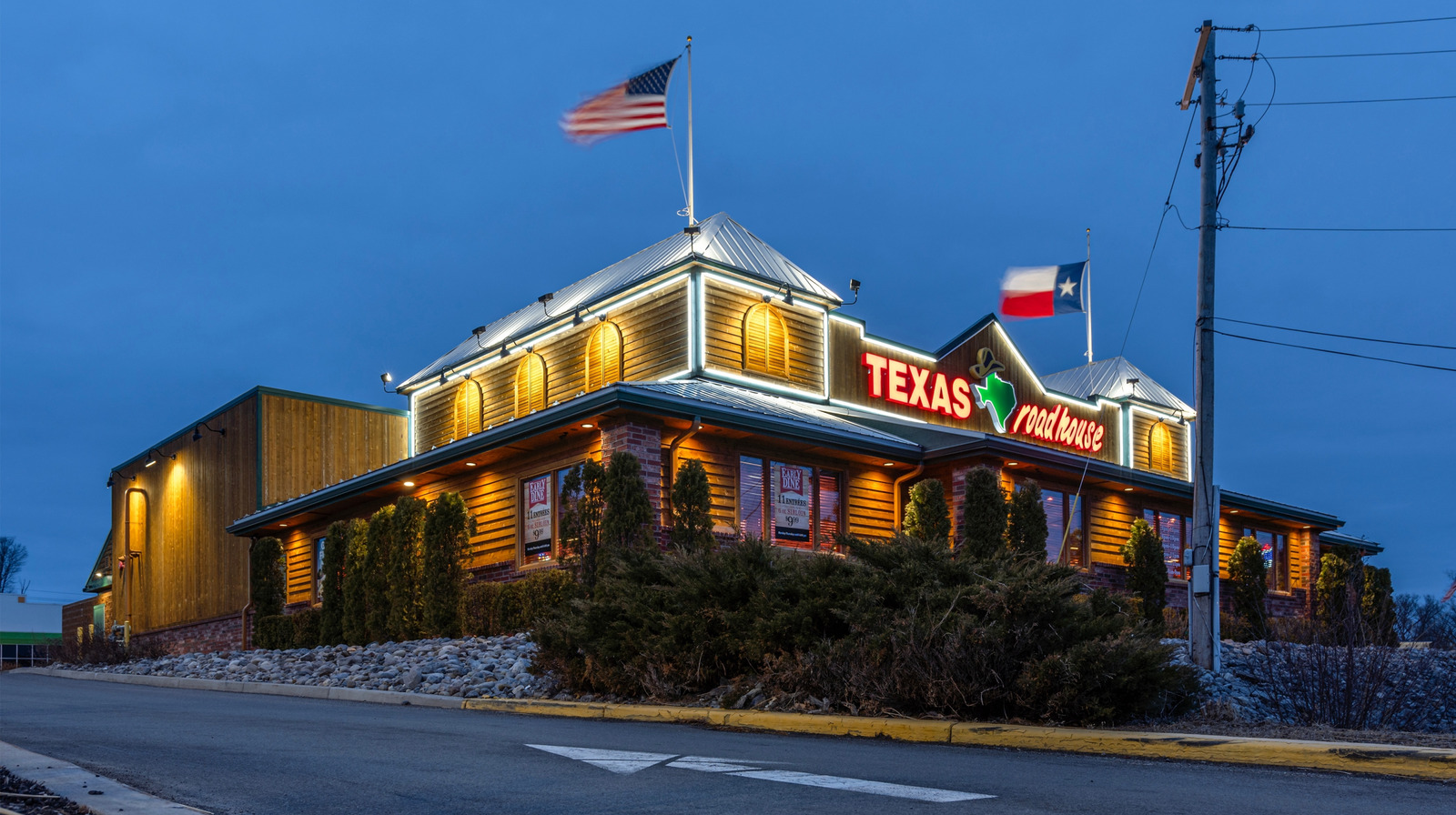
This approach to seating has implications for travelers planning their itineraries, managing expectations when visiting new cities or destinations, and even for understanding the broader landscape of dining options available during a vacation or business trip. From popular tourist attractions to the best hotels and resorts, every aspect of a travel experience requires a degree of planning. Dining, often a highlight of any journey, is no exception. Let’s delve deeper into how Texas Roadhouse manages its seating and what this means for your next meal out.
Understanding Texas Roadhouse’s Seating Policy
The decision by Texas Roadhouse to forgo traditional reservations is a key element of its brand identity and operational efficiency. It’s a system designed to maximize table turnover, reduce idle tables, and create a dynamic, bustling atmosphere that many guests have come to associate with the brand. This approach, while sometimes leading to longer waits during peak hours, also ensures that the dining room consistently feels full and energetic.
The Call-Ahead Seating System Explained
Instead of booking a table days or hours in advance, Texas Roadhouse offers “Call-Ahead Seating.” This system allows guests to add their name to the waitlist before arriving at the restaurant. Essentially, you call your local Texas Roadhouse an hour or two before you plan to arrive, and your party’s name is placed on the waitlist as if you were physically present.
When you arrive, you check in with the host, and your party is typically seated much faster than if you had simply walked in and put your name down then. The wait time you experience upon arrival will depend on how long the waitlist is at that specific moment, but it’s almost always less than the wait for walk-ins during busy periods. This system is particularly beneficial for large groups or families traveling with children, as it can significantly reduce the uncertainty and frustration of waiting in a crowded lobby. It’s also incredibly useful for travelers who might be nearing their destination after a long day of exploring landmarks or attending activities and want to secure a spot without a lengthy delay.
The call-ahead feature can often be accessed via their website or app, providing another layer of convenience. For those exploring tourism in a new city, being able to check wait times or add your name to a list while still out sightseeing offers valuable flexibility. It means you can plan to head straight to the restaurant once you’re done with your city tour or visit to an attraction, minimizing wasted time.
Why No Traditional Reservations?
The decision to opt for call-ahead seating instead of traditional reservations is deeply rooted in Texas Roadhouse’s business model and its commitment to a specific dining experience. Here are some of the key reasons:
- Maximizing Throughput: Traditional reservations can lead to empty tables if guests are late or don’t show up. Call-ahead seating, combined with a first-come, first-served philosophy for those who arrive, ensures that tables are filled quickly and continuously, especially during peak dining hours. This maximizes the number of guests served and improves revenue per hour.
- Casual Dining Experience: Texas Roadhouse prides itself on being a casual, energetic, and welcoming environment. A rigid reservation system might contradict this ethos, making the dining experience feel more formal or exclusive than intended. The call-ahead system maintains a sense of spontaneity while still offering convenience.
- Fairness for All Guests: By not reserving specific tables, the system aims to treat all guests equally. Whether you’re a regular or a first-time visitor from out of town, everyone enters the same waitlist system, either by calling ahead or arriving in person. This prevents situations where prime tables are perpetually booked by a select few.
- Operational Efficiency: Managing a reservation book can be complex, involving tracking no-shows, managing seating times, and dealing with overbookings. A more fluid system like call-ahead seating simplifies front-of-house operations, allowing staff to focus on guest service rather than intricate reservation management.
- Spontaneity and Flexibility: For many, dining out is often a spontaneous decision. The call-ahead system caters to this by allowing guests to decide relatively last minute without being penalized by fully booked reservation slots. This flexibility is especially appreciated by travelers whose schedules might change unexpectedly while exploring a new locale.
Navigating Dining Options While Traveling
Understanding how Texas Roadhouse manages its seating is just one piece of the puzzle when it comes to dining during your travels. Whether you’re embarking on luxury travel or adhering to a budget travel plan, food is an integral part of the experience, offering insights into local culture and providing necessary sustenance for your adventures. The question of reservations versus walk-ins extends far beyond a single restaurant chain.
The Traveler’s Dilemma: Reservations vs. Walk-ins

When exploring new destinations, travelers constantly weigh the benefits of planning versus spontaneity, and this is acutely felt in dining choices.
- Reservations: For high-demand restaurants, particularly those with Michelin stars, fine dining establishments, or popular eateries in major tourist hubs like New York City or Paris, reservations are often essential. Booking a table in advance guarantees your spot, prevents disappointment, and allows you to integrate meal times seamlessly into your travel itinerary. This is particularly important for special occasions, family trips, or business stays where timing is critical. Planning ahead for these types of venues can prevent long waits and ensure you get to experience the restaurants you truly wish to visit.
- Walk-ins: Many casual restaurants, cafes, and local eateries operate on a walk-in basis. This offers immense flexibility, allowing travelers to discover hidden gems spontaneously. It’s perfect for those who prefer to explore a neighborhood, see what catches their eye, and decide on a whim. While this approach can sometimes lead to longer waits, especially in popular areas or during peak hours, it also opens up opportunities for unexpected culinary discoveries. For a quick bite between attractions or a casual dinner after a day of sightseeing, walk-ins are often the most practical choice. The Texas Roadhouse model, with its call-ahead seating, bridges this gap, offering a structured walk-in system.
The best approach often involves a hybrid strategy. Reserve for critical meals or highly sought-after restaurants, and keep room for spontaneous walk-ins for other meals, embracing the unexpected culinary delights that a new place might offer.
Leveraging Technology for Dining
The digital age has revolutionized how travelers approach dining. A plethora of apps and online platforms have emerged to assist with everything from finding restaurants to making bookings and navigating waitlists.
- Online Reservation Platforms: Websites and apps like OpenTable, Resy, and Tock have become indispensable tools for making traditional reservations. They allow users to search for restaurants by cuisine, location, and availability, often displaying real-time booking slots. For international travel, many global cities have their own localized versions of these platforms, making it easier to secure a table in a foreign country.
- Waitlist Apps: Beyond traditional reservations, many restaurants, including chains that operate on a similar model to Texas Roadhouse, use digital waitlist systems. Apps like Yelp Waitlist or individual restaurant apps allow you to view current wait times, add your name to a virtual queue from afar, and receive text notifications when your table is ready. This is an incredible boon for tourism, allowing you to continue exploring or relaxing at your hotel suite until it’s almost time to be seated.
- Review Sites and Guides: Platforms like TripAdvisor, Yelp, and local food blogs are invaluable for discovering dining options, reading reviews, and getting a sense of a restaurant’s ambiance and popularity. These resources are crucial for developing your travel guides for dining. They can help you identify whether a restaurant typically requires reservations, has a long wait, or is more conducive to walk-ins.
Integrating these technological tools into your travel planning can vastly improve your dining experiences, reducing stress and maximizing the enjoyment of your meals, whether you’re seeking a specific culinary experience or simply a convenient place to eat.
Strategic Dining for the Modern Explorer
For the modern explorer, dining is more than just sustenance; it’s an integral part of the travel experience. It’s about immersion, discovery, and creating lasting memories. Thoughtful planning, even for casual meals, can significantly enhance your journey.
Planning Meals Around Your Itinerary
When designing your travel plans, it’s wise to consider your meal times in conjunction with your activities and attractions.
- Proximity to Attractions: After visiting a famous landmark or museum, having a list of nearby dining options, whether reserved or walk-in friendly, can save time and energy. Knowing that a Texas Roadhouse with its call-ahead seating is just a short drive from your last destination allows for smooth transitions.
- Peak vs. Off-Peak Dining: Adjusting your meal times slightly can often mean the difference between a long wait and immediate seating. Dining earlier or later than the typical lunch or dinner rush can be a smart strategy, especially for popular places that don’t take reservations. This is particularly relevant in tourist-heavy areas where restaurants fill up quickly.
- Flexibility within a Structure: While a detailed itinerary is good, build in some flexibility. Perhaps you have reservations for dinner on Friday, but Saturday’s lunch is left open for a spontaneous discovery. This balance allows you to enjoy planned experiences without feeling overly constrained. For accommodations that offer kitchenettes or villas, consider cooking some meals to save on dining out, freeing up your budget for a few splurge meals.
- Fueling Your Adventures: Active travel experiences, such as hiking through national parks or extensive city tours, require proper fueling. Planning hearty breakfasts or substantial lunches can ensure you have the energy to enjoy your day fully.
Beyond Chain Restaurants: Exploring Local Cuisine
While a familiar comfort like Texas Roadhouse can be a welcome sight, especially after a long day of travel, embracing local cuisine is often a highlight of any trip. Food is a direct window into the culture, history, and people of a place.
- Seek Out Authenticity: Look for restaurants frequented by locals. Ask your hotel concierge, apartment host, or even local shopkeepers for recommendations. These often lead to the most authentic and memorable dining experiences, from street food stalls to cozy family-run bistros.
- Food Tours and Cooking Classes: For a deeper dive into local food, consider booking a food tour. These guided experiences allow you to sample a variety of local specialties and learn about their origins. Cooking classes offer an even more immersive experience, teaching you how to prepare traditional dishes yourself, a fantastic souvenir to take home from your journey.
- Farmers’ Markets and Local Delis: Visiting local markets is an excellent way to experience the fresh produce and unique ingredients of a region. You can often find ready-to-eat meals, local cheeses, baked goods, and other delicacies perfect for a picnic or a casual meal at your villa or suite. This is a prime example of how tourism can intertwine with lifestyle choices while abroad.
- Embrace the Unknown: Sometimes the best meals are found by simply wandering and letting your senses guide you. Follow enticing aromas, observe where locals are congregating, or step into a restaurant that simply looks inviting. These spontaneous choices often lead to the most surprising and delightful discoveries, adding a layer of adventure to your gastronomic travels.
In conclusion, while you can’t make a traditional reservation at Texas Roadhouse, their call-ahead seating system offers a practical solution for minimizing wait times. This understanding, combined with a broader strategy for dining while traveling—balancing planned reservations with spontaneous walk-ins and leveraging modern technology—empowers every explorer to enjoy a rich and flavorful journey. Whether you’re seeking the familiar comfort of a chain restaurant or the adventurous flavors of local cuisine, thoughtful planning will ensure your dining experiences are as rewarding as your other travel adventures.
LifeOutOfTheBox is a participant in the Amazon Services LLC Associates Program, an affiliate advertising program designed to provide a means for sites to earn advertising fees by advertising and linking to Amazon.com. Amazon, the Amazon logo, AmazonSupply, and the AmazonSupply logo are trademarks of Amazon.com, Inc. or its affiliates. As an Amazon Associate we earn affiliate commissions from qualifying purchases.