
While the allure of New York often conjures images of glittering skylines, world-class museums, and the vibrant pulse of urban life, the question of firearm ownership within the state adds another layer to its multifaceted identity. For travelers and residents alike, understanding the legal landscape surrounding gun ownership in New York is crucial. This exploration delves into the complexities of New York‘s gun laws, their historical context, and how they intersect with various aspects of lifestyle and travel, particularly for those who might consider bringing firearms into the state or are simply curious about its regulations.

The narrative of gun ownership in New York is deeply intertwined with the state’s progressive stance on gun control, often placing it at the forefront of national debates. This means that compared to many other states in the United States, New York maintains some of the strictest regulations. Navigating these laws requires a nuanced understanding, extending beyond a simple “yes” or “no” to a detailed examination of permits, types of firearms, and specific locations where possession is restricted.
Understanding New York’s Stance on Firearm Ownership
New York‘s approach to gun ownership is characterized by a comprehensive regulatory framework designed to enhance public safety. This framework is not monolithic; it varies significantly between the metropolitan density of New York City and the more rural expanses of upstate New York. Generally, acquiring and possessing a firearm in New York is a privilege that requires adherence to stringent licensing and registration procedures, rather than an inherent right that can be exercised without oversight.
Licensing and Registration: The Gatekeepers of Firearm Ownership
The cornerstone of New York‘s gun control laws is the licensing requirement. Unlike some states where carrying a concealed weapon might be permissible with minimal background checks, New York mandates a thorough vetting process for any individual seeking to own or carry a handgun. This process involves a detailed application, interviews, background checks that scrutinize criminal history and mental health records, and often requires references. The intent is to ensure that only responsible and law-abiding citizens are granted the privilege of firearm ownership.
For handguns, New York utilizes a “may-issue” licensing system. This means that law enforcement agencies have the discretion to grant or deny a license based on the applicant’s “proper cause.” This subjective standard has been a point of contention, with advocates for gun rights arguing it can lead to arbitrary denials. However, proponents of the law maintain it is essential for controlling who has access to handguns in densely populated areas.
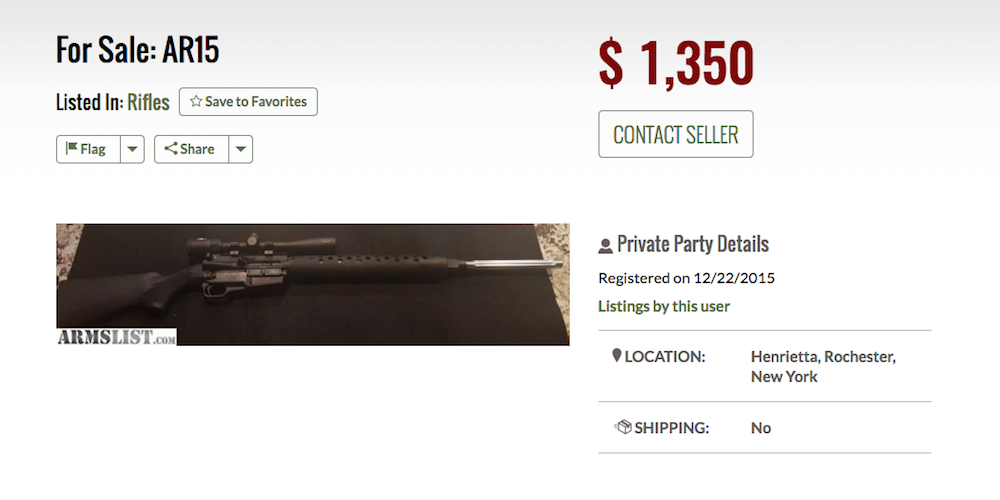
Rifles and shotguns, while generally subject to fewer restrictions than handguns, still have their own set of rules. While a license is not required to possess a rifle or shotgun, they must be registered with the state’s New York State Police. Furthermore, there are specific prohibitions on certain types of rifles and shotguns, particularly those deemed “assault weapons,” which are defined by a set of features. The SAFE Act (Secure Ammunition and Firearms Enforcement Act), enacted in 2013, significantly expanded the definition of assault weapons and imposed new regulations on firearm sales and ownership.
Types of Firearms and Prohibited Weapons
The types of firearms permitted for ownership in New York are also subject to regulation. As mentioned, “assault weapons” are heavily restricted. These are often defined by characteristics such as detachable magazines, pistol grips, and folding stocks. The SAFE Act also introduced a ban on magazines that hold more than ten rounds of ammunition, further limiting the capacity of firearms that can be legally owned.
Beyond assault weapons, New York also prohibits other categories of firearms. This includes any firearm that is not a “non-wastrel rifle” or a “non-wastrel shotgun,” which essentially refers to firearms that do not meet specific criteria for hunting or sporting purposes. There are also restrictions on the possession of certain ammunition types.
For individuals traveling to New York with firearms, the legal landscape becomes even more complex. Federal law, such as the Firearm Owners’ Protection Act (FOPA), allows for the transport of unloaded firearms through a state where such possession is illegal, provided they are unloaded and securely stored, and the travel is continuous. However, New York‘s state laws are so restrictive that even complying with FOPA might not be sufficient to avoid legal entanglements if the firearm is brought into New York City without the proper permits. New York City, in particular, has some of the most stringent gun laws in the nation, often requiring separate licenses for ownership and possession, and imposing significant restrictions on what types of firearms are allowed.
The Interplay of Gun Laws and Lifestyle in New York
Understanding New York‘s gun laws has implications that extend beyond mere legality, influencing lifestyle choices, travel plans, and even how one experiences the state’s diverse offerings. For those who value firearm ownership as part of their lifestyle, New York presents significant challenges.
Travel and Accommodation: Navigating Restrictions
For visitors planning a trip to New York, whether for leisure or business, the presence of firearms is a critical consideration. Hotels, resorts, and other accommodations in New York generally do not permit firearms on their premises, especially handguns, unless the guest possesses a valid New York State pistol license. Even then, policies may vary, and it is always advisable to check with the establishment directly. Attempting to bring a firearm into a hotel room in New York without proper authorization can lead to serious legal consequences, including arrest and confiscation of the weapon.
This restriction significantly impacts individuals who might, for instance, be traveling from a more permissive state where they legally own and carry a handgun. The idea of a luxury travel experience or a comfortable long-term stay can be complicated by the need to secure firearms elsewhere or to undergo the lengthy process of obtaining a New York license, which is often impractical for short visits.
Tourism and Activities: Restricted Engagement
The restrictive nature of gun laws in New York also influences the types of tourism and activities available to firearm owners. While New York boasts a wealth of attractions, from the iconic Statue of Liberty and Times Square to the serene beauty of the Adirondack Mountains and the historical significance of Niagara Falls, engagement with these can be curtailed if one is unable to legally possess a firearm.
Outdoor activities like hunting, which are popular in many parts of New York, are governed by strict regulations enforced by the New York State Department of Environmental Conservation. While hunting rifles and shotguns are permitted for this specific purpose, they must be used in accordance with hunting seasons and regulations, and transported safely and legally. The emphasis is always on safety and responsible use.
For those interested in the lifestyle aspects of New York, such as exploring its renowned culinary scene, visiting its numerous landmarks, or immersing themselves in local culture, the presence or absence of firearm regulations is a background element that shapes the overall experience. It underscores the state’s commitment to public safety and its deliberate approach to managing potential risks.
The Broader Implications and Legal Landscape
The gun laws in New York are not static; they are subject to ongoing legal challenges and legislative debates. The balance between individual rights and public safety is a constant point of discussion, and court rulings can influence the interpretation and enforcement of these laws.
The SAFE Act and Its Impact
The Secure Ammunition and Firearms Enforcement Act (SAFE Act), signed into law in 2013, represents one of the most significant legislative efforts to enhance gun control in New York. It introduced a wide range of provisions, including the ban on assault weapons and high-capacity magazines, expanded the definition of assault weapons, mandated the registration of all assault weapons, and established a registry for all firearms. The act also included provisions for mental health reporting and red flag laws, allowing temporary removal of firearms from individuals deemed a danger to themselves or others.
The implementation of the SAFE Act faced considerable opposition from gun rights advocates and led to numerous legal challenges. While some provisions have been upheld, others have been modified or are still under review. The ongoing legal battles highlight the contentious nature of gun control in New York and the United States at large.

Comparing with Other Jurisdictions
When considering firearm ownership in New York, it’s beneficial to compare its regulations with other states and countries. New York‘s laws are among the most restrictive in the United States, particularly when contrasted with states that have “constitutional carry” or more permissive “shall-issue” licensing systems for concealed carry. For example, states like Texas or Arizona have significantly different approaches to gun ownership. Similarly, when looking internationally, countries like Canada or the United Kingdom have even more stringent gun control measures. New York‘s legal framework can be seen as an attempt to strike a balance between the Second Amendment rights recognized in the United States and the unique public safety concerns of a densely populated state with a global center of commerce and culture.
In conclusion, the question of “Can You Own A Gun In New York?” is met with a resounding “yes, but…” The answer is complex and contingent on a multitude of factors, primarily involving stringent licensing, registration, and adherence to specific regulations concerning firearm types and locations. For residents, it is a path that requires significant commitment and compliance. For visitors, it is a landscape fraught with potential pitfalls, demanding meticulous research and adherence to New York‘s specific laws to avoid legal entanglements. The state’s approach reflects a deliberate policy choice to prioritize public safety, shaping the experiences of all who live in or visit the Empire State.