
Crater Lake, nestled in the heart of Oregon’s Cascades Range, stands as a breathtaking testament to nature’s raw power and enduring beauty. Known for its intense blue waters and dramatic caldera rim, it’s a destination that captivates travelers from around the globe. As visitors gaze upon its pristine surface, a common question arises: can you swim in this iconic body of water? The answer, surprisingly, is yes – but with very specific caveats that make the experience truly unique and deeply connected to the lake’s conservation.
Swimming in Crater Lake is not merely an activity; it’s an immersive experience into one of the purest and deepest lakes in the world, shrouded in a sense of reverence for its natural grandeur. This guide delves into the regulations, practicalities, and profound beauty of taking a dip in Crater Lake, along with exploring the myriad other attractions that make Crater Lake National Park an unforgettable destination for any travel enthusiast. Whether you’re a nature lover, an adventure seeker, or simply someone looking for a unique travel experience, understanding the nuances of visiting this United States landmark is key to a rewarding journey.

The Answer Unveiled: Swimming in Crater Lake
Yes, you absolutely can swim in Crater Lake, but it’s an experience that comes with a specific set of guidelines designed to protect its pristine ecosystem and ensure visitor safety. Unlike many other lakes where access is widespread, swimming in Crater Lake is a carefully controlled privilege. This restriction enhances the sense of adventure and exclusivity for those who undertake it, transforming a simple swim into a memorable expedition.
Regulations and Restrictions
To maintain the unparalleled clarity and purity of Crater Lake, swimming is only permitted at one designated location: the base of the Cleetwood Cove Trail. This isn’t a casual stroll to the water’s edge. The National Park Service enforces strict rules to minimize human impact on the delicate aquatic environment. Visitors are prohibited from jumping into the lake from anywhere along the caldera rim, and unauthorized access points are strictly forbidden. These regulations are paramount to preventing the introduction of invasive species, minimizing erosion, and preserving the lake’s unique chemical balance, which has remained virtually unchanged for centuries.
The Cleetwood Cove Experience
The journey to the water at Cleetwood Cove is an adventure in itself. The Cleetwood Cove Trail is the only legal access point to the lake’s surface. This strenuous trail descends 700 feet over 1.1 miles, switchbacking through old-growth forest to reach the shore. The hike down is steep but manageable for most individuals with moderate fitness levels. However, the return journey, climbing 700 feet back up, is significantly more challenging, especially at the park’s high elevation (the rim sits at over 7,000 feet).
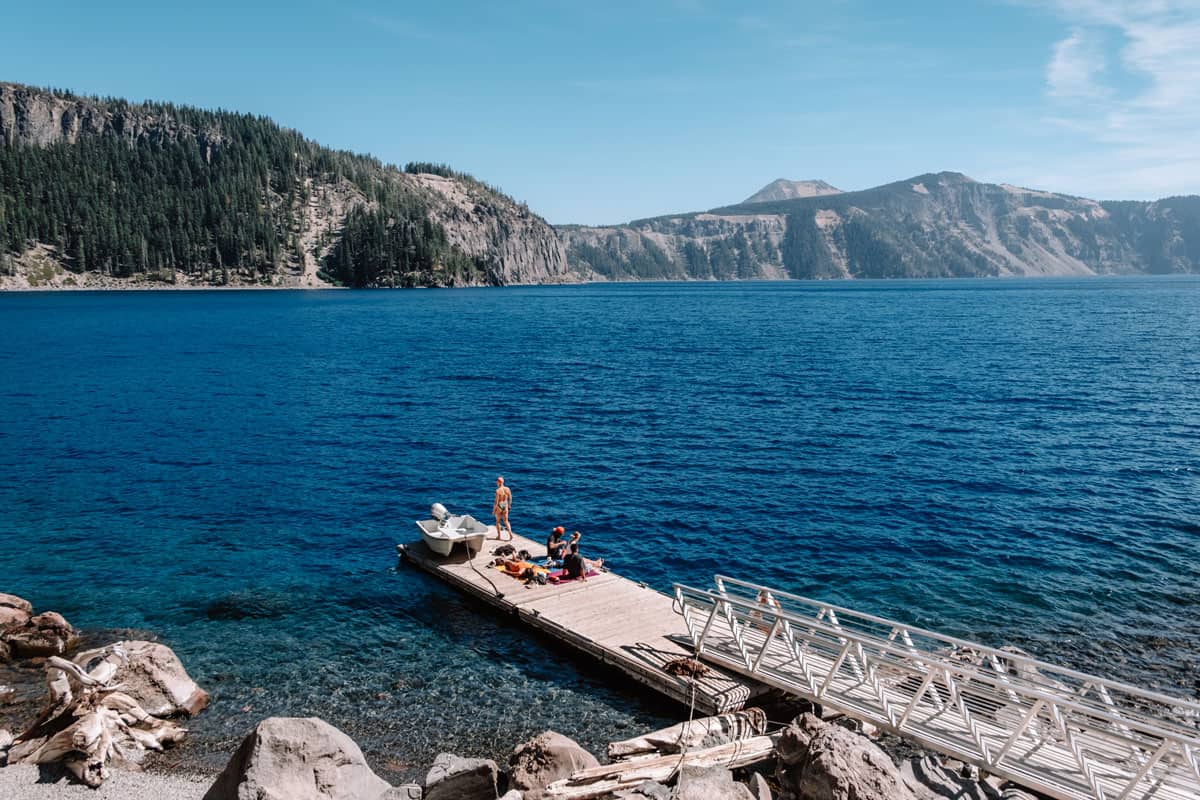
Once you reach the bottom, you’ll find a small rocky beach and a dock where boat tours depart. It’s from this dock that visitors can enter the legendary waters of Crater Lake. The water temperature typically hovers around 55-60°F (12-15°C) in late summer, making it a refreshingly brisk experience, even on the warmest days. There are no lifeguards on duty, so swimming is at your own risk. The sheer depth of the lake (1,943 feet at its deepest point) contributes to its intensely cold temperature, even at the surface. For many, the sensation of plunging into the lake’s pristine, cold embrace is an invigorating highlight of their visit, a profound connection to this natural wonder.
Safety and Environmental Considerations
While the opportunity to swim is exhilarating, safety should always be the top priority. The cold water can quickly lead to hypothermia, so it’s advisable to swim for short durations and have warm clothes ready. The lack of lifeguards means personal responsibility is key. It’s also crucial to remember that you are in a wilderness area; wildlife encounters, though rare at the lake’s edge, are possible.
Environmentally, visitors are asked to “leave no trace.” This means no soaps, shampoos, or other chemicals should enter the lake. All trash must be packed out, and care should be taken not to disturb the natural environment. The goal is to ensure that Crater Lake remains pristine for future generations to enjoy. The commitment to these rules is a small price to pay for the privilege of experiencing one of the world’s most beautiful and untouched freshwater lakes.
Beyond the Swim: Exploring Crater Lake National Park’s Wonders
Crater Lake National Park offers far more than just the opportunity for a unique swim. As a premier destination in the Pacific Northwest, it’s a treasure trove of natural beauty, geological marvels, and outdoor activities catering to every type of traveler. From its dramatic formation to its vibrant ecosystems, the park provides a rich tapestry of experiences that extend well beyond the lake’s surface.
The Geological Marvel: Formation and Characteristics
Crater Lake owes its existence to a catastrophic volcanic eruption approximately 7,700 years ago. Mount Mazama, a once-towering volcano, collapsed into itself after expelling a massive amount of ash and pumice, forming the caldera that eventually filled with rain and snowmelt to create the lake we see today. This dramatic origin story makes Crater Lake not just a beautiful body of water, but a living geology lesson.
Its depth, 1,943 feet (592 meters), makes it the deepest lake in the United States and the ninth deepest in the world. What truly sets Crater Lake apart, however, is its astonishing clarity and brilliant blue color. Fed solely by precipitation, with no inlets or outlets, the water is incredibly pure, allowing sunlight to penetrate deep into its depths, scattering blue light and creating the lake’s iconic sapphire hue. This natural phenomenon, combined with its dramatic caldera walls rising up to 2,000 feet above the water, establishes Crater Lake as an unparalleled natural landmark.
Scenic Drives and Overlooks
For those seeking panoramic views without strenuous hiking, the 33-mile Rim Drive encircling Crater Lake is an absolute must-do. Typically open from July through October, weather permitting, this scenic byway offers more than 30 pull-outs and overlooks, each providing a unique perspective of the lake and its surrounding landscape. Highlights include:
- Watchman Peak Observation Station: A short, steep hike leads to a historic fire lookout with unparalleled views of Wizard Island and the vast expanse of the lake.
- Wizard Island Overlook: Offers iconic views of the cinder cone island, a volcano within a volcano, perfectly framed by the caldera walls.
- Phantom Ship Overlook: Provides a glimpse of another smaller island, a jagged rock formation that, especially in fog, resembles a ghost ship sailing on the lake.
These viewpoints are perfect for photography enthusiasts and offer accessible ways for all visitors to appreciate the grandeur of the park. They also serve as fantastic spots for a picnic lunch, soaking in the serene beauty.
Hiking and Outdoor Adventures
Beyond swimming, Crater Lake National Park is a hiker’s paradise, offering trails ranging from easy strolls to challenging ascents.
- Garfield Peak Trail: A moderately strenuous 3.4-mile roundtrip hike from Crater Lake Lodge that rewards hikers with spectacular views from Garfield Peak (8,054 feet).
- Pinnacles Trail: An easy 0.8-mile roundtrip walk through a forest to view volcanic spires, offering a different geological perspective of the park’s history.
- Discovery Point Trail: A relatively flat and easy 2.2-mile roundtrip walk along the rim, providing continuous lake views.
In winter, when much of the park is blanketed in deep snow, it transforms into a wonderland for snowshoeing and cross-country skiing, offering a serene and solitary experience amidst breathtaking scenery. Ranger-led snowshoe walks are often available, providing insights into the park’s winter ecology.
Boat Tours and Fishing
For an even closer look at the lake, boat tours are available from the Cleetwood Cove dock during the summer months. These ranger-led tours provide fascinating insights into the lake’s geology, ecology, and history, circumnavigating the lake and offering unique perspectives on its islands and caldera walls. Some tours even offer the option to disembark on Wizard Island for a short hike to its summit.
Fishing is also permitted in Crater Lake with no license required, as the fish (rainbow trout and kokanee salmon) are non-native species introduced decades ago. The goal is to reduce their population to help restore the lake’s natural ecosystem, so anglers are encouraged to keep all fish caught. This provides another unique recreational activity that aligns with the park’s conservation efforts.
Planning Your Crater Lake Adventure: Practical Tips and Accommodation
A trip to Crater Lake National Park requires thoughtful planning to maximize the experience, especially given its remote location and unique climate. Understanding the best time to visit, where to stay, and what to pack are crucial elements for a smooth and enjoyable journey to this majestic landmark.
Best Time to Visit
The prime season for visiting Crater Lake is typically July through September. During these months, the weather is generally mild, snow has melted, and all park roads and facilities, including the Rim Drive and Cleetwood Cove Trail, are usually open. This is also when boat tours operate, offering unparalleled access to the lake’s surface.
- Summer (July-September): Ideal for all activities, but also the busiest. Expect crowds, especially on weekends.
- Fall (October): Fewer crowds, crisp air, and the possibility of early snow. Some services may begin to close.
- Winter (November-May): The park transforms into a snowy wonderland. The Rim Drive is mostly closed, but the park remains open for snowshoeing and cross-country skiing. Access is primarily from the south entrance.
- Spring (May-June): Snowmelt is still ongoing, and many roads might still be closed. Check conditions before visiting.
Always check the official Crater Lake National Park website for current road conditions, trail closures, and facility operating hours, as these can change rapidly due to weather.
Where to Stay: Accommodation Options
Accommodation options near Crater Lake range from historic lodges within the park to hotels and vacation rentals in nearby towns. Booking well in advance is highly recommended, especially during peak season, as options are limited.
Inside the Park:
- Crater Lake Lodge: A historic landmark in itself, the lodge offers comfortable rooms with unparalleled views of the lake. It’s a premium experience, often requiring bookings a year or more in advance. The lodge features a dining room serving breakfast, lunch, and dinner.
- Mazama Village Campground: Located 7 miles south of the rim, this campground offers tent and RV sites. It’s a popular choice for budget-conscious travelers and those who enjoy camping. Reservations are essential.
- Mazama Village Cabins: A more rustic alternative to the lodge, these cabins offer basic amenities for a comfortable stay within the park, also requiring advance booking.
Outside the Park:
If you can’t secure accommodation within the park or prefer more options, several towns within a 1-2 hour drive offer a range of hotels, motels, suites, and vacation rentals.
- Klamath Falls (60 miles south): The largest nearby city, offering a wide array of hotels, restaurants, and amenities. It’s a good base for exploring the wider Klamath Basin.
- Medford (80 miles west): Another larger city with an airport, extensive lodging options, and dining. It’s a convenient hub if you’re flying into the region.
- Ashland (80 miles southwest): Famous for its Oregon Shakespeare Festival, Ashland offers charming boutique hotels, bed & breakfasts, and a vibrant cultural scene, making it an excellent choice for combining nature with cultural experiences.
When choosing accommodation, consider your itinerary, budget, and preferred travel style (e.g., luxury resorts versus family-friendly apartments).
Essential Packing List and Safety
Given the park’s elevation and unpredictable mountain weather, packing strategically is essential.
- Layers of Clothing: Temperatures can fluctuate dramatically, even in summer. Bring moisture-wicking base layers, insulation (fleece or down), and a waterproof/windproof outer shell.
- Sturdy Hiking Shoes: Essential for navigating trails, especially the Cleetwood Cove Trail.
- Sun Protection: Sunscreen, sunglasses, and a wide-brimmed hat are crucial due to the high altitude.
- Water and Snacks: Stay hydrated, especially when hiking. There are limited places to purchase food and drinks within the park, so pack plenty.
- First-Aid Kit: For minor scrapes or blisters.
- Maps and Navigation: Cell service can be spotty; download offline maps or bring physical ones.
- Binoculars: For spotting wildlife or details across the lake.
Safety considerations include being aware of potential altitude sickness, staying on marked trails, and giving wildlife plenty of space. Inform someone of your hiking plans, especially if venturing onto longer trails.
Crater Lake for Every Lifestyle: Budget to Luxury
Crater Lake National Park is a destination that truly accommodates a wide range of travel styles and budgets. Whether you’re a seasoned backpacker looking for an affordable adventure or a traveler seeking a luxurious escape amidst nature, the park and its surrounding areas offer tailored experiences. This versatility makes it an ideal choice for various types of trips, from solo explorations to memorable family vacations.
Budget-Friendly Travel
For the budget-conscious traveler, Crater Lake can be an incredibly rewarding destination without breaking the bank.
- Camping: Staying at Mazama Village Campground or one of the dispersed camping areas outside the park (with proper permits and adherence to regulations) significantly reduces accommodation costs.
- Picnicking: Pack your own meals and enjoy them at one of the many scenic overlooks along the Rim Drive. This not only saves money but also enhances the experience with breathtaking views.
- Self-Guided Exploration: The park’s main attractions – the Rim Drive, many hiking trails, and the Cleetwood Cove Trail for swimming – are accessible with the park entrance fee. Utilize free ranger programs to learn more about the park’s natural and cultural history.
- Off-Peak Visits: Traveling during the shoulder seasons (late spring or early fall) can sometimes offer reduced rates on lodging outside the park and fewer crowds, providing a more serene and cost-effective experience.
Luxury Experiences
If you’re seeking a more indulgent visit, Crater Lake can also provide a touch of luxury.
- Crater Lake Lodge: Staying at this historic lodge offers not just comfort and amenities, but also an unparalleled front-row seat to the lake’s grandeur. Imagine waking up to a Crater Lake sunrise right outside your window.
- Gourmet Dining: While dining options within the park are limited to casual fare, nearby towns like Ashland boast an impressive array of fine dining restaurants. After a day of exploration, retreat to Ashland for a culinary experience paired with local Oregon wines.
- Guided Tours: Opt for private guided tours of the park, which can offer personalized itineraries, in-depth knowledge, and seamless transportation, allowing you to relax and fully immerse yourself in the experience without worrying about logistics.
- Premium Stays: Consider booking a luxury vacation rental or a suite in Medford or Klamath Falls that offers spa services or other high-end amenities, providing a comfortable retreat after a day of adventure.
Family Adventures and Solo Journeys
Crater Lake’s diverse offerings make it perfect for various traveler demographics.
- Family Trips: The park is wonderfully family-friendly, with easy trails, ranger programs designed for children (Junior Ranger program), and the sheer awe of the lake itself keeping young ones engaged. The boat tour to Wizard Island can be a highlight for many families. However, parents should be mindful of the strenuous nature of the Cleetwood Cove Trail for younger children and supervise them closely near the lake’s cold waters.
- Solo Journeys: For those seeking solitude and introspection, Crater Lake offers tranquil beauty and ample opportunities for quiet contemplation. Winter visits, in particular, provide a profound sense of peace and isolation. The numerous hiking trails cater to varying levels of adventure, allowing solo travelers to explore at their own pace.

Whether you’re embarking on a luxurious getaway, a budget-conscious road trip, a memorable family vacation, or a reflective solo adventure, Crater Lake National Park provides a stunning backdrop and a wealth of experiences designed to create lasting memories. Its natural splendor, combined with the unique opportunity to swim in its glacial waters, solidifies its status as a must-visit destination.
In conclusion, swimming in Crater Lake is indeed possible, offering a refreshingly unique experience at the end of a challenging descent. But beyond the invigorating dip, the entire Crater Lake National Park is a testament to natural wonder, inviting visitors to explore its dramatic landscapes, learn about its geological history, and embark on countless adventures. From scenic drives and invigorating hikes to serene boat tours and diverse accommodation choices, Crater Lake stands as a beacon for tourism, travel, and unforgettable experiences in Oregon’s majestic wilderness. It is a landmark that promises not just a destination, but a journey into the heart of untouched beauty.