
Hawaii, a tropical paradise renowned for its stunning beaches and vibrant marine life, often inspires visitors to collect mementos of their unforgettable journeys. The allure of a smooth, sun-bleached shell, a perfect reminder of an afternoon spent on the golden sands of Waikiki Beach or the black sand shores of Punaluʻu Beach, is undeniable. However, before you scoop up that treasure, it’s crucial to understand the regulations surrounding the collection of natural souvenirs from the Aloha State. The question of whether you can take shells from Hawaii isn’t a simple yes or no; it’s a nuanced issue deeply rooted in conservation efforts and respect for the delicate Hawaiian ecosystem.
Understanding the Rules: Why Shell Collecting is Restricted in Hawaii
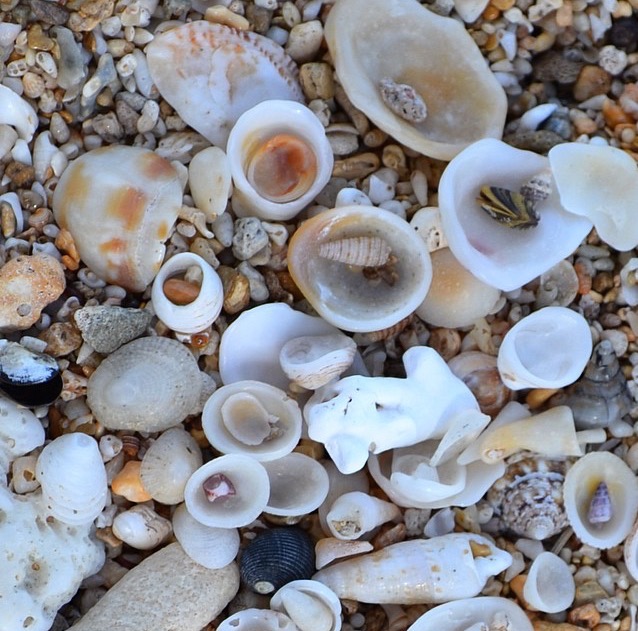
The pristine beauty of Hawaii’s natural environment is a significant draw for tourists, contributing immensely to its thriving tourism industry. From the towering ʻIao Valley on Maui to the dramatic cliffs of the Na Pali Coast on Kauai, the islands offer breathtaking landscapes and unique ecological treasures. Among these treasures are the countless shells that wash ashore, each a tiny testament to the ocean’s bounty. However, a seemingly innocent act of taking a few shells can have a cumulative negative impact on the environment.
The Ecological Impact of Shell Removal
Shells are not just pretty trinkets; they play a vital role in the Hawaiian ecosystem. They provide habitats for small marine creatures, contribute to the formation and maintenance of beaches by breaking down into sand, and are an integral part of the marine food web. Removing large quantities of shells can disrupt these natural processes.
- Habitat Destruction: Many small organisms, such as hermit crabs, rely on empty shells for protection. When shells are removed, these creatures lose their homes, making them vulnerable to predators and environmental stressors.
- Beach Erosion: Over time, shells break down and form a significant component of beach sand. Removing shells can accelerate beach erosion, impacting the coastline and the habitats of various shorebirds and other wildlife.
- Nutrient Cycling: Decomposing shells contribute essential nutrients to the marine environment, supporting the growth of algae and other organisms that form the base of the food chain.
Furthermore, some shells may contain living organisms or be part of a protected species’ life cycle. Ignorantly collecting these can lead to unintended harm to endangered or threatened marine life.
Legal Framework and Regulations
Hawaii, like many island destinations, has strict laws in place to protect its natural resources. These laws are enforced to preserve the delicate balance of its ecosystems for future generations.
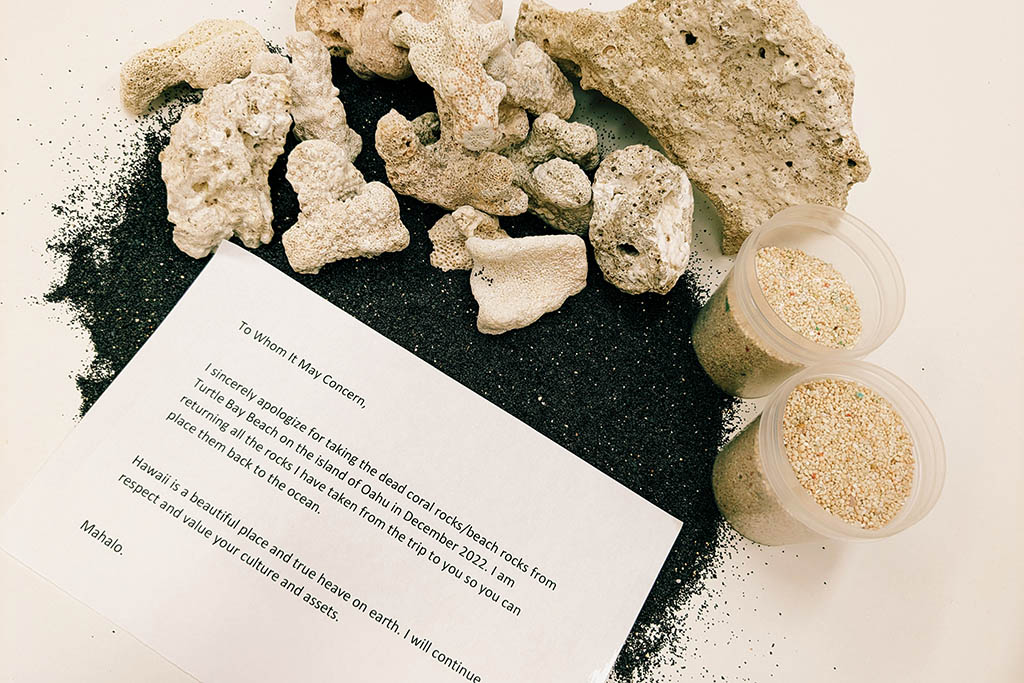
- State Laws: The Hawaiian Islands are governed by state laws that prohibit the removal of any natural items from beaches, parks, and protected areas. This includes shells, coral, rocks, sand, and plants. The Department of Land and Natural Resources (DLNR) is responsible for enforcing these regulations.
- Marine Life Protection: Specific regulations are in place to protect marine life, including sea turtles, monk seals, and various fish species. Taking shells can inadvertently harm these protected animals or their habitats. For instance, removing shells might disrupt nesting grounds or feeding areas for certain species.
- Private Property vs. Public Lands: While some areas might appear undeveloped, most beaches are considered public lands, subject to the same regulations. It’s essential to assume that collecting is prohibited unless explicitly permitted.
The penalties for violating these laws can range from hefty fines to more severe consequences, depending on the quantity and type of items collected. The intent of these regulations is not to punish tourists but to safeguard the natural heritage of the Hawaiian Islands.
What You Can Do: Respectful Souvenir Hunting in Hawaii
While taking shells from the beaches of Hawaii is generally not allowed, this doesn’t mean you have to leave empty-handed. The islands offer a wealth of alternative ways to capture the spirit of your vacation and bring home meaningful souvenirs that honor the local culture and environment.
Alternative Souvenir Options
The key to respectful souvenir hunting in Hawaii is to choose items that do not deplete the natural resources. Fortunately, there are many ethical and beautiful options available.
- Purchased Souvenirs: The most straightforward way to bring home a piece of Hawaii is by purchasing souvenirs from local shops. Many of these shops feature items crafted by local artisans, including:
- Hawaiian Crafts: Look for items made from sustainable materials like wood, lauhala (woven pandanus leaves), or handmade jewelry featuring local gemstones or seeds.
- Artwork and Photography: Support local artists by purchasing paintings, prints, or photographs that capture the essence of the Hawaiian landscapes and culture.
- Aloha Wear: Bring home the spirit of Aloha with a traditional Hawaiian shirt or dress.
- Local Food Products: Jams, coffee, macadamia nuts, and local honey make delicious and authentic souvenirs.
- Experiences as Memories: The most cherished souvenirs are often the memories created during your trip. Engage deeply with the local culture to create lasting impressions:
- Attend a Luau: Immerse yourself in traditional Hawaiian music, dance (hula), and cuisine.
- Learn a few Hawaiian words: A simple “Aloha” or “Mahalo” can go a long way in showing respect and connecting with locals.
- Take Plenty of Photos and Videos: Document your journey with high-quality images and videos. These visual mementos are a wonderful way to relive your experiences.
- Journaling: Keep a travel journal to record your thoughts, feelings, and observations. This personal account will be invaluable for reminiscing.
- Educational Opportunities: Visit local museums and cultural centers to learn about Hawaii’s rich history and traditions. This understanding will deepen your appreciation for the islands and the importance of conservation. For example, the Polynesian Cultural Center on Oahu offers an immersive cultural experience.
Understanding “Found Objects” vs. “Collected Items”
It’s important to distinguish between casual, incidental finds and deliberate collection. While taking a handful of shells is prohibited, a single, tiny shell that might have naturally broken down on the beach is less likely to cause significant ecological harm. However, the law generally prohibits any removal of natural items from beaches and protected areas. Therefore, the safest and most respectful approach is to refrain from taking any shells, coral, or rocks.
If you encounter a particularly beautiful shell, the best practice is to admire it in its natural setting. Take a photograph, appreciate its intricate patterns, and leave it for others to enjoy and for the ecosystem to benefit from.
When and Where Collection Might Be Permitted (with extreme caution)
While the general rule is “look, don’t take,” there might be extremely rare exceptions or specific contexts where taking very small quantities of common shells is overlooked, particularly on private property or in areas not designated as protected. However, it is highly inadvisable to rely on these potential exceptions. The risks of misinterpreting regulations or encountering an enforcement officer are significant.
Distinguishing Between Public and Private Property
- Public Lands: Beaches, state parks, national parks, and most coastal areas are considered public lands and are strictly regulated. Collection of any natural items is prohibited. This includes iconic locations like Haleakala National Park on Maui or the Hawaii Volcanoes National Park on the Island of Hawaii.
- Private Property: If you are staying at a private rental or have explicit permission from a landowner to collect on their private beach, there might be a slight difference. However, even on private land, local customs and the spirit of conservation generally discourage the removal of natural items. It is always best to inquire directly with the property owner and err on the side of caution.

The “Take Nothing But Pictures, Leave Nothing But Footprints” Philosophy
This well-known adage is the guiding principle for responsible tourism in ecologically sensitive areas like Hawaii. It emphasizes the importance of minimizing our impact on the environment.
- Respect the Ecosystem: By leaving shells and other natural items in place, you are contributing to the health and longevity of Hawaii’s unique ecosystems.
- Preserve the Beauty: The natural beauty of Hawaii’s beaches is a significant part of its appeal. Allowing nature to take its course ensures that these pristine environments remain for future visitors.
- Legal Compliance: Adhering to the “take nothing but pictures” philosophy ensures you remain on the right side of the law, avoiding potential fines and contributing to a positive visitor experience.
In conclusion, while the temptation to take a piece of Hawaiian paradise home in the form of a shell is understandable, it is crucial to remember that these islands are a precious natural resource. The regulations are in place to protect the delicate balance of the ecosystem. Instead of collecting shells, focus on creating lasting memories through experiences, photography, and purchasing ethically sourced local crafts. By embracing the spirit of conservation and respect, you can ensure your visit to Hawaii is both enjoyable and responsible, leaving the islands as beautiful as you found them.