
Navigating the intricate tapestry of Texas law, especially concerning vehicle modifications, can feel as vast and complex as the state itself. Among the most frequently debated topics is the legality of tinting front windshields. For many drivers across the Lone Star State, from the bustling streets of Dallas to the scenic routes of the Texas Hill Country, the allure of a tinted windshield is strong. It promises reduced glare, enhanced privacy, and a significant boost to your vehicle’s aesthetic appeal, much like finding the perfect resort for a relaxing getaway or a charming boutique hotel in a historic town. However, before you make a pilgrimage to a tint shop, understanding the specific regulations is paramount. This article delves deep into the laws surrounding front windshield tinting in Texas, ensuring you can drive with confidence and compliance.
Understanding Texas Window Tint Laws
The primary governing body for vehicle regulations in Texas is the Texas Department of Public Safety (DPS). Their statutes, specifically the Texas Transportation Code, outline the permissible levels of tint for all windows on a vehicle. These laws are not arbitrary; they are designed with public safety in mind, ensuring that law enforcement officers have a clear view of vehicle occupants in various situations and that drivers maintain adequate visibility.
The Specifics of Front Windshield Tinting
When it comes to the front windshield, Texas law is quite clear, albeit sometimes misunderstood. Section 547.301 of the Texas Transportation Code is the cornerstone of these regulations. It states that a person may not operate a vehicle on a highway if the windshield or a side window has an object or material that causes the window to be opaque or of a color that prevents a person from seeing into the vehicle. However, there is a specific, and often overlooked, exception.
The Legal Tint Strip
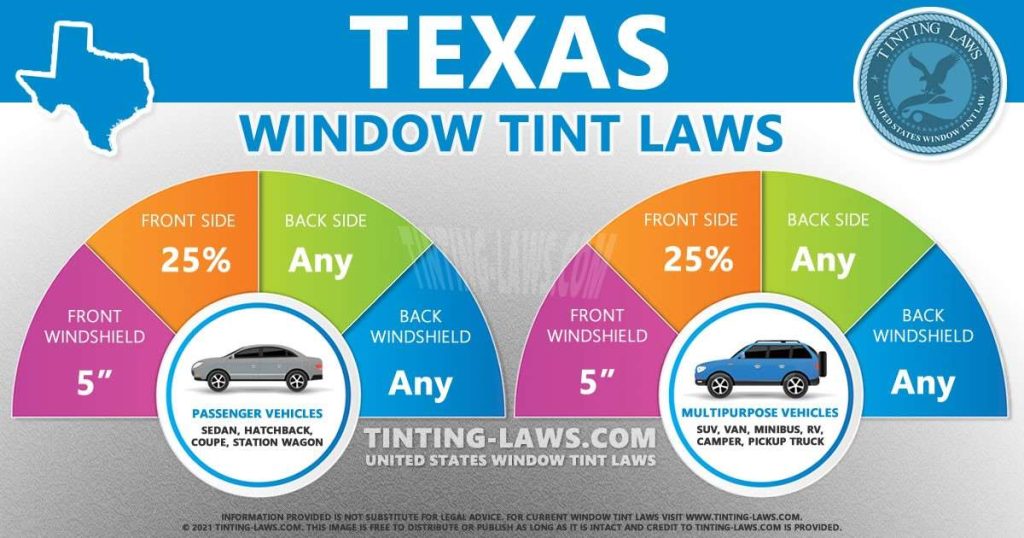
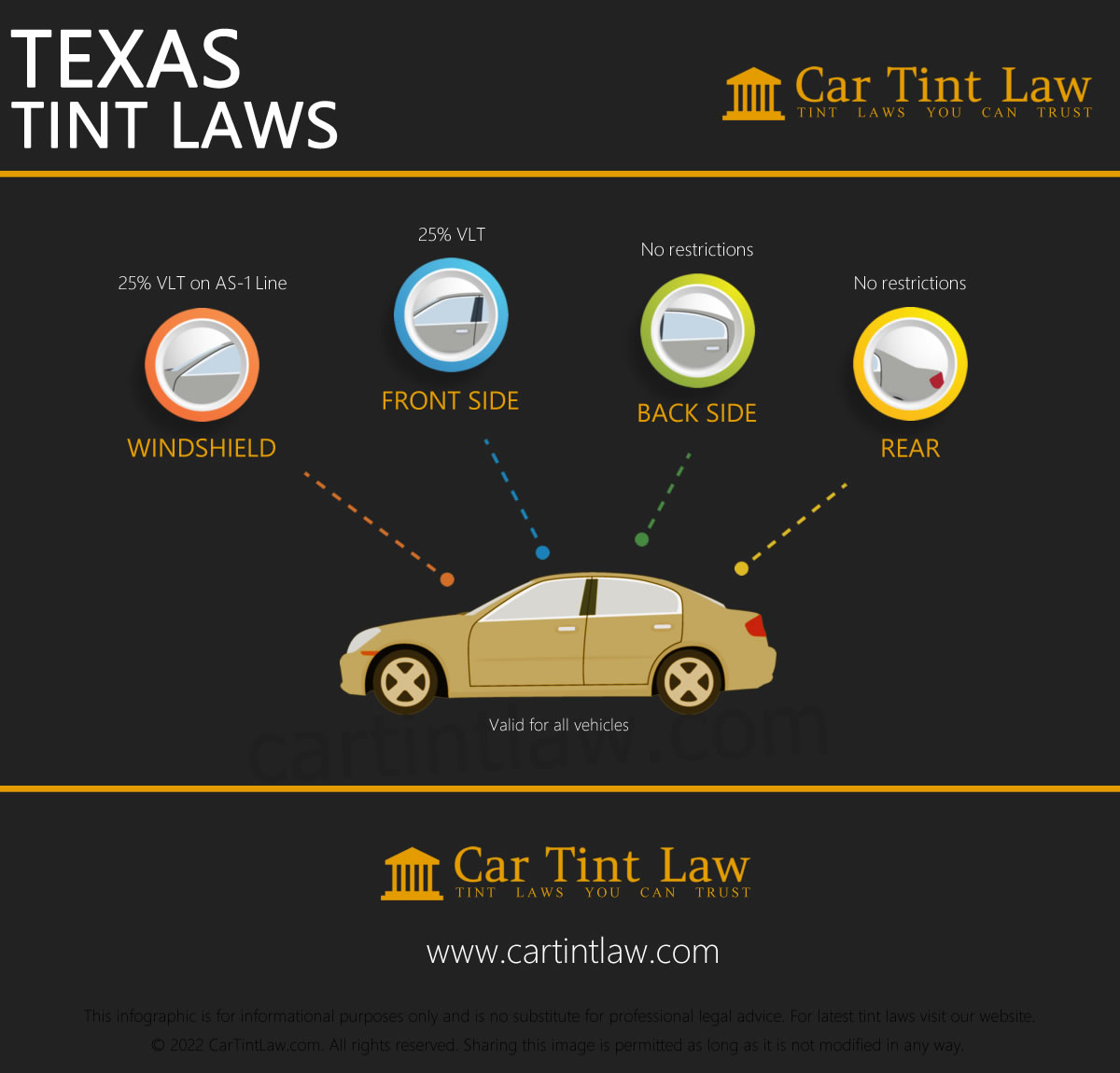
The law does permit the application of a non-reflective tint strip to the top portion of the windshield. This strip is commonly referred to as a “sunstrip” or “visor strip.” The purpose of this strip is to help reduce glare from the sun, particularly during daytime driving, without significantly compromising visibility into the vehicle. The Texas DPS specifies that this tint strip cannot extend more than five inches or below the manufacturer’s AS-1 line, whichever is less.
What is the AS-1 line? The AS-1 line is a marking typically found on the windshield itself, indicating the point beyond which tinting is prohibited. It’s a standard set by the American Standards Association, and most vehicle manufacturers incorporate it into their windshield designs. If you’re unsure about locating the AS-1 line on your vehicle, a professional tint installer will be well-versed in identifying it. They often use specialized tools or reference guides to ensure compliance.
It’s crucial to understand that any tint applied below this AS-1 line on the front windshield is illegal in Texas. This means you cannot tint the entire front windshield, nor can you apply tinting to the driver’s or front passenger’s side windows beyond what is legally allowed for those windows.
Consequences of Illegal Tinting
Driving a vehicle with illegally tinted windows in Texas can lead to several unpleasant consequences, ranging from a simple warning to more significant penalties. These consequences can put a damper on your travels, much like encountering unexpected issues during a dream vacation to a popular Texas destination.
Tickets and Fines
The most common repercussion of having illegal window tint is receiving a traffic ticket. Law enforcement officers are authorized to issue citations for violations of the Texas window tint laws. The fine for such a violation can vary depending on the specific jurisdiction and circumstances, but it can add unexpected expenses to your budget, similar to how unexpected fees can impact a planned luxury travel itinerary.
Safety Inspections
Another significant consequence relates to vehicle safety inspections. In Texas, vehicles are required to undergo annual safety inspections to be registered and legally driven on public roads. If your vehicle has illegal window tint, it will fail the safety inspection. This means you will be unable to renew your registration until the tint is removed or brought into compliance with the law. This can be a major inconvenience, especially if you are planning a long road trip or have recently booked an apartment for a longer stay.
Mandated Removal
In some cases, a judge may order the removal of the illegal tint as part of the penalty for the violation. This means you would have to pay for the removal of the tint, and then potentially pay again to have it legally applied if you choose to do so. This is a costly and frustrating outcome that can be easily avoided by adhering to the state’s regulations.

Alternatives and Best Practices
While tinting the entire front windshield is prohibited, there are still ways to enhance your driving experience in Texas while remaining compliant with the law. These alternatives focus on maximizing comfort and style without compromising safety or legality, much like finding the perfect accommodation that balances budget and comfort.
Legally Tinting Other Windows
Texas law has specific allowances for tinting the rear windshield and the driver’s and front passenger’s side windows.
- Rear Windshield: The rear windshield can be tinted to any darkness level, as long as it does not have any obstructions that prevent visibility into the vehicle.
- Driver and Front Passenger Side Windows: These windows can be tinted, but they must allow at least 25% of light to pass through (i.e., a VLT – Visible Light Transmission – of 25% or higher).
- Rear Passenger Side Windows: The rear passenger side windows have no restrictions on the level of tint.
By strategically tinting these windows, you can achieve a significant reduction in heat and glare entering your vehicle, enhance privacy, and improve its overall look. This is often sufficient for most drivers seeking the benefits of window tinting.
Understanding Tint Percentages (VLT)
When discussing window tint, the term Visible Light Transmission (VLT) is crucial. VLT refers to the percentage of visible light that can pass through a window. A lower VLT percentage means a darker tint, allowing less light through.
- A tint strip on the front windshield typically has a very high VLT (e.g., 70% or higher) to meet the non-reflective requirement and maintain visibility.
- The legally permissible tint for the driver and front passenger windows is a minimum of 25% VLT. This means up to 75% of light is blocked.
- The rear windows can have much darker tints, often down to 5% VLT (often called “limo tint”), allowing only 5% of light through.
When consulting with a professional tint shop, always discuss VLT percentages to ensure you are making legal choices. A reputable installer will be knowledgeable about Texas laws and guide you accordingly, similar to how a good travel guide helps you navigate unfamiliar territories.
Choosing a Professional Installer
Selecting a qualified and experienced window tint installer is vital. A good installer will:
- Be knowledgeable about Texas window tint laws.
- Use high-quality tinting materials that are durable and offer excellent UV protection.
- Provide a warranty on their work.
- Help you understand the different types of tint films available, such as those offering UV protection, heat rejection, and privacy.
Professionals can also advise on the best tint levels for your specific needs and vehicle, ensuring a factory-like finish that enhances both the look and functionality of your car. This meticulous attention to detail is akin to choosing the right boutique hotel for a memorable stay, where quality and experience matter.
Considering Aftermarket Products
For those seeking additional protection from the sun on their front windshield, there are aftermarket products that do not constitute illegal tinting. These can include:
- High-quality sunglasses: For personal comfort.
- Sunshades: Retractable or removable sunshades designed to block sun when parked.
- Glare-reducing films (specifically designed for windshields): Some films are marketed as glare reducers rather than tints and may fall within legal allowances if they are clear and non-reflective. Always verify this with the installer and local law enforcement if unsure.
These options allow you to manage sun glare and heat without violating the strict regulations on front windshield tinting in Texas. Ultimately, while the temptation to tint your entire front windshield might be strong, adhering to the Texas Transportation Code is the safest and most legally sound approach. By understanding the law and working with professionals, you can enjoy the benefits of window tinting while ensuring your vehicle is road-legal and safe for all your adventures, whether it’s a weekend trip to Galveston or a cross-country journey.