
Embarking on a journey through the Golden State often involves hitting the open road, whether you’re cruising down the scenic Pacific Coast Highway or navigating the bustling streets of Los Angeles or San Francisco. For travelers, especially those coming from countries with different traffic laws or even other U.S. states, understanding local driving regulations is paramount for a smooth and safe experience. One common question that arises is: “Can you turn right on red in California?” The short answer is generally yes, but with crucial caveats that every driver should be aware of. This rule, while seemingly straightforward, carries significant implications for safety, particularly concerning pedestrians and cyclists, and plays a vital role in the overall flow of traffic in the state’s diverse urban and rural environments.
This guide will delve into the specifics of California’s right-turn-on-red law, offering essential insights for tourists and residents alike. We’ll explore the conditions under which such turns are permitted, highlight common exceptions and misconceptions, and provide broader advice on driving safely and efficiently across California’s iconic landscapes. From understanding the nuances of traffic signals in busy metropolitan areas to appreciating the unique challenges and joys of California road trips, this article aims to equip you with the knowledge needed to confidently navigate your way through one of the most popular travel destinations in the world. Whether you’re planning a luxury retreat in Napa Valley, a family adventure to Disneyland, or an exploration of Yosemite National Park, being well-versed in local driving laws is a foundational step for an unforgettable California experience.

Understanding California’s Right-Turn-On-Red Law
The ability to turn right on a red light is a feature of traffic law in most parts of the United States, and California is no exception. However, it’s not an absolute right; it’s a privilege granted under specific conditions designed to maintain safety and traffic efficiency. For visitors planning their travel itineraries and considering renting a car, grasping these regulations is as important as booking the right hotel or knowing the best local eateries.
The Basic Rule and Exceptions
In California, a driver is generally permitted to make a right turn at an intersection controlled by a red light after coming to a complete stop. This stop must be made at the clearly marked stop line, or if none, before entering the crosswalk on the near side of the intersection, or if none, then before entering the intersection itself. After stopping, the driver must yield the right-of-way to all pedestrians and cross-traffic that are lawfully within the intersection or an adjacent crosswalk. Only when the path is clear can the turn be safely executed. This rule is enshrined in the California Vehicle Code and applies statewide, from the bustling boulevards of San Diego to the quieter roads of the Redwood National Park region.
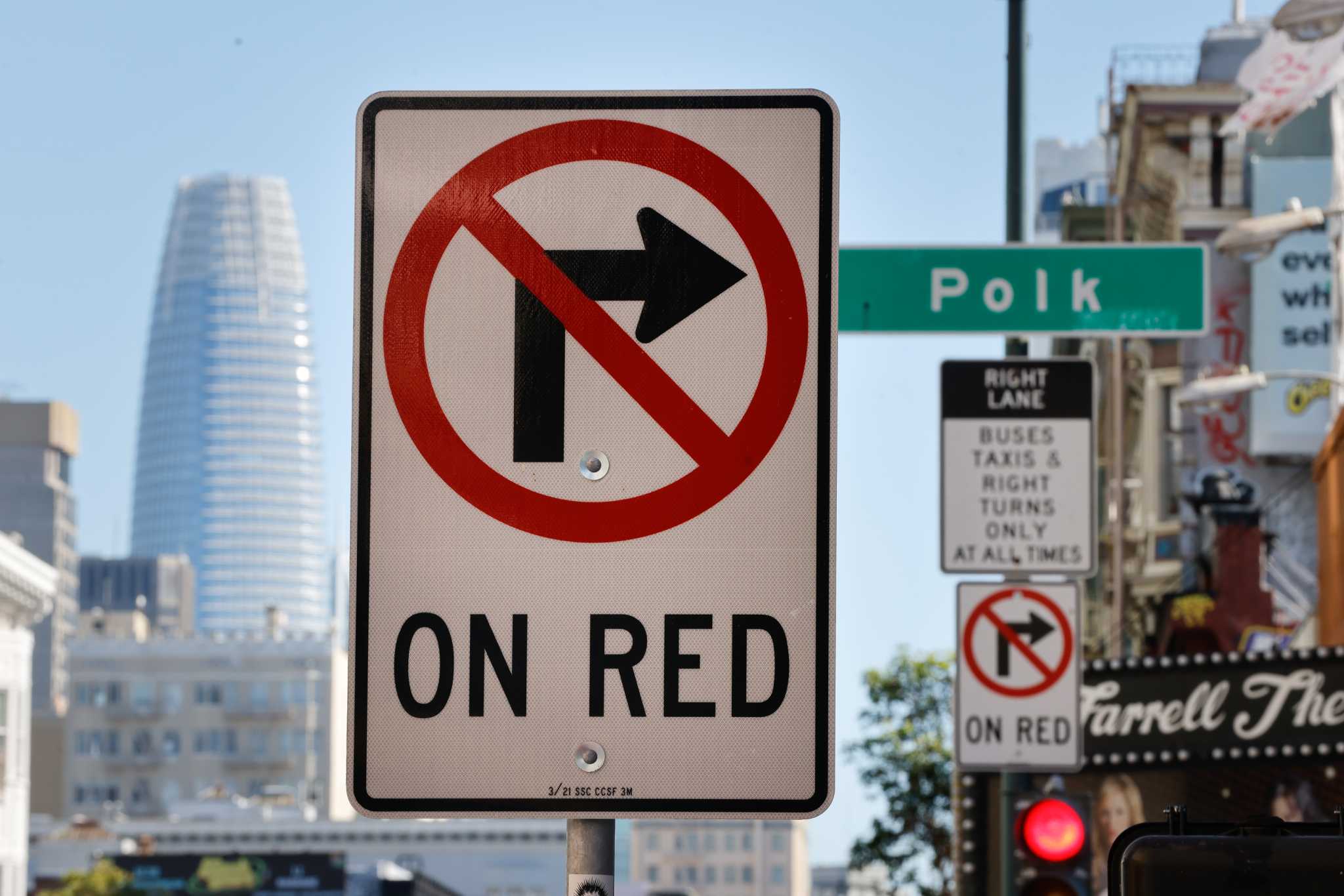
However, there are critical exceptions to this rule that drivers must pay close attention to. The most significant exception is when a sign explicitly prohibits a right turn on red. These signs are typically clearly posted at the intersection and will state something like “NO TURN ON RED” or “RIGHT TURN ON RED PERMITTED ONLY WITH GREEN ARROW.” Ignoring such a sign is a traffic violation that can result in a fine and, more importantly, create a hazardous situation. Another crucial exception applies to intersections with specific signal configurations, such as those with a flashing red arrow for a right turn, which means you must stop and then proceed only when safe, similar to a stop sign. Furthermore, special rules might apply at certain times or in specific zones, like school zones or construction areas, where pedestrian traffic is heavier or road conditions are altered. Always remain vigilant for posted signs, as they override the general rule.

Common Misconceptions for Travelers
For many international travelers or those from states with different regulations, several misconceptions about turning right on red can lead to confusion or even accidents. One common error is failing to come to a complete stop. A rolling stop, often called a ” California stop,” is illegal and can be dangerous, especially when pedestrian visibility is poor. The law requires a full stop, meaning the vehicle’s momentum ceases completely before proceeding.
Another frequent mistake is neglecting to yield to pedestrians or cyclists. California has a strong emphasis on pedestrian and cyclist safety. When making a right turn on red, drivers must assume that pedestrians or cyclists may be crossing, even if they aren’t immediately visible. Many urban centers, particularly San Francisco and parts of Los Angeles, have high pedestrian traffic, and failure to yield can have severe consequences. Visitors planning to explore cities like Santa Monica by car should be acutely aware of crosswalks and bicycle lanes, as these areas are frequented by people enjoying the coastal lifestyle. Always double-check for oncoming bicycles in bike lanes before initiating your turn. Understanding these nuances is key to a stress-free and enjoyable driving experience, allowing you to focus on the breathtaking scenery and cultural experiences California offers.
Driving in California: A Tourist’s Perspective
Driving in California is an integral part of the travel experience for many, offering the freedom to explore diverse landscapes, from sun-drenched beaches to snow-capped mountains. However, navigating the state’s roadways requires more than just understanding the right-turn-on-red law; it demands an awareness of driving culture, traffic patterns, and the unique challenges presented by both bustling cities and expansive natural parks. For those accustomed to using public transportation or driving in less car-centric regions, a California road trip can be an exciting, yet sometimes daunting, endeavor.
Navigating Busy City Streets
California’s major cities, such as Los Angeles, San Francisco, and San Diego, are renowned for their vibrant atmospheres, iconic landmarks, and, inevitably, their dense traffic. Navigating these urban jungles requires patience, good planning, and a firm grasp of local driving etiquette. Rush hour, typically from 6-9 AM and 3-6 PM on weekdays, can turn short distances into lengthy treks. Tourists planning to visit attractions like Hollywood, the Santa Monica Pier, or the Golden Gate Bridge should factor in ample travel time, especially if relying on rental cars.
Parking is another significant consideration in urban areas. While many hotels in Los Angeles and San Francisco offer parking, it often comes at a premium. Street parking can be notoriously difficult to find and is frequently subject to strict time limits or permit requirements. It’s crucial to read all parking signs carefully to avoid fines or towing, which can severely disrupt your travel plans. For instance, in San Francisco, even parking on a hill requires turning your wheels correctly (towards the curb when downhill, away when uphill) to prevent rolling. Utilizing ride-sharing services or public transport for short urban trips can sometimes be more convenient than driving and parking, especially when visiting areas with excellent transit links like downtown San Francisco.
Scenic Drives and Road Trips
Beyond the cityscapes, California truly shines with its legendary scenic drives and road trip opportunities. The Pacific Coast Highway (Highway 1), stretching along the rugged coastline through areas like Big Sur, offers some of the most breathtaking ocean views in the world. Inland, routes to Yosemite National Park, Death Valley National Park, or Lake Tahoe provide equally stunning, albeit different, vistas. These longer journeys require a different set of preparations.
Before embarking on a California road trip, it’s advisable to check weather conditions, especially during winter months when mountain passes can be closed due to snow. Ensure your vehicle, whether it’s your own or a rental, is in good condition, and always carry an emergency kit. Fuel stations can be sparse in remote areas, so plan your stops accordingly. While the right-turn-on-red rule is less frequently encountered on winding country roads, awareness of other laws, such as speed limits and passing zones, becomes paramount. Driving through diverse terrains, from deserts to mountains, means adapting to varying conditions, including wildlife crossings, sharp curves, and changes in elevation. Many travelers opt for a luxury SUV or a comfortable sedan to tackle these long distances, seeking accommodations that offer easy access to these routes. A road trip through California is an experience of a lifetime, blending the thrill of discovery with the comfort of bespoke travel arrangements.
Safety Tips and Best Practices for Drivers
Ensuring safety on California roads goes beyond merely understanding traffic laws like the right-turn-on-red rule. It involves adopting a proactive and defensive driving approach, being aware of your surroundings, and recognizing the unique challenges presented by the state’s diverse driving environments. These best practices are crucial for every driver, whether you’re a seasoned local or a tourist on an unforgettable California adventure.
Pedestrian and Cyclist Awareness
California has a high volume of pedestrian and bicycle traffic, particularly in its urban and coastal areas. Cities like San Francisco, Los Angeles, and Santa Monica are popular for walking and cycling, with dedicated lanes and crosswalks. Drivers must exercise extreme caution and always yield the right-of-way to pedestrians and cyclists. When making a right turn on red, it’s imperative to look twice – or even three times – for anyone in the crosswalk or approaching from the left. Pedestrians often have the right-of-way in marked or unmarked crosswalks, even if there isn’t a traffic signal.
Cyclists, by law, have similar rights and responsibilities as motor vehicles. They often use bike lanes, but can also share the road with cars. Always give cyclists ample space, typically at least three feet when passing. Be especially careful when opening your car door if parked next to a bike lane. The “dooring” of cyclists is a dangerous and preventable accident. In popular tourist spots like the Golden Gate Bridge or along the Santa Monica Pier where cycling is a major attraction, vigilance for two-wheeled travelers is critical. Recognizing and respecting the presence of vulnerable road users is not just a legal requirement but a fundamental aspect of safe and responsible driving in California.
Understanding Local Signage and Technology
While general traffic signs are universal, California also features specific local signage that drivers should be familiar with. Besides “NO TURN ON RED” signs, you’ll encounter signs for carpool lanes (also known as HOV lanes), which require multiple occupants (usually 2 or 3+) or specific vehicles like electric cars. Unauthorized use of these lanes can result in hefty fines. Electronic message boards along freeways often provide real-time traffic updates, accident alerts, and estimated travel times, which are invaluable for planning your route, especially in congested areas.
Furthermore, many California intersections are equipped with advanced traffic signal technology, including inductive loops embedded in the pavement that detect vehicles and sometimes pedestrians/cyclists. For motorcycles or bicycles, which might not always trigger these sensors, drivers should be aware that the light may not change automatically if a larger vehicle isn’t present. For right turns on red, always confirm the intersection is clear. Relying on GPS navigation apps like Google Maps or Waze can be extremely helpful for real-time traffic updates, alternative routes, and finding specific destinations, whether it’s a luxury resort in Laguna Beach or a hidden gem restaurant in San Francisco. However, always prioritize observing actual road signs over GPS instructions, especially in construction zones or areas with temporary changes. Being technologically savvy while remaining observant of your physical surroundings provides the best defense against unforeseen circumstances.
Beyond the Driver’s Seat: Exploring California’s Wonders
While understanding California’s driving laws, including the nuances of turning right on red, is essential for a smooth journey, the true essence of a California trip lies in its unparalleled attractions and diverse lifestyle offerings. Once you’ve safely navigated the roads, a world of unforgettable experiences awaits, catering to every type of traveler. From iconic landmarks to luxurious accommodations and vibrant cultural scenes, California truly has it all.
Must-Visit Destinations and Landmarks
California is a treasure trove of world-renowned destinations. In Southern California, a family trip often includes the magical realms of Disneyland in Anaheim or the cinematic thrills of Universal Studios Hollywood in Los Angeles. Beyond the theme parks, Los Angeles offers the glitz of Hollywood, the beaches of Santa Monica, and the artistic flair of Getty Center. San Diego entices visitors with its historic Gaslamp Quarter, the world-famous San Diego Zoo, and beautiful coastal scenery.
Moving north, the majestic Central Coast offers the charm of Santa Barbara, the dramatic cliffs of Big Sur, and the historic Hearst Castle. Further up, San Francisco captivates with the Golden Gate Bridge, Alcatraz Island, and the vibrant neighborhoods of Chinatown and Fisherman’s Wharf. Inland, the Sierra Nevada mountains host the awe-inspiring Yosemite National Park and the pristine waters of Lake Tahoe. For wine enthusiasts, Napa Valley and Sonoma Valley offer unparalleled vineyard tours and gourmet dining experiences. Every region promises unique attractions, from historical sites and architectural marvels to natural wonders and thrilling entertainment.
Accommodation and Lifestyle Considerations
California’s diverse geography and tourism focus mean that accommodation options are as varied as its landscapes. Travelers can choose from ultra-luxury resorts in Beverly Hills or Laguna Beach, boutique hotels in San Francisco’s vibrant districts, family-friendly suites near theme parks, or charming vacation rentals in wine country. Budget travelers will find numerous hostels and motels, while those seeking a unique experience might opt for glamping sites near national parks or rustic cabins by Lake Tahoe. Booking in advance, especially during peak seasons or for specific events, is always recommended to secure the best rates and availability. Websites like “Life Out of the Box” provide comprehensive guides and reviews to help you compare options, whether you’re looking for a Grand Hyatt Hotel experience or a cozy apartment rental.
Beyond lodging, the California lifestyle itself is an attraction. It embodies a blend of laid-back beach culture, high-energy urban living, and an appreciation for healthy, outdoor activities. Foodies will delight in the farm-to-table movement, diverse ethnic cuisines, and world-class dining, particularly in cities like San Francisco and Los Angeles. Active travelers can enjoy surfing, hiking, skiing, and cycling. For those interested in local culture, there are countless museums, art galleries, and live music venues. Regardless of whether your lifestyle leans towards luxury travel, budget exploration, family trips, or business stays, California offers an immersive and fulfilling experience. Understanding the practicalities of driving, including the right-turn-on-red rule, merely serves as the gateway to unlocking these countless adventures and creating memories that last a lifetime.
LifeOutOfTheBox is a participant in the Amazon Services LLC Associates Program, an affiliate advertising program designed to provide a means for sites to earn advertising fees by advertising and linking to Amazon.com. Amazon, the Amazon logo, AmazonSupply, and the AmazonSupply logo are trademarks of Amazon.com, Inc. or its affiliates. As an Amazon Associate we earn affiliate commissions from qualifying purchases.