
For many travelers venturing into a new state or country, understanding local driving laws is just as crucial as knowing where to find the best local cuisine or the most breathtaking attractions. When planning a trip to the Sunshine State, a common question that often arises is about the legality of turning right on red. It’s a rule that varies slightly from place to place, and getting it wrong can lead to unnecessary fines, frustration, or even accidents. Given that Florida is a premier destination for road trips, family vacations, and business stays, mastering its road etiquette, starting with the right-on-red rule, is essential for a smooth and enjoyable journey.
Whether you’re exploring the magical theme parks of Orlando, soaking up the vibrant culture of Miami Beach, or relaxing on the serene beaches of the Gulf Coast, you’ll likely spend a good amount of time behind the wheel. From navigating bustling city streets to cruising down scenic coastal highways, knowing precisely when and how you can make a right turn on a red light will save you time, stress, and potential legal headaches. This comprehensive guide will delve into the specifics of Florida’s right-on-red laws, offer practical advice for safe driving, and help ensure your focus remains on creating unforgettable memories in this beautiful state.
Understanding the Basic Right-On-Red Rule
The concept of turning right on red is a widely accepted practice across most of the United States, but it’s not a universal right and always comes with specific stipulations. In essence, it’s a rule designed to improve traffic flow and reduce congestion, allowing drivers to proceed when it’s safe to do so, even if the traffic signal is red. However, the operative phrase here is “when it’s safe to do so,” and this is where the nuances, especially in a bustling state like Florida, become critical.
The “Unless Prohibited” Standard
In Florida, as in most states, the general rule is straightforward: yes, you can turn right on a red light, but only after coming to a complete stop and unless a sign specifically prohibits it. This means that when you approach an intersection with a red light, you are legally permitted to make a right turn after stopping, yielding to all traffic and pedestrians, and ensuring the way is clear. This rule applies uniformly across the state, from the southernmost tip of Key West to the northern borders near Jacksonville.
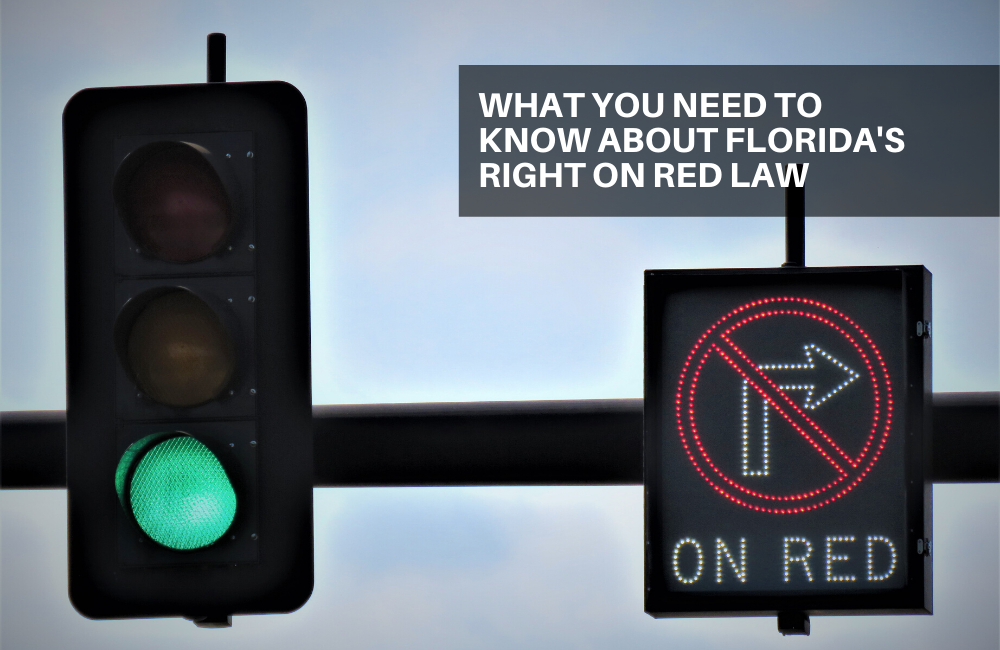
The “unless prohibited” part is paramount. Drivers must be vigilant for signs clearly stating “NO TURN ON RED” or similar wording. These signs are typically placed where sightlines are poor, pedestrian traffic is exceptionally high, or where specific traffic patterns necessitate a full stop until a green light appears. Ignoring such a sign is a traffic infraction and can result in a fine, points on your license, and potentially an accident.
Key Steps Before Turning Right on Red
Executing a safe and legal right turn on red involves more than just glancing at the light and proceeding. There’s a precise sequence of actions every driver must follow to ensure compliance with Florida law and, more importantly, to ensure the safety of everyone on the road.
- Come to a Complete Stop: This is non-negotiable. Your vehicle must come to a full stop before the white stop line or crosswalk, if present. Rolling through the intersection, even slowly, is illegal and can be ticketed as a “red light violation.” The wheels of your vehicle must cease all forward movement.
- Check for Pedestrians and Cyclists: Before proceeding, you must yield to any pedestrians or cyclists who are lawfully in the crosswalk or preparing to enter it. Florida has a strong emphasis on pedestrian safety, and drivers are legally obligated to give way. This is particularly important in areas like Miami Beach, Fort Lauderdale, or near attractions like Walt Disney World Resort or Universal Studios Florida, where foot traffic can be dense.
- Check for Oncoming Traffic: After yielding to pedestrians and cyclists, you must then yield to all vehicular traffic approaching from the left, including those making U-turns. Only when the intersection is completely clear, and you can safely complete your turn without impeding other traffic, should you proceed. This requires careful judgment, especially at multi-lane intersections or those with complex signal timing.
Failing to follow any of these steps not only puts you at risk of a traffic citation but significantly increases the likelihood of a collision, potentially spoiling your vacation or business trip.
Florida’s Specific Regulations and Exceptions
While the general rule for turning right on red is consistent, Florida’s bustling urban centers and unique geography introduce specific scenarios and exceptions that drivers, especially visitors, should be aware of. The state’s commitment to road safety, particularly concerning vulnerable road users, means extra vigilance is often required.
Intersections Where Right-On-Red is Forbidden
As mentioned, specific intersections will have signage prohibiting right turns on red. These signs are not arbitrary; they are strategically placed by the Florida Department of Transportation or local municipal authorities to prevent accidents in high-risk areas. Common locations for “NO TURN ON RED” signs include:
- Busy Downtown Districts: Cities like Miami, Orlando, Tampa, and St. Petersburg often have intersections in their central business districts where pedestrian volumes are extremely high, making right turns on red too risky.
- Near Schools and Hospitals: To protect children and ensure smooth access for emergency vehicles, many intersections adjacent to schools or medical facilities will have restrictions.
- Complex Intersections: Some intersections with multiple turns, unusual lane configurations, or those controlled by a “traffic management center” might prohibit right on red to simplify traffic flow and prevent confusion.
- Intersections with Red Light Cameras: While red light cameras primarily target drivers running straight through a red light, some systems are configured to detect illegal right-on-red turns (e.g., failing to stop completely before turning). Always assume a camera might be present and drive accordingly.
Always scan for these signs as you approach an intersection. They can be located on the signal pole, above the lanes, or on a dedicated signpost.
Pedestrian and Cyclist Priority
Florida law is very clear about the priority of pedestrians and cyclists. When making a right turn on red, you are legally obligated to yield the right-of-way to them. This isn’t just a courtesy; it’s a fundamental aspect of safe driving in the state. Many of Florida’s attractions and urban areas are highly walkable and bike-friendly, meaning you’ll encounter a significant number of people on foot or bicycles.
- Crosswalks: Even if a pedestrian hasn’t fully entered the crosswalk but is waiting to cross, you should generally wait for them to pass. Err on the side of caution.
- Bike Lanes: Be extra aware of cyclists using dedicated bike lanes, especially when turning right. Always check your blind spots.
- Shared Paths: In areas like the Florida Keys or coastal towns, you might encounter shared-use paths. Drivers must exercise extreme caution.
The penalties for failing to yield to a pedestrian or cyclist can be severe, ranging from hefty fines to points on your license, and potentially criminal charges if serious injury occurs. It’s a key safety consideration that every driver in Florida must internalize.
School Zones and Crosswalks
Special attention must be paid to school zones and marked crosswalks, regardless of whether a “NO TURN ON RED” sign is present. During school hours, these areas become incredibly active with children, parents, and school staff. Drivers must slow down, be prepared to stop, and be exceptionally vigilant for unexpected movements. While a right turn on red might technically be permitted outside of specific prohibition signs, the heightened risk in a school zone often makes it advisable to wait for a green light, especially if visibility is poor or traffic is heavy. The safety of children always takes precedence.
Safety First: Why Adhere to Right-On-Red Rules
Beyond the legal implications, strictly adhering to right-on-red rules is fundamentally about safety. As a visitor to Florida, your primary goal is to have a wonderful, memorable trip. Getting into an accident or receiving a traffic ticket can quickly turn a dream vacation into a nightmare.
Preventing Accidents and Ensuring Road Safety
Intersections are inherently high-risk areas for collisions. When a driver attempts a right turn on red without due care, they significantly increase the chances of an accident. Common scenarios for right-on-red related accidents include:
- Colliding with pedestrians or cyclists: This is the most dangerous outcome, often leading to severe injuries or fatalities for vulnerable road users.
- “T-bone” collisions with cross-traffic: This occurs when a driver turns right on red without seeing or misjudging the speed of vehicles coming from their left, especially those going straight or making a left turn on a green arrow.
- Rear-end collisions: Drivers who stop abruptly or hesitate excessively at a right-on-red turn can cause a rear-end collision with the vehicle behind them.
By meticulously following the “stop, yield, and proceed when clear” rule, you contribute to overall road safety, protect yourself and your passengers, and safeguard other road users. This is particularly vital in Florida, which experiences a high volume of both local and tourist traffic year-round.
Avoiding Fines and Penalties
Florida takes traffic violations seriously. A ticket for an illegal right turn on red, or failing to yield, can be costly. Fines can range from hundreds of dollars, depending on the county and the specific nature of the infraction. In addition to monetary penalties, a traffic violation can result in:
- Points on Your Driver’s License: Accumulating too many points can lead to increased insurance premiums, driver improvement courses, or even license suspension, especially if you have an out-of-state or international license.
- Increased Insurance Rates: Even a single moving violation can cause your car insurance rates to rise, impacting your budget long after your trip to Florida concludes.
- Court Appearances: In some cases, especially if an accident occurs, you might be required to appear in court, which can be a significant inconvenience for a traveler.
The Florida Department of Highway Safety and Motor Vehicles maintains strict regulations, and there’s little leniency for ignorance of the law, especially for drivers who are expected to understand basic traffic rules.
The Impact on Your Florida Vacation
Imagine planning an exciting family trip to Florida, perhaps staying at a beautiful resort in Sarasota or a cozy villa near Disney World. The last thing you want is for a traffic ticket or, worse, an accident, to overshadow your experience. A traffic stop takes time out of your day, dealing with a fine is an unexpected expense, and an accident can cause significant delays, vehicle damage (if renting a car), and physical or emotional stress. By simply being mindful and adhering to the right-on-red rules, you ensure your trip remains focused on relaxation, adventure, and enjoyment, without these avoidable interruptions.
General Driving Tips for Navigating Florida’s Roads
Beyond the right-on-red rule, Florida’s unique driving environment calls for a few additional considerations, especially for visitors. The state’s blend of high-speed interstates, bustling urban centers, and serene coastal drives demands adaptability and awareness.
Familiarize Yourself with Florida Driving Laws
While the right-on-red rule is a good starting point, it’s just one piece of the puzzle. Before hitting the road, it’s wise to quickly review other key Florida driving laws:
- Speed Limits: Posted speed limits are strictly enforced. Pay attention to changes, especially in construction zones, school zones, and residential areas. Interstate highways like I-4, I-75, and I-95 typically have higher limits but are prone to congestion.
- Toll Roads: Florida has numerous toll roads, including Florida’s Turnpike and various expressways. Many are cashless, meaning tolls are collected electronically via SunPass or by mail to the vehicle’s registered owner (often the rental car company). Understand how tolls work and how your rental car company handles them to avoid extra fees.
- HOV Lanes: High Occupancy Vehicle (HOV) lanes are present in some metropolitan areas and are reserved for vehicles with two or more occupants (or specific vehicle types like motorcycles). Check signage for rules, especially during peak hours.
- Weather Conditions: Florida is known for sudden, heavy rain showers and thunderstorms, especially in the summer. Visibility can drop dramatically, and roads become slick. Reduce speed, turn on your headlights, and increase following distance when driving in adverse weather.
- Wildlife: Be aware of wildlife, particularly in rural areas or near national parks like Everglades National Park. Deer, alligators, and other animals can unexpectedly cross the road.
Navigating Busy Tourist Areas
Florida’s most popular destinations — Orlando, Miami, Tampa, Fort Lauderdale — can have very heavy traffic, especially during peak tourist seasons or rush hour.
- Plan Ahead: Use GPS and traffic apps (Google Maps, Waze) to anticipate congestion and plan your routes.
- Patience is Key: Expect delays and allow extra time to reach your destinations, whether it’s a theme park, a beach, or a restaurant.
- Parking: Research parking options in advance, particularly in downtown areas or at popular attractions. Parking can be expensive and hard to find.
- Distracted Driving: Florida has hands-free device laws for phone use in active school/work zones and a texting-while-driving ban. Avoid all forms of distracted driving.
In counties like Miami-Dade County, Hillsborough County, or Orange County, where tourist density is high, you’ll encounter a mix of drivers, some experienced, some unfamiliar with the area. Defensive driving is always the best approach.
Renting a Car and Insurance Considerations
Most tourists in Florida will opt for a rental car to explore the vast array of attractions from the Atlantic Coast to the South Florida beaches.
- Review Rental Agreement: Understand the terms and conditions, especially regarding mileage limits, fuel policies, and accident procedures.
- Insurance Coverage: Ensure you have adequate insurance coverage. Your personal auto insurance might extend to rentals, or your credit card may offer some protection. Rental car companies will also offer their own insurance packages (Loss Damage Waiver, Liability Insurance). Weigh your options carefully to ensure you’re covered in case of an incident.
- Inspect Vehicle: Before leaving the lot, thoroughly inspect the rental car for any existing damage and ensure it’s documented to avoid being charged for pre-existing issues.
In conclusion, understanding whether you can turn right on red in Florida is a simple question with a nuanced answer. The general rule allows it after a complete stop and yielding to all traffic and pedestrians, but specific signage can prohibit it. By adhering to these rules, prioritizing safety, and being aware of Florida’s broader driving environment, you can ensure your journey through the Sunshine State is as smooth and enjoyable as the destinations themselves. Drive safe, stay informed, and make the most of your incredible Florida adventure!