
Florida, the Sunshine State, beckons with its shimmering coastlines, pristine freshwater lakes, and an unparalleled diversity of aquatic life. For many visitors and residents alike, a trip to Florida isn’t complete without casting a line into its abundant waters. Whether you dream of battling a majestic tarpon in the Florida Keys, reeling in bass from the sprawling Lake Okeechobee, or simply enjoying a relaxing day of pier fishing, understanding the state’s fishing license requirements is your first step towards a memorable angling experience.
This comprehensive guide will demystify the “How much fishing license Florida?” question, breaking down costs, rules, and exemptions. Beyond the administrative details, we’ll delve into how securing your license opens doors to incredible travel and lifestyle opportunities across this captivating state, ensuring your fishing trip integrates seamlessly into a broader Florida adventure.
Navigating the Waters: Who Needs a License and Why?
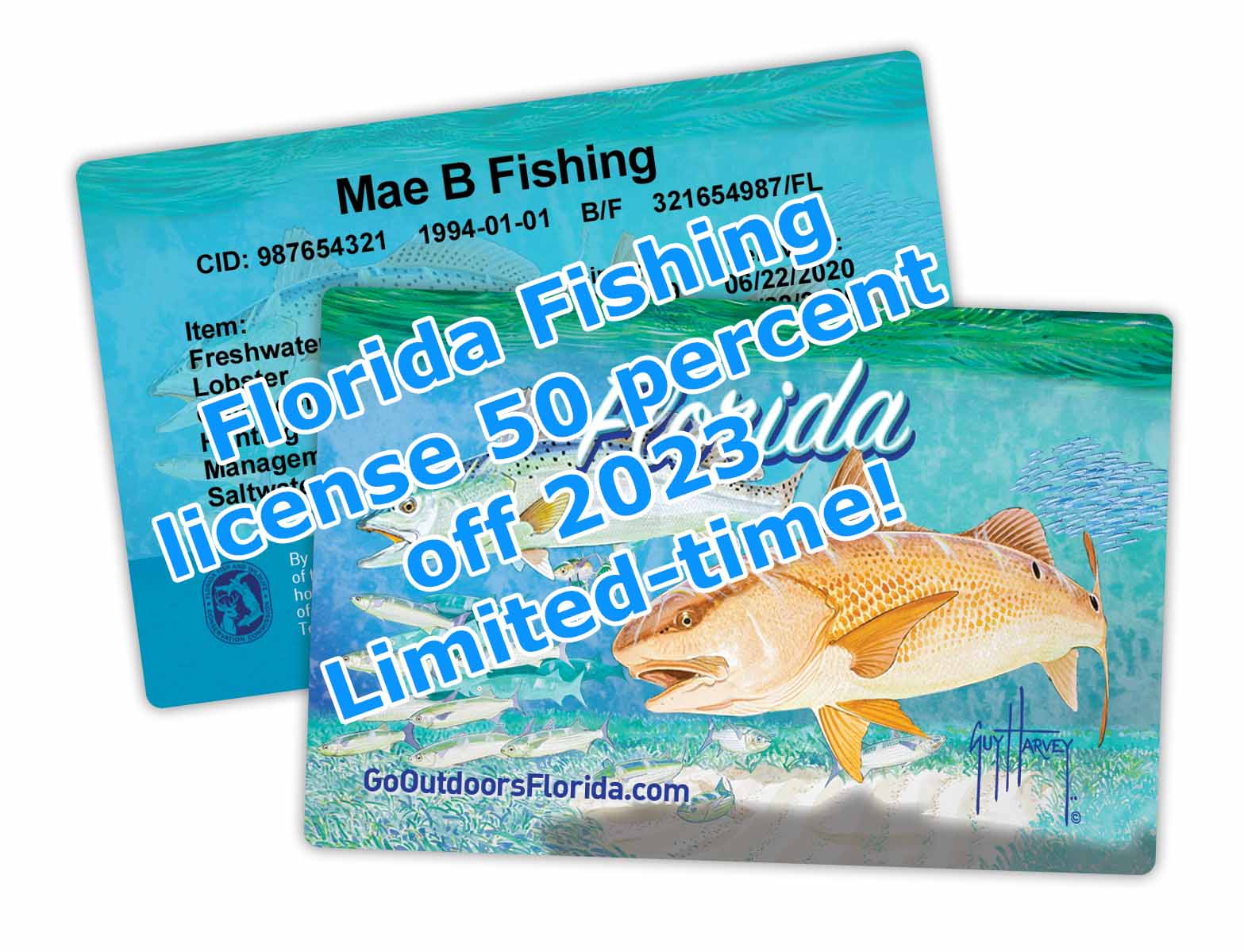
Before we dive into the specifics of cost, it’s crucial to understand who is required to purchase a fishing license in Florida. The general rule of thumb is that anyone 16 years of age or older, who intends to harvest freshwater or saltwater fish, crabs, or lobsters, needs a license. This applies whether you’re a seasoned angler or a curious tourist looking for a new experience.
The primary reason behind licensing isn’t just revenue generation; it’s fundamental to conservation. The funds collected from license sales directly support the management and protection of Florida’s precious fisheries and aquatic habitats. This includes everything from habitat restoration projects to fish stocking programs, research, and enforcement, all overseen by the Florida Fish and Wildlife Conservation Commission (FWC). By purchasing a license, you’re not just gaining permission to fish; you’re contributing to the sustainability of the very resources that make Florida a world-class fishing destination.
Freshwater vs. Saltwater Licenses: Knowing the Difference
Florida’s unique geography, bordered by the Gulf of Mexico to the west and the Atlantic Ocean to the east, also boasts an extensive network of inland lakes, rivers, and canals. This means you’ll need to decide whether your angling ambitions lie in freshwater or saltwater environments.
- Freshwater Fishing License: Required for fishing in any of Florida’s numerous lakes, rivers, and ponds. Popular freshwater species include largemouth bass, crappie, bluegill, and catfish. Destinations like Lake Okeechobee or the scenic St. Johns River offer incredible freshwater angling experiences that can be a highlight of any Florida trip.
- Saltwater Fishing License: Necessary for fishing in the Gulf of Mexico, Atlantic Ocean, or any of the state’s bays, estuaries, or coastal waters. From snapper and grouper to redfish and snook, the variety of saltwater species is astounding. Coastal cities like Miami, Fort Lauderdale, Sarasota, and St. Petersburg are vibrant hubs for saltwater enthusiasts, often offering charter services and beachfront accommodations.
- Combination License: For those who wish to experience the best of both worlds, a combination freshwater and saltwater license offers convenience and often a slight cost saving compared to purchasing two separate annual licenses.
Understanding your target environment is the first step in determining which license you need and subsequently, how much it will cost.
Dissecting the Costs: Resident vs. Non-Resident and License Durations
The cost of a Florida fishing license varies significantly depending on your residency status and the duration of the license. Generally, Florida residents enjoy lower prices, reflecting their ongoing contribution to the state’s economy and tax base.
Defining Residency: To qualify as a Florida resident for licensing purposes, you must typically have established a domicile in the state for at least six continuous months. Proof of residency, such as a Florida driver’s license or voter registration, may be required.
Below are example costs for various license types and durations. Please note that these figures are illustrative and subject to change by the Florida Fish and Wildlife Conservation Commission (FWC). Always check the official FWC website for the most current pricing before your trip.
Non-Resident Fishing License Costs (Examples)
For visitors planning a fishing excursion as part of their Florida vacation, short-term options are ideal. These licenses are perfect for tourists staying in popular destinations like Orlando, Naples, or the Florida Keys, offering flexibility for short getaways.
- Freshwater Fishing Licenses:
- 3-Day: Approximately $17.00
- 7-Day: Approximately $30.00
- Annual: Approximately $47.00
- Saltwater Fishing Licenses:
- 3-Day: Approximately $17.00
- 7-Day: Approximately $30.00
- Annual: Approximately $47.00
- Combination Freshwater and Saltwater Licenses:
- 3-Day: Approximately $30.00
- 7-Day: Approximately $50.00
- Annual: Approximately $79.00
These short-term options are perfect for integrating a fishing trip into a broader travel itinerary, perhaps after a visit to a theme park or a relaxing stay at a beachfront resort.
Resident Fishing License Costs (Examples)
Florida residents have access to more economical long-term options, encouraging year-round participation in the state’s vibrant fishing culture.
- Freshwater Fishing Licenses:
- Annual: Approximately $17.00
- 5-Year: Approximately $79.00
- Saltwater Fishing Licenses:
- Annual: Approximately $17.00
- 5-Year: Approximately $79.00
- Combination Freshwater and Saltwater Licenses:
- Annual: Approximately $32.50
- 5-Year: Approximately $149.00
Specialty Licenses and Endorsements
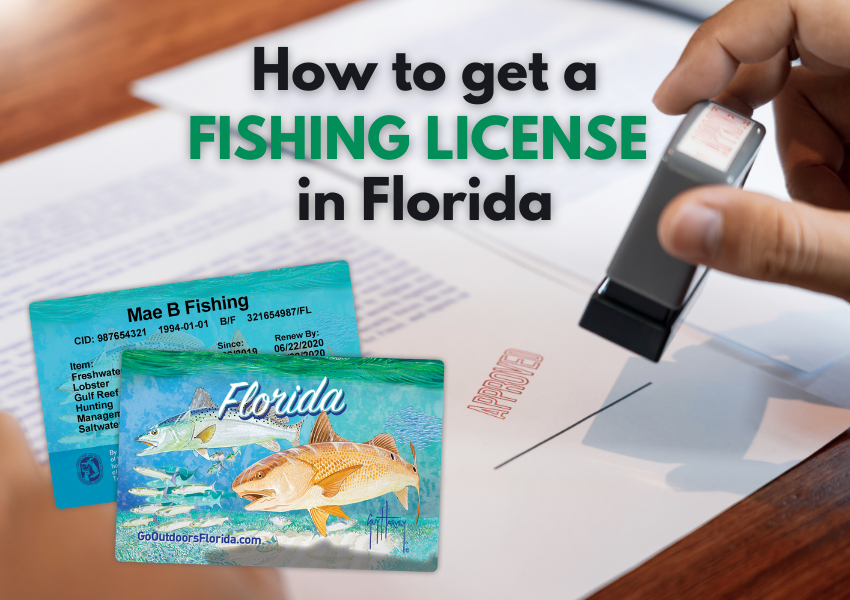
Beyond the basic freshwater and saltwater licenses, some specific fishing activities require additional permits or endorsements, ensuring targeted conservation efforts for certain species.
- Tarpon Tag: For anglers wishing to harvest (keep) a tarpon, a special Tarpon Tag is required in addition to a regular saltwater fishing license. This tag is quite expensive (around $51.50) and reflects the species’ status as a highly sought-after game fish, often caught and released. Catching and releasing tarpon does not require a tag, only a regular saltwater license.
- Snook and Lobster Permits: These permits are sometimes required as endorsements to a saltwater license during specific seasons, contributing to the management of these popular species. Always check FWC regulations for the latest requirements.
Where to Purchase Your License
Obtaining your Florida fishing license is straightforward, designed to be convenient for both residents and visitors.
- Online: The easiest and fastest way to purchase a license is directly through the Florida Fish and Wildlife Conservation Commission (FWC) website (GoOutdoors Florida). You can print your license immediately or save it on your mobile device.
- License Agents: Many bait and tackle shops, sporting goods stores (such as Bass Pro Shops or Dick’s Sporting Goods), and even some Walmart locations serve as authorized license agents. This is a convenient option if you’re already out stocking up on gear.
- County Tax Collectors’ Offices: Most county tax collectors’ offices across Florida can issue fishing licenses in person. This is often an option if you prefer an in-person transaction.
- Phone: You can also purchase licenses over the phone through the FWC licensing customer service line.
Regardless of where you purchase it, always keep your license (either printed or digital) with you while fishing.
Exemptions and Special Considerations: When You Might Not Need a License
While a fishing license is generally required, Florida offers several exemptions. Understanding these can save you money and simplify your trip, especially if you’re traveling with family or planning specific types of fishing activities.
Key Exemptions
- Age: Children under 16 years of age are not required to have a fishing license, allowing young ones to enjoy the thrill of fishing without any bureaucratic hurdles. This makes Florida an ideal family vacation destination, where kids can try fishing in the calm waters of a resort lagoon or a family-friendly pier.
- Senior Residents: Florida residents aged 65 or older are exempt from needing a freshwater or saltwater fishing license. They are instead encouraged to obtain a Resident 65+ Hunt/Fish Certificate, which is free and serves as proof of their exemption.
- Fishing from a Licensed Pier or Charter Boat: If you are fishing from a public pier that holds a valid pier fishing license or on a registered charter boat or headboat that holds the necessary vessel licenses, you are generally covered by their license and do not need to purchase an individual one. This is a fantastic option for tourists or those new to fishing, as it often includes gear and expert guidance. Many coastal hotels and resorts in places like Destin or Clearwater Beach can help arrange such excursions.
- Disabled Residents: Florida residents with certain disabilities may be eligible for a free Permanent Persons With Disabilities Fishing and Hunting License.
- Military Personnel: Florida residents who are active duty military personnel home on leave for 30 days or less are exempt from license requirements, provided they carry proof of military orders.
- Shoreline Saltwater Fishing (Residents Only): Florida residents fishing for saltwater species from shore or a structure attached to the shore (like a dock or seawall, but NOT a pier that charges a fee) can obtain a Free Shoreline Saltwater Fishing License. This is a fantastic budget-friendly option for residents who enjoy casual fishing near their homes or while staying at coastal accommodations. Non-residents fishing from shore still require a regular saltwater license.
- Fish Farms: Individuals fishing in a pond or body of water that is wholly within the boundaries of private property and owned by a person who holds a valid game farm license are exempt.
Always verify your eligibility for exemptions on the official FWC website, as rules can occasionally change.
Beyond the License: Planning Your Ultimate Florida Fishing Getaway
Securing your Florida fishing license is more than just a legal requirement; it’s an invitation to explore the state’s natural beauty and engage in a truly rewarding outdoor lifestyle. Integrating fishing into your broader travel plans can elevate your entire Florida experience, combining adventure with relaxation, local culture, and stunning landscapes.
Top Fishing Destinations and Their Accommodations
Florida offers a plethora of fishing hotspots, each with its unique charm and array of accommodation options.
- The Florida Keys: Renowned as the “Fishing Capital of the World,” the Keys offer incredible offshore, inshore, and flats fishing. From luxurious resorts in Key West to charming guesthouses in Islamorada, there are accommodations to suit every taste. Many hotels offer private docks or can arrange charter services directly.
- Orlando and Central Florida: While famous for its theme parks, the Orlando area is also a bass fishing paradise, surrounded by numerous lakes. Visitors can combine thrilling park days with peaceful mornings on the water. Many hotels and vacation rentals cater to families and offer amenities perfect for an active lifestyle.
- Gulf Coast Cities (Sarasota, St. Petersburg, Naples, Fort Myers): These cities offer fantastic saltwater fishing in the Gulf of Mexico, known for its calm waters and abundant species. Think beachfront resorts, quaint villas, and holiday apartments, often within walking distance to piers or marinas. Beyond fishing, explore local culture, art scenes, and pristine beaches.
- Everglades National Park: For a truly unique experience, explore the fishing opportunities within the Everglades. Anglers can target a mix of freshwater and saltwater species, often with the added thrill of seeing alligators and exotic birds. Accommodation ranges from rustic lodges near the park entrance to hotels in nearby Homestead or Florida City.
Lifestyle and Tourism Integration
Fishing in Florida is more than just a hobby; it’s a way of life that can be seamlessly integrated into various travel styles:
- Family Trips: Introduce your children to the joys of fishing. With exemptions for those under 16, it’s an affordable and engaging activity for the whole family. Many resorts offer kid-friendly fishing programs.
- Luxury Travel: Opt for a guided offshore fishing charter from a five-star resort in Palm Beach or Miami, complete with gourmet packed lunches and a professional crew.
- Budget Travel: Utilize the free resident shoreline license or enjoy pier fishing with friends. Pack a cooler and find a scenic spot to enjoy the day without breaking the bank. Consider staying in budget-friendly motels or campgrounds near popular fishing spots.
- Eco-Tourism: Participate in catch-and-release fishing to support conservation efforts, particularly for iconic species like tarpon. Explore the rich biodiversity of Florida’s ecosystems while fishing responsibly.
- Food Tourism: What’s better than catching your own dinner? Many local restaurants in coastal towns offer “cook your catch” services, allowing you to enjoy your fresh haul prepared by professional chefs.
Final Cast: Ensuring a Responsible and Rewarding Experience
Understanding “How much fishing license Florida?” is the cornerstone of responsible angling in the state. By purchasing the correct license and adhering to regulations, you’re not only avoiding potential fines but actively contributing to the preservation of Florida’s incredible natural resources for future generations.
Before heading out, always take a few minutes to check the latest FWC fishing regulations. These cover everything from bag limits and size restrictions to closed seasons for certain species. Regulations are put in place to ensure sustainable populations and can change, so staying informed is crucial.
Whether you’re planning a week-long angling expedition, a casual day of pier fishing, or simply looking to add a unique outdoor activity to your Florida vacation, a fishing license is your key. So, grab your gear, secure your license, and prepare for an unforgettable adventure in the abundant waters of the Sunshine State!
LifeOutOfTheBox is a participant in the Amazon Services LLC Associates Program, an affiliate advertising program designed to provide a means for sites to earn advertising fees by advertising and linking to Amazon.com. Amazon, the Amazon logo, AmazonSupply, and the AmazonSupply logo are trademarks of Amazon.com, Inc. or its affiliates. As an Amazon Associate we earn affiliate commissions from qualifying purchases.