
The question “Did Chicago win Best Picture?” often sparks curiosity, subtly hinting at both the iconic American city and the critically acclaimed musical film. The answer, resounding and celebratory, is yes – the cinematic masterpiece Chicago did indeed win the coveted Best Picture Oscar at the 75th Academy Awards in 2003. This victory wasn’t just a triumph for a movie; it was a nod to the enduring allure, vibrant history, and undeniable charisma of the real-life metropolis that inspired its very name and setting.
Beyond the silver screen, Chicago stands as a monumental destination, a city that effortlessly blends architectural grandeur with a rich tapestry of culture, culinary delights, and unforgettable experiences. It’s a place where the echoes of jazz and blues still resonate, where innovative art thrives, and where every street corner tells a story. For travelers, history buffs, foodies, and art enthusiasts alike, the United States‘ third-largest city offers an immersive journey into a world as captivating as any film. This article delves into the cinematic success of Chicago, explores how the film reflects the city’s essence, and guides you through experiencing the glamour and grit of the Windy City firsthand.

The Cinematic Triumph of “Chicago” and Its Real-Life Inspiration
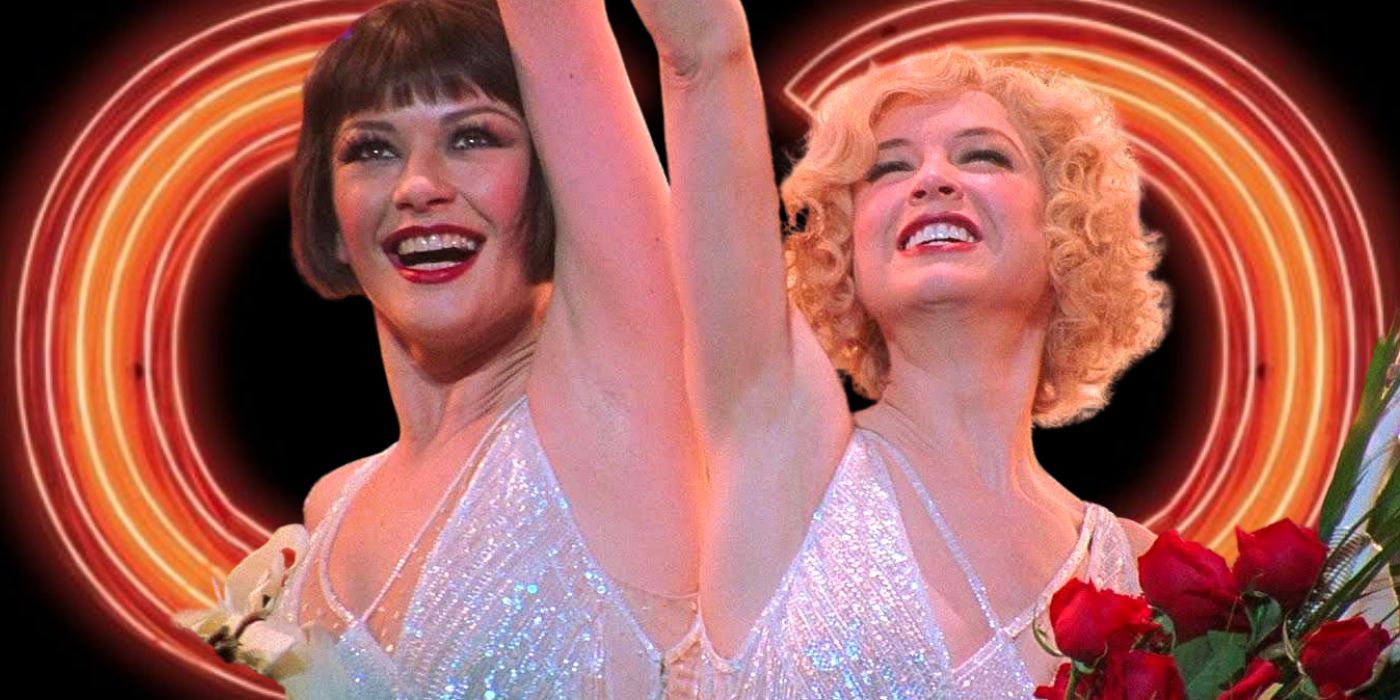
The film Chicago, released in 2002, captivated audiences and critics alike with its dazzling choreography, sharp wit, and stellar performances. Directed by Rob Marshall, it transported viewers to the Prohibition-era jazz clubs and sensationalized courtrooms of the 1920s, telling a story of ambition, murder, and media manipulation. Its win for Best Picture was a significant moment, marking the first musical to claim the top prize since Oliver! in 1968, and solidifying its place in cinematic history.
From Broadway to the Big Screen: The Story of “Chicago”
The journey of Chicago from a Broadway sensation to an Academy Award-winning film is a testament to its timeless appeal. Based on a 1926 play by reporter Maurine Dallas Watkins, who covered actual murder trials in Chicago, the story satirizes corruption within the criminal justice system and the concept of “celebrity criminals.” The musical, with music by John Kander, lyrics by Fred Ebb, and book by Bob Fosse and Ebb, first premiered in 1975. Its revival in 1996 became one of Broadway’s longest-running shows, proving the material’s enduring resonance.
The film adaptation brought this vibrant world to life with an ensemble cast featuring Renée Zellweger as the aspiring vaudevillian Roxie Hart, Catherine Zeta-Jones as the sultry Velma Kelly, and Richard Gere as the charismatic lawyer Billy Flynn. Each delivered powerhouse performances that fused song, dance, and dramatic acting, earning multiple nominations and awards. Catherine Zeta-Jones, in particular, took home the Academy Award for Best Supporting Actress. The film’s critical and commercial success underscored its ability to transport audiences, not just to a different time, but to a city teeming with stories waiting to be told.
Capturing the Spirit: How the Film Reflects the City’s Vibe
While the film Chicago was largely shot on soundstages in Toronto rather than on location, its spirit is undeniably rooted in the historical and cultural fabric of Chicago. The movie brilliantly encapsulates the city’s reputation during the Roaring Twenties: a place of explosive growth, burgeoning modernity, jazz-filled speakeasies, and a darker underbelly often associated with organized crime and sensationalism.
The film’s themes of ambition, reinvention, and the pursuit of the American dream resonate deeply with Chicago’s own narrative. After the devastating Great Chicago Fire of 1871, the city famously rebuilt itself with an unparalleled burst of innovation, giving rise to its groundbreaking architecture and a resilient, forward-looking ethos. This drive for progress and a certain theatrical flair for presentation — whether in business, politics, or entertainment — has always been a hallmark of the Windy City. The film’s portrayal of a city where anything seems possible, where fortunes can be made and lost, and where one can reinvent oneself with enough moxie, mirrors the aspirational spirit that defines Chicago even today. From its world-class museums to its vibrant theater scene and legendary jazz and blues clubs, Chicago continues to be a stage where culture, ambition, and unforgettable experiences take center stage.
Exploring the Windy City: A Tourist’s Guide to Chicago’s Glamour and Grit
To truly appreciate the essence of Chicago, one must walk its streets, gaze upon its towering structures, and immerse oneself in its dynamic atmosphere. Much like the film, the city offers layers of experiences, from sophisticated luxury to down-to-earth charm, promising something for every traveler.
Iconic Landmarks and Architectural Wonders
Chicago’s skyline is arguably one of the most recognizable in the world, a testament to its pioneering role in modern architecture. A visit here is incomplete without exploring its architectural marvels.
One of the most popular starting points is Millennium Park, home to the iconic Cloud Gate, affectionately known as “The Bean”. This reflective sculpture by Anish Kapoor offers stunning, distorted views of the city skyline, making it a perfect spot for photos. Nearby, the Jay Pritzker Pavilion, designed by Frank Gehry, hosts free concerts and events, particularly vibrant during the summer months.
For breathtaking panoramic views, head to the Willis Tower (formerly Sears Tower) and its famous Skydeck, or ascend to 360 Chicago at the John Hancock Center. Both offer unparalleled vistas of the city and Lake Michigan, with the Skydeck’s Ledge providing a thrilling glass box experience that extends beyond the building’s facade.
No architectural tour is complete without taking an acclaimed architectural boat tour along the Chicago River. Led by knowledgeable guides, these tours offer a unique perspective on the city’s history and its groundbreaking structures, revealing how Chicago became the birthplace of the skyscraper. Other notable landmarks include the historic Navy Pier, offering family-friendly attractions and stunning lakeside views, and the world-renowned Art Institute of Chicago, housing an impressive collection of art from across centuries and cultures.
A Taste of Chicago: Culinary Experiences
Chicago’s culinary scene is as diverse and dynamic as its architecture, reflecting the city’s rich immigrant history and innovative spirit. While it boasts a growing number of Michelin-starred restaurants, two quintessential Chicago foods are a must-try for any visitor.
First, the legendary Chicago deep-dish pizza. This iconic dish, with its thick, buttery crust, generous layers of cheese, toppings, and chunky tomato sauce, is more of a pie than a pizza. Famous establishments like Lou Malnati’s and Giordano’s consistently draw crowds, each offering their unique take on this beloved classic. Expect a hearty, satisfying meal that truly embodies comfort food.
Second, the Chicago hot dog. This isn’t just any hot dog; it’s an all-beef frankfurter on a poppy seed bun, “dragged through the garden” with yellow mustard, chopped white onions, bright green sweet pickle relish, a dill pickle spear, tomato slices or wedges, pickled sport peppers, and a dash of celery salt. Absolutely no ketchup allowed! Locals swear by establishments like Portillo’s for an authentic experience.
Beyond these staples, Chicago offers an incredible array of dining experiences, from vibrant ethnic eateries in neighborhoods like Pilsen and Argyle Street to sophisticated fine dining in the West Loop’s “Restaurant Row.” The city also has a thriving craft beer scene, with numerous breweries and taprooms offering innovative local brews.
Arts, Culture, and Entertainment
The creative energy depicted in the film Chicago is alive and well in the city’s thriving arts and culture scene. Chicago is a mecca for performing arts, music, and museums.
For music lovers, Chicago is synonymous with jazz and blues. Historic venues like Kingston Mines and Buddy Guy’s Legends offer an authentic experience, where you can catch world-class musicians perform late into the night. The city’s jazz and blues festivals, held throughout the summer, are also major draws.
The theater district in the Loop brings Broadway productions and local shows to grand historic venues. Comedy is also a Chicago staple, with legendary improvisational theaters like The Second City having launched the careers of countless comedic stars.
Beyond performing arts, Chicago is home to an impressive collection of museums. The Museum Campus along Lake Michigan hosts the Field Museum (natural history), the Shedd Aquarium (one of the largest indoor aquariums), and the Adler Planetarium (astronomy museum). Further south, the Museum of Science and Industry offers interactive exhibits across various scientific disciplines. From the vibrant street art in Pilsen to cutting-edge contemporary galleries, Chicago’s artistic pulse is palpable everywhere.
Accommodation and Lifestyle: Experiencing Chicago Like a Star (or on a Budget)
Whether you dream of a luxurious escape echoing the glamour of the film’s stars or a practical, budget-friendly adventure, Chicago offers a vast array of accommodation options and lifestyle experiences tailored to every preference.
Where to Stay: Hotels and Luxury Experiences
Chicago’s hotel scene is as diverse as its neighborhoods, offering everything from opulent five-star resorts to charming boutique hotels and comfortable budget stays.
For those seeking the ultimate in luxury and sophistication, the city’s renowned establishments along the Magnificent Mile and in River North promise an unforgettable experience. The Langham Chicago, housed in a landmark Mies van der Rohe building, offers impeccable service, a luxurious spa, and stunning river views. The Four Seasons Hotel Chicago and The Peninsula Chicago are synonymous with elegance, featuring lavish amenities, gourmet dining, and prime locations for shopping and cultural attractions. The Waldorf Astoria Chicago provides a chic, residential feel with exceptional personalized service.
Boutique hotels offer a more distinct and often locally inspired experience. Virgin Hotels Chicago, located in the Loop, boasts a vibrant atmosphere with unique design elements and lively social spaces. Near Wrigleyville, Hotel Zachary offers a sophisticated stay with a strong connection to the historic baseball stadium.
Mid-range and budget-friendly options are plentiful throughout the city, particularly in areas like the Loop, Streeterville, and various suburban neighborhoods accessible via public transport. Many offer comfortable amenities, making them ideal for family trips, business stays, or travelers looking to maximize their exploration budget. Whether you prefer the hustle and bustle of downtown or the quieter, local charm of residential areas, Chicago has an accommodation option to suit your style and pocket.

Planning Your Chicago Itinerary: Tips for Every Traveler
Planning your visit to Chicago requires considering the best time to go and how to navigate its sprawling offerings effectively.
The most popular time to visit is during the summer (June to August), when the weather is warm, and the city comes alive with outdoor festivals, concerts in Millennium Park, and vibrant activities along Lake Michigan’s shores. However, this is also peak tourist season, meaning higher prices and larger crowds. Spring (April-May) and Fall (September-October) offer pleasant weather, fewer crowds, and beautiful seasonal foliage, particularly in the city’s many parks. Winter (November-March) can be cold and snowy, but it offers a magical experience with holiday markets, ice skating, and cozy indoor attractions, often with lower travel costs.
Getting around Chicago is easy thanks to its comprehensive public transportation system, the CTA, which includes the famous “L” train and extensive bus routes. Purchasing a multi-day pass is often the most cost-effective way to explore. For those planning to visit multiple attractions, the Chicago CityPASS can offer significant savings on admission to top museums and observatories.
For family trips, consider attractions like the Shedd Aquarium, Field Museum, and Museum of Science and Industry, along with a ride on the Navy Pier Ferris wheel. Romantic getaways can include fine dining, a show in the theater district, and a stroll through Lincoln Park Conservatory. Business travelers will find Chicago well-equipped with conference facilities, excellent dining for client meetings, and efficient transit links.
Ultimately, Chicago is a city that invites exploration and rewards curiosity. Its blend of historical depth, cultural vibrancy, and modern flair ensures that every visit, much like watching a Best Picture-winning film, leaves a lasting impression.
In conclusion, while the question “Did Chicago win Best Picture?” specifically refers to the cinematic triumph of the film Chicago, the answer resonates far beyond the silver screen. The city itself, with its dazzling architecture, captivating history, world-class cuisine, and vibrant arts scene, is a living, breathing masterpiece. It’s a destination that continues to win over hearts and minds, proving itself worthy of its namesake’s acclaim. So, pack your bags and prepare to experience the real-life glamour, grit, and enduring magic of Chicago—a city that truly deserves its own Best Picture status.
LifeOutOfTheBox is a participant in the Amazon Services LLC Associates Program, an affiliate advertising program designed to provide a means for sites to earn advertising fees by advertising and linking to Amazon.com. Amazon, the Amazon logo, AmazonSupply, and the AmazonSupply logo are trademarks of Amazon.com, Inc. or its affiliates. As an Amazon Associate we earn affiliate commissions from qualifying purchases.