
The Plaza Hotel stands as an undisputed beacon of luxury and historical grandeur in the heart of New York City. Its distinctive French Château-style architecture, prominent position overlooking Central Park, and a century-long legacy of hosting royalty, celebrities, and momentous events have cemented its status as a global icon. For many, its name is synonymous with opulence, a quintessential destination for the discerning traveler, and a must-see landmark for anyone exploring the vibrant tapestry of Manhattan. Given its illustrious history and undeniable prominence in the cultural landscape, it’s not uncommon for discussions about its past ownership to surface, particularly regarding figures who have significantly impacted New York’s real estate and public imagination. One name that frequently emerges in these conversations is that of Donald Trump.

Indeed, the question “Did Donald Trump own The Plaza Hotel?” is more than a simple query about property records; it delves into a fascinating chapter of the hotel’s storied existence, a period marked by ambition, high-stakes finance, and significant transformation. The answer, unequivocally, is yes. Donald Trump did own The Plaza Hotel, albeit for a relatively brief but undeniably impactful stretch. His ownership era, spanning from the late 1980s to the mid-1990s, left an indelible mark on the legendary establishment, contributing another layer to its rich historical narrative. This period reflects not only the flamboyant style often associated with Trump’s business dealings but also the economic fluctuations and evolving landscape of luxury accommodation in New York City. To understand the full scope of this ownership and its implications, we must first appreciate the hotel’s enduring legacy, then delve into the specifics of Trump’s tenure, and finally, explore how The Plaza has continued to evolve long after his departure.
An Enduring Icon: The Legacy of The Plaza Hotel
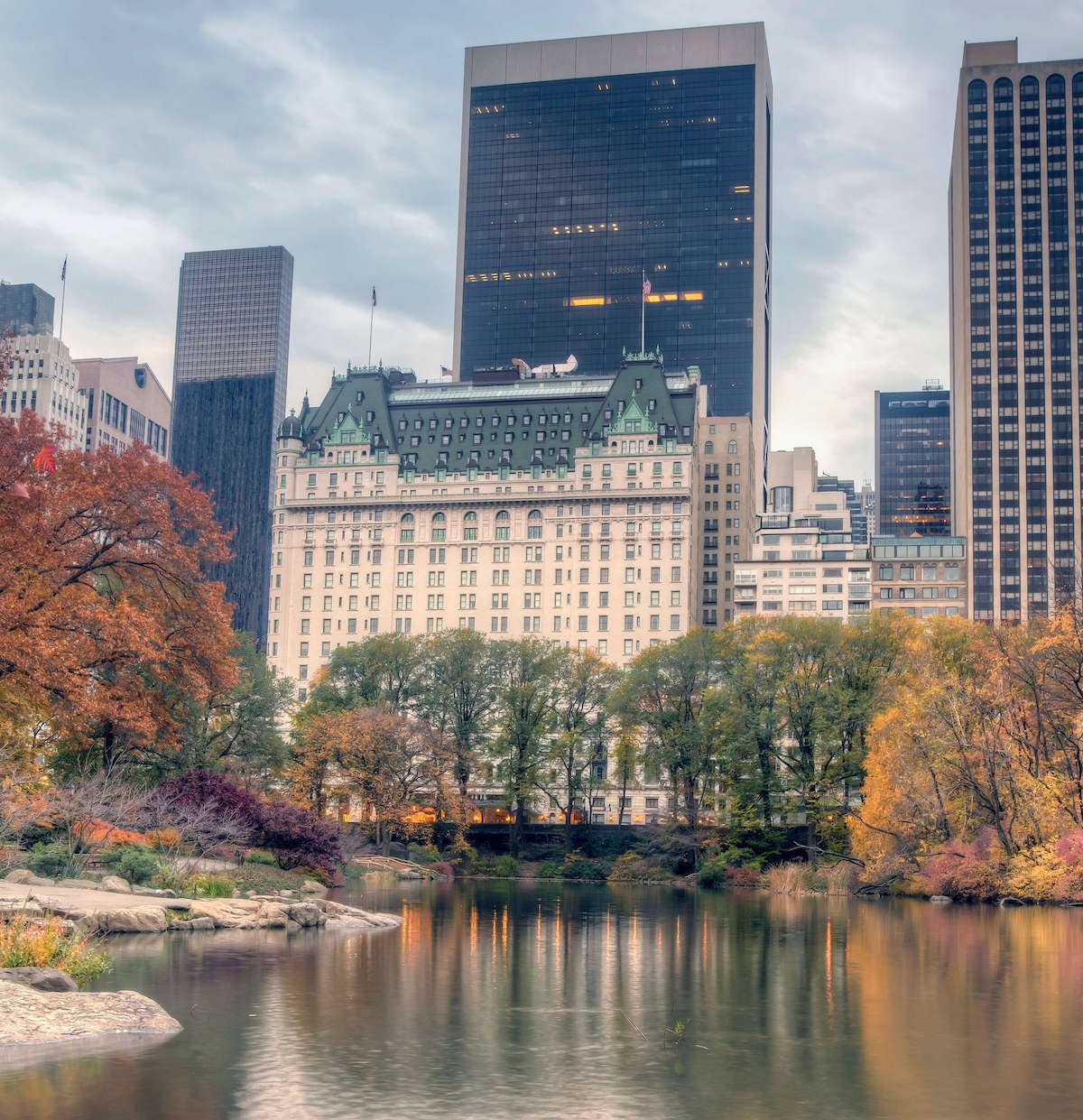
Before examining Donald Trump’s involvement, it’s essential to understand the sheer magnitude of The Plaza’s historical and cultural significance. Opened in 1907, The Plaza Hotel was immediately hailed as a masterpiece, setting new standards for luxury hotels worldwide. Its prime location at Grand Army Plaza, at the intersection of Fifth Avenue and 59th Street, offers unparalleled views of Central Park, making it a coveted destination for both residents and visitors alike.
A Glimpse into Grandeur: Architecture and Design
Designed by the architectural firm Warren and Wetmore, who also famously designed Grand Central Terminal, The Plaza Hotel is a triumph of Beaux-Arts architecture. Its exterior, adorned with intricate details and a distinctive mansard roof, evokes the grandeur of French châteaux, standing in stark contrast to the burgeoning skyscrapers of Manhattan. Inside, the opulence continues with lavish public spaces that have captivated guests for over a century. The renowned Palm Court, with its towering stained-glass dome, has been a timeless setting for afternoon tea, a tradition that epitomizes the hotel’s elegant lifestyle offerings. The Champagne Bar and the former Oak Room (now the Rose Club) and Oak Bar have served as sophisticated havens for generations, offering an atmosphere of classic New York glamour. The hotel’s suites, many offering breathtaking views, embody luxury accommodation with their spacious layouts and exquisite Louis XVI inspired décor. Every detail, from the ornate chandeliers to the hand-carved woodwork, speaks to an unwavering commitment to unparalleled elegance, drawing travelers seeking unique and memorable experiences.
Historical Significance and Cultural Impact
Beyond its architectural marvels, The Plaza has played an indelible role in the cultural fabric of New York City and beyond. It has been the backdrop for countless significant events, from lavish society weddings and political gatherings to iconic literary and cinematic moments. Famed author F. Scott Fitzgerald immortalized the hotel in his masterpiece, The Great Gatsby, specifically placing a pivotal scene in one of its suites. The mischievous adventures of the beloved children’s book character Eloise, created by Kay Thompson, are entirely set within The Plaza’s walls, making it a dream destination for younger visitors and a nostalgic touchstone for adults. Films like North by Northwest, Scent of a Woman, and the festive favorite Home Alone 2: Lost in New York have showcased The Plaza’s distinctive charm to global audiences, cementing its image as a quintessential New York landmark. This deep-seated presence in popular culture, combined with its historical weight, means that The Plaza is not just a hotel; it’s a living piece of history, an attraction in its own right, and a destination that offers a truly unique travel experience, reflecting the very essence of luxury travel and local culture.
The Trump Era: Acquisition, Ambition, and Financial Tides
It was against this backdrop of unparalleled heritage and cultural significance that Donald Trump set his sights on acquiring The Plaza Hotel in the late 1980s. His ownership marked a distinct, often tumultuous, period in the hotel’s long history.
The Pursuit of a Jewel: Trump’s Acquisition
In 1988, Donald Trump, then a prominent New York real estate developer known for his ambitious projects and high-profile persona, purchased The Plaza Hotel for approximately $407 million. He acquired it from Robert M. Bass and his partners, who had bought it from Western International Hotels a few years prior. Trump famously declared The Plaza to be “the Mona Lisa” of hotels, signaling his intent to restore its legendary status to an even greater height. This acquisition was a significant move for Trump, adding a trophy asset to his burgeoning portfolio of luxury properties. He envisioned The Plaza not just as a hotel but as a symbol of ultimate luxury and refined lifestyle, a move that aligned perfectly with his brand. His focus was on enhancing its reputation as a world-class destination for discerning travelers, a testament to its standing among hotels globally.
Renovations, Revelations, and Reputation
During his ownership, Trump embarked on extensive renovations aimed at revitalizing the aging infrastructure while preserving its classic elegance. He invested significant capital in refurbishing guest rooms, public areas, and dining establishments, including the iconic Palm Court. He also famously appointed his then-wife, Ivana Trump, to manage the hotel, a decision that generated considerable public interest. Ivana’s hands-on approach and focus on guest experience, coupled with Donald’s flair for publicity, ensured The Plaza remained a constant fixture in the media. This era also saw The Plaza featured in cultural touchstones like Home Alone 2: Lost in New York, where Trump himself made a brief cameo, further intertwining his personal brand with the hotel’s image. These actions underscored his vision for The Plaza as not merely an accommodation but a prominent cultural attraction and a benchmark for luxury travel experiences.
The Financial Rollercoaster and Eventual Sale
Despite the high-profile ownership and significant investments, Trump’s tenure at The Plaza was fraught with financial challenges. The late 1980s and early 1990s were a period of economic recession, particularly affecting the luxury real estate and hospitality markets. The substantial debt incurred from the acquisition, combined with the costs of renovation and a downturn in the economy, placed immense financial pressure on the hotel. Trump’s business empire faced severe financial difficulties during this period, leading to several renegotiations with creditors.

Ultimately, in 1995, Donald Trump lost control of The Plaza Hotel. He sold his majority stake to a group of investors, including Saudi Arabian Prince Al-Waleed bin Talal and hotelier Richard Fields, for an estimated $325 million, a figure significantly less than his initial purchase price. This sale marked the end of the “Trump era” for The Plaza, concluding a chapter that began with grand ambition and ended with a complex financial restructuring. It illustrated the volatile nature of luxury real estate and the challenges even the most prominent figures face in the high-stakes world of hotel ownership, despite the enduring appeal of such a significant landmark.
Post-Trump Ownership: A New Chapter for a Classic
Following Donald Trump’s departure, The Plaza Hotel embarked on a new phase of its history, passing through the hands of various owners and undergoing significant transformations to adapt to the evolving demands of the modern luxury traveler.
Diverse Proprietors and Modern Transformations
After Prince Al-Waleed bin Talal and Richard Fields acquired The Plaza, they oversaw a period of stabilization and continued operation as a traditional hotel. However, one of the most significant changes in its history occurred in 2004 when the hotel was sold to Elad Properties, an Israeli-owned development company, for an astonishing $675 million. Elad’s plan was revolutionary: to convert much of the hotel into luxury condominiums, retaining only a portion for traditional hotel services. This ambitious project, completed in 2008, transformed The Plaza from a purely hotel operation into a hybrid model, offering ultra-luxury residences alongside its prestigious hotel rooms and suites. This move reflected a broader trend in the luxury real estate market, blending high-end accommodation with exclusive long-term stays, and further cemented The Plaza’s status as a premier address in New York City. The conversion was met with both acclaim and controversy, but it undoubtedly ensured the financial viability and continued relevance of the historic structure in a rapidly changing urban landscape, demonstrating an adaptation strategy for iconic landmarks in the face of modern development.
The Plaza’s Current Status: A Fairmont Managed Property
Today, The Plaza Hotel continues to thrive as an iconic destination. While the ownership structure has seen further evolution, with Qatari state-owned company Katara Hospitality acquiring the majority stake in the hotel portion in 2018, the operational management remains under the highly respected Fairmont Hotels & Resorts brand, which is part of the global hospitality giant Accor. Fairmont’s expertise in managing luxury properties around the world ensures that The Plaza maintains its impeccable standards of service, amenities, and guest experience. This blend of international ownership and world-class management guarantees that the hotel remains at the pinnacle of luxury accommodation, attracting travelers who seek the finest in hotels and resorts. The residential component also continues to draw those looking for long-term stays in one of the city’s most prestigious addresses, making The Plaza a multifaceted symbol of luxury lifestyle and an enduring New York City landmark.
Experiencing The Plaza Today: A Beacon of Luxury and History
Despite its numerous changes in ownership and structural transformations, The Plaza Hotel remains a vibrant and essential part of the New York City landscape, offering an unparalleled experience for visitors and residents alike.
Unparalleled Accommodation and Amenities
For travelers seeking the ultimate in luxury accommodation, The Plaza offers a range of exquisitely appointed rooms and suites. Each space is meticulously designed, blending classic elegance with modern comforts and technology. Guests can choose from various room categories, many offering stunning views of Central Park or the bustling Fifth Avenue. The suites, including the famous Eloise Suite, provide spacious layouts, personalized service, and a level of opulence that defines luxury travel. Beyond the rooms, the hotel boasts an array of world-class amenities designed to cater to every need. These include a lavish spa and fitness center, ensuring guests can relax and rejuvenate. The attentive concierge service is dedicated to crafting personalized experiences, from securing theater tickets to recommending exclusive New York attractions and activities, enhancing the overall tourism experience. Whether for a romantic getaway, a family trip, or a business stay, The Plaza provides an environment of unmatched sophistication and comfort.
Dining and Events: Savoring the Grandeur
The dining experiences at The Plaza are as legendary as the hotel itself. The iconic Palm Court continues its tradition of serving exquisite afternoon tea, an essential New York experience, amidst its breathtaking stained-glass ceiling and lush greenery. The Champagne Bar offers an elegant setting for pre-dinner drinks or a sophisticated evening out, serving fine wines and spirits in an atmosphere of timeless glamour. For more casual yet gourmet options, The Plaza Food Hall (formerly Todd English Food Hall) located in the basement, offers a diverse selection of culinary delights from various vendors, providing a unique food experience within the hotel. Beyond dining, The Plaza’s grand ballrooms and elegant event spaces make it a premier venue for weddings, galas, and corporate functions. These spaces, imbued with historical charm and modern facilities, continue to host some of New York City’s most memorable events, reinforcing its role as a cultural and social hub.
The Plaza as a New York City Landmark and Tourist Attraction
As a quintessential New York City landmark, The Plaza Hotel is more than just a place to stay; it’s a tourist attraction in its own right. Its impressive architecture, historical significance, and prominent location facing Central Park make it a focal point for sightseeing. Visitors often stop to admire its exterior, take photographs, or simply soak in the ambiance of Grand Army Plaza. Many choose to experience a piece of its luxury by enjoying afternoon tea in the Palm Court or a drink at the Champagne Bar, even if they are not staying overnight. This accessibility allows a broader range of travelers to engage with The Plaza’s legendary charm, making it a key destination for local culture and luxury experiences, regardless of whether one is booking a suite or just enjoying a quick visit. It embodies the essence of a travel guide highlight, inviting exploration and appreciation of its architectural beauty and storied past.
The Enduring Allure: Why The Plaza Remains a Legend
In conclusion, the question of whether Donald Trump owned The Plaza Hotel is definitively answered in the affirmative. His ownership from 1988 to 1995 was a vibrant, if financially challenging, chapter in the hotel’s long and illustrious history. It was a period marked by significant renovations, high-profile publicity, and the distinctive style that defined Trump’s business ventures. While his tenure was relatively brief and ended with a divestment, it added another layer to the complex narrative of one of the world’s most famous hotels.
Yet, The Plaza’s allure extends far beyond any single owner or era. Its status as an iconic New York City landmark, a beacon of luxury travel, and a cultural touchstone has endured for over a century, transcending the comings and goings of various proprietors. From its breathtaking Beaux-Arts architecture and its prime location overlooking Central Park to its role in literature, film, and society, The Plaza represents an unchanging standard of elegance and sophistication. Today, under the management of Fairmont Hotels & Resorts and with its unique blend of hotel rooms and luxury residences, it continues to offer unparalleled experiences. For those exploring hotels, tourism, accommodation, or simply seeking famous places and a luxurious lifestyle, The Plaza Hotel remains an essential destination, a timeless testament to grandeur and a living piece of history that continues to captivate the imagination of travelers from around the globe. Its legacy, rich and multifaceted, ensures its position as not just a hotel, but a global legend.
LifeOutOfTheBox is a participant in the Amazon Services LLC Associates Program, an affiliate advertising program designed to provide a means for sites to earn advertising fees by advertising and linking to Amazon.com. Amazon, the Amazon logo, AmazonSupply, and the AmazonSupply logo are trademarks of Amazon.com, Inc. or its affiliates. As an Amazon Associate we earn affiliate commissions from qualifying purchases.