
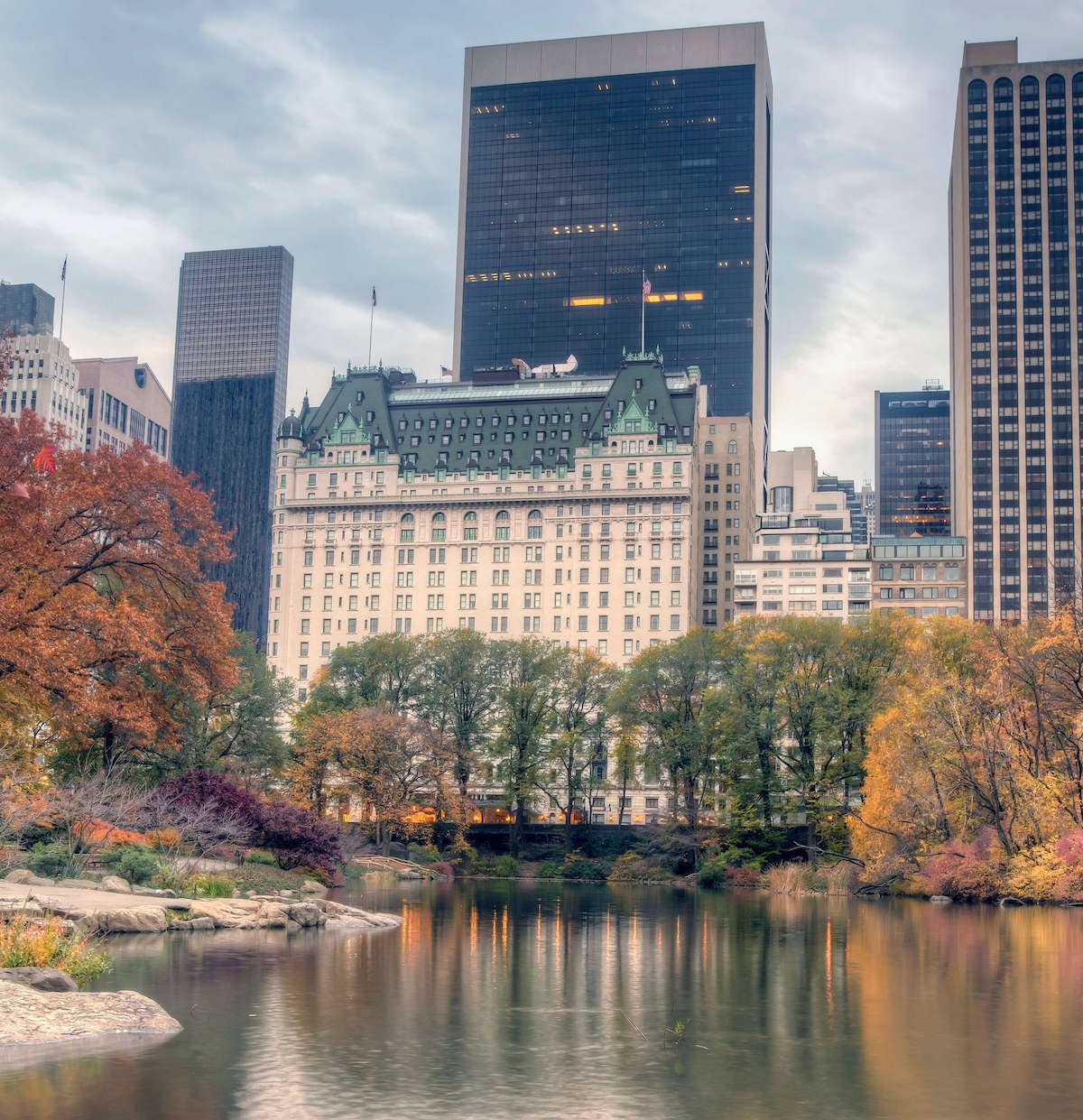
The glittering facade of The Plaza Hotel, an architectural marvel nestled at the intersection of Fifth Avenue and Central Park in New York City, has long been synonymous with unparalleled luxury, timeless elegance, and a rich tapestry of history. For generations, it has stood as a beacon of sophistication, drawing in discerning travelers, celebrities, and those seeking an extraordinary accommodation experience. Its iconic status makes it a frequent subject of public fascination, and among the many questions swirling around its storied past, one often arises: Did Donald Trump own The Plaza Hotel?

The answer, in short, is a resounding yes, though his tenure as owner was a chapter in its long history, marked by both grandeur and significant financial maneuvering. Understanding the full scope of Trump’s involvement requires a journey through the hotel’s illustrious past, its transformation under his stewardship, and its enduring legacy as one of the world’s most famous landmarks. For anyone interested in travel, luxury hotels, urban tourism, or the history of iconic accommodations, The Plaza offers a compelling narrative that transcends simple ownership details, reflecting the evolving landscape of New York’s most prestigious properties.
The Grand Dame of New York: A Brief History of The Plaza Hotel
Before diving into the specifics of Donald Trump’s ownership, it’s essential to appreciate the grandeur and historical significance of The Plaza Hotel itself. Opened in 1907, it was designed to be the greatest hotel in the world, a promise it arguably delivered upon. From its inception, it captured the imagination of travelers and locals alike, quickly establishing itself as a premier destination for those seeking the pinnacle of luxury travel and an immersive experience in New York’s high society.
Architectural Grandeur and Early Days
The Plaza Hotel’s design by Henry Janeway Hardenbergh, who also designed the Dakota Building, is a masterpiece of French Renaissance château style. Its distinctive chateau-like facade, adorned with intricate details and a mansard roof, immediately set it apart from other structures in the city. Strategically positioned at the southeast corner of Central Park, it offered unparalleled views and easy access to the city’s burgeoning cultural and commercial centers. Upon its opening, the cost of a room was a mere $2.50 per night, an unimaginable sum today given its current luxury status and reputation.
From its earliest days, The Plaza attracted an elite clientele. It wasn’t just a place to stay; it was a social hub, hosting debutante balls, lavish weddings, and important political gatherings. Its corridors have witnessed countless historical moments and played host to an array of famous personalities, from literary giants and Hollywood stars to world leaders. Recognized for its historical and architectural significance, The Plaza Hotel was designated a National Historic Landmark in 1986, cementing its place not just as a hotel, but as a vital part of American heritage and a significant landmark for global tourism. Its enduring charm and rich history make it a perennial favorite on guides to must-visit New York attractions, offering a glimpse into the city’s gilded past.
A Symbol of Luxury and Refinement
Over the decades, The Plaza Hotel solidified its reputation as the epitome of luxury and refinement. Its interior spaces, from the opulent Grand Ballroom and the stately Edwardian Room to the iconic Palm Court where afternoon tea is a cherished ritual, exude an old-world charm blended with modern comforts. Each suite and room is designed to offer an experience of bespoke elegance, featuring high ceilings, intricate moldings, and lavish furnishings that transport guests to a bygone era of sophisticated travel.
The amenities at The Plaza have always been a draw for luxury travelers. Beyond the exquisite accommodation, guests could indulge in world-class dining, personalized concierge services, and an atmosphere that catered to every whim. Its appeal extends beyond mere lodging, offering a complete lifestyle experience that embodies the best of high-end hospitality. From romantic getaways to exclusive business stays, The Plaza has consistently delivered an unparalleled level of service and ambiance, making it a dream destination for those seeking an unforgettable stay in New York. Its ability to maintain this standard of excellence through various ownerships speaks volumes about its inherent value as a landmark hotel.
Trump’s Era: Acquisition, Transformation, and Controversy
The 1980s were a period of intense activity and ambition for Donald Trump, who was rapidly expanding his real estate empire across New York City and beyond. His acquisition of The Plaza Hotel was arguably the most flamboyant and significant purchase of his career, a move that would etch his name into the hotel’s history, for better or worse. This period highlights the intersection of business, lifestyle, and the allure of owning a piece of a global icon.
The Acquisition in the 1980s
In 1988, Donald Trump purchased The Plaza Hotel for approximately $407 million. He famously declared it his “greatest trophy,” a statement that perfectly encapsulated his approach to real estate and his desire to own the most prominent and prestigious properties. The acquisition was not just a business transaction; it was a statement, a testament to his ambition and his belief in the inherent value of such an irreplaceable landmark. At the time, Trump envisioned The Plaza not just as a hotel, but as the jewel in his expanding portfolio, a symbol of ultimate luxury and his personal brand.
Upon acquiring the hotel, Trump placed his then-wife, Ivana Trump, in charge of its renovation and management. Ivana took on the role of president, a highly visible and demanding position, and played a crucial role in overseeing significant updates and changes to the historic property. Her involvement underscored the family’s direct hand in steering the future of this iconic establishment, making it a prominent feature in both business and society pages of the era. The decision to invest heavily in its refurbishment reflected a commitment to maintaining its reputation as a world-class luxury destination, catering to high-end travelers and solidifying its position among New York City’s elite accommodation options.
Revitalizing a Landmark
Under the Trumps’ ownership, The Plaza Hotel underwent extensive renovations aimed at restoring its gilded splendor while subtly modernizing certain aspects. Ivana Trump was instrumental in overseeing these changes, ensuring that the hotel’s classic elegance was preserved and enhanced. The objective was clear: to maintain The Plaza’s status as a premier luxury destination, offering guests an unparalleled experience. Investments were made in everything from the individual suites and guest rooms to the grand public spaces, including the Palm Court and the Grand Ballroom.

These revitalizations included updating the infrastructure, refreshing the decor, and ensuring that the hotel’s amenities met the expectations of the most discerning global travelers. The aim was to offer a blend of historical charm with contemporary comfort, making it an even more attractive destination for luxury travel. This period saw The Plaza continue to be a vibrant hub for social events, celebrity sightings, and a favored backdrop for films and television shows, further cementing its place in popular culture. For tourists, it became an even more enticing attraction, a chance to step into a world of opulent hospitality and experience a piece of New York’s legendary lifestyle.
Financial Struggles and the Sale
Despite the grand ambitions and significant investments, Donald Trump’s ownership of The Plaza Hotel was ultimately plagued by financial difficulties, mirroring broader challenges within his business empire during the early 1990s. The colossal debt incurred from the purchase, coupled with a challenging economic climate, placed immense pressure on the hotel’s profitability. While The Plaza continued to operate as a beacon of luxury, the financial realities made its ownership a significant burden.
By 1992, The Plaza filed for bankruptcy, a move that allowed Trump to restructure his debts. However, the handwriting was on the wall. In 1995, after just seven years of ownership, Donald Trump sold his controlling stake in The Plaza Hotel. The sale, which reportedly valued the hotel at around $325 million, was to a consortium led by Prince Al-Waleed bin Talal of Saudi Arabia and CDL Hotels International, a Singaporean real estate company. This marked the end of the Trump era for The Plaza, closing a chapter that had been characterized by both high-profile glamour and intense financial scrutiny. The sale underscored the transient nature of even the most iconic properties in the ever-shifting landscape of high-stakes real estate and hotel ownership.
The Plaza Hotel Post-Trump: A Legacy of Luxury and Changing Hands
The departure of Donald Trump from The Plaza Hotel’s ownership did not diminish its prestige or its role as a premier destination. Instead, the hotel embarked on a new phase, continuing its journey through various ownerships, each leaving its mark on the venerable institution while striving to maintain its status as a global icon of luxury and hospitality. For those tracking the evolution of landmark accommodations, The Plaza offers a fascinating case study in enduring appeal amidst shifting corporate tides.
Subsequent Owners and Modernization
Following the sale by Donald Trump in 1995, The Plaza Hotel changed hands several more times, each ownership group bringing its own vision and strategy for the iconic property. For a period, it was managed by Fairmont Hotels and Resorts, a brand synonymous with luxury accommodation, which helped to uphold its high standards of service and guest experience.
A significant transformation occurred in 2004 when the hotel was purchased by Elad Properties, an Israeli development company. Elad’s plan was audacious: to convert a substantial portion of the hotel into luxury condominiums, a trend seen in other historic New York properties. This conversion drastically reduced the number of hotel rooms, transforming what was once a purely hotel operation into a hybrid model, offering both traditional hotel stays and long-term residential accommodation. The residential units quickly became some of the most sought-after and expensive real estate in New York City, appealing to a niche market of affluent individuals seeking the prestige and services associated with The Plaza.
Later, in 2012, control of The Plaza passed to a joint venture involving the Sahara Group of India and subsequently to Katara Hospitality, a hospitality owner, developer, and operator based in Qatar. Each owner contributed to the ongoing modernization and preservation efforts, ensuring that despite changes in structure, The Plaza retained its historical essence and continued to offer a world-class luxury lifestyle experience, attracting visitors for both short-term stays and long-term residential living.
Enduring Appeal as a Destination
Regardless of its various owners and structural changes, The Plaza Hotel’s allure as a premier travel destination has remained undiminished. It continues to attract tourists and discerning travelers from around the globe who are eager to experience its legendary hospitality and immerse themselves in its rich history. Its location, directly across from Central Park, offers guests unparalleled access to one of New York City’s most beloved green spaces, perfect for leisurely strolls, picnics, or simply enjoying the vibrant urban atmosphere.
Beyond its physical attributes, The Plaza holds a special place in popular culture. It is famously featured in numerous films, including classics like North by Northwest, The Way We Were, and more recently, Home Alone 2: Lost in New York, where young Kevin McCallister enjoys a lavish stay. It is also the iconic setting for Kay Thompson’s beloved Eloise books, delighting generations of children and their parents. These cultural touchstones enhance its appeal, making a stay or even a visit to The Plaza feel like stepping into a storybook.
Today, The Plaza continues to offer a range of experiences, from its famous afternoon tea in the Palm Court to exquisite dining at its various restaurants, and luxury shopping within its premises. It remains a top choice for those seeking to indulge in luxury travel, explore New York’s local culture, and experience an authentic slice of its historical grandeur. Its enduring appeal as a landmark and a world-class hotel is a testament to its unique character, impeccable service, and irreplaceable location.
Conclusion: The Answer and The Legacy
So, did Donald Trump own The Plaza Hotel? Absolutely. For a significant period from 1988 to 1995, he was the proprietor of this esteemed New York City landmark, a period he often referred to as owning “the best building in the world.” His tenure was a dynamic chapter marked by ambitious renovations, personal involvement from his then-wife Ivana, and ultimately, a high-profile sale driven by financial pressures.
The story of Donald Trump’s ownership of The Plaza Hotel is more than just a real estate transaction; it’s a narrative intertwined with the hotel’s long and illustrious history, showcasing the ebb and flow of luxury hospitality and the enduring allure of iconic properties. While Trump’s name is now just one among many in The Plaza’s lineage of owners, his impact on its modernization during his brief stewardship is an undeniable part of its journey.
Today, The Plaza Hotel continues to stand as a symbol of timeless elegance, a cherished destination for global travelers, and an architectural masterpiece overlooking Central Park. Its legacy as a beacon of luxury, a cultural touchstone, and an unparalleled accommodation experience transcends any single owner. For anyone planning a visit to New York City, a stop at The Plaza – whether for a luxurious stay, a delightful afternoon tea, or simply to marvel at its grandeur – offers a tangible connection to a century of history, glamour, and the quintessential New York experience. Its story serves as a reminder that true landmarks possess a spirit and appeal that outlast individual chapters, continuing to draw visitors into their captivating embrace for generations to come.