
As one of the United States’ premier travel destinations, Florida consistently captivates visitors with its sun-drenched beaches, world-renowned theme parks, and vibrant cultural experiences. From the thrilling rides of Orlando to the art deco splendor of Miami‘s South Beach and the laid-back charm of Key West, the Sunshine State offers an unparalleled array of attractions that draw millions annually. With such a diverse tourism landscape, travelers often wonder about the various aspects of local laws, especially concerning evolving topics like cannabis. A common question echoing through the corridors of travel forums and among prospective visitors is, “Has Florida legalized recreational weed?” For those planning their next Florida getaway, understanding the current legal framework surrounding cannabis is crucial for a smooth and compliant travel experience. The short answer, for now, is no; recreational marijuana remains illegal in Florida. However, the situation is dynamic, with significant developments on the horizon that could reshape the state’s cannabis landscape.

This comprehensive guide will delve into the current legal status of cannabis in Florida, explore the upcoming ballot initiative that could change everything, and offer essential advice for travelers and residents alike, all while keeping in mind the broader context of travel, accommodation, and lifestyle in this popular destination.
The Current Landscape: Medical Marijuana in Florida
While recreational cannabis is not yet legal, Florida does operate a well-established and robust medical marijuana program. This program has been in place since 2016, following the overwhelming passage of Amendment 2, which authorized the use of marijuana for qualifying medical conditions. For years prior, a more restrictive low-THC cannabis program existed, but Amendment 2 significantly expanded access and the types of products available to registered patients.
Understanding Florida’s Compassionate Use Program
The Florida Medical Marijuana Program allows qualifying patients to obtain and use cannabis products for specific debilitating medical conditions. To participate, individuals must meet several strict criteria:
- Residency: Patients must be permanent or seasonal residents of Florida.
- Qualifying Conditions: A comprehensive list of conditions includes cancer, epilepsy, glaucoma, HIV/AIDS, PTSD, ALS, Crohn’s disease, Parkinson’s disease, multiple sclerosis, and other comparable debilitating medical conditions as determined by a qualified physician.
- Physician Recommendation: Patients must be evaluated by a physician who has completed a specific course and registration with the state. This physician must certify that the patient has a qualifying condition and that medical marijuana would be beneficial.
- State Registry: Once recommended by a qualified physician, patients must apply to the Florida Office of Medical Marijuana Use (OMMU) to receive a medical marijuana use registry identification card. This card is essential for purchasing products from licensed dispensaries.
These licensed dispensaries, often called Medical Marijuana Treatment Centers (MMTCs), are regulated by the state and are the only legal outlets for medical cannabis products. Companies like Trulieve, Curaleaf, MÜV, Surterra Wellness, and Fluent Cannabis Care operate numerous locations across the state, offering a wide array of products, including oils, tinctures, edibles, vapes, and flower. Each purchase is tracked to ensure patients remain within their prescribed limits.
For tourists, this means that even if you have a medical marijuana card from another state, it is not currently recognized in Florida. Therefore, purchasing medical cannabis without a valid Florida medical marijuana card is illegal, and possession without one can lead to legal penalties. This is a critical distinction for anyone traveling to the state, highlighting the importance of understanding local laws before your trip.
The Push for Recreational Legalization: Amendment 3
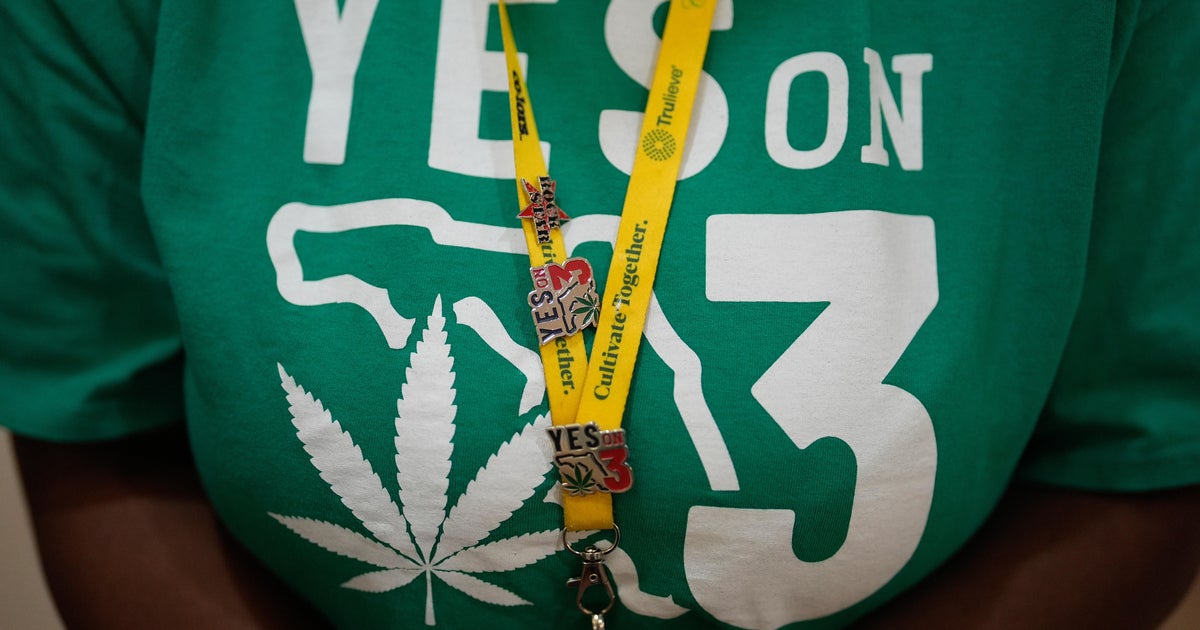
The future of cannabis in Florida is poised for a potentially monumental shift, with a recreational marijuana initiative officially placed on the ballot for November 2024. This initiative, known as Amendment 3, represents the culmination of years of advocacy and legal battles, aiming to bring Florida in line with a growing number of states that have legalized cannabis for adult use.
What Amendment 3 Entails for Travelers and Residents
Amendment 3, titled “Adult Personal Use of Marijuana,” proposes to legalize recreational cannabis for adults 21 years of age and older. If passed, it would introduce several significant changes:
- Possession and Purchase: Adults would be permitted to possess and purchase up to three ounces of cannabis.
- Retail Sales: Existing licensed medical marijuana treatment centers would be authorized to sell cannabis products to adults for recreational use. This means the infrastructure for dispensaries is already largely in place.
- State Regulation: The amendment would grant the Florida Legislature the authority to enact laws regarding the testing, packaging, and sale of cannabis products, ensuring a regulated market.
- No Home Cultivation: Notably, Amendment 3 does not currently include provisions for home cultivation, a common feature in many other states where recreational cannabis is legal.
For travelers, the passage of Amendment 3 could open up an entirely new dimension of travel experiences in Florida. Imagine visiting Miami’s vibrant neighborhoods or relaxing in the Florida Keys with the option to legally purchase cannabis. This could position Florida as a significant destination for cannabis tourism, attracting visitors who seek states with adult-use access. For residents, it would fundamentally alter personal freedoms regarding cannabis use and significantly impact local commerce and public policy.
The Road Ahead: Voting and Implementation
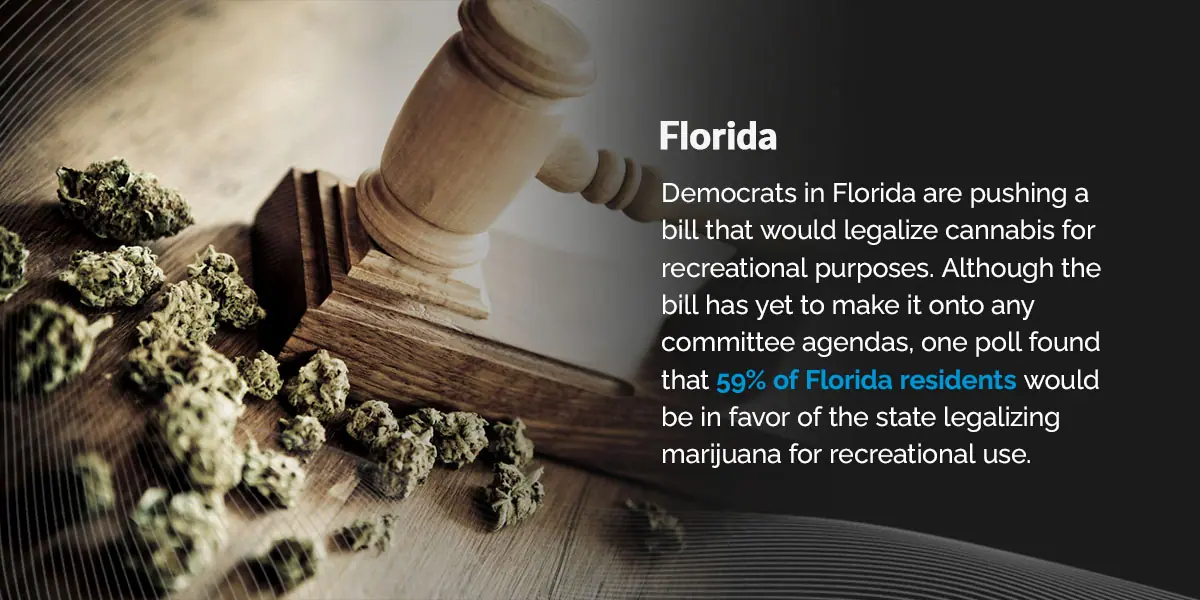
The path to legalization through Amendment 3 is challenging. For a citizen-initiated constitutional amendment to pass in Florida, it requires a supermajority of 60% voter approval. This is a high bar, often making such initiatives difficult to pass, as seen with past ballot measures in the state. Proponents of Amendment 3 highlight the potential for substantial tax revenue, job creation, and personal liberty. They argue that regulation would allow for safer products and divert resources from prosecuting minor cannabis offenses. Opponents, on the other hand, raise concerns about potential public health impacts, increased impaired driving, and the perceived normalization of drug use, despite the evidence from other states.
Should Amendment 3 pass, the implementation process would not be immediate. The Florida Legislature and state agencies would need to establish detailed regulations for the new recreational market, including licensing, cultivation, processing, distribution, and retail sales. This could take months, if not over a year, before recreational dispensaries are fully operational. Therefore, even if voters approve the amendment in November 2024, recreational sales would likely not begin until 2025 or even later. Travelers planning future trips should keep this timeline in mind and stay updated on the latest legislative developments.
Implications for Florida Tourism and Lifestyle
The potential legalization of recreational cannabis carries significant implications for Florida’s massive tourism industry and the lifestyle of its residents. As a state that relies heavily on visitors, the emergence of a regulated cannabis market could redefine certain aspects of the Florida experience.
Navigating Accommodation and Public Spaces
One of the primary concerns for travelers and residents alike, if Amendment 3 passes, will be where and how cannabis can be consumed. Even in states where recreational marijuana is legal, public consumption is almost universally prohibited. This means that smoking or vaping cannabis in public spaces, such as beaches, theme parks like Walt Disney World Resort or Universal Studios Florida, outdoor dining areas, or even sidewalks, would likely remain illegal and subject to fines. Enforcement would certainly be stringent in family-friendly destinations like Orlando and at resort properties across the state.
Accommodation policies will also be a critical factor. Hotels, resorts, and vacation rentals typically have strict no-smoking policies, which extend to tobacco, vapes, and often, cannabis. Even if legal, guests would likely be prohibited from consuming cannabis within their rooms or on hotel property. Many establishments, particularly those catering to families or luxury travelers, might maintain a zero-tolerance policy to uphold their brand image and guest experience. The rise of cannabis-friendly hotels or specialized accommodations could emerge, similar to trends seen in states like Colorado or California, but this would be a gradual development. For now, guests should always inquire directly with their chosen accommodation regarding their specific cannabis policies to avoid any issues or additional cleaning fees.
Furthermore, the federal illegality of cannabis adds another layer of complexity. Even if Florida legalizes recreational use, cannabis remains illegal under federal law. This means that transporting cannabis across state lines, even between two states where it’s legal, is a federal crime. It also prohibits consumption on federal lands, such as national parks like Everglades National Park, and potentially impacts banking and business operations within the cannabis industry. Travelers flying into or out of Florida airports must understand that bringing cannabis through TSA checkpoints is strictly prohibited, regardless of state law.
Comparing Florida to Other Cannabis-Friendly Destinations
Florida’s journey towards potential recreational cannabis legalization places it within a growing group of states that have embraced adult-use markets. States like Colorado, which legalized recreational cannabis in 2012, have seen significant economic benefits, including substantial tax revenues directed towards education and public services. California, Nevada, and Massachusetts are other examples where cannabis tourism has become a recognized, albeit niche, segment of their travel industries.
If Amendment 3 passes, Florida would become the most populous state in the southern United States to legalize recreational cannabis, making it a unique draw for travelers from neighboring states and beyond. Its existing tourism infrastructure, which includes world-class resorts, diverse attractions, and international airports, would provide a ready-made platform for a thriving cannabis tourism sector. Visitors could enjoy a day at Daytona Beach, explore the historic streets of St. Augustine, or experience the vibrant nightlife of Tampa or Jacksonville, with the added dimension of legal cannabis access.
However, Florida’s approach would likely differ in some respects from other states. Given its strong family tourism focus, advertising and public consumption rules might be more restrictive. The state might emphasize responsible use and integrate cannabis sales discreetly, rather than promoting overt cannabis-themed attractions. The challenge for Florida would be to balance the potential economic benefits of a recreational market with maintaining its family-friendly image and ensuring public safety and compliance with existing regulations.
Essential Travel Tips and Responsible Practices
Whether you are visiting Florida today or planning a trip after potential legalization, responsible travel practices are paramount. Understanding and respecting local laws is key to an enjoyable and trouble-free vacation.
Staying Informed and Enjoying Your Florida Experience
Currently (Before November 2024 Election):
- Recreational Cannabis is Illegal: Do not purchase, possess, or consume recreational cannabis in Florida. Penalties can range from fines to jail time, depending on the quantity.
- Medical Marijuana is for Residents Only: Your out-of-state medical marijuana card is not valid in Florida. Attempting to purchase from a dispensary with an out-of-state card is illegal.
- No Interstate Transport: Never attempt to bring cannabis across state lines into Florida or through airport security. This is a federal offense.
- Respect Public Spaces: Even if you have medical cannabis as a Florida resident, public consumption is generally prohibited.
If Amendment 3 Passes (Post-November 2024 Election and Implementation):
- Patience is Key: Recreational sales will not begin immediately after the election. Stay informed about the implementation timeline.
- Federal Law Still Applies: Remember that cannabis remains federally illegal. Do not transport it across state lines or through airports.
- Public Consumption Restrictions: Expect public consumption to remain illegal. This includes beaches, parks, amusement parks (e.g., Disney Springs, Universal CityWalk), and other public areas.
- Check Accommodation Policies: Always confirm the cannabis policy of your hotel, resort, or vacation rental. Most will likely maintain no-smoking policies.
- Responsible Consumption: If you choose to consume cannabis, do so responsibly and discreetly, respecting local laws and the privacy of others. Do not drive under the influence.
- Purchase from Licensed Dispensaries: Once legal, only purchase cannabis products from state-licensed dispensaries to ensure safety and compliance.
Florida’s appeal as a travel destination extends far beyond its legal cannabis status. Its pristine Gulf Coast and Atlantic Coast beaches, vibrant cities like Fort Lauderdale and Pensacola, and diverse natural landscapes offer endless opportunities for adventure, relaxation, and cultural immersion. Whether you’re exploring the historic charm of St. Augustine, marveling at marine life, or simply soaking up the sun, Florida promises an unforgettable experience.
By staying informed about the current laws and any upcoming changes, travelers can ensure their visit to the Sunshine State is not only enjoyable but also respectful of its regulations. The conversation around cannabis legalization in Florida is evolving, and with Amendment 3 on the horizon, the landscape may soon transform. Until then, responsible travel, adherence to current laws, and a focus on Florida’s myriad legitimate attractions will ensure a truly spectacular and compliant trip.
LifeOutOfTheBox is a participant in the Amazon Services LLC Associates Program, an affiliate advertising program designed to provide a means for sites to earn advertising fees by advertising and linking to Amazon.com. Amazon, the Amazon logo, AmazonSupply, and the AmazonSupply logo are trademarks of Amazon.com, Inc. or its affiliates. As an Amazon Associate we earn affiliate commissions from qualifying purchases.