
The very question, “Did it snow in Florida today?”, often elicits a chuckle from those familiar with the Sunshine State’s perpetually warm and humid climate. Florida, a peninsular state embraced by the Atlantic Ocean to its east and the Gulf of Mexico to its west, is globally renowned for its pristine beaches, vibrant theme parks, and year-round outdoor lifestyle, all facilitated by its famously balmy weather. When one pictures Florida, images of sun-drenched sands, swaying palm trees, and perhaps a friendly manatee gracefully gliding through crystal-clear waters typically come to mind, not snowflakes gently falling from the sky.
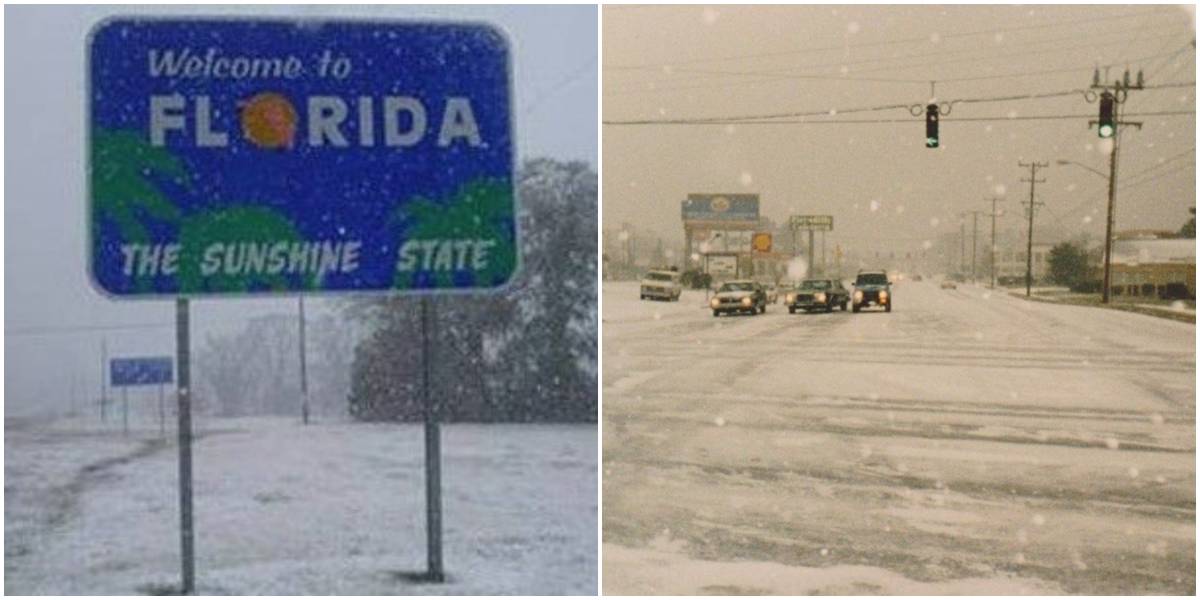
Yet, the idea of snow in Florida isn’t entirely a figment of imagination. While exceedingly rare and certainly not an everyday occurrence, Florida has, on a handful of historic occasions, experienced the fleeting magic of snowfall. This phenomenon, when it does occur, is usually limited to the northernmost reaches of the state, particularly the Florida Panhandle, and often manifests as a light dusting or flurries that quickly melt upon contact with the relatively warm ground. The likelihood of waking up to a blanket of snow in major metropolitan areas like Miami, Orlando, or Tampa on any given day is virtually non-existent.

This article delves into the fascinating anomaly of snow in Florida, exploring the climatic factors that make it so rare, recounting the few times the state has seen white flakes, and, perhaps more importantly for travelers, elucidating what a Florida winter truly entails. For those planning a getaway, understanding the state’s typical “cool” season is crucial for enjoying its unparalleled attractions, accommodations, and unique lifestyle.
The Rarity of Snow in the Sunshine State
The very essence of Florida’s appeal as a travel destination lies in its consistent warmth. This climate is a fundamental aspect of the tourism industry here, drawing millions seeking refuge from colder northern winters. The infrequency of snow is not accidental; it’s a direct consequence of the state’s geographical position and prevailing weather patterns.
A Glimpse into Florida’s Climate
Florida’s climate is predominantly subtropical in its northern and central regions, transitioning to a truly tropical climate in its southern tip, including the Florida Keys. This geographical positioning places it squarely in a zone characterized by mild winters, hot and humid summers, and a general lack of extreme cold.
The primary reason for this warmth is Florida’s low latitude, meaning it is relatively close to the equator. This ensures that the sun’s rays hit the state more directly throughout the year, leading to higher average temperatures. Furthermore, the state is surrounded by vast bodies of water – the Atlantic Ocean and the Gulf of Mexico – which act as natural insulators. These warm waters moderate temperatures, preventing them from dropping drastically, even during the winter months. The Gulf Stream, a powerful ocean current carrying warm water from the tropics northward along the U.S. East Coast, plays a significant role in keeping Florida’s eastern coast particularly mild.
For snow to fall, a very specific and rare combination of meteorological conditions must occur: temperatures must be at or below freezing both at ground level and throughout the entire column of air where precipitation is forming. In Florida, while ground temperatures can occasionally dip below freezing, the upper atmospheric conditions rarely sustain the necessary cold for snow formation and persistence.
Historical Snowfall Events in Florida
Despite these climatic realities, Florida has indeed witnessed snow, albeit as a memorable and often bewildering event. One of the most significant and widespread snowfalls occurred on January 19, 1977. This historic day saw snow fall as far south as Miami, marking the only time in recorded history that snow reached this tropical city. Residents awoke to a light dusting, an unprecedented sight that halted traffic and delighted children who had never seen the phenomenon before. In Tampa, this event marked the city’s only measurable snowfall on record, with flakes accumulating up to half an inch in some areas.
Other notable instances include:
- February 13, 1899: This event is often cited as the coldest temperature ever recorded in Florida, with widespread snow flurries and accumulations observed across northern and even central parts of the state. Tallahassee, the state capital, saw several inches.
- December 22, 1989: A significant cold snap brought snow flurries and light accumulation to much of northern Florida, including Jacksonville. This was a memorable white Christmas for many in the Florida Panhandle.
- January 2-3, 2018: Parts of northern Florida, particularly around Tallahassee and Pensacola, experienced a rare snow event, with accumulations of up to 1-2 inches in some areas. Schools and businesses closed, and images of palm trees dusted with snow quickly went viral, again highlighting the extraordinary nature of the event.

These rare occurrences are typically driven by unusually strong Arctic cold fronts that manage to push deep into the southern United States, combined with sufficient moisture in the atmosphere. However, these conditions are fleeting, and the snow rarely lasts more than a few hours before melting.
What Florida Winters Are Like
While snow is an extreme rarity, the winter months (roughly December through February) in Florida are undeniably different from the scorching summers. This “cool” season offers a distinct charm and is, for many, the absolute best time to visit, providing an ideal climate for travel and exploration.
Embracing the “Cool” Season
Florida’s winter is characterized by mild, pleasant temperatures, often ranging from the low 60s to mid-70s Fahrenheit (15-24°C) during the day across most of the state. Nights can be cooler, especially in northern and central Florida, sometimes dipping into the 40s (4-9°C), but hard freezes are uncommon outside of the northernmost counties.
One of the most appealing aspects of a Florida winter is the significantly lower humidity. After the oppressively muggy summer months, the crisp, dry air of winter is a welcome change. This makes outdoor activities much more comfortable, allowing visitors and residents alike to fully enjoy the state’s natural beauty without the constant battle against heat and sweat. The skies are often brilliantly clear, and the gentle breezes make conditions perfect for everything from beach strolls to rounds of golf.
It’s important to note that even within Florida, there’s a climatic gradient. While South Florida (e.g., Miami, Fort Lauderdale, Naples) maintains a very warm, almost summery feel throughout winter, Central Florida (e.g., Orlando, Tampa) experiences a more noticeable cool down, and North Florida (e.g., Jacksonville, Gainesville) can occasionally experience genuinely chilly days, making light jackets or sweaters a necessity.
Winter Activities and Attractions
The mild winter weather transforms Florida into an outdoor enthusiast’s paradise. It’s an opportune time for travel and exploration, free from the intense summer heat and hurricane season concerns.
- Theme Parks: Orlando’s world-famous theme parks, including Walt Disney World Resort, Universal Orlando Resort, and SeaWorld Orlando, are particularly enjoyable during the winter. While crowds can still be significant, especially around holidays, the cooler temperatures make long days of walking and waiting in lines far more manageable. Water parks might be a bit brisk for some, but main park attractions remain in full swing.
- Beaches: While swimming in the Atlantic or Gulf might be too cool for some in January and February, the beaches remain perfect for sunbathing, shelling, leisurely walks, and enjoying breathtaking sunsets. Destinations like Siesta Key Beach, Clearwater Beach, and South Beach Miami still draw crowds seeking coastal relaxation.
- Outdoor Adventures: Winter is prime time for exploring Florida’s diverse natural landmarks. Everglades National Park is teeming with wildlife, and the cooler, drier conditions make airboat tours and hiking trails much more comfortable. Manatees congregate in warmer spring waters like those at Blue Spring State Park, offering incredible viewing opportunities. Golfing, fishing, kayaking, and cycling are all popular activities that thrive in the winter climate.
- Cultural Exploration: Cities like St. Augustine, the nation’s oldest continuously inhabited European-established settlement, become even more inviting. Exploring historic sites like the Castillo de San Marcos or wandering the cobblestone streets is a delight without the oppressive summer heat. Sarasota’s cultural scene, home to the Ringling Museum of Art, and St. Petersburg’s renowned Salvador Dalí Museum offer enriching experiences perfect for a mild winter day.
Seasonal Events and Festivals
Florida’s winter season is also packed with unique events and festivals, adding another layer to the state’s vibrant tourism appeal.
- Holiday Events: Leading up to Christmas and New Year’s, many Florida cities and attractions host spectacular light displays, parades, and festive celebrations. Walt Disney World’s “Mickey’s Very Merry Christmas Party” and Universal Orlando’s “Grinchmas” are major draws.
- Art and Music Festivals: The cooler weather is ideal for outdoor art shows, music festivals, and craft fairs that pop up across the state. Art Basel Miami Beach in early December is a world-renowned event attracting art enthusiasts globally, while numerous local festivals celebrate everything from seafood to strawberries.
- Sporting Events: Florida is a hub for winter sports. Bowl games for college football, spring training baseball, and various professional sports (NBA, NHL) provide plenty of entertainment options for sports fans. The Daytona 500 kicks off the NASCAR season in February, drawing massive crowds.
- Wildlife Viewing: Beyond manatees, winter is prime bird-watching season, as migratory birds flock to Florida’s wetlands and coasts. The nesting season for many species also begins, offering unique opportunities for nature experiences.
Planning Your Florida Winter Escape
Understanding Florida’s winter characteristics is the first step in planning an unforgettable trip. Whether you’re seeking a luxury retreat, a budget-friendly family adventure, or a long-term stay, the state offers diverse options tailored to every lifestyle and preference.
Choosing Your Destination: From Beaches to Theme Parks
Your choice of destination will largely depend on the type of travel experience you seek:
- Theme Park Thrills: For families and thrill-seekers, Orlando remains the undisputed capital. With Walt Disney World (including Magic Kingdom, Epcot, Hollywood Studios, and Animal Kingdom), Universal Orlando Resort (home to Universal Studios Florida and Islands of Adventure), and SeaWorld Orlando all within reach, it’s a hub of entertainment.
- Beach & City Vibes: Miami offers a cosmopolitan blend of stunning beaches, vibrant nightlife, art deco architecture, and rich Cuban culture. Its South Beach is iconic. Fort Lauderdale, often called the “Venice of America” due to its extensive canal system, provides a sophisticated coastal escape.
- Relaxed Coastal Getaways: Sarasota and Naples on the Gulf Coast are known for their pristine beaches, upscale amenities, and a more relaxed pace. Amelia Island in North Florida offers a charming, historic beach town experience with a touch of Southern hospitality.
- History & Culture: St. Augustine is a must-visit for history buffs, while Key West at the very end of the Florida Keys provides a unique blend of Caribbean flair, artistic lifestyle, and a fascinating maritime past.
- Nature & Wildlife: For those seeking immersion in nature, Everglades National Park is unparalleled. The Florida Keys also offer incredible opportunities for snorkeling, diving, and fishing among vibrant coral reefs.
Accommodation Options for Every Traveler
Florida’s accommodation landscape is as diverse as its attractions, catering to every budget and style of travel.
- Luxury Resorts: Brands like The Ritz-Carlton, Four Seasons, and St. Regis have a strong presence in Florida’s premier destinations like Miami, Palm Beach, and Naples, offering unparalleled service, world-class spas, and gourmet dining. Disney’s Grand Floridian Resort & Spa is a prime example of luxury travel within the theme park realm.
- Family-Friendly Hotels: Many hotels and resorts cater specifically to families, especially in Orlando. Options range from moderate Disney resorts to expansive properties like the Hyatt Regency Grand Cypress, offering extensive amenities like multiple pools, kids’ clubs, and shuttle services.
- Vacation Rentals & Villas: For longer stays or groups, villas and apartments booked through platforms like Airbnb or VRBO are incredibly popular. These offer more space, privacy, and often a kitchen, which can be ideal for a long-term stay or a family trip.
- Budget-Friendly Options: Florida also provides numerous affordable hotels and motels, especially outside of peak season or in less tourist-heavy areas. Budget travel is certainly possible with careful booking and comparison.
- Unique Stays: From historic bed and breakfasts in St. Augustine to boutique hotels in South Beach, there are countless unique accommodation options to enhance your experience. Always check reviews before booking to ensure quality.
Lifestyle and Experiences
A winter visit to Florida truly caters to a diverse range of lifestyles. For those seeking luxury travel, the state offers exclusive dining, high-end shopping on Worth Avenue in Palm Beach or Bal Harbour Shops near Miami, and private yacht charters. Business stays are easily accommodated in major cities like Orlando, Miami, and Tampa, which boast convention centers and corporate-friendly hotels.
Families will find an abundance of child-friendly attractions and resorts that specialize in creating memorable family trips. Budget-conscious travelers can still enjoy Florida by leveraging free attractions like public beaches and parks, exploring state parks, and taking advantage of off-peak season deals (though winter is often peak season in South Florida).
For many, Florida’s winter is also about embracing a more relaxed pace of life. Enjoying fresh seafood by the ocean, taking scenic drives through picturesque coastal towns, or simply unwinding by a heated pool are all part of the quintessential Florida lifestyle during these months.
So, while the chances of snow falling in Florida today are incredibly slim, the prospect of a fantastic winter getaway under sunny skies is virtually guaranteed. The state offers a unique blend of warmth, adventure, and relaxation that makes it an unrivaled destination for escaping the cold. Whether you’re chasing thrills at a theme park, lounging on a pristine beach, or exploring historic sites, Florida’s winter promises an experience that’s anything but ordinary, and certainly free from the need for snow boots.