
The piercing wail of sirens, the disorienting flash of emergency lights, and the pervasive scent of uncertainty – these are the sensory hallmarks of a city grappling with a crisis. For New York City, a global beacon of resilience and a nexus of human endeavor, the question, “Did New York Get Bombed?” evokes a visceral, albeit thankfully historical, response. While thankfully not a contemporary event, the specter of such an attack has, at various points, cast a shadow over the metropolis, prompting significant historical reflection and underscoring the city’s enduring capacity for recovery and reinvention. This exploration delves into the historical context of such fears and the monumental efforts that have shaped New York‘s preparedness and unwavering spirit in the face of potential threats.

Echoes of the Past: The History of Bomb Threats and Attacks in New York City
The narrative of New York City is inextricably linked with its role as a global stage, a position that unfortunately renders it a potential target for those seeking to sow discord and fear. While the city has largely been spared the devastating impact of large-scale bombings in its modern history, the threat has been a palpable undercurrent, shaping security measures and public consciousness.
Early 20th Century Anxieties and the Wall Street Bombing
The early 20th century was a period of burgeoning industrialization and significant social upheaval, and New York, as the nation’s economic heart, was not immune to these tensions. The most significant historical incident that directly answers the titular question occurred on September 16, 1920.
The Wall Street Bombing of 1920: A Defining Moment
On that fateful afternoon, a horse-drawn wagon, laden with explosives and shrapnel, detonated at the intersection of Wall Street and Broad Street, directly across from the New York Stock Exchange. The blast was immense, shattering windows for blocks, collapsing facades, and tragically claiming the lives of 38 people, while injuring hundreds more. The attack, which remains officially unsolved, was widely attributed to anarchists, reflecting the intense political radicalism of the era. The immediate aftermath was characterized by chaos, a swift but ultimately unsuccessful manhunt for the perpetrators, and a profound sense of vulnerability in the heart of American capitalism. The physical scars on buildings like the Federal Hall National Memorial and the J.P. Morgan & Co. building served as stark reminders of the fragility of urban life. This event fundamentally altered security protocols and public perception regarding the vulnerability of densely populated urban centers.
Post-War Fears and the Rise of Terrorism
The latter half of the 20th century saw the rise of new forms of political extremism and international terrorism, and New York City, with its prominent status on the world stage and its iconic landmarks, remained a potential target. While no large-scale bombing campaigns akin to the Wall Street incident have occurred, numerous smaller-scale incidents and credible threats have kept security agencies and the public on high alert.
The World Trade Center Bombing of 1993: A Precursor to Greater Tragedy
A significant event that underscored New York‘s vulnerability was the bombing of the World Trade Center on February 26, 1993. While the perpetrators’ initial aim was to topple one tower into the other, causing mass casualties, the bomb detonated in the underground parking garage of the North Tower. The explosion killed six people and injured over a thousand, but it was far from the catastrophic event that the terrorists had envisioned. This bombing, however, served as a chilling harbinger of the more devastating attacks to come. It exposed critical security gaps and highlighted the evolving tactics of extremist groups targeting Western interests. The resilience of the city was evident even then, with the towers remaining operational, albeit with significant disruption.
Fortifying the Metropolis: Security Measures and Resilience Strategies
In the wake of historical incidents and persistent threats, New York City has continuously evolved its security infrastructure and emergency preparedness strategies. The city’s commitment to maintaining its status as a global hub is inextricably linked to its ability to ensure the safety and security of its residents and visitors.
Enhancing Physical Security and Surveillance
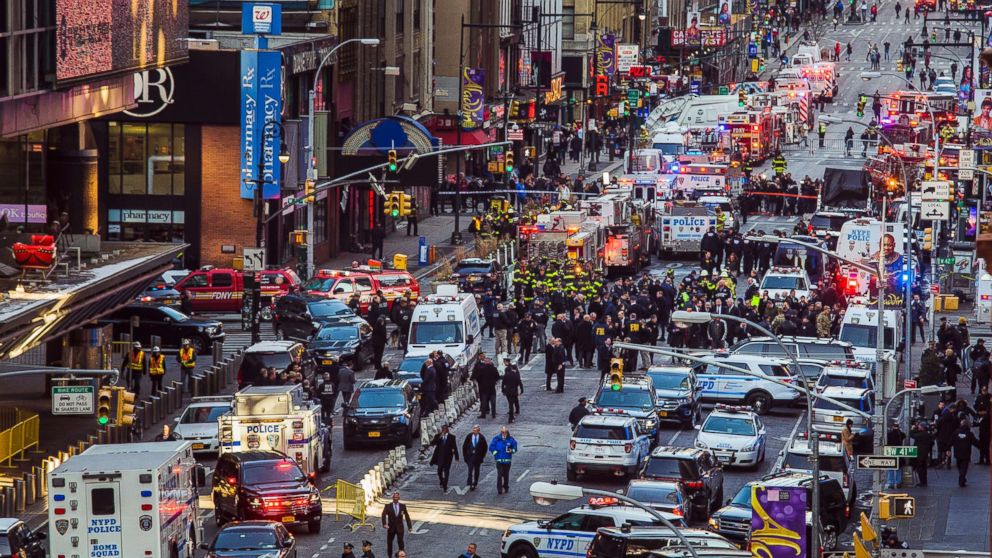
Following events like the World Trade Center bombing, there has been a significant investment in fortifying critical infrastructure and public spaces. This includes the deployment of advanced surveillance systems, increased visible security presence, and the implementation of robust screening procedures at transportation hubs and major attractions.
From Visible Patrols to Advanced Technology
The New York City Police Department (NYPD) has long been at the forefront of urban policing, and its counter-terrorism efforts are among the most sophisticated in the world. This involves not only traditional law enforcement methods but also the strategic use of technology. From street-level intelligence gathering to aerial surveillance and sophisticated data analysis, the city employs a multi-layered approach to identify and neutralize potential threats. Public spaces, iconic landmarks like the Statue of Liberty and Times Square, and vital infrastructure such as the subway system have all undergone extensive security enhancements.
Collaborative Intelligence and Inter-Agency Cooperation
The complex nature of modern security threats necessitates seamless collaboration between local, state, and federal agencies, as well as international partners. New York City has fostered strong relationships to ensure the free flow of intelligence and coordinated response capabilities.
A Unified Front Against Emerging Threats
The fight against terrorism and the prevention of attacks is a shared responsibility. New York City works closely with entities like the Federal Bureau of Investigation (FBI), the Department of Homeland Security (DHS), and various intelligence agencies. This unified front allows for proactive threat assessment, the disruption of potential plots, and the rapid mobilization of resources in the event of an emergency. Joint training exercises, information sharing platforms, and dedicated task forces are integral to this collaborative effort, ensuring that New York remains a city that is both vigilant and prepared.
The Unwavering Spirit: New York’s Resilience and the Future
Despite the historical anxieties and the ongoing realities of security concerns, New York City has consistently demonstrated an extraordinary capacity for resilience. The city’s ability to absorb shocks, rebuild, and emerge stronger is a testament to the indomitable spirit of its people.
Rebuilding and Reinventing After Adversity
The events of September 11, 2001, while not a bombing, represent the ultimate test of New York‘s resilience in the face of an attack on its iconic skyline. The subsequent rebuilding efforts, including the construction of the National September 11 Memorial & Museum and the new One World Trade Center, are powerful symbols of the city’s refusal to be vanquished by tragedy. This spirit extends to smaller-scale incidents as well, where communities quickly come together to support one another and restore normalcy.

A City That Never Stops Moving Forward
The enduring appeal of New York City as a global destination is intrinsically linked to its dynamic energy and its unwavering optimism. Visitors flock to experience its diverse neighborhoods, world-class cultural institutions like the Metropolitan Museum of Art and the Museum of Modern Art, and its vibrant culinary scene. The underlying understanding is that while threats may exist, the city’s robust security apparatus and the collective resolve of its citizens ensure that New York will continue to thrive. The question, “Did New York Get Bombed?” ultimately leads to a narrative of historical incidents that have forged a city of unparalleled strength and an unyielding commitment to progress.
LifeOutOfTheBox is a participant in the Amazon Services LLC Associates Program, an affiliate advertising program designed to provide a means for sites to earn advertising fees by advertising and linking to Amazon.com. Amazon, the Amazon logo, AmazonSupply, and the AmazonSupply logo are trademarks of Amazon.com, Inc. or its affiliates. As an Amazon Associate we earn affiliate commissions from qualifying purchases.