
The question of whether a wildfire has been fully contained is a critical one, not only for immediate safety and environmental concerns but also for its far-reaching implications on travel and tourism within affected regions. California, a state renowned for its diverse landscapes, from the sun-drenched beaches of Southern California to the majestic redwood forests of the north, and a perpetual magnet for visitors worldwide, is particularly susceptible to the impact of wildfires. These events can drastically alter travel plans, close down popular attractions, and necessitate a careful reassessment of vacation destinations. Understanding the status of wildfires is therefore paramount for anyone planning a trip or seeking to explore the Golden State.
Understanding Wildfire Containment and Its Impact on Travel
When news breaks about a wildfire in California, the immediate concern is always public safety and the preservation of natural resources. However, for the travel industry and prospective visitors, the critical question shifts to containment and its subsequent impact on accessibility and enjoyment of tourist destinations. The cessation of fire activity is not a single, easily defined event but rather a process that authorities meticulously monitor and declare.
The Mechanics of Wildfire Containment
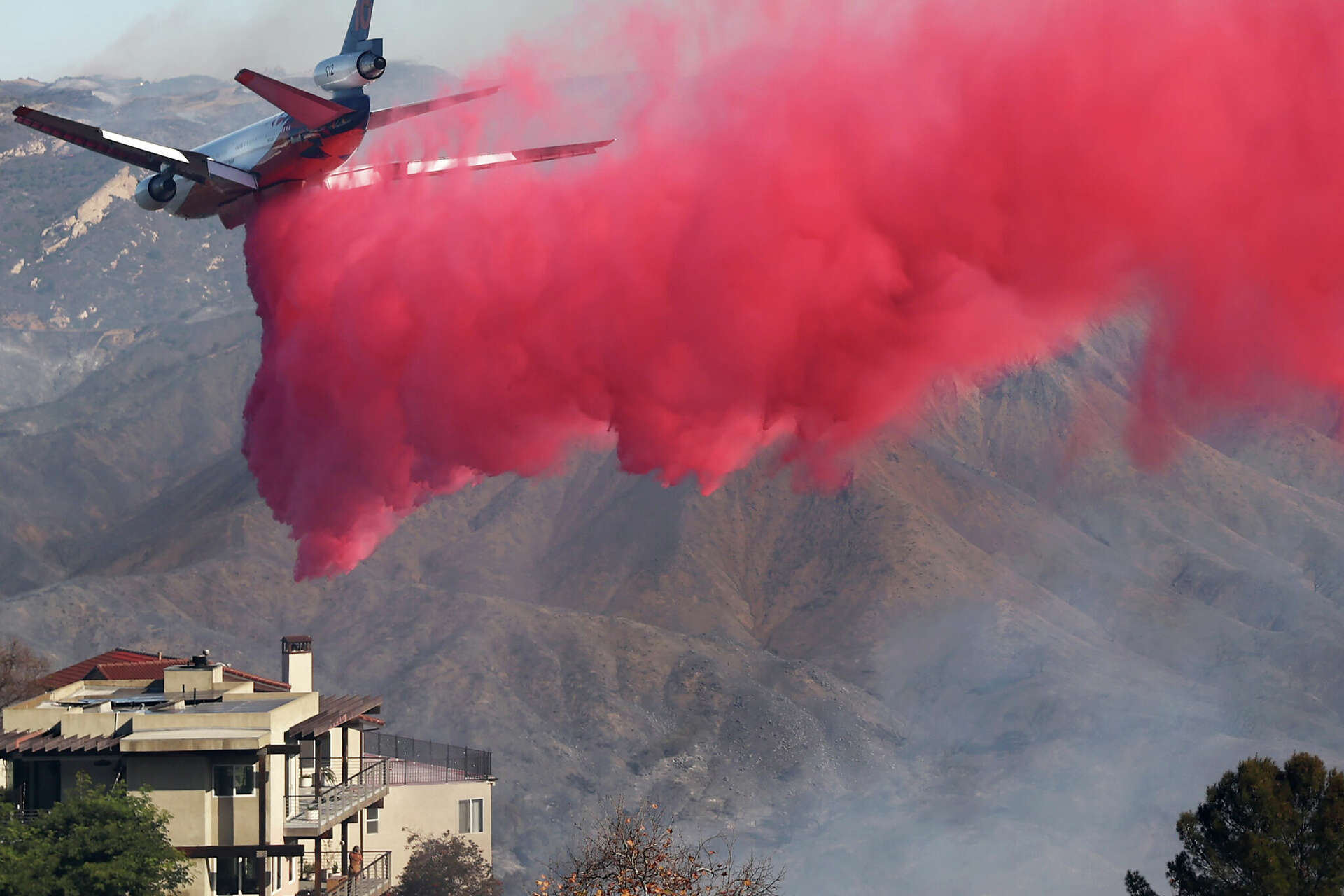
Wildfire containment is a complex process that involves a multi-agency effort, primarily led by entities such as Cal Fire and the U.S. Forest Service. These organizations employ a range of strategies, including the use of aerial water drops, ground crews deploying firebreaks, and controlled burns to strategically limit the fire’s spread. The progress of containment is measured by the percentage of the fire’s perimeter that has been secured, meaning that a sufficient barrier has been established to prevent further spread. A fire is considered “out” when all heat sources have been extinguished. This distinction is crucial; a fire can be 100% contained and still be smoldering for days or even weeks, posing no immediate threat but still impacting air quality and access.
Declaring a Fire “Out”: A Multi-Faceted Approach
The declaration that a wildfire has been fully extinguished is typically made after thorough assessment by fire professionals. This involves not just visual confirmation but also the use of thermal imaging technology to detect any remaining hot spots. Factors such as weather conditions, fuel type, and the terrain all play a role in the duration of this final phase. The official announcement of a fire being out is a significant milestone, signaling a return to normalcy and allowing for the gradual reopening of affected areas.
Navigating California’s Tourism Landscape Post-Wildfire
The aftermath of a wildfire presents unique challenges and opportunities for tourism in California. While some areas may be temporarily inaccessible or bear the visible scars of the fire, many regions remain unaffected, and the resilience of both nature and the local communities often shines through. A proactive and informed approach is key for travelers.
Assessing Travel Advisories and Access
Before embarking on a trip to California, it is essential to consult official sources for the latest travel advisories. Websites of Cal Fire, local county emergency services, and the National Park Service provide real-time updates on road closures, park access, and any evacuation orders. For instance, a fire near Yosemite National Park could impact access to the iconic Mariposa Grove or the main valley, necessitating a change in itinerary. Similarly, fires in Southern California could affect access to popular beach towns or hiking trails in the Santa Monica Mountains National Recreation Area. Staying informed ensures that travelers can adapt their plans and avoid potential disruptions.
The Resilience of California’s Destinations
Despite the devastating impact wildfires can have, California’s tourism industry is remarkably resilient. Many popular destinations, even those adjacent to fire-prone areas, often remain open and accessible. For example, while fires may rage in the foothills surrounding Los Angeles, the beaches of Santa Monica or the attractions of Disneyland might remain entirely unaffected. Likewise, wine regions like Napa Valley and Sonoma County, while sometimes impacted by smoke, are vast and often have wineries that are not directly affected. The key is to research specific locations and understand that the state’s diverse geography means a fire in one area does not necessarily shut down the entire state. Furthermore, the post-fire recovery often reveals a unique beauty, with wildflowers blooming in charred landscapes, offering a different, yet equally profound, experience for observant travelers.
Planning Your California Adventure with Fire Season in Mind
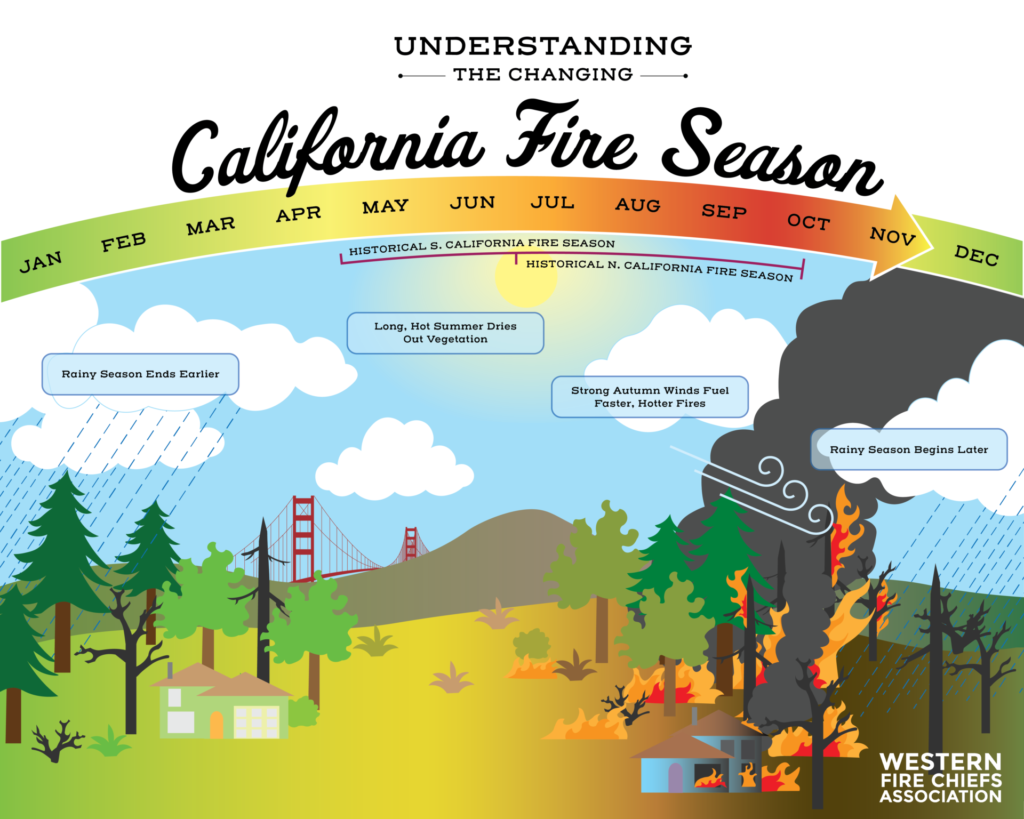
Wildfires are an unfortunate reality of California’s climate, particularly during the dry summer and fall months. However, this should not deter travelers from experiencing the state’s unparalleled beauty and attractions. With careful planning and flexibility, a memorable trip is still very much achievable.
Choosing Your Travel Dates and Destinations Wisely
Understanding California’s fire season, typically from late spring through fall, can help in planning. While it’s impossible to predict fires with certainty, traveling during the shoulder seasons, such as late spring or early winter, might offer a reduced risk. When selecting destinations, consider areas that are historically less prone to large-scale fires or those that have robust fire management plans in place. For instance, coastal regions like San Diego or the Big Sur coastline often experience less direct fire impact than inland or mountainous areas. Always have a backup plan or a flexible itinerary that allows for last-minute adjustments based on current conditions.
Leveraging Technology for Real-Time Updates
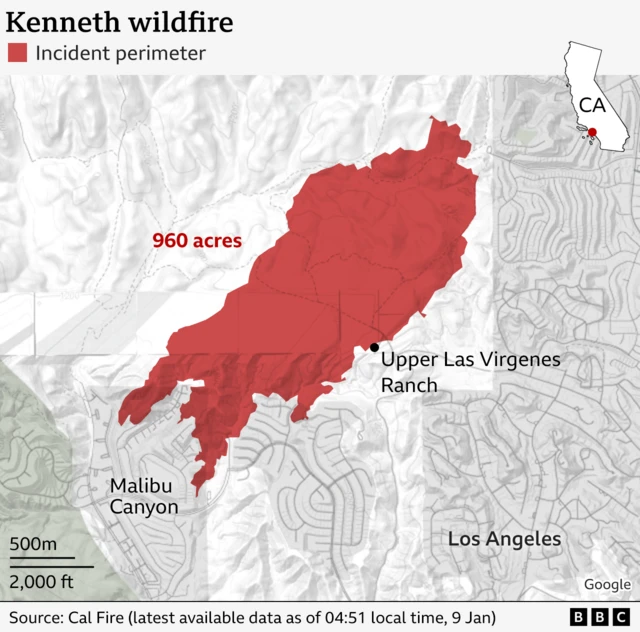
In the age of digital connectivity, staying informed about wildfire status is easier than ever. Many travel apps and websites provide real-time air quality alerts, fire maps, and road closure information. Subscribing to alerts from local news outlets or emergency management agencies in your intended travel area is also a prudent step. For those staying in hotels, such as the Beverly Hills Hotel or a resort in Palm Springs, hotel concierges can often provide up-to-date local information and recommendations for alternative activities should your original plans be affected by smoke or closures. The focus remains on preparedness and informed decision-making to ensure a safe and enjoyable California experience.
LifeOutOfTheBox is a participant in the Amazon Services LLC Associates Program, an affiliate advertising program designed to provide a means for sites to earn advertising fees by advertising and linking to Amazon.com. Amazon, the Amazon logo, AmazonSupply, and the AmazonSupply logo are trademarks of Amazon.com, Inc. or its affiliates. As an Amazon Associate we earn affiliate commissions from qualifying purchases.