
The phrase “Did the hurricane hit Florida yet?” evokes a sense of urgency and anticipation, often accompanied by a knot of anxiety for residents and a wave of concern for travelers with plans to visit the Sunshine State. As a popular destination for tourism, Florida‘s vibrant beaches, thrilling theme parks, and diverse landscapes are magnets for visitors year-round. However, the state’s geographical position also places it squarely in the path of Atlantic hurricane activity, a recurring and significant concern. Understanding the current status of any developing tropical systems is paramount for ensuring safety, making informed decisions about travel, and protecting property.

This article aims to address the immediate question at hand, offering guidance and context for anyone impacted by or planning a trip to Florida amidst hurricane season. We will delve into where to find reliable information, what factors influence a hurricane’s impact, and how to prepare for potential disruptions. Whether you are a long-time resident accustomed to hurricane preparedness or a first-time visitor to the Magic Kingdom or the pristine shores of the Florida Keys, staying informed is your most powerful tool.
Tracking Tropical Systems and Staying Informed
The question “Did the hurricane hit Florida yet?” is not just about the current moment but also about the ongoing vigilance required during hurricane season. This season, which officially runs from June 1st to November 30th, brings a heightened awareness of potential weather events. When a storm begins to organize in the Atlantic Ocean or the Gulf of Mexico, its trajectory and intensity become the focus of intense observation.
Official Sources for Hurricane Information
The most crucial step in answering whether a hurricane has impacted Florida is to consult official and reputable sources. These organizations are dedicated to monitoring weather patterns, issuing warnings, and providing vital information to the public.
- The National Hurricane Center (NHC): Operated by the National Oceanic and Atmospheric Administration (NOAA), the NHC is the primary authority for tracking and forecasting tropical cyclones in the Atlantic and Eastern Pacific basins. Their website provides real-time updates on tropical depressions, tropical storms, and hurricanes, including track forecasts, intensity predictions, and watches/warnings. They issue advisories regularly, which are essential for understanding the threat level to specific regions.
- Local Emergency Management Agencies: Each county in Florida has its own emergency management agency. These agencies translate the NHC‘s broader forecasts into specific, localized warnings and evacuation orders. They are also responsible for coordinating local response efforts, opening shelters, and providing information on essential services during and after a storm. Following your local county’s emergency management social media accounts and website is highly recommended.
- The National Weather Service (NWS): While the NHC focuses on tropical systems, the NWS provides broader weather forecasts and warnings. They work in conjunction with the NHC to communicate potential impacts, such as heavy rainfall, strong winds, and storm surge, which can occur even if a hurricane doesn’t make a direct landfall.
Staying tuned to these official channels allows individuals to distinguish between a distant threat and an immediate danger. It’s important to remember that even a glancing blow from a hurricane can cause significant disruption, including power outages, travel delays, and damage to property.
Understanding Hurricane Intensity and Impact
The impact of a hurricane is not solely determined by whether it makes landfall. The category of the storm, its size, its speed of movement, and the specific region it impacts all play a critical role.
- Hurricane Categories: The Saffir-Simpson Hurricane Wind Scale classifies hurricanes from Category 1 to Category 5 based on their sustained wind speeds. A Category 1 hurricane (74-95 mph) can cause significant damage, while a Category 5 hurricane (157 mph or higher) is catastrophic. However, it’s crucial to remember that even weaker storms can produce dangerous storm surge, heavy rainfall leading to inland flooding, and tornadoes.
- Storm Surge: This is often the deadliest aspect of a hurricane. It’s an abnormal rise of water generated by a storm over and above the predicted astronomical tide. Coastal areas of Florida, with their low elevation and extensive coastline, are particularly vulnerable to storm surge. Even a Category 1 storm can push dangerous levels of water inland.
- Wind Damage: Strong winds can cause widespread destruction, from toppling trees and power lines to tearing roofs off buildings and causing significant structural damage. The extent of wind damage depends on the wind speed, the building’s construction, and the duration of the high winds.
- Rainfall and Flooding: Hurricanes can produce torrential rainfall, leading to severe inland flooding. Rivers can overflow, roads can become impassable, and homes can be inundated, even far from the coast. This was a significant issue with Hurricane Harvey in Texas, showcasing the devastating impact of rainfall-induced flooding.
The Traveler’s Perspective: Navigating Disruptions
For those planning a trip to Florida, the question of whether a hurricane has hit takes on a different dimension. It’s about safeguarding vacation plans, ensuring personal safety, and understanding potential itinerary changes.
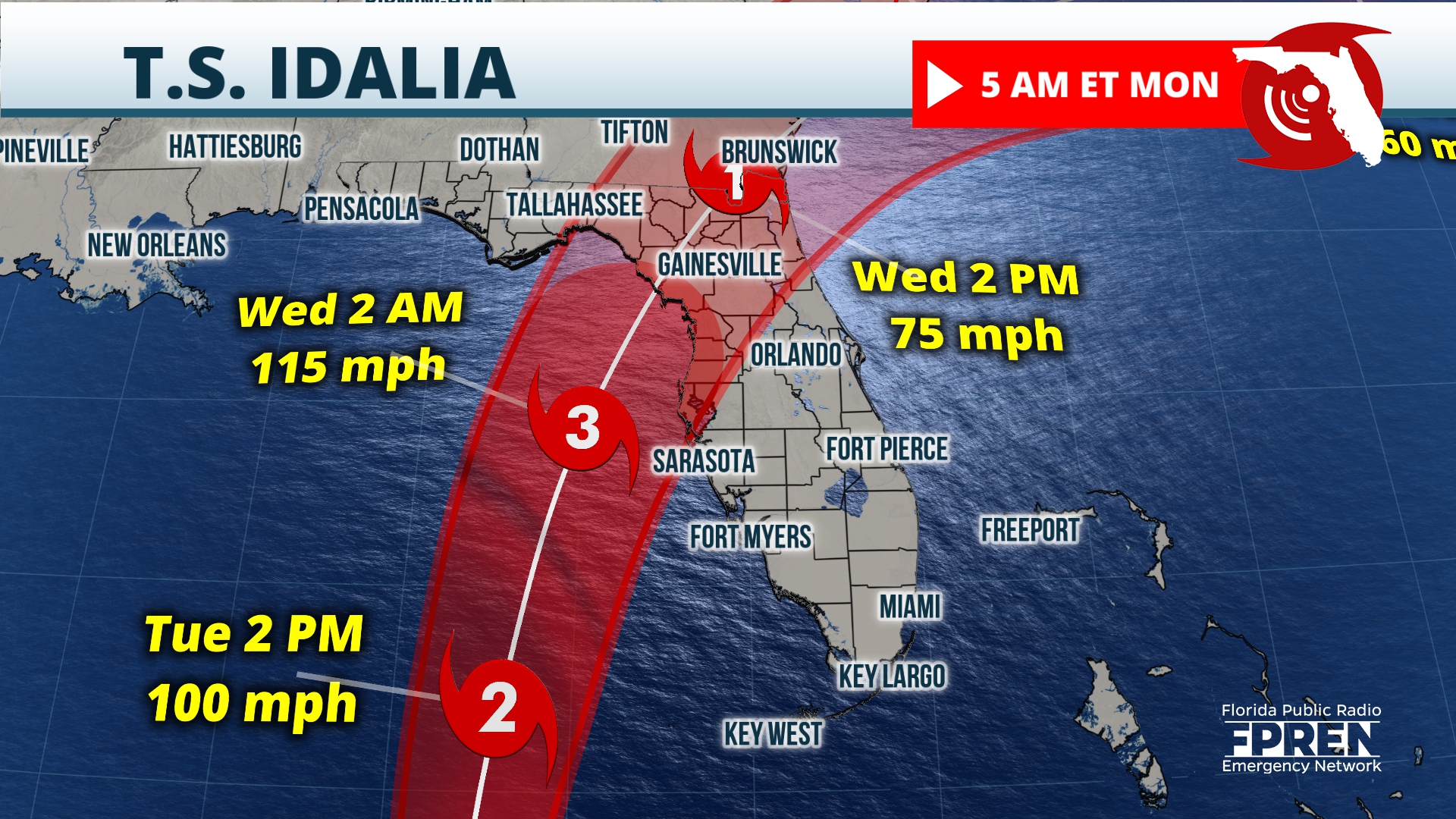
Travel and Accommodation Updates
If a hurricane is projected to impact Florida, travel plans may need to be adjusted. Airlines, hotels, and theme parks will be implementing their own operational procedures.
- Airline Cancellations and Rebookings: Major airlines serving Florida airports like Orlando International Airport or Miami International Airport will issue travel advisories and often waive change fees for flights to and from affected areas. It is essential to monitor your airline’s website and app for the latest updates.
- Hotel Policies: Many hotels and resorts in Florida, from luxury establishments like the Ritz-Carlton to more budget-friendly options, have hurricane policies that allow for flexible cancellations or rebooking without penalty if travel is impacted by a storm. Always check the specific cancellation policy of your chosen accommodation.
- Attraction Closures: Theme parks such as Walt Disney World Resort and Universal Orlando Resort will close if weather conditions become unsafe. They will typically post updates on their websites and social media channels. Many attractions, particularly those with outdoor components like animal encounters at Busch Gardens Tampa Bay, are also susceptible to closures.
Safety and Preparedness for Visitors
While Florida is adept at managing hurricane season, visitors should remain aware and prepared.
- Heed Evacuation Orders: If local authorities issue an evacuation order for your area, it is crucial to comply immediately. This applies to hotels and other accommodations as well. Your safety is paramount.
- Emergency Supplies: While unlikely to be a major concern for short-term visitors, having a basic emergency kit with water, non-perishable food, a flashlight, and a battery-powered radio can be useful in the event of power outages, which are common during and after a hurricane.
- Stay Indoors During the Storm: Once conditions deteriorate, it is safest to remain indoors in a secure location, away from windows.
Beyond the Immediate: Long-Term Recovery and Tourism
While the immediate concern is whether a hurricane has hit Florida yet, the impact of significant storms can extend far beyond the initial landfall. Recovery efforts can take time, and this can influence the tourism landscape for weeks, months, or even longer.
Assessing Damage and Reopening Attractions
Following a major hurricane, assessments of damage to infrastructure, hotels, and attractions are a priority.
- Infrastructure Repair: Roads, bridges, and power grids can be severely damaged, impacting accessibility and essential services. Local and state governments work diligently to restore these vital systems.
- Hotel and Resort Reopening: Hotels and resorts that sustain damage will undergo repairs. Some may reopen quickly, while others might require extensive renovations. It’s wise to check the operational status of your chosen accommodation before booking a post-storm trip.
- Attraction Status: Similar to hotels, theme parks and other attractions will reopen once they are deemed safe and operational. Some attractions might have temporary closures due to damaged infrastructure or supply chain issues.
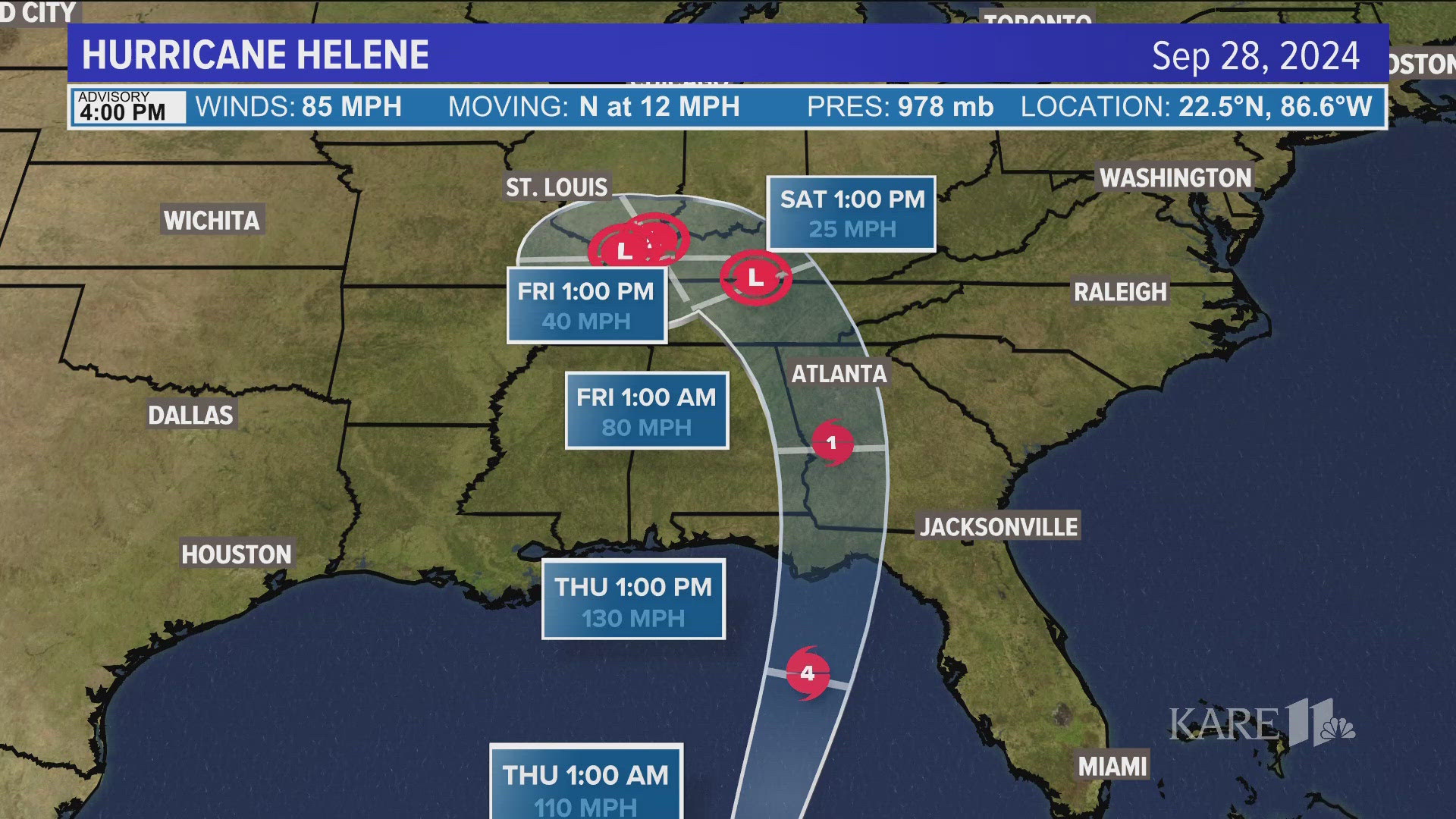
The Resilience of Florida Tourism
Despite the challenges posed by hurricanes, Florida‘s tourism industry is remarkably resilient. The state’s diverse offerings, from the historic charm of St. Augustine to the vibrant nightlife of Miami, continue to draw visitors.
- Adapting Travel Plans: Many travelers choose to adjust their plans, opting for less affected regions of the state or rescheduling their trips. The Florida Panhandle might be impacted differently than South Florida, for instance.
- Supporting Local Economies: When it is safe to travel, visiting Florida can be a way to support the local economy as it recovers. Understanding the current conditions and respecting local guidance is key to responsible tourism.
The question “Did the hurricane hit Florida yet?” is a dynamic one, reflecting the ever-changing nature of weather and its impact on our lives and travel plans. By staying informed through official channels, understanding the potential threats, and remaining adaptable, both residents and visitors can navigate hurricane season with greater confidence and safety. Florida’s enduring appeal as a travel destination means that, despite the weather’s best efforts, the spirit of exploration and enjoyment often prevails.