
California, the Golden State, beckons millions of travelers each year with its stunning coastline, vibrant cities, and diverse landscapes. From the sun-drenched beaches of Southern California to the rugged beauty of Northern California, it’s a dream destination for those seeking adventure, relaxation, and unparalleled experiences. Yet, the allure of the Pacific Ocean also comes with a natural force that occasionally makes headlines: tsunamis. The question “Did the tsunami hit California?” isn’t a simple yes or no; it’s a nuanced inquiry into the state’s geographical realities, historical events, and robust preparedness measures that ensure both residents and visitors can enjoy its coastal wonders safely.
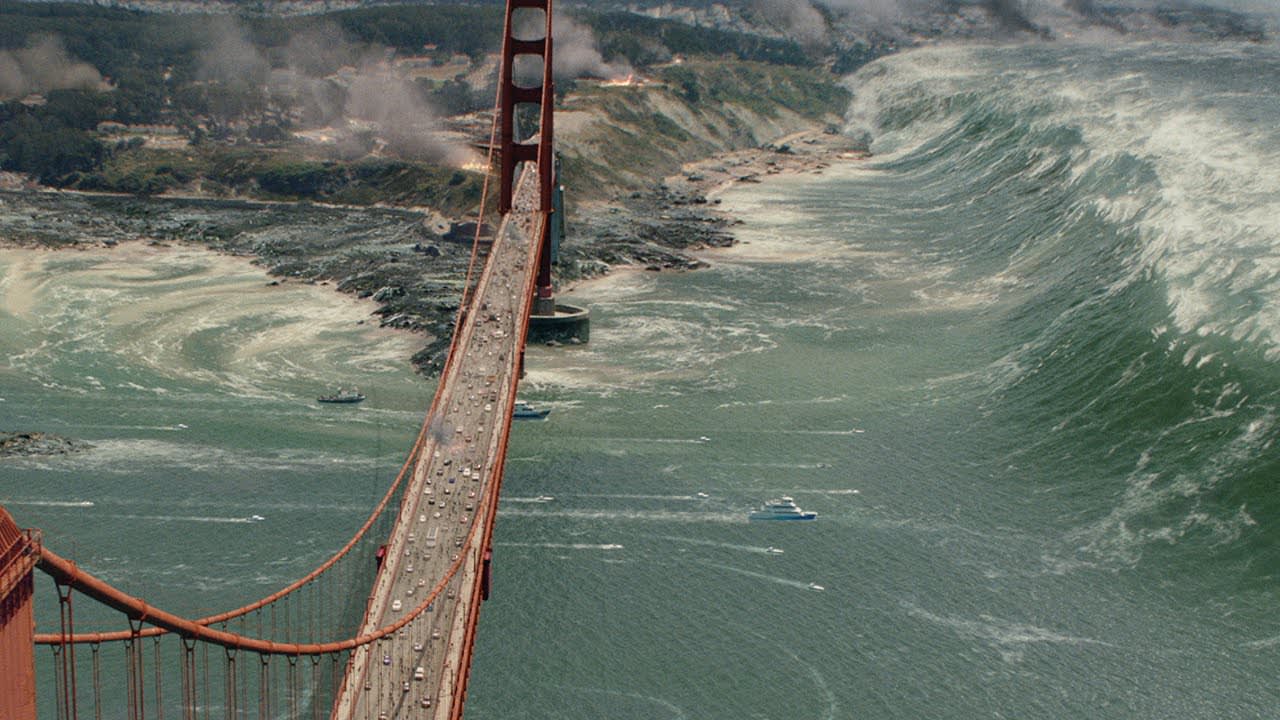
While California is undeniably vulnerable to tsunamis due to its location on the seismically active Pacific Ring of Fire, the impact has rarely manifested in the catastrophic, large-scale destruction often depicted in media. Instead, California has experienced tsunamis primarily as powerful surges, strong currents, and localized flooding, usually originating from distant, massive earthquakes across the Pacific basin. Understanding this distinction is crucial for anyone planning a visit, seeking accommodation along the coast, or simply living the quintessential California lifestyle.
This article delves into California’s relationship with tsunamis, exploring past events, the state’s comprehensive preparedness strategies, and what travelers need to know to confidently explore its breathtaking coastal destinations.
California’s Coastal Allure and Tsunami Reality
The sheer magnetism of the California coast is undeniable. From world-class surf breaks to picturesque beach towns, it’s a hub for tourism and an embodiment of outdoor living. However, the very ocean that draws so many also poses natural hazards, with tsunamis being one of the more powerful and less frequent concerns.
A History of Oceanic Impacts
While not always leading to widespread devastation, tsunamis have indeed impacted the shores of California throughout history. These events serve as crucial reminders of the ocean’s power and have shaped the state’s approach to coastal safety.
One of the most significant tsunami events to affect California occurred on March 28, 1964, following a magnitude 9.2 earthquake in Alaska, the second-largest earthquake ever recorded. This massive seismic event generated a powerful trans-Pacific tsunami that reached the West Coast of the United States hours later. The small fishing town of Crescent City in far northern California bore the brunt of this tsunami, experiencing four major waves that inundated the downtown area, destroyed dozens of blocks, and tragically claimed 12 lives. This event remains a stark benchmark for tsunami impact in California, demonstrating the destructive potential of distant-source tsunamis.
More recently, on March 11, 2011, a magnitude 9.1 earthquake off the coast of Tōhoku, Japan, triggered another devastating trans-Pacific tsunami. While the catastrophic impact was felt most acutely in Japan, the waves traveled across the ocean and reached California with significant force. The tsunami caused widespread damage to harbors, docks, and coastal infrastructure, particularly in areas like Santa Cruz Harbor, Ventura Harbor, and Crescent City, which again experienced severe economic losses due to damaged boats and infrastructure. Though it did not cause extensive inland flooding or significant loss of life in California, the 2011 event highlighted the ongoing vulnerability of coastal communities and the importance of robust warning systems and evacuation plans.
Other less dramatic but notable tsunami events include the 1960 Valdivia Earthquake in Chile, which also sent waves across the Pacific, causing minor damage in California ports, and numerous smaller, localized events or seiches that might cause unusual currents or minor surges without public alarm. These historical occurrences underscore that “hit” can mean varying degrees of impact, from barely noticeable surges to localized damage, rather than the widespread devastation often associated with the word.
Understanding Tsunami Threats
To fully appreciate California’s preparedness and the safety of its coastal attractions, it’s essential to understand the nature of tsunami threats. Tsunamis are not typical ocean waves; they are a series of extraordinarily long waves caused by large-scale disturbances, most commonly underwater earthquakes, but also landslides, volcanic eruptions, or even asteroid impacts.
California’s primary tsunami risk comes from two main sources:
- Distant-Source Tsunamis: These originate from powerful earthquakes thousands of miles away, such as those along the subduction zones in Alaska, Japan, or Chile. While they take hours to reach California, allowing for warning systems to activate, they can still generate significant surges and currents capable of causing damage, especially in harbors and low-lying coastal areas.
- Local-Source Tsunamis: These are far less common but potentially more dangerous, originating from major earthquakes or underwater landslides directly off the California coast. With little to no warning time (minutes rather than hours), these could be more destructive if they occurred close to populated areas. Fortunately, the geological conditions that generate such large local tsunamis are less prevalent directly offshore from major California population centers compared to some other regions.
The scientific community, particularly the National Oceanic and Atmospheric Administration (NOAA) and its Tsunami Warning Center, continuously monitors seismic activity around the Pacific. This proactive approach ensures that when a potential tsunami-generating event occurs, warnings can be issued promptly, giving coastal communities vital time to prepare and evacuate.
Protecting Paradise: Safety, Preparedness, and Coastal Travel
California’s identity is inextricably linked to its magnificent coast. Recognizing the inherent risks, the state has invested heavily in comprehensive preparedness programs, making it one of the safest coastal regions in the world for both residents and millions of annual travelers.
Tsunami Ready Communities and Infrastructure

California’s approach to tsunami safety is multi-faceted, involving advanced monitoring, public education, and robust emergency response plans. The state actively participates in the National Weather Service (NWS)’s “Tsunami Ready” program, which helps coastal communities prepare for tsunamis. This voluntary program promotes consistent guidelines for emergency preparedness, including:
- 24-hour warning points: Ensuring constant monitoring.
- Official emergency operations plans: Detailing response protocols.
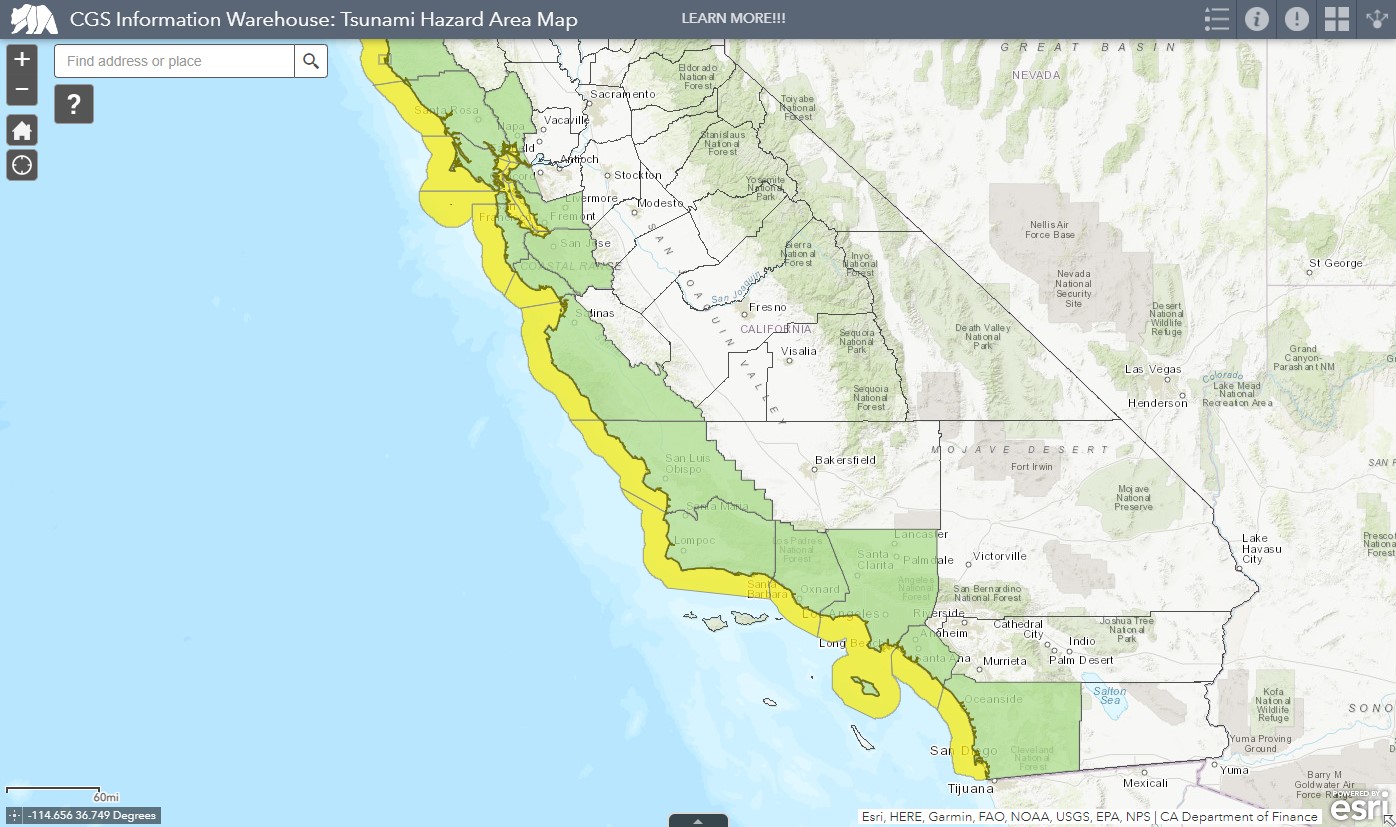
- Tsunami hazard maps: Identifying inundation zones and evacuation routes.
- Public outreach and education: Informing residents and visitors about what to do during a tsunami.
- Annual emergency exercises: Practicing response scenarios.
Many of California’s most popular coastal cities, including Long Beach, San Diego, and Santa Cruz, are officially recognized as “Tsunami Ready.” This designation signifies a high level of preparedness and a commitment to public safety. Visitors will often see clear signage indicating tsunami hazard zones and evacuation routes, especially near beaches and low-lying areas. The California Office of Emergency Services (CalOES) coordinates these efforts statewide, working with local authorities to ensure a unified and effective response.
Infrastructure along the coast is also designed with resilience in mind. While no structure can withstand the most extreme tsunami, building codes and urban planning take into account potential hazards. Many coastal hotels, resorts, and apartments are built on elevated ground or have internal safety protocols and evacuation plans in place.
Navigating Coastal Destinations Safely
For travelers, knowing that robust safety measures are in place can bring immense peace of mind. Exploring California’s stunning coast, from the iconic San Francisco Bay to the beautiful beaches of Laguna Beach, remains an incredibly rewarding experience. However, a little awareness goes a long way.
Here are key tips for enjoying coastal California safely:
- Heed Warnings: If you hear a tsunami warning siren, see official alerts on your phone, or are instructed by local authorities, evacuate immediately to higher ground. Do not wait to see the wave.
- Know Your Evacuation Route: Look for tsunami evacuation route signs upon arrival in coastal areas. Many hotels and accommodations will have this information readily available.
- Recognize Natural Warnings: A strong earthquake that makes it difficult to stand, or a sudden and unusual recession of the ocean (pulling back unusually far from the shore), are natural signs of a potential tsunami. If you experience these, move to higher ground immediately, without waiting for an official warning.
- Stay Informed: Follow local news and weather updates, especially if you are engaging in water activities.
- Choose Prepared Accommodations: When booking your stay near the coast, especially in popular areas like Newport Beach or Marina del Rey, inquire about their emergency plans. Many reputable hotels and resorts will have well-communicated procedures for guests.
The vast majority of your time enjoying California’s beaches, surfing the waves, or exploring vibrant waterfronts will be entirely safe and undisturbed. The preparedness measures are there as a safeguard, not a daily concern, allowing visitors to fully immerse themselves in the coastal lifestyle.
The Resilient California Lifestyle: Travel, Tourism, and Future Outlook
California’s ability to bounce back from natural events, coupled with its proactive safety measures, ensures that its vibrant coastal lifestyle and thriving tourism industry continue to flourish. The narrative isn’t one of fear, but of resilience and informed enjoyment.
Iconic Landmarks and Recreational Pursuits
California’s coast is home to some of the world’s most recognizable landmarks and beloved recreational spots. From the majestic Golden Gate Bridge in San Francisco to the lively Santa Monica Pier in Los Angeles, these attractions are integral to the travel experience. Fortunately, most of these iconic structures and popular tourist zones are designed with seismic and coastal hazards in mind, or they are situated at elevations that mitigate tsunami risk. The Golden Gate Bridge, for instance, is a marvel of engineering built to withstand significant seismic activity, and its height places it well above any potential tsunami inundation. Areas like the Santa Monica Pier, while directly on the water, are part of communities with clear evacuation plans and well-practiced emergency responses.
The quintessential California experience often involves surfing, beach volleyball, sailing, or simply relaxing by the ocean. These activities continue to thrive because the risks are understood and managed. Organizations like the Surfrider Foundation advocate for coastal protection and educate the public on ocean safety, including awareness of unusual currents. The spirit of adventure and connection to the ocean remains central to the California way of life, supported by a strong foundation of safety and preparedness.
Travelers looking for unique experiences can confidently explore the scenic Pacific Coast Highway, visit charming towns like Carmel-by-the-Sea on the Central Coast, or marvel at the dramatic cliffs of Big Sur. These destinations, while stunningly beautiful, are also part of a state that prioritizes the safety of its visitors and residents.
Responsible Tourism and Coastal Development
The future of California’s coastal tourism is intertwined with responsible development and sustainable practices. Understanding and mitigating natural hazards is a core component of this responsibility. New coastal developments, including hotels and resorts, are subject to rigorous environmental and safety reviews. This ensures that the allure of the coast can be enjoyed for generations to come, without compromising safety or ecological integrity.
Tourism in California is not just about its natural beauty; it’s also about its rich local culture, world-class food, and diverse activities. From the vineyards of Napa Valley and Sonoma County to the theme parks of Disneyland and Universal Studios Hollywood, and the natural wonders of Yosemite National Park, California offers an unparalleled range of experiences. The coastal areas, with cities like San Francisco, Los Angeles, and San Diego acting as major international gateways, continue to thrive as popular entry points and core destinations.
Engaging in responsible tourism also means staying informed, respecting local guidelines, and supporting businesses that prioritize safety and sustainability. This cooperative approach between state authorities, local communities, and visitors creates an environment where the marvels of the California coast can be appreciated with confidence.
In conclusion, the answer to “Did the tsunami hit California?” is yes, in varying degrees throughout history. However, these events have primarily manifested as powerful surges and currents, rather than the widespread destruction often feared. Crucially, the Golden State has transformed these historical lessons into a robust framework of safety, preparedness, and public education. For anyone planning a trip, considering coastal living, or simply curious about the interplay between nature and society, California stands as a testament to resilience and responsible engagement with its awe-inspiring Pacific frontier. The coast remains a vibrant, safe, and exhilarating place to visit and explore, offering unforgettable travel experiences with the assurance that preparedness is a top priority.