
Montana, often referred to as the “Treasure State,” is a land of sprawling wilderness, majestic mountains, and pristine natural beauty. For those seeking an escape into the heart of the wild, its national parks stand as unparalleled testaments to the power and grandeur of nature. When asking, “What national park is in Montana?”, the answer is not just one, but two incredible natural sanctuaries that grace its landscape, offering distinct yet equally breathtaking experiences. Primarily, Montana proudly hosts the vast majority of Glacier National Park, a true gem often called the “Crown of the Continental Divide.” Additionally, a significant and vital portion of the world-renowned Yellowstone National Park extends into the state’s southern reaches, providing access to its geothermal wonders and abundant wildlife from Montana’s scenic gateway towns.
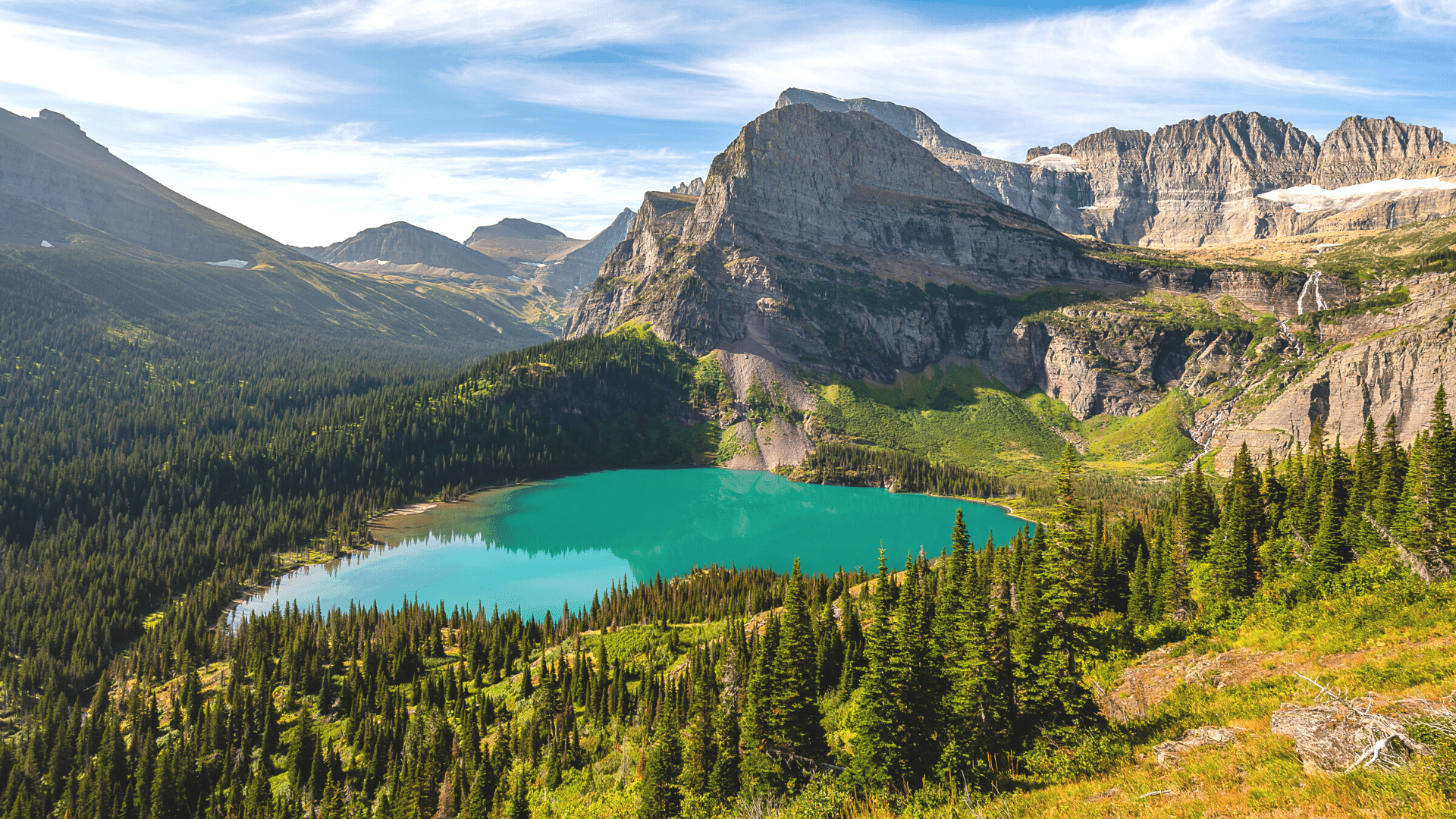
These parks are more than just protected lands; they are living museums of geological history, thriving ecosystems, and playgrounds for adventurers from across the globe. They embody the spirit of the American West, offering a profound connection to nature, opportunities for unforgettable travel experiences, and a chance to witness some of the planet’s most iconic landmarks. From rugged mountain peaks and ancient glaciers to vibrant thermal features and diverse wildlife, Montana’s national parks promise an adventure that caters to every type of traveler, blending thrilling outdoor activities with serene moments of natural contemplation. Understanding these parks, their unique characteristics, and how to best experience them is key to unlocking the full potential of a Montana tourism adventure.
Glacier National Park: Montana’s Crown Jewel
Nestled in the northern Rocky Mountains of Montana, bordering Canada, Glacier National Park is an ecological marvel spanning over 1 million acres. It’s a land sculpted by ancient glaciers, adorned with more than 700 lakes, countless waterfalls, and two mountain ranges. Declared a national park in 1910, its raw, untamed beauty quickly earned it the moniker “Crown of the Continental Divide.” In 1932, it was joined with Canada’s Waterton Lakes National Park to form the world’s first International Peace Park, recognized as the Waterton-Glacier International Peace Park and later designated a UNESCO World Heritage Site. This dual designation underscores its global significance in terms of natural beauty and biodiversity.
The park is a haven for an incredible array of wildlife, including grizzly bears, black bears, moose, elk, bighorn sheep, and the elusive mountain goat – Montana’s state animal. Its diverse ecosystems range from alpine tundra to dense forests, creating habitats for thousands of plant and animal species. For visitors, it offers an immersive experience into a truly wild landscape, where the scale of nature is overwhelming and humbling.
Iconic Attractions and Experiences
A visit to Glacier National Park is incomplete without experiencing its most iconic features, which define its majestic character and offer unforgettable travel experiences.
The Going-to-the-Sun Road
Undoubtedly the centerpiece of Glacier National Park is the Going-to-the-Sun Road. This engineering marvel is a 50-mile scenic mountain highway that traverses the park, crossing the Continental Divide at Logan Pass at an elevation of 6,646 feet. It’s renowned for its breathtaking panoramic views, winding alongside cliffs, past glaciers, through cedar forests, and offering unparalleled vistas of valleys carved by ice. The road is typically fully open only from late June or early July through mid-October, depending on snow conditions. Driving this road is an adventure in itself, with opportunities for wildlife spotting, photography, and access to numerous trailheads. Due to its immense popularity, a vehicle reservation system has often been implemented during peak seasons to manage traffic and preserve the visitor experience, making advance booking essential for entry during certain hours.
Lakes and Valleys
Glacier National Park is home to some of the most stunning glacial lakes in North America. Lake McDonald, the largest lake in the park, greets visitors on the west side with its colorful pebbles and surrounding cedar and hemlock forests. Boating, kayaking, and paddleboarding are popular activities here, with Lake McDonald Lodge providing a historic stay. On the east side, St. Mary Lake offers dramatic views of peaks like Tinkham Mountain and Goat Mountain, often reflecting their grandeur on its surface.
The Many Glacier Valley, a jewel on the east side, is a prime destination for hiking and wildlife viewing. It’s surrounded by towering peaks and several stunning lakes, including Swiftcurrent Lake and Josephine Lake. The historic Many Glacier Hotel, with its Swiss chalet architecture, offers a charming and immersive accommodation experience right in the heart of the valley.
Hiking Trails
For those who wish to delve deeper into the park’s wilderness, Glacier National Park boasts over 700 miles of hiking trails. Trails range from easy, scenic strolls to strenuous multi-day backcountry treks. Popular day hikes include the Hidden Lake Trail from Logan Pass, offering stunning views of Hidden Lake and the surrounding peaks, often with mountain goats and bighorn sheep sightings. The Grinnell Glacier Trail in Many Glacier is another iconic, challenging hike leading to a pristine glacier-fed lake and a view of the shrinking Grinnell Glacier. For an easier but equally rewarding experience, the Trail of the Cedars near Avalanche Lake offers an accessible boardwalk path through an ancient forest.
Planning Your Visit to Glacier National Park
Visiting Glacier National Park requires careful planning, especially during the peak summer months (July and August). This period offers the best weather, full access to the Going-to-the-Sun Road, and the widest range of activities.
Accommodation Options
Accommodation within the park ranges from historic lodges to rustic cabins and developed campgrounds. Iconic lodges such as Lake McDonald Lodge and Many Glacier Hotel provide a classic park experience, often with stunning lakeside views and traditional amenities. Other in-park options include Apgar Village Lodge, Swiftcurrent Motor Inn, Rising Sun Motor Inn, and Village Inn at Apgar. These hotels and suites tend to book up a year in advance, so early reservations are critical. For a more budget-friendly or adventurous stay, numerous campgrounds are available, though many require reservations well in advance.
Outside the park, gateway towns offer a variety of accommodation to suit different lifestyle preferences and budget travel needs. Kalispell and Whitefish to the west offer a broader range of hotels, resorts, and apartments, along with dining and entertainment options. Closer to the park entrances, West Glacier, Columbia Falls, and East Glacier Park Village provide convenient lodging, often including cabins, motels, and independent hotels.
Safety and Reservations
Given the presence of large wildlife, particularly grizzly bears, visitors must practice bear safety, carry bear spray, and know how to use it. Staying on marked trails and making noise while hiking are essential precautions. Additionally, entrance reservations for the Going-to-the-Sun Road and other popular areas, as well as timed entry for some trailheads, may be required during peak season. Always check the official National Park Service website for the latest regulations, road closures, and operating hours before your trip.
Yellowstone National Park: A Piece of the Wonder in Montana
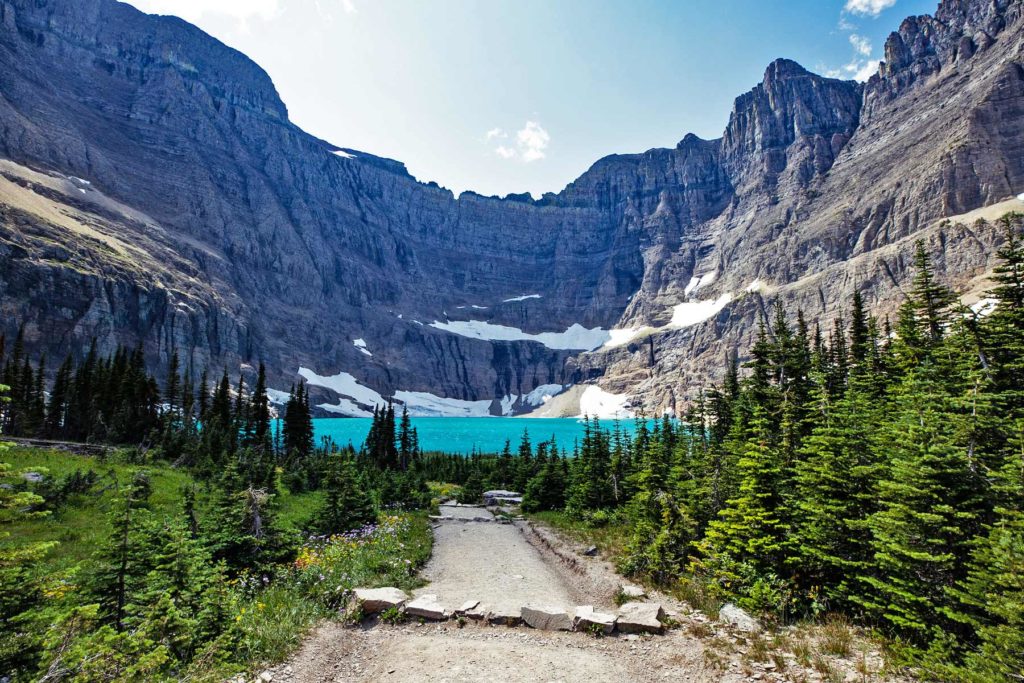
While often associated with Wyoming, a significant and easily accessible portion of Yellowstone National Park extends into Montana and Idaho. This makes Montana a fantastic base for exploring the world’s first national park, famous for its geothermal features, diverse wildlife, and expansive wilderness. Approximately 3% of Yellowstone‘s land area lies within Montana’s borders, but crucially, two of the park’s five main entrances are located in Montana, making access incredibly convenient for those starting their journey from the Treasure State.
Montana’s Yellowstone Entrances
The two main Montana entrances to Yellowstone National Park are:
- The North Entrance (Gardiner, Montana): This entrance, located in the charming town of Gardiner, is the only entrance open to vehicles year-round. It offers direct access to Mammoth Hot Springs and the park’s northern range, known for its abundant wildlife, including bison, elk, and wolves. The drive along the Gardiner River is picturesque and often features animal sightings.
- The West Entrance (West Yellowstone, Montana): Situated in the bustling town of West Yellowstone, this is the busiest entrance to the park during the summer months. It provides quick access to the park’s most famous geothermal basins, including the Upper Geyser Basin (home to Old Faithful), and the Grand Prismatic Spring. West Yellowstone itself is a vibrant hub offering numerous hotels, restaurants, and outdoor activities.
Additionally, the northeastern part of the park can be accessed from Cooke City-Silver Gate, Montana, via the scenic Beartooth Highway (seasonal).
Exploring the Montana Side of Yellowstone
From Montana’s gateway towns, visitors can easily explore the vast wonders of Yellowstone. From Gardiner, a short drive takes you to Mammoth Hot Springs, a unique complex of travertine terraces sculpted by hot, mineral-rich water. This area also houses the Albright Visitor Center and the historic Fort Yellowstone. The northern range, extending east from Gardiner towards Lamar Valley, is world-renowned for its wildlife viewing opportunities, particularly for bison, elk, and wolves.
From West Yellowstone, the heart of Yellowstone’s geothermal activity is readily accessible. Visitors can marvel at the regular eruptions of Old Faithful, explore the colorful microbial mats of the Grand Prismatic Spring in Midway Geyser Basin, and witness the bubbling mud pots and fumaroles across various geyser basins. These spectacular natural features offer insights into the powerful forces at work beneath the Earth’s surface.
For accommodation when visiting Yellowstone from Montana, gateway towns like West Yellowstone and Gardiner provide a wide array of options, from luxury hotels and resorts to budget-friendly motels, cabins, and vacation rentals. Further afield, the vibrant city of Bozeman serves as a larger hub, offering extensive hotel choices, restaurants, and amenities, while still being within a reasonable driving distance of the park. Many visitors choose to combine their Yellowstone trip with exploring Montana’s other destinations, such as the Paradise Valley near Livingston or the ski resort town of Big Sky.
Enriching Your Montana Adventure: Gateway Towns and Lifestyle
Beyond the majestic national parks, Montana offers a rich tapestry of experiences, from charming gateway towns to diverse accommodation options and a unique lifestyle that embraces the outdoors. These elements collectively contribute to an unforgettable travel destination.
Gateway Communities and Local Culture
The towns surrounding Glacier and Yellowstone are not merely entry points; they are vibrant communities offering their own distinct charm and local culture.
- Near Glacier: Whitefish is a popular upscale town known for its lively downtown, excellent dining, boutiques, and proximity to Whitefish Mountain Resort. Kalispell, the largest city in the Flathead Valley, serves as a commercial hub with a range of services and attractions, including museums and galleries. Columbia Falls offers a more laid-back, family-friendly atmosphere. These towns provide essential services, a variety of restaurants featuring local cuisine, and opportunities to engage with the friendly local population.
- Near Yellowstone: Bozeman stands out as a dynamic city with a youthful energy, driven by Montana State University. It boasts a thriving food scene, craft breweries, art galleries, and easy access to both Yellowstone and surrounding mountains for skiing, fishing, and hiking. Livingston, located on the Yellowstone River in the heart of Paradise Valley, offers a historic downtown, a strong arts community, and renowned fly-fishing opportunities. West Yellowstone and Gardiner are focused on park services but also offer local shops, eateries, and unique activities such as snowmobiling in winter from West Yellowstone.
Exploring these towns allows visitors to delve into Montana’s broader cultural landscape, from cowboy heritage to modern outdoor adventure hubs.
Diverse Accommodation Options
Montana offers a vast spectrum of accommodation choices to complement any park visit, catering to different preferences and budget travel styles.
- Hotels and Resorts: From luxury resorts in Whitefish and Big Sky offering premium amenities like spas and gourmet dining, to well-known hotel chains in cities like Bozeman, Missoula, Helena, and Great Falls, visitors will find comfortable and convenient lodging. Many offer suites with extra space for family trips.
- Boutique Hotels and Inns: Smaller, independently owned hotels and bed-and-breakfasts provide a more personalized experience, often reflecting the local character and history.
- Cabins and Vacation Rentals: For those seeking more privacy, space, or a longer-term stay, vacation rentals (including cabins, apartments, and villas) are widely available, particularly near the national parks and in popular recreation areas like Flathead Lake. These often come equipped with kitchens and multiple bedrooms, ideal for family trips or groups.
- Camping: Camping remains a quintessential Montana experience. Beyond the national park campgrounds, numerous state parks, national forests, and private campgrounds offer a range of facilities from primitive sites to those with full hookups.
Regardless of the choice, it is always recommended to make reservations well in advance, especially during peak season, due to the popularity of Montana as a travel destination. Comparison websites and reviews can assist in finding the perfect accommodation to match specific needs.
Montana Lifestyle and Travel Tips
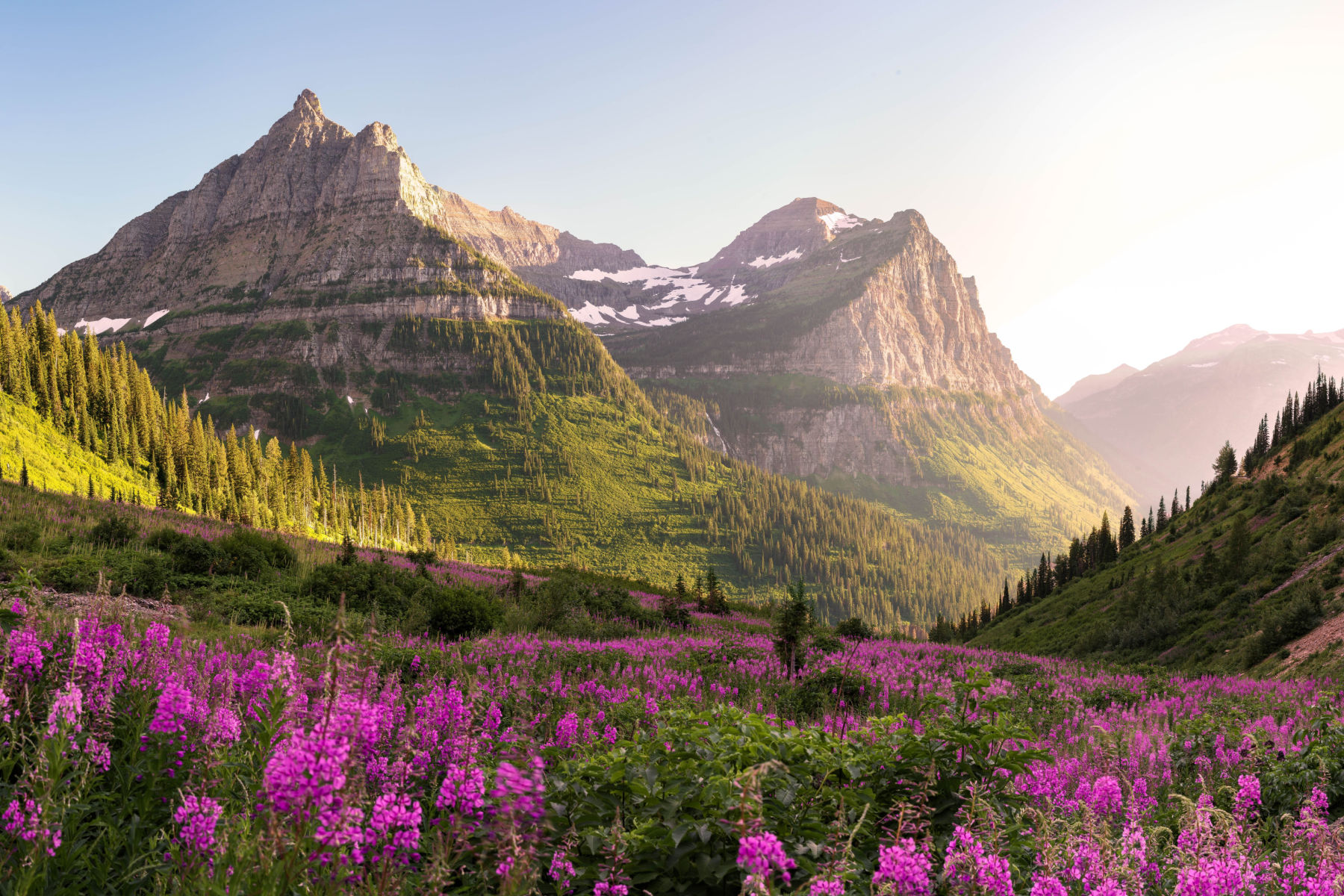
The lifestyle in Montana is deeply intertwined with its natural environment. It emphasizes outdoor recreation, conservation, and a strong sense of community. Visitors are encouraged to embrace this spirit:
- Respect for Nature: Adhere to “Leave No Trace” principles to minimize your impact on the wilderness. Pack out everything you pack in, stay on designated trails, and respect wildlife by keeping a safe distance and never feeding animals.
- Seasonal Considerations: Montana’s seasons dramatically affect travel. Summer is prime time for hiking and scenic drives, but also means crowds. Spring and fall offer fewer people and stunning seasonal colors but may come with unpredictable weather and partial park closures. Winter transforms the landscape into a snowy wonderland, ideal for skiing, snowshoeing, and wildlife viewing, with limited road access in the parks.
- Preparation is Key: Weather in the mountains can change rapidly. Always pack layers, sturdy footwear, and rain gear, even in summer. Carry plenty of water and snacks, especially for hikes. Inform someone of your itinerary if you’re venturing into the backcountry.
- Beyond the Parks: While the national parks are magnificent, Montana offers a wealth of other attractions. Explore state parks, national forests, designated wilderness areas, and incredible fishing rivers like the Gallatin, Madison, and Missouri. The local culture of rodeos, small-town festivals, and Western history museums also provides a rich experience.
In conclusion, Montana is blessed with not one, but two national park experiences that capture the essence of American wilderness. Glacier National Park, with its dramatic mountains and shimmering lakes, is truly the “Crown of the Continental Divide.” Simultaneously, Yellowstone National Park, with its unparalleled geothermal features and abundant wildlife, is readily accessible from Montana’s welcoming gateway communities. Together, these parks, combined with the state’s vibrant towns and dedication to outdoor lifestyle, make Montana an unrivaled destination for nature lovers, adventurers, and anyone seeking to connect with the raw beauty of the natural world.
LifeOutOfTheBox is a participant in the Amazon Services LLC Associates Program, an affiliate advertising program designed to provide a means for sites to earn advertising fees by advertising and linking to Amazon.com. Amazon, the Amazon logo, AmazonSupply, and the AmazonSupply logo are trademarks of Amazon.com, Inc. or its affiliates. As an Amazon Associate we earn affiliate commissions from qualifying purchases.