
Texas, the second-largest state in the United States, is a land of incredible diversity, not just in its vibrant cities and rich history, but also in its breathtaking natural landscapes. For the avid traveler, the eco-tourist, or anyone seeking to immerse themselves in the unique flora of a region, understanding the state’s plant zones is an invaluable tool. It’s a key to unlocking the secrets of its diverse ecosystems, from arid deserts to lush forests, and planning the perfect botanical adventure. The “plant zone” system, primarily the USDA Plant Hardiness Zone Map, serves as a crucial guide, revealing which plants are most likely to thrive in a particular location based on its average annual extreme minimum winter temperature.
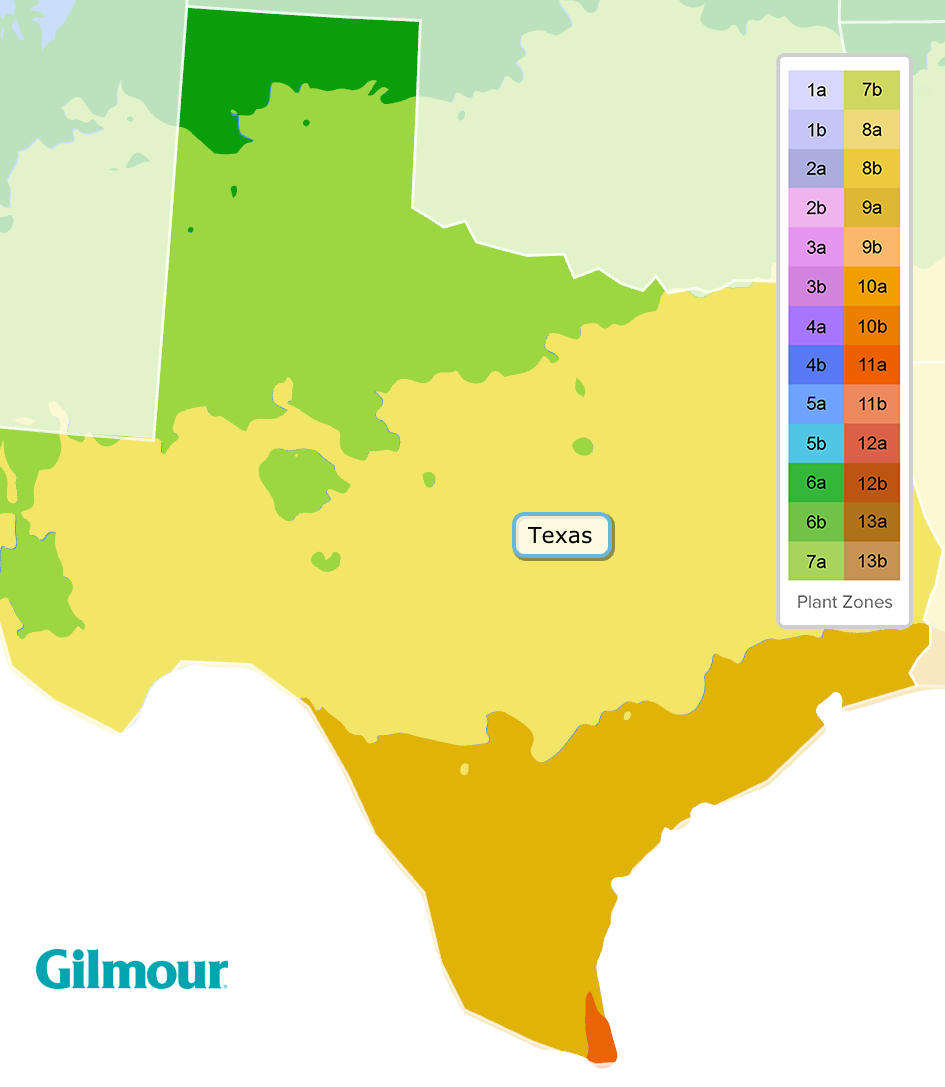
This intricate tapestry of climate and ecology means that a journey across the Lone Star State is a journey through multiple distinct botanical worlds. This article will delve into the various plant zones that crisscross Texas, exploring how they shape the state’s natural beauty and offering insights for travelers on what to see, where to stay, and how to experience its verdant wonders. From the resilient prairie grasses of the Panhandle to the subtropical palms of the Lower Rio Grande Valley, Texas offers a kaleidoscope of natural experiences, each influenced by its unique climate zone. Understanding these zones not only enriches your appreciation of the landscapes but also guides you in discovering hidden gems and planning unforgettable trips tailored to specific botanical interests.
Understanding USDA Plant Hardiness Zones: Your Guide to Texas’s Climate Canvas
Before embarking on a botanical tour of Texas, it’s essential to grasp the concept of USDA Plant Hardiness Zones. Developed by the United States Department of Agriculture, these zones are a standard by which gardeners and horticulturists determine which plants are most likely to survive the winter cold in a specific location. Each zone represents a 10-degree Fahrenheit range of average annual extreme minimum winter temperatures, further divided into ‘a’ and ‘b’ subzones representing 5-degree differences. For a state as expansive as Texas, this system reveals a stunning spectrum of climates, contributing significantly to its appeal as a diverse travel destination.
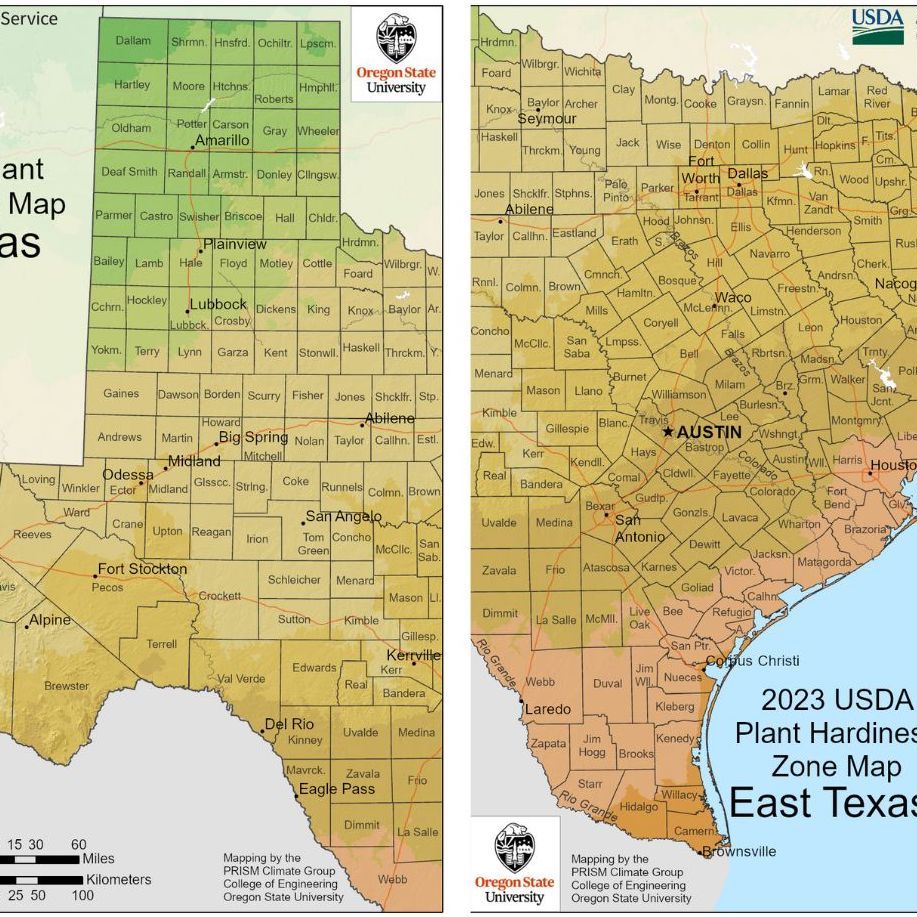
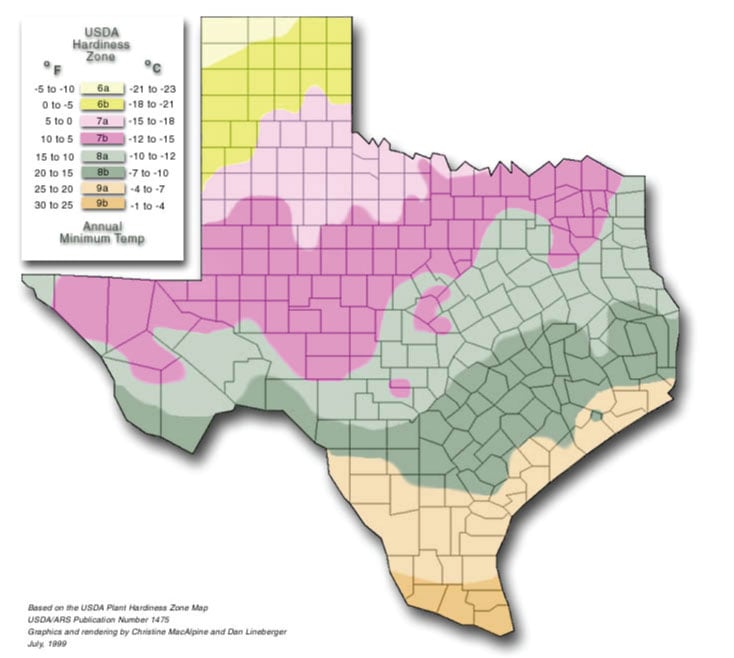
Texas spans an impressive range of these zones, typically from 6b in the extreme northern Panhandle to a balmy 10b along the southernmost Gulf Coast and Lower Rio Grande Valley. This wide variation means that a plant that thrives in Houston (Zone 9a) might struggle in Amarillo (Zone 7a), and vice-versa. For travelers, this knowledge translates into a deeper understanding of the natural attractions they encounter. It explains why cacti dominate the western desert landscapes, while towering pines define the eastern forests, and why the spring brings a riot of wildflowers to the Texas Hill Country.
Moreover, for those considering extended stays, property investments, or simply wishing to cultivate a deeper connection with the local environment, understanding these zones is paramount. It influences everything from local agriculture and culinary tourism – think citrus groves in the south versus peach orchards in central Texas – to the types of eco-lodges and resorts that flourish, often designed to harmonize with their specific botanical surroundings. This zonal framework doesn’t just inform gardening; it sculpts the very identity of Texas as a destination, offering distinct natural experiences in each corner of the state.
Texas’s Vast Botanical Tapestry: A Zone-by-Zone Exploration for the Modern Explorer
The sheer size of Texas means it encompasses a remarkable array of climate zones, each fostering unique plant communities and, by extension, distinct travel experiences. From rugged, arid beauty to lush, humid woodlands, the state’s botanical tapestry offers a journey through contrasting worlds.
The Panhandle’s Resilient Landscape: Zones 6b-7b
In the northern reaches of Texas, specifically the Panhandle, travelers will encounter the coldest winter temperatures in the state, falling into USDA Plant Hardiness Zones 6b and 7a. This region is characterized by vast, windswept plains, dramatic canyons, and a resilient flora adapted to cold winters and often arid conditions. Here, the landscape is dominated by prairie grasses, hardy mesquite, and juniper, which paint a subtle, earthy palette.
For the adventurous traveler, this zone offers breathtaking natural landmarks like Palo Duro Canyon State Park, often dubbed the “Grand Canyon of Texas.” Its dramatic geological formations are interspersed with hardy plant life clinging to the canyon walls and floor, providing stark beauty perfect for hiking, biking, and scenic drives. Nearby, Caprock Canyon State Park offers similar rugged charm and is famous for its wild bison herd, thriving amidst the native grasses. Amarillo and Lubbock serve as gateways to this region, offering comfortable hotels and local eateries that showcase regional flavors. Accommodation here tends towards comfortable, no-frills hotels and charming bed-and-breakfasts, perfect for travelers seeking authentic immersion in the high plains’ quiet grandeur.
North and Central Texas: A Diverse Heartbeat, Zones 7a-8b
Moving south and east, North Texas transitions into Central Texas, covering zones 7b, 8a, and 8b. This expansive region is a vibrant mosaic, characterized by rolling prairies, diverse woodlands, and, most famously, the spectacular spring wildflower displays of the Texas Hill Country. Winters are milder here, allowing for a broader spectrum of plant life, including various oak species, pecan trees, and, of course, the iconic Texas bluebonnets that blanket fields each spring.
Major metropolitan areas like Dallas, Fort Worth, and Austin anchor this zone. In Dallas and Fort Worth, visitors can explore world-class botanical gardens like the Dallas Arboretum and Botanical Garden and the Fort Worth Botanic Garden, which showcase both native and exotic species thriving in this transitional climate. For a true immersion into native flora, a visit to Austin is incomplete without exploring the Lady Bird Johnson Wildflower Center, dedicated to conserving and promoting North American native plants.
The Texas Hill Country is a premier destination for lifestyle and tourism, especially during the spring bloom. Towns like Fredericksburg, Wimberley, and New Braunfels offer charming accommodations, from quaint bed-and-breakfasts to luxury resorts that blend seamlessly into the rolling hills. Travelers can embark on scenic drives along the Bluebonnet Trail, float down the Guadalupe River or San Marcos River, or explore unique landmarks such as Enchanted Rock State Natural Area, whose granite dome is surrounded by characteristic Hill Country vegetation. San Antonio, with its historic Alamo and verdant San Antonio River Walk, provides a cultural counterpoint, where urban design elegantly incorporates native and adapted plants. This region also boasts various eco-friendly hotels and glamping sites, offering guests a chance to sleep under the stars while surrounded by the sounds of nature.
East Texas’s Lush Greenery: The Piney Woods and Beyond, Zones 8b-9a
As you journey further east, the landscape transforms into the humid, pine-dominated realm of East Texas, primarily in zones 8b and 9a. This region is characterized by higher rainfall, more acidic soils, and dense forests that form the westernmost extension of the vast southeastern United States pine belt. The Piney Woods are home to towering loblolly and shortleaf pines, various hardwoods, and a lush understory of dogwoods, azaleas, and magnolias that create a vibrant display, especially in spring.
For nature lovers and outdoor enthusiasts, East Texas is a paradise. Big Thicket National Preserve offers a unique blend of ecosystems, from swamps to pine uplands, providing exceptional opportunities for hiking, birdwatching, and paddling. National Forests like Davy Crockett National Forest and Sam Houston National Forest provide extensive trails and camping grounds. Caddo Lake State Park, with its mysterious cypress trees draped in Spanish moss, offers unparalleled kayaking and fishing experiences. Accommodation options in East Texas range from rustic cabins within the state parks to lakeside resorts on massive reservoirs like Toledo Bend Reservoir, perfect for family trips and those seeking tranquility amidst nature. Local tourism often highlights charming small towns, Southern hospitality, and delectable regional cuisine, often featuring fresh produce from the fertile lands.
The Coastal Plains and Subtropical South: Zones 9a-10b
Along the Texas Gulf Coast and extending into the southernmost tip of the state, zones 9a, 9b, 10a, and 10b define a subtropical paradise. Here, mild winters with infrequent frosts and high humidity create an environment where tropical and semi-tropical plants flourish. Palms, citrus trees, oleanders, and bougainvillea are common, adding a vibrant, exotic feel to the landscape.
Cities like Houston, with its impressive collection of urban green spaces and the Houston Arboretum and Nature Center, blend city life with lush natural beauty. Galveston offers charming Victorian architecture amidst beachfront resorts and botanical attractions like Moody Gardens, home to rainforest and aquarium pyramids. For wildlife enthusiasts, Brazos Bend State Park offers prime alligator and bird-watching opportunities amidst its marshy habitats.
Further south, Corpus Christi and South Padre Island are renowned for their pristine beaches and abundant birdlife. Padre Island National Seashore and Mustang Island State Park protect vital coastal ecosystems, offering insights into the unique flora and fauna adapted to salt spray and sandy soils. The Lower Rio Grande Valley, bordering Mexico, boasts the warmest climate and is a critical migratory bird flyway, home to species found nowhere else in the United States. Towns like Brownsville and McAllen are hubs for eco-tourism, with attractions like the Laguna Atascosa National Wildlife Refuge and the National Butterfly Center. Accommodation in this zone ranges from luxurious beachfront resorts and family-friendly hotels to quaint guesthouses, many offering amenities like pools and private beach access.
West Texas’s Arid Wonders: The Chihuahuan Desert, Zones 7a-8a (with desert conditions)
Venturing west, Texas transforms into a land of stark, breathtaking beauty: the Chihuahuan Desert. While parts of this region share zone numbers (7a-8a) with areas further east, the defining characteristic here is extreme aridity, high elevation, and dramatic temperature swings. The flora is uniquely adapted to these harsh conditions, featuring an incredible array of cacti, yucca, agave, ocotillo, and creosote bush, creating a landscape of sculptural plants.
This region is a mecca for adventurous travelers seeking solitude and dramatic vistas. Big Bend National Park is one of the nation’s most remote and awe-inspiring landmarks, offering unparalleled hiking, stargazing, and river trips along the Rio Grande. Guadalupe Mountains National Park is home to the highest peak in Texas, Guadalupe Peak, and features diverse desert flora alongside surprising pockets of lush vegetation in its canyons. El Paso, at the westernmost tip, provides a vibrant cultural experience nestled against the backdrop of the Franklin Mountains State Park, offering hiking within city limits.
Other unique natural landmarks include Monahans Sandhills State Park, where visitors can “sand surf” among the dunes dotted with shin oaks, and Davis Mountains State Park, offering cooler mountain climates and stunning vistas, home to the McDonald Observatory. Accommodation here varies from rustic lodges and state park cabins to national park inns and unique glamping experiences that allow travelers to fully immerse themselves in the desert’s magic while maintaining comfort. This is a destination for those who appreciate rugged beauty, clear night skies, and a profound connection to the raw power of nature.
Planning Your Texas Botanical Adventure: Travel, Tourism, and Accommodation Tips
Exploring Texas’s diverse plant zones offers a wealth of opportunities for unique travel experiences. To make the most of your botanical adventure, consider these tips for planning, tourism, and accommodation:
- Timing is Everything: For the most spectacular floral displays, especially wildflowers like bluebonnets in the Texas Hill Country or blooming cacti in the Chihuahuan Desert, plan your visit for spring (typically March to May). Fall brings beautiful foliage to East Texas and surprising autumn colors in the canyons of West Texas. For birdwatching, the coastal and southern regions are best during spring and fall migrations.
- Embrace Eco-Tourism: Many Texas State Parks and National Parks, managed by the Texas Parks and Wildlife Department, focus on preserving native habitats. Engage in responsible tourism by staying on marked trails, not picking wildflowers, and minimizing your environmental footprint. Consider guided tours that emphasize ecological education.
- Accommodation with a View: Seek out hotels, resorts, and vacation rentals that highlight the local flora. This could mean a boutique hotel in Fredericksburg with a native plant garden, an eco-lodge nestled in the Piney Woods, or a glamping site with panoramic desert views in Big Bend. Many properties now offer nature walks, birding guides, or even gardening workshops that connect guests to the local environment.
- Culinary Connections: The plant zones directly influence local agriculture and cuisine. Explore farmers’ markets in Central Texas for seasonal produce, sample fresh seafood along the Gulf Coast, or enjoy farm-to-table dining experiences that source ingredients unique to their zone.
- Beyond the Bloom: Even outside peak blooming seasons, each zone offers unique beauty. The stark, architectural forms of desert plants, the enduring green of the pine forests, or the coastal wetlands teeming with birdlife provide year-round natural wonders.
- Transportation: While driving offers the most flexibility for exploring diverse landscapes, consider organized tours for specific experiences like wildflower routes or national park excursions, which often provide expert commentary on the local flora.
Beyond the Zones: Cultivating a Lifestyle in Texas’s Diverse Landscapes
Understanding Texas’s plant zones extends beyond just planning a vacation; it’s about embracing a lifestyle, whether you’re a temporary visitor seeking a unique experience or considering a long-term stay. The rich botanical diversity of the state significantly impacts daily life, outdoor activities, and even the local culture.
For residents and those considering extended stays, familiarity with the local plant zone is crucial for successful gardening and landscaping. Choosing native and adapted plants not only ensures a thriving garden but also supports local ecosystems, conserves water, and reduces the need for chemicals. This promotes a sustainable lifestyle, connecting individuals more deeply with their immediate environment. Many communities in Texas have embraced xeriscaping in arid zones or rain gardens in more humid areas, reflecting a growing awareness of ecological responsibility.
The unique flora of each zone also shapes the recreational activities available. Hiking through the fragrant Piney Woods differs vastly from scrambling amongst cacti in the Chihuahuan Desert. Birdwatching, photography, painting, and simply enjoying nature walks are enriched by understanding the specific plant communities that support local wildlife. Festivals celebrating spring wildflowers, fall harvests, or specific regional plants (like citrus in the Lower Rio Grande Valley) are integral to the local tourism and cultural calendar, fostering community spirit and a deep appreciation for the natural world.
The choice of where to settle in Texas often hinges on the desired natural surroundings. Some prefer the urban parks and arboretums of Dallas or Houston, others the rolling hills and live oaks of the Texas Hill Country, or the dramatic desolation of West Texas. Each zone offers a distinct quality of life, shaped by its climate and the plant life it sustains. This connection between plant zones and lifestyle underscores the profound impact of nature on human experience, making Texas not just a place to visit, but a place to truly live and thrive amidst its green heart.
In conclusion, Texas’s extensive range of USDA Plant Hardiness Zones creates a wonderland of botanical diversity that beckons travelers and nature enthusiasts alike. From the rugged beauty of the Panhandle and West Texas to the verdant forests of East Texas and the subtropical allure of the Gulf Coast and Lower Rio Grande Valley, each region offers a unique natural experience. Understanding these zones is the key to unlocking the full potential of your Texas adventure, guiding you to the best attractions, ideal accommodations, and the most captivating natural spectacles. Whether you’re planning a short trip or dreaming of a long-term immersion, Texas’s diverse flora promises an enriching journey that beautifully intertwines travel, tourism, and a lifestyle deeply connected to the natural world.