
As the sun-drenched landscapes of Florida beckon travelers year-round, a common question arises from those venturing into its wilder corners: do the state’s iconic black bears truly hibernate? The concept of bears hunkering down for the winter is deeply ingrained in our cultural consciousness, largely influenced by images of bears in colder climes. However, the subtropical climate of the Sunshine State presents a unique set of circumstances for its ursine inhabitants, leading to a fascinating divergence from the typical hibernating bear narrative. This article delves into the science and observation behind Florida black bear behavior, offering an insightful look into their winter adaptations and challenging common assumptions.

Understanding Hibernation: A Biological Imperative
Hibernation is a complex physiological state characterized by a significant drop in body temperature, heart rate, and metabolic rate, allowing animals to conserve energy during periods of scarce food and harsh environmental conditions. It is a vital survival strategy for many species facing long, cold winters with limited access to sustenance.
The Defining Characteristics of True Hibernation
True hibernation is not simply a prolonged period of sleep. It is a carefully orchestrated biological process. Key indicators include:
- Drastic Drop in Body Temperature: Hibernators experience a substantial decrease in core body temperature, often approaching or even reaching freezing point in some species. This significantly reduces the energy required to maintain bodily functions.
- Slowed Metabolism and Heart Rate: Their metabolism slows to a crawl, and their heart rate can plummet from dozens of beats per minute to just a handful. This conserves precious energy reserves.
- Periodic Arousals: Despite being in a deep dormant state, most hibernators experience periodic awakenings. These arousals, though energy-intensive, are believed to be crucial for restoring physiological balance and eliminating waste products.
- Fat Reserves as Primary Fuel: Animals enter hibernation with substantial fat reserves, which are gradually metabolized to provide the energy needed to survive the dormant period.
Environmental Triggers for Hibernation
The primary trigger for hibernation is the availability of resources. As temperatures drop and food sources like berries, nuts, and insects become scarce in temperate and arctic regions, hibernation becomes the most viable option for survival. Photoperiod (daylight length) also plays a role, signaling to animals that winter is approaching and it’s time to prepare.
Florida’s Unique Climate and Bear Behavior
Florida, with its mild winters and generally abundant food sources, offers a dramatically different environment compared to the typical habitats of hibernating bears. This climatic difference directly influences how Florida black bears adapt to the cooler months.
The Myth of Florida Bear Hibernation
The prevailing image of bears disappearing into snow-laden dens for months on end doesn’t accurately reflect the reality for Florida black bears. While they do seek shelter and reduce their activity during colder periods, their behavior is more accurately described as torpor or a reduced winter activity state rather than true hibernation.
Torpor vs. Hibernation: A Crucial Distinction
The distinction between torpor and hibernation is critical when discussing Florida bears.
- Torpor: This is a state of decreased physiological activity, characterized by reduced body temperature, metabolic rate, and activity. However, the changes are generally less extreme than in true hibernation, and the animal can arouse more quickly and easily. This is the state most commonly observed in Florida black bears during winter.
- Hibernation: As defined earlier, this involves more profound physiological changes, making it a deeper and more energy-efficient state for surviving prolonged periods of extreme cold and food scarcity.
In Florida, temperatures rarely plummet to the extreme lows that necessitate deep hibernation, and food sources, such as certain fruits, nuts, and carrion, remain available for much of the year.
Factors Influencing Florida Black Bear Winter Activity
Several factors contribute to the differing winter behavior of Florida black bears, deviating from the hibernating norm.
Food Availability Year-Round
Unlike their northern counterparts, Florida black bears benefit from a more consistent food supply. While some food sources may become less abundant, they are rarely absent entirely.
- Berries and Fruits: While many berry bushes are less productive in winter, some species, like saw palmetto, can still provide sustenance.
- Nuts and Acorns: Mast crops from oaks are a significant food source in the fall, and any remaining acorns can be consumed into winter.
- Insects and Grubs: Bears can still forage for insects and grubs beneath the soil or in decaying wood, even in cooler weather.
- Carrion: The availability of carrion from other deceased animals provides a valuable protein source throughout the year.
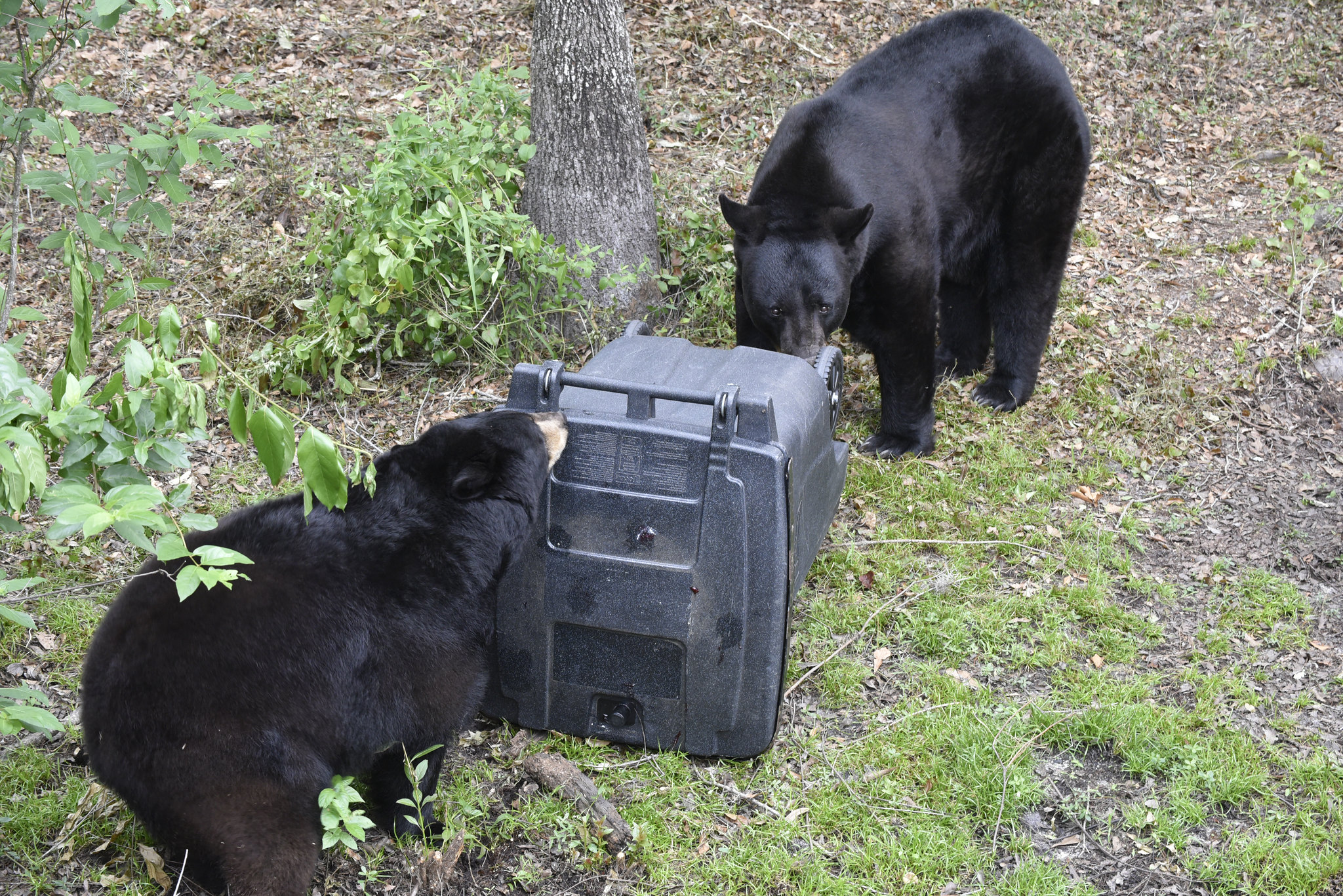
- Human-Associated Food: In areas with human development, bears may also forage in trash receptacles or agricultural areas, further supplementing their diet and reducing the need for extreme energy conservation.
Mild Winter Temperatures
Florida’s winter temperatures, while cooler than summer, are generally mild. Daytime temperatures can still be pleasant, and freezing temperatures are infrequent and usually short-lived. These milder conditions mean that bears do not face the same critical need to drastically reduce their metabolic rate to survive the cold.
Shelter and Denning Behavior
While not true hibernators, Florida black bears do alter their behavior during cooler periods. They will seek out sheltered den sites to escape inclement weather and reduce energy expenditure.
- Den Site Selection: These dens are typically less elaborate than those used by hibernating bears in colder climates. They may utilize hollow logs, dense thickets, natural cavities, or even shallow depressions in the ground. Occasionally, they might use abandoned structures or underbrush.
- Reduced Activity: Bears will spend more time resting in their dens during cold snaps or periods of heavy rain. However, they are not in a deep state of dormancy and can emerge to forage if conditions are favorable or if their immediate food needs dictate.
- Maternal Dens: A significant exception to this reduced activity is pregnant female bears. These bears will enter a state of torpor, often deeper than the average bear, within their dens. This is crucial for the survival of their newborn cubs, which are born altricial (helpless) and very small. The mother bear will nurse and protect her cubs within the den for several months until they are strong enough to venture out. This maternal denning is the closest Florida black bears come to the hibernation behavior seen in other regions.
Observing Florida Black Bears in Winter
Understanding that Florida black bears don’t hibernate in the traditional sense allows for a more nuanced appreciation of their adaptability. For those visiting Florida State Parks or wildlife management areas, an awareness of their winter habits can enhance the experience.
Where and When to Potentially See Bears
While bears are wild animals and sightings are never guaranteed, certain times and locations offer a higher probability.
- Dawn and Dusk: Bears are most active during the crepuscular hours, meaning dawn and dusk, when temperatures are cooler and they are less likely to encounter humans.
- Areas with Food Sources: Look for bears near areas known for berry production, oak stands (for acorns), or along the edges of agricultural fields.
- Wildlife Management Areas (WMAs): Many WMAs throughout Florida, such as the Osceola National Forest or the Big Cypress National Preserve, provide crucial habitat for black bears.
- Roadside Sightings: While not ideal for viewing, bears are sometimes seen crossing roads, particularly in rural areas or near forested corridors. Always exercise extreme caution and never stop on a busy road.

Ethical Wildlife Viewing Practices
Responsible observation is paramount to ensuring the safety of both humans and bears.
- Maintain a Safe Distance: Never approach a bear, especially a sow with cubs. Maintain at least 100 yards (91 meters) distance.
- Do Not Feed Bears: Feeding bears habituates them to human presence and can lead to dangerous encounters. This includes leaving food scraps or unsecured trash.
- Keep Pets Under Control: Leash your pets at all times, as they can provoke a bear and put themselves and you at risk.
- Be Aware of Your Surroundings: Make noise while hiking to avoid surprising a bear. Carry bear spray in areas where encounters are more likely, though this is less common in Florida than in western states.
- Report Bear Sightings: If you encounter a bear that appears to be in distress, injured, or is exhibiting unusual behavior (e.g., frequenting residential areas), contact the Florida Fish and Wildlife Conservation Commission (FWC).
In conclusion, while the term “hibernation” might not perfectly fit their winter behavior, Florida black bears exhibit fascinating adaptations to survive the cooler months. Their ability to find food and utilize shelter, coupled with the mild climate, allows them to remain active, or at least in a state of reduced torpor, rather than succumbing to deep dormancy. Understanding these behaviors enriches our appreciation for the resilience of wildlife and encourages responsible stewardship of their habitats.