
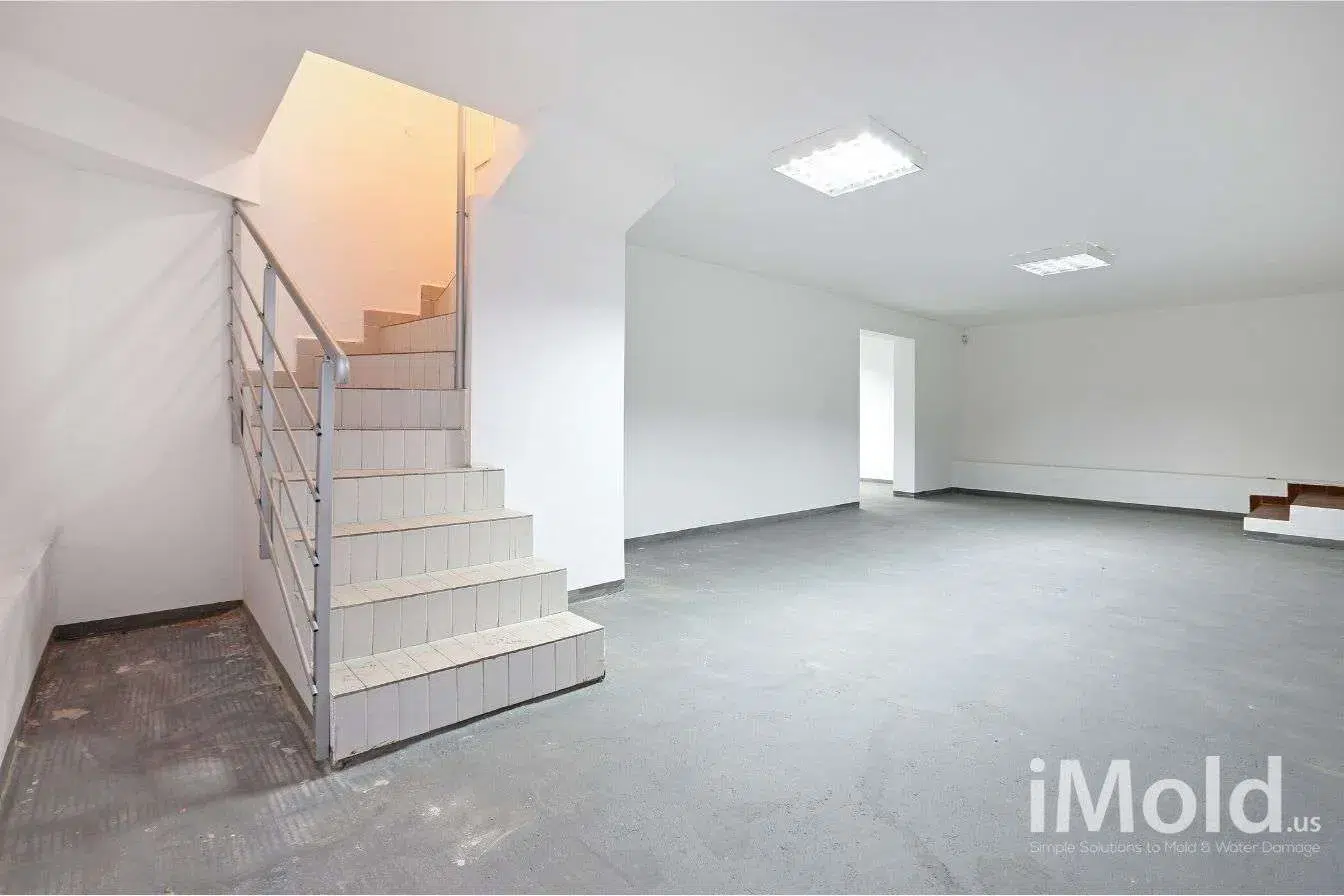
The allure of the Sunshine State is undeniable. With its sun-drenched beaches, vibrant theme parks, and laid-back lifestyle, Florida beckons millions of visitors and new residents each year. For those considering a move or even planning a longer stay, a common question arises, particularly for those accustomed to different climates: “Do Florida houses have basements?” The answer, surprisingly to many, is a resounding “generally, no.” While you might find the occasional anomaly, basements are an extreme rarity in Florida real estate. This lack of underground living spaces is intrinsically tied to the state’s unique geological and climatic conditions.
The Geological and Climatic Realities of Florida
Understanding why basements are so uncommon in Florida requires a dive into the state’s fundamental environmental characteristics. Florida‘s landscape is characterized by low elevation, sandy soil, and a high water table. These factors, combined with the region’s tropical and subtropical climate, create a challenging environment for traditional basement construction.
High Water Table: The Primary Obstacle
Perhaps the most significant reason for the absence of basements in Florida is the remarkably high water table. Much of the state sits on porous limestone, which allows water to permeate easily. The water table, the upper level of the saturated ground, is often just a few feet below the surface.
Excavation and Drainage Challenges
Digging a basement to any significant depth would immediately encounter this saturated soil. Constructing walls and a foundation that could withstand constant hydrostatic pressure from the surrounding water would be an engineering feat of immense complexity and cost. Standard waterproofing techniques that work in other regions would likely be insufficient. The need for extensive dewatering during construction, ongoing sump pump systems to prevent flooding, and the constant battle against moisture would make basements impractical and prohibitively expensive for the vast majority of homeowners. Imagine the constant worry of leaks, mold, and flooding – not exactly the dream Florida lifestyle!
Soil Composition and Stability
Florida‘s soil is primarily composed of sand, often mixed with shell fragments and organic matter. While this sandy soil is excellent for drainage in some contexts, it can be less stable for deep excavations. The lack of cohesive soil layers means that without significant and costly reinforcement, excavated areas could be prone to collapse. This further complicates the feasibility of constructing a stable, dry basement. The natural sandy composition, ideal for absorbing the frequent rainfall, works against the concept of a dry, below-ground living space.
Climate: Humidity and Flooding Risks
Beyond the soil and water, Florida‘s climate plays a crucial role. The state experiences high humidity year-round, which can exacerbate any moisture issues within an underground structure. Furthermore, Florida is a prime target for hurricanes and tropical storms, bringing heavy rainfall and potential for significant flooding. Basements, being below ground level, would be particularly vulnerable to these extreme weather events. Even with advanced drainage, a severe storm could quickly inundate a basement, causing extensive damage and posing a safety risk. The very weather that draws people to Florida – the sun and warmth – paradoxically makes basements a liability rather than an asset.
Alternatives and Adaptations in Florida Home Construction
Given these challenges, Florida home builders and architects have developed alternative strategies to maximize living space and accommodate storage needs without resorting to basements. These adaptations are a testament to innovative design in response to environmental constraints.

Elevated Homes and Stilt Construction
One of the most common solutions, especially in coastal areas prone to flooding, is building homes on stilts or elevated foundations. This not only elevates the primary living space above potential floodwaters but also creates usable space underneath the house. This “under-house” area can be used for parking, storage, outdoor entertaining, or even as a workshop. While not a basement in the traditional sense, it provides a functional below-ground or ground-level space that is protected from water intrusion and offers a similar benefit of additional square footage. Many charming beach bungalows and modern waterfront homes in cities like Miami or Tampa are built this way.
Crawl Spaces: A Compromise
In some instances, particularly in older homes or certain soil types, you might find homes with crawl spaces. A crawl space is a shallow, unfinished space between the ground and the first floor of a house, typically accessible via an exterior hatch or an interior access panel. These spaces are usually only a few feet high, too low to stand in comfortably, but they do provide some room for accessing utilities like plumbing and electrical wiring, and offer a limited amount of storage. However, due to the high water table and humidity, even crawl spaces in Florida often require specialized ventilation and vapor barriers to prevent moisture problems. They are a far cry from the spacious, finished basements found in other parts of the country.
Above-Ground Structures and Garages
Florida residents often turn to above-ground solutions for their storage and utility needs. Garages, whether attached or detached, are a staple, providing secure parking and substantial storage. Many homes also feature large attics, which, with proper insulation and ventilation, can serve as additional storage areas. For those needing extra space, sheds and outbuildings are common additions to Florida properties, offering a practical and accessible solution for storing outdoor equipment, tools, or seasonal items. The emphasis is always on keeping living and storage spaces above the ground level.
The Psychological and Cultural Impact
The absence of basements in Florida has also subtly shaped the state’s architectural styles and the very way people interact with their homes. For generations, Florida homes have been designed with outdoor living and airflow in mind. Large porches, screened lanai, and expansive yards are more integral to the Florida lifestyle than a dark, subterranean room.
Architectural Styles Reflecting the Climate
Florida architecture often emphasizes open floor plans, large windows for natural light, and materials that can withstand heat and humidity. Homes are built to embrace the outdoors, with living spaces often extending onto patios, decks, or into lush gardens. This outward-looking design philosophy stands in contrast to the more inward-focused architecture that might be found in colder climates where basements provide a valuable insulated space. Think of the iconic Florida bungalow or the modern coastal villa – their designs are a direct response to the climate and landscape.
Shifting Perceptions of “Usable Space”
For newcomers, the lack of a basement can require a mental shift in how they perceive “usable space.” What might have been dedicated to a basement in a northern home – a home gym, a media room, or extra bedrooms – needs to be accommodated elsewhere in a Florida residence. This often means utilizing larger overall footprints for homes, investing in multi-story designs, or becoming more adept at organizing and utilizing above-ground storage solutions. The dream of a finished basement retreat might need to be re-imagined as a spacious screened porch or a well-appointed outdoor kitchen.

Conclusion: Embracing the Florida Way
So, do Florida houses have basements? In nearly all practical and common scenarios, the answer is no. The geological makeup, the omnipresent high water table, and the volatile climate make traditional basement construction an impractical and costly endeavor. Instead, Florida homes have evolved with unique architectural adaptations like elevated foundations, crawl spaces, and a strong emphasis on outdoor living and above-ground storage.
While those relocating from other regions might initially miss the concept of a basement, they will likely come to appreciate the Florida approach to home design. It fosters a lifestyle that is deeply connected to the outdoors, embracing the sunshine and warm breezes that make this state so desirable. Instead of a dark, subterranean room, Florida offers an abundance of natural light, refreshing air circulation, and the unique charm of living above the ground, where the beauty of the Sunshine State can be enjoyed to its fullest. For any traveler or potential resident, understanding this fundamental aspect of Florida housing is key to appreciating the distinctive character of its homes and its unique way of life.