
Traveling with an infant or toddler can be an incredibly rewarding experience, opening up new worlds and creating lasting family memories. However, for parents, one of the most pressing questions when planning a trip often revolves around the logistics of sleep for their little ones. The comfort and safety of a baby’s sleeping arrangements can make or break a family vacation. So, do hotels have cribs? The short answer is, overwhelmingly, yes. Most hotels, particularly those that cater to the family travel market, do offer cribs or playards as a standard amenity. This article will delve into everything parents need to know about hotel crib availability, how to secure one, safety considerations, and what to do if a crib isn’t an option, ensuring your next family adventure is as smooth and restful as possible.
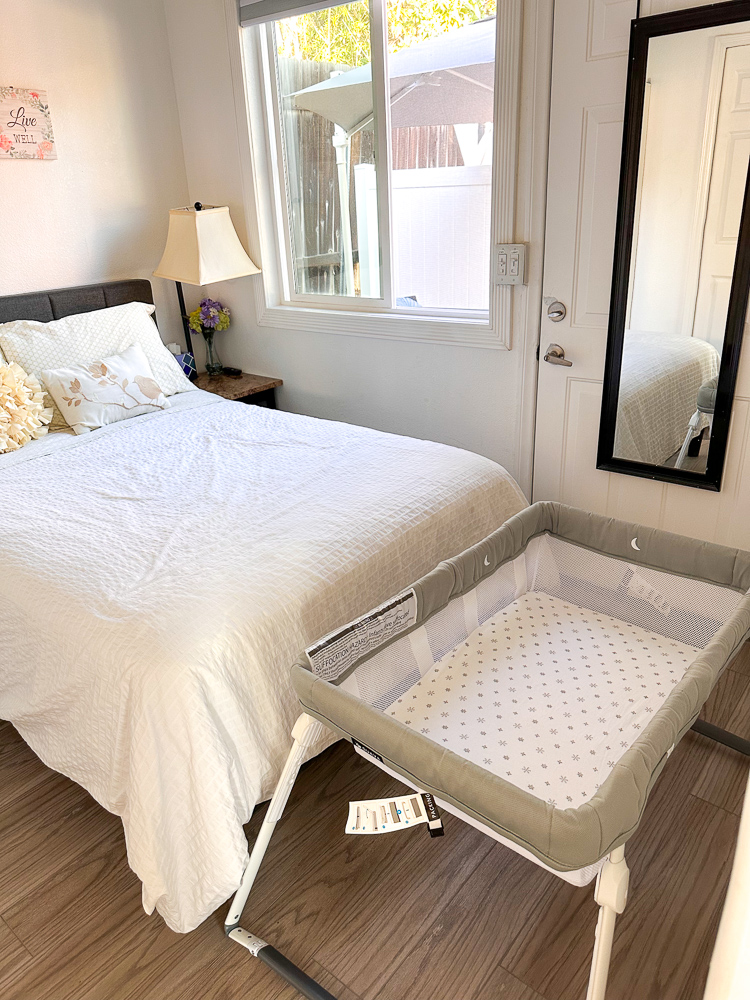
The Standard Practice: Hotels and Crib Availability
The vast majority of hotels understand the needs of traveling families and strive to provide a comfortable and safe environment for all guests, including the youngest ones. Cribs are a common amenity, a testament to the hospitality industry’s commitment to inclusive accommodation options.
Why Cribs are a Common Amenity
The presence of cribs in hotels isn’t just a courtesy; it’s a strategic offering driven by several factors within the travel and tourism sectors. Firstly, catering to family travel has become a significant market for hotels and resorts worldwide. From weekend getaways to extended family vacations, parents are increasingly seeking destinations and accommodations that understand and meet the unique requirements of traveling with children. Offering cribs directly addresses a primary concern for these guests, making their choice of lodging much easier.
Secondly, providing cribs offers a considerable competitive advantage in a crowded market. Hotels constantly vie for bookings, and amenities like free cribs can often tip the scales in their favor when families are comparing options. It signals a family-friendly atmosphere and a willingness to go the extra mile to ensure guest comfort. This focus aligns perfectly with the broader trends in accommodation and lifestyle segments, where tailored experiences, whether luxury or budget-conscious, are highly valued.
Finally, there are often legal and safety requirements or strong industry best practices that encourage or mandate the provision of safe sleeping options for infants. While specific regulations vary by country and region, the emphasis on guest safety means hotels are generally proactive in providing equipment that meets recognized safety standards. This proactive approach helps hotels avoid potential liabilities and enhances their reputation for guest care, contributing to positive tourism tips and reviews.
Types of Cribs You Can Expect
When you request a crib from a hotel, you might encounter a few different types, depending on the hotel’s style, brand, and available inventory.
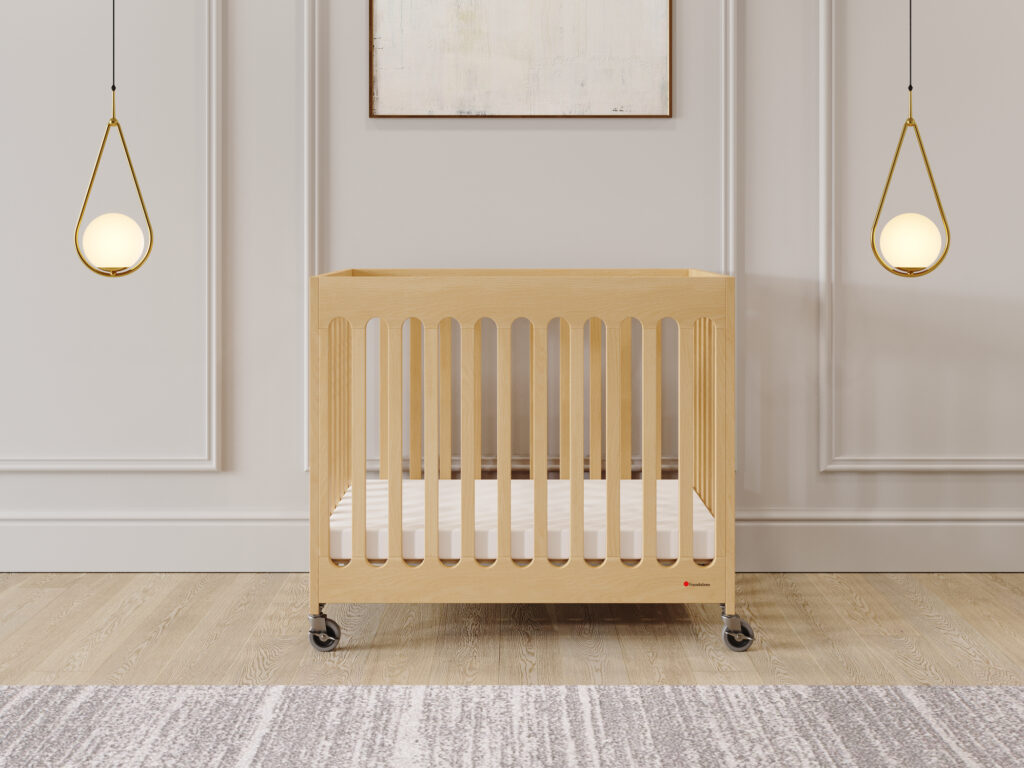
- Standard Cribs (Full-Sized): These are traditional wooden or metal cribs, similar to what you might have at home. They offer a sturdy and spacious sleeping area for infants and toddlers. These are most common in larger, full-service hotels or those specifically branded as family-friendly.
- Pack-n-Plays/Playards: Often the most common option, especially in mid-range and budget hotels, these portable cribs are versatile and easy to set up. Brands like Graco Pack ‘n Play are ubiquitous. They serve as both a sleeping space and a safe play area, making them practical for travel. While generally safe, some parents find the mattresses thinner than standard cribs.
- Bassinets: For newborns and very young infants (typically up to a few months old or until they can push up on their hands and knees), some hotels may offer bassinets. These are smaller and more compact than cribs, ideal for a baby’s first few months. They are usually found in higher-end hotels or those with specialized baby amenities.
It’s important to clarify that cribs are distinct from rollaway beds, which are extra single beds designed for older children or adults. Always specify “crib” or “pack-n-play” when making your request to avoid any confusion.
Who Provides Cribs?
Virtually all segments of the hotel industry are likely to offer cribs, though the quality and availability may vary.
- Major Hotel Chains: Global brands such as Marriott International, Hilton Worldwide, Hyatt Hotels Corporation, IHG Hotels & Resorts, and Accor almost universally provide cribs. Their extensive portfolios include family-focused brands like Holiday Inn, Hampton Inn, Embassy Suites, and Residence Inn, all known for catering to families. Even luxury brands such as Four Seasons Hotels and Resorts and Ritz-Carlton go above and beyond, often offering premium cribs and even baby toiletries.
- Family-Friendly Resorts: Destinations like Orlando (home to Disney World and Universal Studios) or all-inclusive resorts in Cancun are prime examples where family amenities are a cornerstone of their appeal. These resorts frequently have a robust supply of cribs and other baby equipment.
- Boutique Hotels vs. Budget Motels: Boutique hotels may offer cribs, but their inventory might be limited due to fewer rooms. It’s always best to check in advance. Budget motels, while often providing basic amenities, might have fewer or older cribs, or might not offer them at all. This is where pre-arrival communication becomes crucial.
Navigating the Process: Requesting a Crib
Securing a crib for your hotel stay is usually straightforward, but a little proactive planning can save you a lot of stress upon arrival. Communication is key to ensuring your little one has a safe and comfortable place to sleep.
The Importance of Advance Communication
The single most important tip for guaranteeing a crib is to request it in advance. This cannot be stressed enough.
- When Booking: Make your crib request at the time of booking, whether you’re reserving online or speaking directly with a reservations agent. Many online booking platforms (like those focused on accommodation) have a “special requests” or “notes” section where you can specify your need for a crib.
- Confirmation Before Arrival: Even if you requested a crib during booking, it’s a good practice to call the hotel directly a few days before your arrival to re-confirm. This gives the hotel ample time to allocate a crib to your room and ensures there are no last-minute surprises. This step is particularly vital during peak travel seasons, such as holidays or school breaks, when demand for family amenities might be high.
- Special Requests Section: When traveling with infants, consider if you have any other specific needs, like a room on a lower floor, near an elevator, or away from noisy areas. Adding all these to your special requests ensures the hotel can prepare your room optimally.
Checking Availability and Costs
While cribs are common, their availability isn’t infinite. Hotels typically have a limited number of cribs, especially if they are a smaller property or a very popular family destination.
- Free vs. Paid: In most cases, cribs are offered as a complimentary amenity. Major chains and family resorts rarely charge extra for them. However, some independent or boutique hotels might levy a small daily fee. Always clarify this when you make your request or re-confirm your booking. Don’t assume it’s free. This directly impacts your budget travel plans if you’re mindful of every expense.
- Limited Availability: This is the primary reason for requesting in advance. If you wait until check-in, all available cribs might already be in use, especially if the hotel is fully booked. A proactive approach dramatically increases your chances of having a crib ready in your room upon arrival.
Upon Arrival and Setup
Once you arrive at your hotel, whether in a bustling city like New York City or a serene resort, take a moment to confirm the crib is in your room or will be delivered shortly.
- What to Check: Before placing your baby in the crib, take a minute to inspect it. Ensure it’s clean, sturdy, and all parts are properly assembled. Check for any loose screws, sharp edges, or torn mesh. The mattress should fit snugly within the crib frame, with no gaps where a baby could get trapped.
- Placement in the Room: Consider the best placement for the crib in your room. Ideally, it should be away from windows (especially those with cords), curtains, lamps, and any other potential hazards. Ensure it’s in a spot that allows for easy access and doesn’t obstruct walkways. If you have a suite or a larger room, consider placing it in a separate area for better sleep for both baby and parents.
Safety First: Ensuring a Secure Sleeping Environment
The safety of your child is paramount, and while hotels generally strive to provide safe equipment, a quick personal check can offer invaluable peace of mind. Familiarity with safe sleep guidelines is essential, especially when using unfamiliar equipment.
What to Inspect Upon Delivery
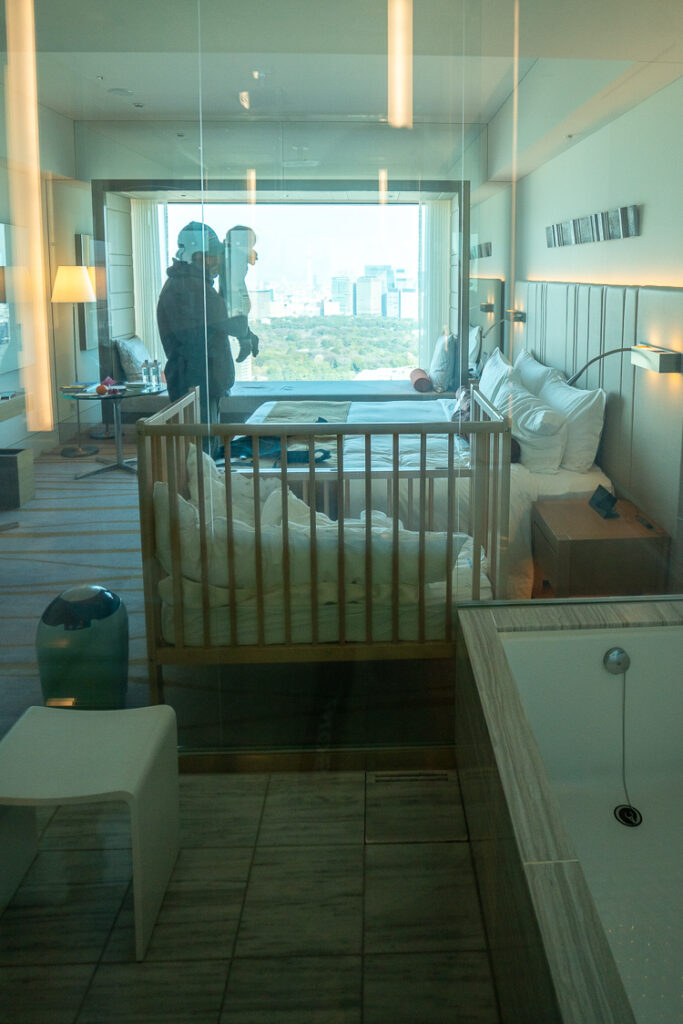
When the hotel staff delivers the crib to your room, it’s crucial to perform a quick but thorough inspection.
- Sturdiness and No Broken Parts: Gently shake the crib to ensure it’s stable and doesn’t wobble. Check all fasteners, wheels, and hinges. There should be no broken slats, loose screws, or sharp edges that could injure your child. For pack-n-plays, confirm the locking mechanisms are securely engaged.
- Proper Mattress Fit: The mattress should fit snugly against all sides of the crib, with no more than a two-finger width gap between the mattress and the crib frame. Gaps can pose a serious entrapment hazard for infants.
- Cleanliness of Bedding: While hotels typically provide clean sheets, inspect them for any stains or rips. It’s often a good idea for parents to bring their own crib sheet from home. The familiar scent can offer comfort to your baby, and you can be certain of its cleanliness.
- No Loose Items Inside the Crib: Ensure the crib is free of pillows, excessive blankets, bumper pads, or soft toys. These items can increase the risk of Sudden Infant Death Syndrome (SIDS) and suffocation. The crib should contain only the mattress and a fitted sheet.
Understanding Hotel Safety Standards
Hotels, particularly in countries with stringent safety regulations like the United States, are typically required to adhere to safety standards for cribs. In the United States, cribs must comply with the regulations set by the Consumer Product Safety Commission (CPSC), which includes strict rules regarding crib construction, mattress dimensions, and warnings. Reputable hotel chains usually have policies for regular inspection and maintenance of their cribs to ensure they remain safe and up-to-date with current safety standards. This often means older, potentially unsafe crib models are retired and replaced.
Personal Safety Tips for Parents
Beyond the hotel’s responsibility, parents play a vital role in ensuring a safe sleeping environment for their child.
- Bring Your Own Sheet: As mentioned, a familiar and personally cleaned sheet can add a layer of comfort and hygiene.
- Avoid Bumpers or Excessive Toys: Stick to the “bare is best” philosophy for infant sleep. The crib should be free of anything that could obstruct breathing or pose a choking hazard.
- Placement Away from Windows/Cords: Always position the crib away from windows, especially if they have blinds with cords, which can be a strangulation hazard. Keep it away from electrical outlets, lamps, and anything that could fall into the crib.
- Monitor Room Temperature: Ensure the room temperature is comfortable for your baby, neither too hot nor too cold. Dress your baby in sleep-appropriate clothing rather than relying on loose blankets.
Alternatives and What to Do If a Crib Isn’t Available
Despite best efforts, there might be rare occasions when a hotel cannot provide a crib. This could happen due to unexpectedly high demand, a smaller property with limited inventory, or perhaps you’re staying in an accommodation type not traditionally set up for infants. Having a backup plan is always a smart move for any family travel experience.
Exploring Other Accommodation Options
If you anticipate difficulties or simply prefer a different setup, consider these alternatives:
- Vacation Rentals: Platforms offering apartments, villas, or houses (like many accommodation providers) often come with more space and a greater chance of having baby equipment, including full-sized cribs, high chairs, and even toys. Many owners specifically cater to families and list these amenities in their descriptions. This can be an excellent option for a long-term stay or if you desire a “home away from home” experience in cities like Paris or Rome.
- Apartment-Style Hotels: Brands such as Residence Inn, Extended Stay America, or Embassy Suites offer suites with separate living areas and often kitchens, which can be far more convenient for families with infants. These properties are typically well-equipped with cribs and other amenities for extended stays.
Bringing Your Own Travel Crib
Many parents opt to bring their own travel crib, particularly if they travel frequently or are very particular about their baby’s sleep environment.
- Advantages: You get the peace of mind that your child is sleeping in a familiar, safe, and clean environment. Familiarity can also help your baby adjust to new surroundings more easily, leading to better sleep. Modern travel cribs are lightweight and compact.
- Disadvantages: It adds another piece of luggage to carry, which can be cumbersome, especially if you’re flying and dealing with multiple bags, strollers, and car seats. Check airline baggage policies for oversized items.
- Popular Travel Cribs: Brands like BabyBjörn Travel Crib Light or Guava Lotus Travel Crib are well-regarded for their portability and safety features.
Making Do Without a Crib
In a pinch, if a crib truly isn’t available and you haven’t brought your own, there are some temporary solutions, though these should always prioritize safety.
- Co-Sleeping (with precautions): If done safely, co-sleeping can be an option. This means ensuring a firm mattress, no loose blankets or pillows near the baby, and no risk of the baby falling off the bed or getting trapped between the mattress and headboard. Avoid co-sleeping if you’ve consumed alcohol or medications that might impair your awareness.
- Arranging Furniture for a Safe Space: For older infants or toddlers, you might be able to create a safe sleeping space using existing furniture. For example, pushing a mattress onto the floor against a wall, or creating a barrier with pillows and luggage (while being mindful of suffocation risks). Always ensure the space is enclosed and free from hazards.
- Temporary Solutions (with caution): While some parents resort to using large suitcases lined with blankets as makeshift bassinets, this is generally not recommended due to ventilation concerns and lack of certified safety. Always prioritize a firm, flat sleeping surface free from loose items.
Beyond Cribs: Other Family-Friendly Amenities and Considerations
When planning a family trip, especially with young children, looking beyond just crib availability can significantly enhance your experience. A truly family-friendly hotel offers a range of services and facilities designed to make travel with children smoother and more enjoyable. This aligns with the broader goals of travel and lifestyle segments, particularly focusing on seamless family trips.
Services and Facilities for Families
Hotels are increasingly recognizing the value of family tourism and are expanding their offerings:
- Baby Equipment: Beyond cribs, many hotels can provide high chairs in restaurants, bottle warmers, sterilizers, and even baby baths. In-room refrigerators are also invaluable for storing breast milk, formula, and baby food.
- Kids’ Clubs and Play Areas: Resorts and larger hotels, especially in popular destinations like Tokyo or throughout Europe and Asia, often feature dedicated kids’ clubs with supervised activities, playrooms, and child-friendly swimming pools. These can offer parents a much-needed break while ensuring children are entertained.
- Babysitting Services: Many hotels can arrange professional babysitting services, either in-room or at a kids’ club, allowing parents to enjoy an evening meal or explore an attraction suitable for adults only, such as a romantic dinner in Paris or Dubai.
- Connecting Rooms and Suites: For families needing more space, connecting rooms or suites with separate sleeping areas can be a godsend. This allows parents to have privacy while still being close to their children, making a long-term stay much more comfortable.
Choosing the Right Hotel for Your Family Trip
Selecting the ideal hotel involves more than just checking for a crib. Consider the overall fit for your family’s needs and preferences:
- Research Reviews: Always check recent reviews on reputable accommodation websites. Look for comments from other families regarding crib quality, staff helpfulness, and overall family-friendliness.
- Location: The hotel’s location relative to attractions, parks, and essential services (like pharmacies or grocery stores) is crucial. A hotel near landmarks or easily accessible public transport can save a lot of hassle.
- Type of Trip: Are you looking for a luxury travel experience, a budget travel option, or something in between? Your choice of hotel should align with your overall lifestyle and travel goals. For instance, an apartment hotel might be ideal for a budget-conscious family or a long-term stay, while a full-service resort might suit a relaxing family vacation.
Making the Most of Your Family Vacation
Ultimately, a successful family trip with an infant or toddler requires a blend of preparation, flexibility, and a positive attitude.
- Planning Activities: While it’s great to see destinations and attractions, remember to build in downtime for naps and relaxation. Don’t overschedule.
- Packing Essentials: Beyond clothing, ensure you have sufficient diapers, wipes, formula/food, any necessary medications, and a few familiar toys or comfort items from home.
- Flexibility and Patience: Travel with young children rarely goes exactly as planned. Be prepared for delays, changed schedules, and unexpected meltdowns. A flexible mindset will help you navigate challenges with greater ease and truly enjoy the experiences your family journey offers.
In conclusion, the answer to “Do hotels have cribs?” is a resounding yes, making family travel more accessible and enjoyable than ever. By planning ahead, communicating your needs, and ensuring safety, parents can confidently embark on adventures with their little ones, creating unforgettable memories around the world.
LifeOutOfTheBox is a participant in the Amazon Services LLC Associates Program, an affiliate advertising program designed to provide a means for sites to earn advertising fees by advertising and linking to Amazon.com. Amazon, the Amazon logo, AmazonSupply, and the AmazonSupply logo are trademarks of Amazon.com, Inc. or its affiliates. As an Amazon Associate we earn affiliate commissions from qualifying purchases.