
When contemplating a move to the vast and diverse state of Texas, or planning an extended stay for leisure or business, many practical questions arise. Among these, the presence or absence of basements in Texan homes often sparks curiosity, particularly for those accustomed to regions where subterranean levels are a standard feature of residential architecture. This inquiry isn’t merely about personal preference; it delves into fundamental aspects of construction, climate, geology, and even the local lifestyle. Understanding why basements are uncommon in Texas sheds light on the unique challenges and solutions employed in building homes across the Lone Star State.
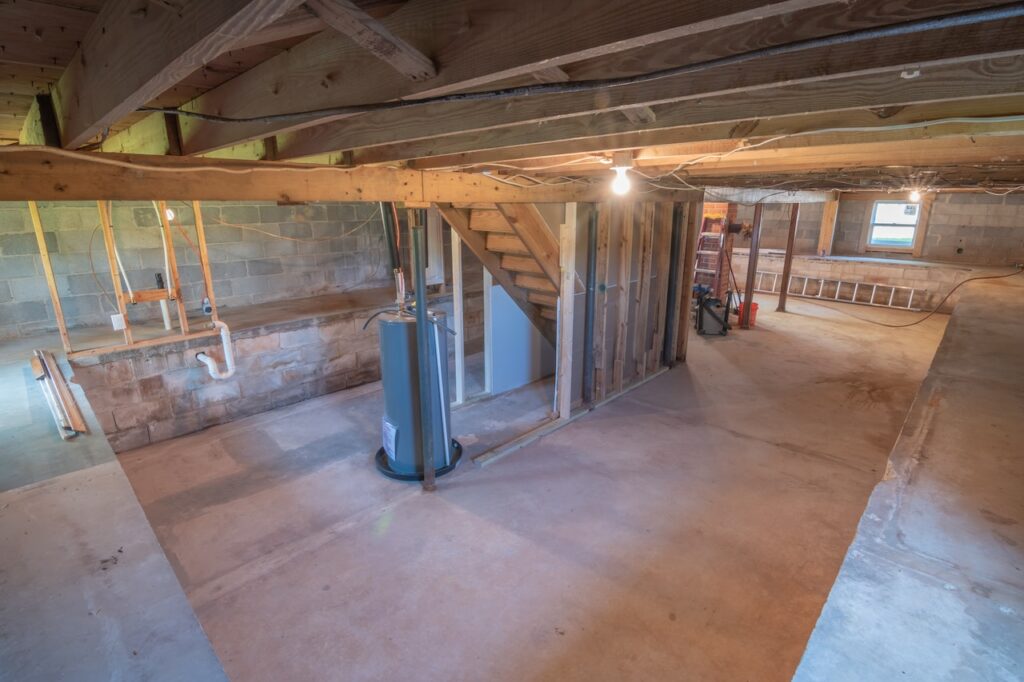
The answer, in short, is that while basements do exist in Texas, they are far from the norm. You’ll find them more frequently in older homes, often in the eastern or northern parts of the state, and in areas with specific geological characteristics. However, for the vast majority of new construction and homes built in the last few decades, basements are a rare commodity. This prevalent absence is not an arbitrary decision but a direct consequence of several intertwined factors, primarily the state’s climate, soil conditions, and the cost-effectiveness of alternative building methods.
The Climate Factor: Battling the Heat and Humidity
The oppressive heat and high humidity experienced across much of Texas, particularly during the long summer months, play a significant role in the scarcity of basements. The primary purpose of a basement, in many regions, is to provide a naturally cooler space, shielding inhabitants from the scorching sun and offering a reprieve from ambient temperatures. In Texas, however, digging a basement deep enough to consistently escape the heat would necessitate going far below the surface, a costly endeavor. Moreover, the high water table in many parts of the state presents a significant challenge.
The Water Table and Foundation Concerns
The water table refers to the level below which the ground is saturated with water. In many areas of Texas, especially closer to the Gulf Coast or in river valleys, the water table is relatively high. Constructing a basement in such conditions would require extensive and costly waterproofing measures, reinforced foundations to withstand hydrostatic pressure (the pressure exerted by standing water), and robust drainage systems. Even with these precautions, the risk of water intrusion, mold, and mildew remains a constant concern. The damp, humid environment of a Texas basement, if not meticulously maintained, can quickly become an uncomfortable and unhealthy living space. This makes the investment in a basement less appealing for both builders and homeowners when compared to other, more reliable cooling solutions.
Alternative Cooling Strategies
Instead of relying on basements for temperature regulation, Texas homes have evolved to incorporate other, more effective strategies for combating the heat. These include:
- Superior Insulation: Modern homes in Texas are typically built with high-performance insulation in attics, walls, and floors to minimize heat transfer from the outside.
- Efficient HVAC Systems: Powerful and energy-efficient air conditioning units are standard, ensuring that homes can be kept at comfortable temperatures regardless of the external conditions.
- Strategic Landscaping: Planting trees for shade around the house can significantly reduce the amount of direct sunlight hitting the structure, thereby lowering internal temperatures.
- Light-Colored Roofing and Siding: Materials that reflect solar radiation are often used to further mitigate heat absorption.
- Ventilation: Proper attic ventilation helps to dissipate heat buildup, preventing it from radiating down into the living spaces.
These integrated approaches have proven to be more practical and cost-effective than building basements in a climate that presents so many water-related challenges.
Soil Conditions and Geological Considerations
Beyond the climate, the very ground beneath Texas plays a crucial role in dictating building practices. The state boasts a wide range of soil types, many of which are not ideal for basement construction.
Expansive Soils
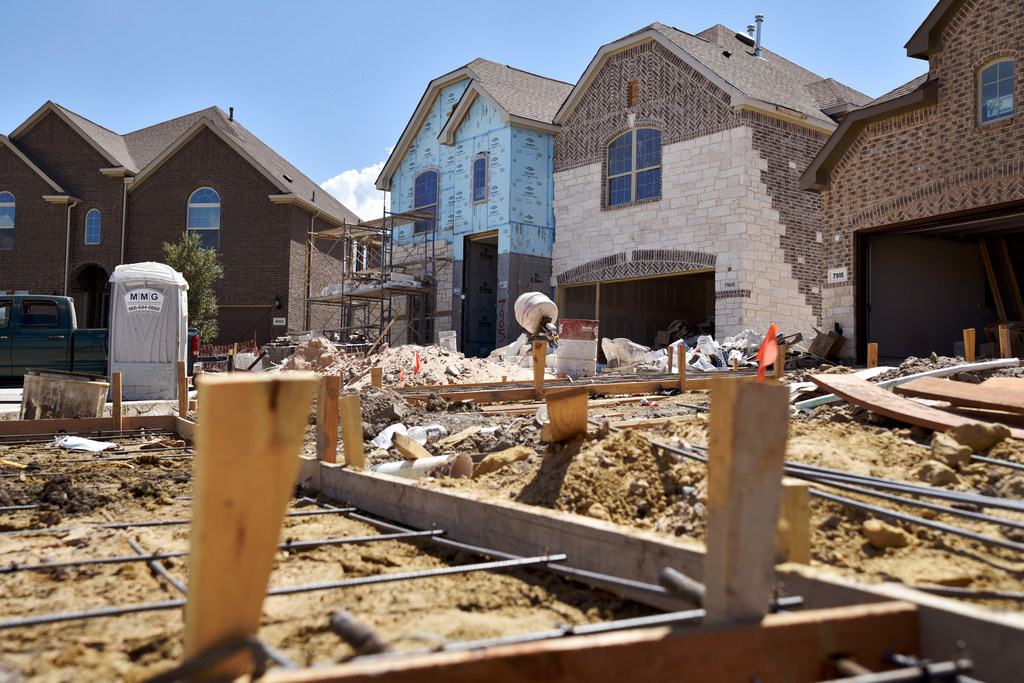
A significant portion of Texas is characterized by expansive soils, primarily clay-based. These soils have a remarkable ability to absorb water and swell, and then contract as they dry out. This constant cycle of expansion and contraction can exert immense pressure on any underground structure, including foundations and basements. Building a basement in expansive soil requires exceptionally strong foundations and waterproofing to prevent cracks, leaks, and structural damage. The cost and complexity associated with mitigating these soil issues make basements a less viable option.
Limestone and Rock Formations
In other parts of Texas, particularly in the Hill Country and western regions, building basements can be hindered by solid limestone or rock formations close to the surface. Excavating through these materials is difficult, time-consuming, and expensive. While it’s possible to blast or use specialized equipment, it significantly increases construction costs. This geological reality often leads builders to opt for slab foundations or crawl spaces, which are much simpler and more economical to construct.
Cost-Effectiveness and Alternative Building Methods
When considering the financial aspects of home construction, basements in Texas often do not present a favorable return on investment.
The Expense of Excavation and Construction
The aforementioned challenges – high water tables, expansive soils, and rock formations – all contribute to higher excavation and construction costs for basements in Texas. Beyond the initial digging, building a waterproof, structurally sound basement requires specialized materials, advanced engineering, and labor that significantly drive up the overall price of the home.
The Value of Above-Ground Space
In Texas, the focus has shifted towards maximizing above-ground living space. Builders find it more cost-effective to add square footage to the existing floors of a house, such as building multi-story homes or expanding the footprint. This approach is less susceptible to the environmental challenges that plague underground construction in the state. Furthermore, the perceived value of a basement as a “finished” living area might not be as high in Texas as in cooler climates, where it’s often seen as essential extra space.
The Rise of Crawl Spaces and Elevated Homes
In regions where basements are not feasible, Texas builders have increasingly opted for alternatives:
- Crawl Spaces: These are shallow, unfinished spaces between the ground and the first floor of a house. They provide some elevation, protecting the home from minor flooding and allowing for easier access to plumbing and electrical systems. However, they offer limited usable space and can still be susceptible to moisture issues.
- Elevated Homes: In flood-prone areas, particularly along the coast and near major rivers, many homes are built on stilts or elevated foundations. This practice not only protects the home from floodwaters but also offers a degree of natural ventilation beneath the structure. While not a true basement, it provides an advantage in managing moisture and temperature.
Where Might You Find Basements in Texas?
Despite the general trend, it’s important to acknowledge that basements are not entirely absent from Texas. You are more likely to encounter them in specific circumstances:
- Older Homes in North Texas: Cities like Dallas, Fort Worth, and Wichita Falls have a history of more varied construction. Some older homes, built decades ago before the full understanding of expansive soils and modern building codes, may feature basements. These can sometimes be susceptible to water issues due to age and the original construction methods.
- Eastern Texas: Areas with more clay soil and closer proximity to the Gulf of Mexico might have older homes with basements, though they would have required significant waterproofing efforts.
- Homes Built on Higher Ground: In areas where the water table is naturally lower, or on elevated terrain, the feasibility of basement construction increases, albeit still with the consideration of soil type.
- Purpose-Built Structures: You might find basements in commercial buildings, underground parking garages, or specialized facilities where the need for subterranean space outweighs the typical residential cost considerations.
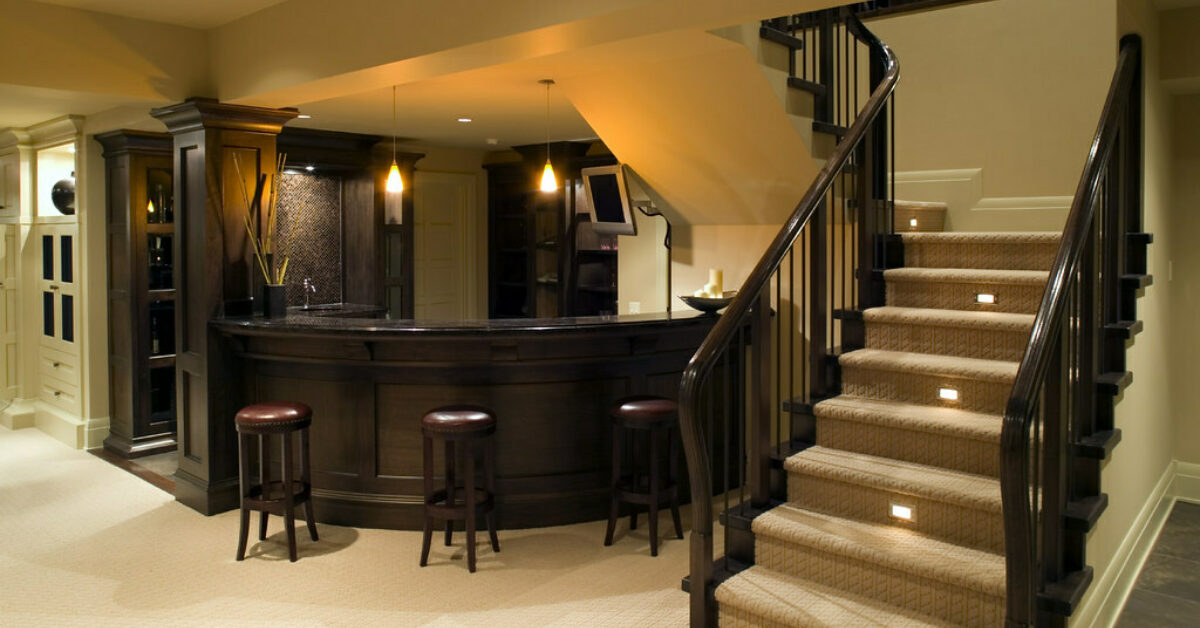
- Luxury Custom Builds: For very high-end custom homes, owners might opt for basements despite the cost, perhaps for unique amenities like wine cellars, home theaters, or private gyms, and are willing to invest heavily in engineering and waterproofing.
When exploring real estate in Texas, whether you’re looking for a family home in Austin, a vacation villa near San Antonio, or a business stay in Houston, it’s always best to check the specific details of individual properties. Websites like Zillow or Realtor.com will usually list whether a home has a basement. Speaking with local real estate agents is also invaluable; they possess intimate knowledge of the building trends and common features in their specific markets.
In conclusion, while the allure of a cool, dry basement is understandable, the climate, geology, and economic realities of Texas have shaped its residential architecture in a different direction. The state’s builders have prioritized practical, cost-effective solutions that address the unique environmental conditions, leading to homes that are well-insulated, efficiently cooled, and often built on slab foundations or elevated structures. So, while you might stumble upon a rare basement in Texas, it’s far more common to find homes designed to embrace the sunshine and manage the heat in other, more Texan ways.
LifeOutOfTheBox is a participant in the Amazon Services LLC Associates Program, an affiliate advertising program designed to provide a means for sites to earn advertising fees by advertising and linking to Amazon.com. Amazon, the Amazon logo, AmazonSupply, and the AmazonSupply logo are trademarks of Amazon.com, Inc. or its affiliates. As an Amazon Associate we earn affiliate commissions from qualifying purchases.