
Florida, affectionately known as the Sunshine State, conjures images of pristine white-sand beaches, swaying palm trees, and vibrant tropical flora. From the bustling Miami cityscape to the enchanting theme parks of Orlando and the serene tranquility of the Florida Keys, this diverse state is a magnet for travelers seeking sun, adventure, and relaxation. For many, the idea of a quintessential garden includes the lush, voluminous blossoms of hydrangeas, a flower often associated with cooler climates and the gentle charm of a cottage garden. This naturally leads many residents and prospective visitors, especially those considering a long-term stay or even relocating, to ponder a crucial horticultural question: do hydrangeas truly thrive in Florida?

The short answer is yes, hydrangeas can grow in Florida, but with significant caveats and a dedicated approach. Unlike their effortless growth in regions with temperate summers and distinct four seasons, cultivating hydrangeas in the Sunshine State requires strategic planning, careful variety selection, and meticulous care. For those who dream of adorning their Florida home or resort balcony with these magnificent blooms, understanding the unique environmental challenges and adapting gardening practices accordingly is paramount. This exploration delves into the realities of growing hydrangeas in Florida, offering insights for both amateur gardeners and those simply curious about the botanical landscape that shapes the state’s vibrant travel and tourism appeal.
Unveiling the Truth: Hydrangeas in the Sunshine State
The allure of hydrangeas is undeniable, their large, spherical, or conical flower heads providing a spectacular display of color that can transform any garden or landscape. However, Florida’s distinct climate presents a formidable challenge for many traditional hydrangea varieties. Understanding these environmental factors is the first step toward successful cultivation.
The Climate Conundrum: Florida’s Unique Challenges
Florida is renowned for its subtropical to tropical climate, characterized by abundant sunshine, high humidity, and often intense summer heat. While hydrangeas appreciate moisture, the relentless heat and strong sun can quickly scorch their delicate leaves and flowers, leading to wilting and overall plant stress. The state’s sandy soils, particularly in coastal regions and much of central Florida, often lack the rich organic matter and acidic pH that many hydrangea species prefer. Furthermore, the warm winters mean a lack of sufficient chill hours, which some hydrangea varieties require for proper dormancy and subsequent vigorous spring blooming.
The entire state can be broadly divided into different USDA plant hardiness zones, ranging from 8a in Northern Florida down to 11b in Southern Florida and the Florida Keys. Generally, the cooler, more northern parts of the state offer a slightly more favorable environment than the perpetually warm and humid southern regions. This geographical distinction is crucial when selecting which hydrangea varieties might stand a chance of flourishing.
Sunshine State Hydrangea Varieties: Choosing Wisely
Success with hydrangeas in Florida largely hinges on selecting the right species and cultivars bred for heat tolerance and adaptability. While some varieties are an outright struggle, others offer a glimmer of hope for dedicated gardeners.
-
Oakleaf Hydrangea (Hydrangea quercifolia): This native United States species is arguably the best choice for Florida gardens. It tolerates heat and humidity better than most, thrives in partial shade, and prefers slightly acidic to neutral soil. Its distinctive oak-shaped leaves turn beautiful shades of burgundy in the fall, and its elongated, conical white flower clusters mature to pinkish-purple. Cultivars like ‘Snow Queen’, ‘Alice’, and ‘Ruby Slippers’ are excellent options. Their robust nature makes them a fantastic choice for enhancing the natural beauty around a charming St. Augustine bed and breakfast or a Tampa home garden.
-
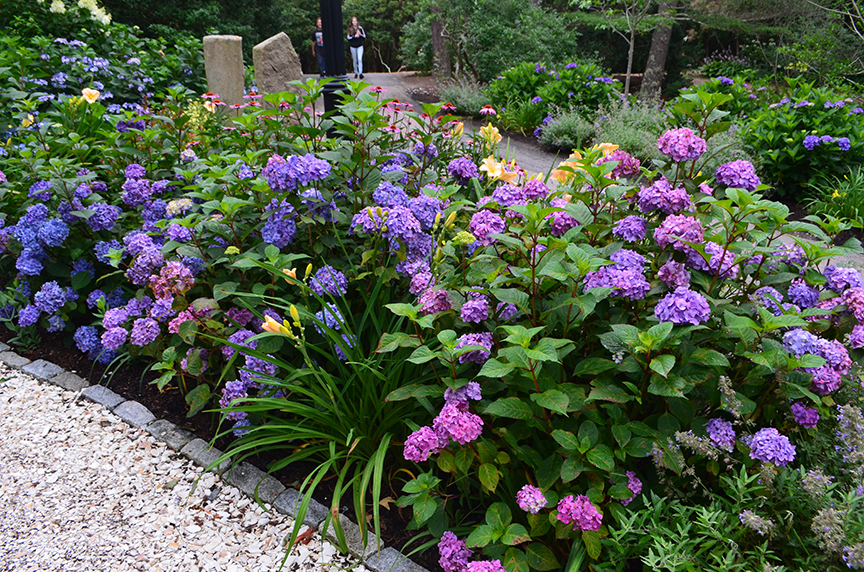
Bigleaf Hydrangea (Hydrangea macrophylla): This is the classic “mophead” or “lacecap” hydrangea, famous for its color-changing abilities based on soil pH. While it’s the most desired, it’s also one of the most challenging in Florida. They demand consistent moisture, morning sun only, and protection from the harsh afternoon sun. Varieties specifically bred for heat tolerance and reblooming, such as those in the ‘Endless Summer’ or ‘Let’s Dance’ series, offer the best chance. These can be striking additions to the meticulously curated landscapes of luxury accommodation like The Breakers Palm Beach or Disney’s Grand Floridian Resort & Spa, where expert care ensures their survival.
-
Smooth Hydrangea (Hydrangea arborescens): Best known for the ‘Annabelle’ cultivar, these hydrangeas produce large, white, dome-shaped flowers. They are generally more tolerant of heat and sun than bigleaf hydrangeas but still prefer some afternoon shade in Florida. They are quite adaptable to various soil types once established.
-
Panicle Hydrangea (Hydrangea paniculata): Varieties like ‘Limelight’ and ‘Vanilla Strawberry’ are popular in cooler climates for their cone-shaped flowers that often change color through the season. While more sun-tolerant than other types, their performance in Florida’s intense heat is often suboptimal. They may survive, but the blooms can be smaller, fewer, and may not develop their characteristic colors as vibrantly as in cooler regions. They are generally not recommended for Southern Florida.
Choosing the right variety is critical, but it’s only the beginning. Proper site selection and ongoing care are equally vital for any hydrangea to stand a chance in the Sunshine State.

Cultivating Beauty: Essential Care Tips for Florida Hydrangeas
For those determined to bring the charm of hydrangeas to their Florida gardens, a strategic and consistent approach to care is non-negotiable. From selecting the perfect spot to providing ongoing nourishment, every step counts.
Site Selection and Soil Preparation
The adage “right plant, right place” is especially true for hydrangeas in Florida.
- Shade is Your Friend: The most critical factor for most hydrangeas in Florida is protection from the scorching afternoon sun. A location that receives morning sun (until about noon) and then dappled or full shade for the rest of the day is ideal. This might be on the east side of a house, under a tall canopy of trees, or within a courtyard that offers significant overhead protection. Without adequate shade, even heat-tolerant varieties will struggle.
- Soil Amendment: Florida’s native sandy soils rarely provide the rich, moisture-retentive, yet well-draining environment hydrangeas crave. Before planting, generously amend the soil with copious amounts of organic matter, such as compost, peat moss, or well-rotted pine bark. This improves drainage in heavy soils and enhances moisture retention in sandy soils. For bigleaf hydrangeas, adjusting the soil pH can influence flower color: acidic soil (pH 5.5-6.5) promotes blue flowers, while alkaline soil (pH 6.5-7.5) encourages pink. Most Florida soils tend to be alkaline, favoring pink blooms unless acidifiers like elemental sulfur or aluminum sulfate are regularly applied.
- Planting Depth: Plant hydrangeas at the same depth they were in their nursery pot. Do not bury the crown, as this can lead to rot.
Watering, Feeding, and Pruning for Success
Once planted, consistent and appropriate care is key to maintaining healthy, blooming hydrangeas in the challenging Florida environment.
- Consistent Watering: Hydrangeas are notoriously thirsty plants, and Florida’s heat intensifies this need. They require deep, regular watering, especially during dry spells and hot summer months. Water early in the morning to allow leaves to dry before nightfall, minimizing fungal issues. Drip irrigation or soaker hoses are excellent methods for delivering water directly to the root zone, reducing evaporation and ensuring efficiency. Wilting leaves are a clear sign of thirst, but overwatering can be just as detrimental.
- Fertilization: Hydrangeas are not heavy feeders. A slow-release granular fertilizer formulated for acid-loving plants can be applied in early spring as new growth emerges. Avoid over-fertilizing, especially with high-nitrogen fertilizers, which can promote leafy growth at the expense of flowers. For bigleaf hydrangeas where color modification is desired, specific amendments (aluminum sulfate for blue, dolomitic lime for pink) should be applied carefully according to package directions.
- Mulching: A generous layer (2-4 inches) of organic mulch, such as pine bark or pine straw, around the base of the plant is highly beneficial. Mulch helps retain soil moisture, suppresses weeds, and moderates soil temperature, protecting the roots from Florida’s intense heat and contributing to the gradual improvement of soil structure.
- Pruning: Pruning needs vary by hydrangea type. Oakleaf and bigleaf hydrangeas generally bloom on “old wood” (last year’s growth) and should be pruned immediately after flowering in late spring/early summer. Panicle and smooth hydrangeas bloom on “new wood” (current year’s growth) and can be pruned in late winter or early spring before new growth begins. In Florida, focus on removing dead, damaged, or weak branches, and prune to maintain an attractive shape and size.
- Pest and Disease Management: While relatively resistant, hydrangeas can occasionally suffer from common garden pests like aphids or spider mites, especially in stressed conditions. Fungal diseases, such as powdery mildew, can also occur in humid environments. Good air circulation, proper watering techniques, and prompt treatment are essential.
Beyond the Blossom: Hydrangeas and Florida’s Lifestyle & Tourism
The ability to grow hydrangeas, even with extra effort, adds another layer to Florida’s horticultural tapestry and its appeal as a premier destination for travel, tourism, and diverse lifestyle choices. From enhancing local gardens to contributing to the ambiance of world-class resorts, these resilient blooms play a subtle yet significant role.
Enhancing Florida’s Gardens and Resorts
Imagine strolling through the exquisitely landscaped grounds of a luxury hotel or a charming boutique resort in Naples or Amelia Island. While palm trees and tropical hibiscus are a given, the unexpected sight of a thriving oakleaf hydrangea, with its distinctive foliage and elegant white blooms, adds a touch of classic sophistication. Hotels like the Ritz-Carlton, Amelia Island or the Hilton Marco Island Beach Resort and Spa often invest in diverse landscaping to create unique guest experiences, and the strategic placement of heat-tolerant hydrangeas can contribute to this ambiance. For those considering buying a vacation home or a permanent residence, the possibility of cultivating these beloved flowers enhances the appeal of a Florida lifestyle, allowing them to bring a piece of traditional gardening charm to their new, sunny environment.
The careful selection and maintenance of such plants speak to the dedication to aesthetics and quality found in premium accommodation options across the state. This attention to detail elevates the overall experience for guests, whether they are enjoying a family trip, a business stay, or a romantic getaway. The visual appeal of a well-maintained garden, featuring a diverse array of plants including resilient hydrangeas, can significantly enhance the perceived value and comfort of a property.
Exploring Florida’s Horticultural Wonders
For the horticulturally inclined, Florida offers a fascinating array of botanical experiences. While the state is celebrated for its tropical and subtropical flora, the successful cultivation of plants like hydrangeas in challenging conditions highlights the ingenuity and expertise of local gardeners and landscape designers. Visitors on a tourism quest for natural beauty can explore various botanical gardens that showcase Florida’s plant diversity, sometimes even featuring hydrangeas in their collections.
- The Marie Selby Botanical Gardens in Sarasota is world-renowned for its epiphytes, but also demonstrates how a variety of plants can thrive in the Florida climate through careful cultivation.
- The Fairchild Tropical Botanic Garden in Coral Gables focuses on tropical plants but also showcases adaptable species.
- Even major theme parks like Walt Disney World Resort and Universal Orlando Resort are famous for their meticulously maintained landscapes, where horticulturists work tirelessly to present a vibrant and often surprising array of plant life, potentially including resilient hydrangea varieties in shaded areas.
These destinations offer not just visual pleasure but also educational insights into the challenges and triumphs of gardening in unique climates. For a family trip, a visit to such gardens can be both entertaining and enlightening, revealing the intricate relationship between climate, plant life, and human cultivation efforts. It connects the natural beauty of the United States with the dedicated work required to make even seemingly unsuitable plants flourish.
In conclusion, the question “Do hydrangeas grow in Florida?” is met with a nuanced “yes, with effort.” While it’s not the easiest place to cultivate these beloved blooms, the determined gardener, armed with the right knowledge and variety selection, can certainly enjoy the beauty of hydrangeas in the Sunshine State. This horticultural pursuit further enriches Florida’s vibrant landscape, contributing to the diverse visual appeal that makes it such a captivating destination for travel, tourism, and a desirable place to call home. Whether gracing a private garden, a public landmark, or a luxurious hotel landscape, hydrangeas, against the odds, find their place in the heart of Florida’s horticultural story.
LifeOutOfTheBox is a participant in the Amazon Services LLC Associates Program, an affiliate advertising program designed to provide a means for sites to earn advertising fees by advertising and linking to Amazon.com. Amazon, the Amazon logo, AmazonSupply, and the AmazonSupply logo are trademarks of Amazon.com, Inc. or its affiliates. As an Amazon Associate we earn affiliate commissions from qualifying purchases.