
California, the Golden State, is a land of unparalleled diversity. From the sun-drenched beaches of Southern California to the majestic redwoods of the north, it beckons travelers with its iconic landmarks like the Golden Gate Bridge, world-class theme parks like Disneyland Park, and vibrant cultural hubs like Los Angeles and San Francisco. The state’s allure extends to its diverse accommodation options, from luxurious resorts in Palm Springs to charming boutique hotels in Napa Valley, and even unique vacation rentals scattered across its stunning landscapes. Whether you’re planning a relaxing getaway at a beachfront suite in San Diego, an adventurous exploration of Yosemite National Park, or a business stay in the bustling financial district of San Francisco, the Golden State offers an experience for every traveler.

The thriving tourism sector in California is a significant economic driver, attracting millions of visitors each year. This influx fuels a wide range of businesses, from tour operators and activity providers to restaurants and souvenir shops. For those looking to capitalize on this vibrant market, whether by offering guided tours of the Hollywood Walk of Fame, managing vacation rentals near Lake Tahoe, or providing bespoke travel experiences in Big Sur, understanding the legal framework is crucial. One of the fundamental requirements for operating a business in California is obtaining the appropriate business licenses. This article aims to demystify the process, answering the essential question: “Do I need a business license in California?”
Navigating Business Licensing in the Golden State
The question of whether you need a business license in California is not a simple yes or no. The requirement is multifaceted and depends on several factors, including the type of business you operate, where you operate it, and the specific activities you engage in. Generally, if you are conducting business within California, you will likely need some form of business license or permit. These licenses are designed to regulate commerce, protect consumers, and ensure businesses comply with state and local laws.
The Foundation: State vs. Local Requirements
In California, business licensing operates on both state and local levels. This means you might need permits from the state government, your city, and your county.
State-Level Licenses and Permits
The State of California has specific licensing requirements for certain professions and industries. These are often overseen by state agencies. For instance, if your business involves selling alcohol, you’ll need a license from the California Department of Alcoholic Beverage Control. If you’re in the healthcare industry, you might need a license from the Medical Board of California. Similarly, contractors, real estate agents, and cosmetologists are all regulated at the state level and require specific licenses to operate legally.
Even if your business doesn’t fall into a strictly regulated profession, there are general state requirements to be aware of. If you plan to hire employees, you’ll need to register with the California Employment Development Department and obtain an employer identification number. Businesses that sell tangible goods and collect sales tax must obtain a Seller’s Permit from the California Department of Tax and Fee Administration. This is crucial for any business involved in retail, whether it’s a physical shop selling souvenirs in San Francisco or an online store shipping products to customers within California.
City and County Business Licenses
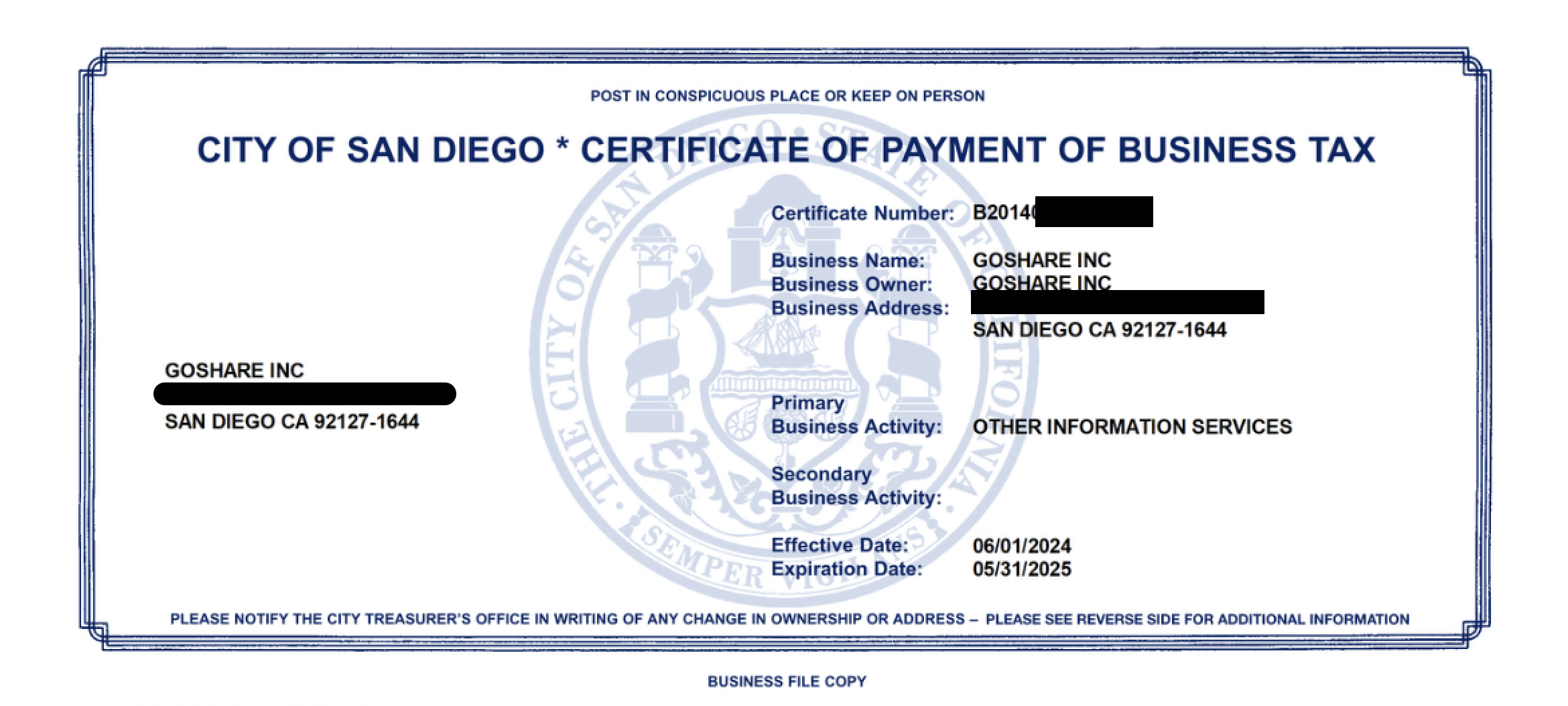
Beyond state regulations, every city and county in California has its own business licensing ordinances. These are often referred to as “business tax certificates” or simply “business licenses.” The purpose of these local licenses is to generate revenue for the municipality and to track businesses operating within their jurisdiction.
Cities like San Diego, San Jose, and Oakland will have their own distinct application processes, fee structures, and renewal requirements. Similarly, operating a business in unincorporated areas of a county will require a county business license. The fees for these licenses can vary significantly, often based on factors such as projected revenue, number of employees, or the type of business activity.
To determine your specific city or county requirements, the best course of action is to contact the city hall or county clerk’s office where your business will be physically located or where you will conduct the majority of your operations. Many cities and counties now have online portals where you can research requirements and even apply for licenses.
Understanding Your Business Activity and Its Licensing Implications
The nature of your business is a primary determinant of what licenses you will need. Let’s explore some common scenarios relevant to the travel and tourism industry:
Operating a Hospitality Business (Hotels, Resorts, Vacation Rentals)
If you are involved in the accommodation sector, whether it’s managing a quaint bed and breakfast in the Russian River Valley, operating a large resort in Lake Tahoe, or listing vacation rentals through platforms like Airbnb or VRBO, you will almost certainly need business licenses.
- City/County Business License: This is almost always required for any physical business location. This includes hotels, motels, inns, and any property being rented out for short-term stays.
- Health and Safety Permits: Depending on the services offered (e.g., food and beverage service in a resort), you may need permits from the local health department. Fire safety inspections and permits are also common.
- Zoning Permits: Ensure your property is zoned for commercial use if operating a hotel or rental business. Cities and counties have specific zoning laws that dictate what types of businesses can operate in different areas.
- Seller’s Permit: If you are selling any goods directly to guests, such as souvenirs or snacks, you may need a Seller’s Permit.
- Transient Occupancy Tax (TOT) Certificate: Most cities and counties that are popular tourist destinations require businesses that rent out lodging for periods of less than 30 days to collect and remit a Transient Occupancy Tax to the local government. This is a significant requirement for vacation rental owners.
Providing Travel Services (Tour Operators, Guides, Travel Agencies)
For those in the business of guiding visitors through California’s wonders, licensing is also a key consideration.
- City/County Business License: Essential for any tour operator or guide business operating within a specific city or county.
- Specialty Permits: Operating tours in national or state parks often requires special permits from the respective park authorities. For example, leading tours within Yosemite National Park or the Redwood National and State Parks will likely involve specific agreements and permits.
- Driver/Vehicle Permits: If your tour operation involves transporting passengers, you may need commercial driver’s licenses for your drivers and permits for your vehicles, often regulated by the California Department of Motor Vehicles (DMV) and local transit authorities.
- Insurance: While not strictly a license, adequate insurance is often a prerequisite for obtaining certain permits and is essential for any business offering services to the public.
Operating a Food and Beverage Business (Restaurants, Cafes)
Even if your primary focus is travel and tourism, if you are providing food and beverage services as part of your offerings, you’ll encounter additional licensing.
- Health Department Permits: This is paramount. The local county health department will conduct rigorous inspections to ensure food safety and sanitation standards are met.
- Alcoholic Beverage Control (ABC) License: As mentioned, selling alcohol requires a specific license from the state’s Department of Alcoholic Beverage Control.
- Fire Department Permits: Ensuring your establishment meets fire safety codes is critical and often requires inspections and permits.
The Process of Obtaining Licenses
The process of obtaining business licenses in California can seem daunting, but by breaking it down, it becomes more manageable.
1. Identify Your Business Structure and Location
First, determine your business structure (sole proprietorship, partnership, LLC, corporation). This will affect your tax obligations and registration requirements. Next, pinpoint the exact physical location(s) where your business will operate. This is crucial for determining which city and county licenses you need.
2. Research State Requirements
Visit the websites of relevant California state agencies (e.g., Secretary of State, Department of Tax and Fee Administration) to understand any statewide registration or permitting requirements specific to your industry.
3. Research Local Requirements
Contact the business licensing departments of the city and county where your business will be located. Utilize their websites to download application forms, fee schedules, and lists of required documents.
4. Gather Required Documentation
This typically includes your business name registration (e.g., Fictitious Business Name Statement or “DBA”), Employer Identification Number (EIN) from the IRS if applicable, Seller’s Permit, and potentially proof of insurance or professional certifications.
5. Complete and Submit Applications
Fill out all application forms accurately and completely. Be prepared to pay the associated fees, which can vary widely.
6. Undergo Inspections (If Applicable)
For businesses involving physical locations, food service, or public safety, expect inspections from various government departments (health, fire, building).
7. Renew Your Licenses
Business licenses are not typically one-time requirements. They usually have annual or biennial renewal periods. Mark these dates on your calendar and ensure timely renewal to avoid penalties or business interruption.

Conclusion: A License for Legitimate Operation
In California, the answer to “Do I need a business license?” is overwhelmingly yes if you are conducting business activities. Operating without the necessary licenses can lead to significant fines, penalties, and even the forced closure of your business. It not only jeopardizes your livelihood but also undermines consumer trust and the integrity of the state’s vibrant tourism and hospitality industries.
For anyone looking to launch a travel agency, manage a hotel in Santa Monica, offer guided tours through the wine country of Sonoma, or rent out a charming villa in Malibu, understanding and adhering to the licensing requirements is a non-negotiable first step. By diligently researching your specific needs and engaging with the relevant state and local authorities, you can ensure your business is established on a solid legal foundation, allowing you to focus on providing exceptional experiences to visitors exploring the magnificent landscapes and diverse attractions of California.