
Planning a vibrant escape to the Caribbean? The question of “Do I need a passport for Puerto Rico?” is one of the most frequently asked by prospective travelers. The simple answer, for many, is a resounding no, but the nuances depend entirely on your citizenship and residency status. As a fascinating U.S. territory, Puerto Rico offers a unique blend of U.S. infrastructure and vibrant Latin American culture, making it an accessible and enticing destination for a broad range of visitors.
This guide will demystify the travel requirements, ensuring you arrive prepared to immerse yourself in the island’s breathtaking beauty, rich history, and tantalizing cuisine. We’ll delve into the specific identification needed for different traveler categories, offer essential tips for a seamless journey, and provide a glimpse into the unforgettable experiences that await you on “La Isla del Encanto.” Whether you’re a U.S. citizen, an international visitor, or a legal permanent resident, understanding these entry requirements is the first step toward an incredible Puerto Rican adventure.
The Simple Answer for U.S. Citizens: Domestic Travel Rules Apply
For citizens of the United States, the travel requirements to Puerto Rico are notably straightforward and mirror those for domestic travel within the mainland U.S. This convenience stems from Puerto Rico’s status as a U.S. commonwealth, meaning it falls under the same sovereign jurisdiction as the 50 states. This unique political relationship significantly streamlines the entry process for U.S. citizens and permanent residents, eliminating the need for a passport to cross its borders.
The implications of this status are far-reaching for travel planning. There are no customs checkpoints or immigration procedures upon arrival or departure from Puerto Rico for U.S. citizens. Flights to and from the island are treated as domestic flights, offering a level of ease often only associated with interstate travel. This accessibility makes Puerto Rico an incredibly appealing option for travelers seeking an exotic Caribbean experience without the complexities of international travel. You can literally wake up in New York, board a plane, and within a few hours, be savoring a mofongo in San Juan, all without ever flashing a passport. This makes it an ideal destination for spontaneous getaways, family trips, or even extended stays for those looking to experience a different pace of life within familiar governmental frameworks.
Understanding Puerto Rico’s Status
Puerto Rico’s political status as an unincorporated territory of the United States is the cornerstone of its domestic travel regulations. This means that individuals born in Puerto Rico are natural-born U.S. citizens, sharing the same rights and responsibilities as those born in any of the 50 states. The island operates under the U.S. federal system, uses the U.S. Dollar as its currency, and its postal service is managed by the U.S. Postal Service. Even though it has its own distinct culture, flag, and official languages (Spanish and English), the overarching legal framework aligns with that of the mainland U.S.
This unique relationship extends to air travel. When flying from the mainland U.S. to Puerto Rico (and vice versa), passengers pass through Transportation Security Administration (TSA) checkpoints, but they do not undergo international immigration clearance. This means that the identification requirements are precisely what you’d encounter for any domestic flight. While a passport is a perfectly valid form of identification, it is not a mandatory one for U.S. citizens or lawful permanent residents traveling directly between Puerto Rico and the continental United States, Alaska, Hawaii, or other U.S. territories such as the U.S. Virgin Islands or Guam.

Required Identification for U.S. Citizens
While a passport isn’t necessary, you will still need a valid, TSA-compliant form of identification to board your flight. The TSA has a comprehensive list of acceptable IDs, ensuring secure air travel. For most U.S. citizens, this typically means:
- State-Issued Driver’s License or Other State Photo Identity Card: This is the most common form of ID used for domestic air travel. Ensure it is current and in good condition. Beginning in 2025, a REAL ID compliant driver’s license or state ID will be required for air travel. Check your state’s Department of Motor Vehicles website to determine if your current ID is REAL ID compliant, usually indicated by a star at the top.
- U.S. Passport or Passport Card: While not required, a U.S. passport is always an excellent form of identification for any travel, as it is universally recognized. A U.S. passport card is also acceptable.
- U.S. Military ID: Active duty or retired military personnel can use their valid military identification.
- Permanent Resident Card (Green Card): Legal permanent residents of the U.S. can use their valid Green Card (Form I-551) for travel to Puerto Rico.
- Other TSA-Approved IDs: The TSA website lists additional acceptable forms, including tribal IDs, DHS trusted traveler cards (Global Entry, NEXUS, SENTRI), and certain foreign government-issued passports for international visitors traveling from a foreign country through the U.S. to Puerto Rico.
It’s always a good practice to double-check the latest TSA guidelines on their official website before your trip, as regulations can occasionally be updated. For children, the requirements are generally more relaxed, with most airlines not requiring identification for minors under 18 when accompanied by an adult traveling with a valid ID. However, carrying a birth certificate or other proof of age is always advisable.
Entry Requirements for Non-U.S. Citizens
While Puerto Rico is a domestic destination for U.S. citizens, the rules change significantly for non-U.S. citizens. For international travelers, entry into Puerto Rico is treated exactly the same as entry into any other part of the United States. This means that all foreign nationals must adhere to standard U.S. immigration laws and present the necessary travel documents that would be required to enter the mainland U.S. This distinction is crucial for planning, as ignoring these requirements could lead to denied boarding or entry.
International Travelers and Visa Considerations
If you are not a U.S. citizen or a legal permanent resident, you will absolutely need a valid passport to travel to Puerto Rico. Furthermore, depending on your country of origin, you may also need a U.S. visa.
- Passport: All international visitors must possess a valid passport, which should typically be valid for at least six months beyond their intended period of stay in the U.S. (though some countries have agreements for validity up to the date of departure).
- Visa: Travelers from countries that do not have a visa waiver agreement with the United States will need to obtain a non-immigrant visa (such as a B-2 tourist visa) from a U.S. embassy or consulate in their home country before traveling. The application process can be lengthy, so it’s essential to plan well in advance.
- Visa Waiver Program (ESTA): Citizens of countries participating in the Visa Waiver Program (VWP) can travel to the United States (including Puerto Rico) for tourism or business for stays of 90 days or less without a visa. However, they must obtain an approved Electronic System for Travel Authorization (ESTA) prior to their departure. The ESTA application is done online and should be completed at least 72 hours before travel. An approved ESTA is valid for two years or until your passport expires, whichever comes first.
It is highly recommended that all international travelers consult the official website of the U.S. Department of State or contact their nearest U.S. embassy or consulate to verify the most current entry requirements specific to their nationality. Travel regulations can change, and being informed is crucial to avoid any travel disruptions.
Green Card Holders and Other Legal Residents
For legal permanent residents of the United States (those holding a Green Card), travel to Puerto Rico is as straightforward as it is for U.S. citizens. You do not need a passport specifically for entry into Puerto Rico. However, you must carry your valid Permanent Resident Card (Form I-551, commonly known as a Green Card) as your primary identification. This card serves as proof of your legal status within the United States and is sufficient for domestic air travel, including flights to and from Puerto Rico.
While a passport is not explicitly required for travel to Puerto Rico for Green Card holders, many still choose to carry their passport from their country of origin. This is often done for convenience, as a passport is a widely accepted form of identification, or in case of any unforeseen international travel needs.
Other legal residents of the U.S., such as those on valid work visas (e.g., H-1B, L-1) or student visas (e.g., F-1), will also need to carry their passport and their valid U.S. visa and supporting documents (like I-20 for students or I-797 approval notices for workers). Their entry to Puerto Rico is treated as a domestic flight after they have legally entered the United States. It is crucial that their visa status remains active and valid for the duration of their trip to Puerto Rico, as any issues with their underlying immigration status could lead to complications. As with international travelers, consulting the U.S. Department of State or a qualified immigration attorney is advisable for any specific or complex situations.
Preparing for Your Trip: Beyond the Passport
While the primary concern revolves around passport requirements, successful travel to Puerto Rico involves more than just your identification. Thoughtful preparation ensures a smooth, enjoyable, and stress-free experience. From essential documents to health precautions, considering these aspects will allow you to fully immerse yourself in the vibrant culture and stunning landscapes of this Caribbean gem.
Essential Documents for All Travelers
Regardless of your citizenship status, a few key documents beyond your ID or passport are crucial for a well-organized trip:
- Boarding Passes and Flight Information: Have these easily accessible, whether digitally on your smartphone or as printed copies.
- Accommodation Reservations: Keep confirmations for your hotels, resorts, apartments, or villas. Many places in Puerto Rico require a confirmation number upon check-in.
- Car Rental Agreements: If you plan to explore beyond San Juan and its immediate surroundings, a rental car is highly recommended. Keep your reservation details handy. Remember to bring your valid driver’s license.
- Travel Insurance: This is often overlooked but can be invaluable. Travel insurance can cover unexpected events such as flight delays, lost luggage, medical emergencies, or trip cancellations, providing peace of mind, whether you’re on a luxury travel excursion or a budget travel adventure.
- Copies of Important Documents: Always make photocopies or take clear digital photos of your ID, passport, Green Card, and any other critical documents. Store these separately from the originals. This precaution can be a lifesaver if your originals are lost or stolen.
- Credit Cards and Cash: While credit cards are widely accepted, especially in urban areas and major tourist spots, it’s always wise to carry some U.S. Dollar cash for smaller vendors, local markets, or tips. Inform your bank of your travel plans to avoid any issues with card transactions.
Health and Safety Guidelines
Your well-being is paramount. Puerto Rico is generally safe for tourists, but like any travel destination, being prepared for health and safety is essential.
- Medical Insurance: Ensure your health insurance plan provides coverage in Puerto Rico. If not, consider purchasing a travel medical insurance policy, especially if you have pre-existing conditions or plan adventurous activities like hiking in El Yunque or water sports.
- Prescription Medications: Pack any necessary prescription medications in your carry-on bag, along with a copy of your prescription. This prevents issues if your checked luggage is delayed or lost.
- Sun Protection: The Caribbean sun is intense. Bring high-SPF sunscreen, hats, and sunglasses. Staying hydrated is also crucial, so carry a reusable water bottle.
- Insect Repellent: Mosquitoes can be present, especially in more lush or rural areas. Protect yourself, particularly at dawn and dusk.
- Emergency Contacts: Keep a list of emergency contacts, both local (Puerto Rican emergency services dial 911) and international, easily accessible.
- Local Advisories: Stay informed about any current health advisories or safety recommendations issued by local authorities or your government’s travel department. This is particularly relevant regarding tropical weather patterns, as Puerto Rico is in hurricane-prone zones.
Exploring Puerto Rico: What to Expect
Once you’ve sorted out your travel documents, the exciting part begins: planning your exploration of Puerto Rico. The island, often referred to as the “Island of Enchantment,” lives up to its name, offering an incredible array of attractions that cater to every type of traveler. From historic landmarks and pristine beaches to lush rainforests and vibrant cities, Puerto Rico’s diverse landscape and rich cultural tapestry promise an unforgettable journey.
Must-Visit Destinations and Attractions
Puerto Rico is brimming with iconic sites and hidden gems:
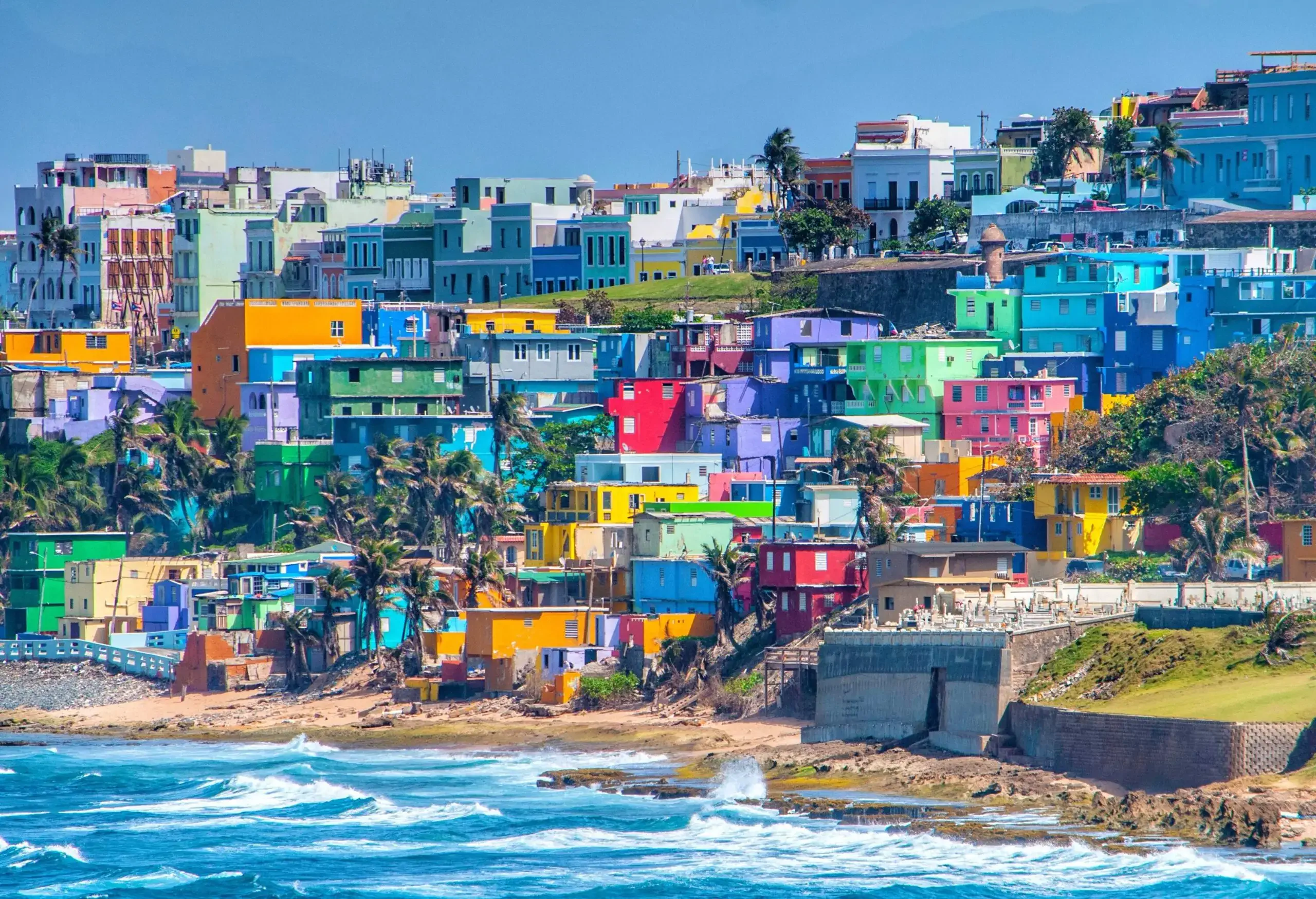
- Old San Juan: A UNESCO World Heritage site, Old San Juan is a colorful, historic district renowned for its cobblestone streets, vibrant Spanish colonial architecture, and impressive fortifications. Explore El Morro and Castillo San Cristóbal, two massive fortresses that once protected the city, offering panoramic ocean views and a deep dive into military history. Wander through charming plazas, browse local artisan shops, and soak in the lively atmosphere.
- El Yunque National Forest: The only tropical rainforest in the U.S. National Forest System, El Yunque is a natural wonderland. Hike through lush trails, discover stunning waterfalls like La Mina Falls and Juan Diego Falls, and marvel at the incredible biodiversity, including the iconic coquí frog.
- Bioluminescent Bays: Puerto Rico is home to three of the world’s five bioluminescent bays, where microscopic organisms light up the water at night. Mosquito Bay in Vieques is widely considered the brightest, followed by Laguna Grande in Fajardo and La Parguera in Lajas. Kayaking or boat tours offer an ethereal, unforgettable experience.
- Stunning Beaches: From the powdery white sands of Flamenco Beach on Culebra (consistently ranked among the world’s best) to the calm, palm-fringed shores of Luquillo Beach on the main island, Puerto Rico boasts an incredible variety of beaches perfect for swimming, sunbathing, snorkeling, or surfing.
- Coffee Plantations: Venture into the central mountains to explore historic coffee haciendas. Learn about the coffee-making process from bean to cup, savor fresh brews, and enjoy the cooler climate and scenic beauty of the highlands.
Accommodation Options and Local Culture
Puerto Rico offers a diverse range of accommodations, catering to all lifestyle preferences and budgets:
- Luxury Resorts: For those seeking opulence and indulgence, areas like Dorado Beach feature world-class resorts such as the Ritz-Carlton Reserve, offering private beaches, gourmet dining, and spa services.
- Boutique Hotels and Historic Guesthouses: In Old San Juan and other historic towns, you’ll find charming boutique hotels and guesthouses that beautifully blend colonial charm with modern amenities.
- Apartments and Villas: For longer stays, family trips, or those preferring a home-away-from-home feel, rental apartments and private villas are widely available across the island.
- Budget-Friendly Hotels: Numerous affordable hotels and hostels can be found in cities and popular tourist areas, making Puerto Rico accessible for budget travel.
The local culture is a vibrant tapestry woven from Spanish, African, and Taíno influences. Music and dance are integral, with salsa rhythms echoing through city streets. Puerto Ricans are known for their warm hospitality, passionate spirit, and love of celebration. Engaging with locals, whether at a street festival or a casual conversation, enriches the travel experience immeasurably.
Culinary Delights and Activities
Puerto Rican cuisine is a highlight for many visitors, a flavorful fusion of indigenous ingredients with Spanish and African cooking traditions.
- Signature Dishes: Don’t leave without trying mofongo (mashed plantains with garlic, pork rinds, and often filled with meat or seafood), lechón asado (spit-roasted pork), and pasteles (a tamale-like dish wrapped in banana leaves).
- Piña Colada: San Juan is the birthplace of the Piña Colada; enjoy a refreshing one at its alleged origin point, either Caribe Hilton or Barrachina Restaurant.
- Local Treats: Sample local street food like alcapurrias (fritters), empanadillas (savory pastries), and tropical fruits from roadside stands.
- Activities: Beyond sightseeing and eating, Puerto Rico offers an abundance of activities. Adventure seekers can go zip-lining, caving, surfing, or scuba diving. Water enthusiasts will find excellent snorkeling and kayaking opportunities. Golfers can enjoy world-class courses, while nature lovers can birdwatch or explore vast natural reserves.
Making the Most of Your Puerto Rican Adventure
A trip to Puerto Rico can be as relaxing or as adventurous as you desire. To ensure your journey is not just hassle-free but truly unforgettable, a few strategic tips can make all the difference. From navigating the island like a local to respecting its vibrant heritage, these insights will help you craft the perfect Puerto Rican experience, tailored to your lifestyle and travel preferences.
Travel Tips for a Smooth Journey
- Book in Advance: Especially if traveling during peak season (winter months, holidays), book flights, accommodations, and popular tours well in advance. This helps secure better rates and ensures availability.
- Learn Basic Spanish Phrases: While English is widely spoken in tourist areas and major cities, particularly San Juan, making an effort to speak a few basic Spanish phrases (
hola,gracias,por favor,¿habla inglés?) will be greatly appreciated by locals and can enhance your interactions. - Transportation: In San Juan, ride-sharing apps (Uber, Lyft) and taxis are readily available. For exploring outside the capital, renting a car is highly recommended to give you the flexibility to visit remote beaches, coffee plantations, and towns at your own pace. Be prepared for potentially narrow and winding roads in rural areas.
- Stay Hydrated and Sun Safe: The tropical climate means heat and humidity. Drink plenty of water, wear high-SPF sunscreen, and seek shade during the midday sun.
- Pack Smart: Bring light, breathable clothing. Include swimwear, comfortable walking shoes for exploring, and perhaps one or two slightly dressier outfits for evenings out. Don’t forget bug spray, especially if venturing into rainforests or bioluminescent bays.
- Stay Connected: Consider purchasing a local SIM card if your phone plan doesn’t offer affordable international roaming, or enable Wi-Fi calling. Many cafes and hotels offer free Wi-Fi.
Budgeting and Lifestyle Considerations
Puerto Rico can cater to various budgets and travel styles:
- Luxury Travel: Indulge in high-end resorts, private villas, gourmet dining experiences, and bespoke tours. Destinations like Dorado Beach offer unparalleled exclusivity.
- Budget Travel: Stay in guesthouses or apartments outside of prime tourist zones, eat at local comedores (eateries) and kioskos (food stalls), and utilize public transportation or carpooling. Many natural attractions, like beaches and hiking trails, are free or have minimal entry fees.
- Family Trips: Puerto Rico is incredibly family-friendly, with many resorts offering kid-focused amenities and activities. The ease of domestic travel for U.S. families is a significant advantage.
- Business Stays: San Juan serves as a regional hub with modern convention centers, business hotels, and excellent connectivity for those traveling for work.
- Respect Local Customs and Environment: Embrace the local pace of life (
laissez-faire), be respectful of the island’s natural beauty by practicing responsible tourism, and support local businesses. Always remember to dispose of waste properly and protect coral reefs when swimming or snorkeling.
By keeping these points in mind, you’re not just preparing for a trip; you’re setting the stage for an enriching and memorable Puerto Rican adventure, free from unnecessary worries about paperwork and focused purely on discovery and enjoyment. Puerto Rico awaits, ready to enchant you with its unique charm and vibrant spirit.