
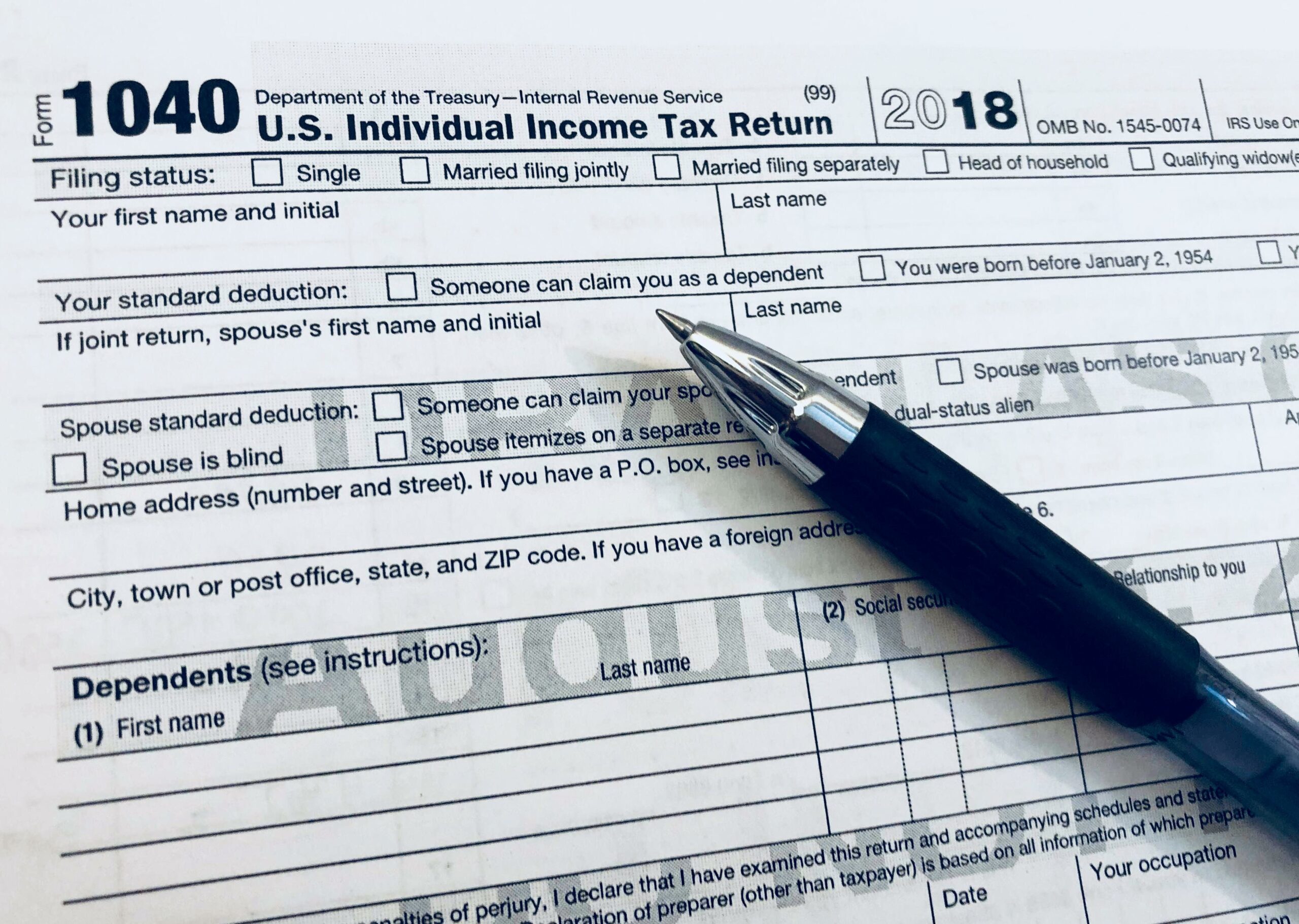
For anyone contemplating a visit, an extended stay, or even a full relocation to the Silver State, one of the most frequently asked questions revolves around its tax structure. Specifically, “Do I need to file a state return in Nevada?” The answer, which often brings a smile to the faces of many, is a resounding no. Nevada stands out among United States states for its unique tax landscape, primarily characterized by the absence of a state income tax. This distinctive feature has significant implications for residents, visitors, and businesses alike, influencing everything from daily budgeting for tourists to long-term financial planning for those seeking a new home.
Understanding Nevada’s tax environment is crucial for anyone engaging with the state, whether you’re drawn by the glittering allure of Las Vegas and its world-class resorts, the outdoor adventures around Lake Tahoe, or the burgeoning tech scene in Reno. While the lack of an income tax is a major draw, it doesn’t mean the state is entirely tax-free. Other forms of taxation play a vital role in funding public services and infrastructure, directly impacting the cost of travel, accommodation, and lifestyle within its borders. This article delves into the specifics of Nevada’s tax system, helping you navigate its financial nuances and plan your experience accordingly.
Nevada’s Unique Tax Landscape: No State Income Tax
The cornerstone of Nevada’s appeal, from a financial perspective, is its commitment to not levying a state income tax on individuals or corporations. This makes it one of only a handful of states in the United States to offer such an advantage. For many, this single fact can be a game-changer, influencing decisions about where to travel, invest, or settle down permanently.
The historical reasons for this policy are rooted in Nevada’s economic development, which has long relied heavily on tourism, gaming, and mining industries to generate revenue. Instead of taxing individual wages or corporate profits, the state primarily funds itself through sales taxes, property taxes, and a variety of specific taxes on its prominent industries, most notably gaming. This approach creates a very different financial ecosystem compared to states with high income tax rates, such as California or New York.
What This Means for Residents and Visitors
For residents of Nevada, the absence of a state income tax means a larger portion of their earnings remains in their pockets. This can translate into higher disposable income, greater savings potential, or the ability to invest more in their local communities and personal ventures. For retirees, it can make a significant difference in stretching fixed incomes, which is why Nevada is often a popular destination for those looking to maximize their retirement funds. Entrepreneurs and small business owners also benefit, as their personal income from their ventures isn’t subject to a state income tax burden, potentially fostering a more business-friendly environment.
For visitors and travelers, the direct impact on personal income is less immediate unless they are engaged in remote work while staying in the state. However, the overall economic climate fostered by this tax policy can indirectly affect travel costs. For instance, businesses operating without a state income tax might pass some savings onto consumers, or the competitive environment among tourist-centric businesses might lead to more attractive pricing for accommodation, entertainment, and dining. While you won’t file a state income tax return after your vacation, understanding that residents enjoy this benefit can give insight into the local economy.
A Haven for Certain Lifestyles
The “no state income tax” policy makes Nevada particularly attractive for specific lifestyles and demographic groups.
- Remote Workers and Digital Nomads: With the rise of remote work, individuals can choose to live anywhere, and states like Nevada offer a compelling financial incentive. A digital nomad spending an extended period in Las Vegas, Reno, or Henderson could potentially establish residency and benefit from keeping more of their earned income. This makes Nevada a desirable location for those seeking a blend of vibrant city life, access to nature, and financial advantage.
- Retirees: As mentioned, Nevada is a popular retirement destination. Without state income tax on pensions, 401(k) distributions, or Social Security benefits (which are also not taxed at the state level), retirees can significantly improve their financial well-being. Coupled with a relatively lower cost of living outside of prime tourist areas, it offers an attractive proposition.
- High-Net-Worth Individuals: For those with substantial incomes, avoiding state income tax can result in significant annual savings, making Nevada a strategic location for residency. This contributes to a diverse and often upscale community in areas like Summerlin and Lake Las Vegas.
However, it’s crucial to understand that merely visiting Nevada does not automatically exempt you from your home state’s income taxes if you maintain residency there. Tax residency rules can be complex and typically depend on factors like where you spend most of your time, where you’re registered to vote, and where your primary home is located. Always consult with a tax professional if you’re considering a change in residency for tax purposes.
Beyond Income Tax: Understanding Other Levies in Nevada
While the absence of a state income tax is a huge advantage, it’s essential not to fall into the trap of thinking Nevada is entirely tax-free. The state generates its necessary revenue through a combination of other taxes, which directly impact both residents and tourists. These taxes are crucial for funding state services, maintaining infrastructure, and supporting the vibrant tourism industry that Nevada is famous for. Understanding these additional levies will provide a more complete financial picture, helping you budget accurately for your travel, accommodation, and day-to-day expenses.
Sales Tax: What You’ll Pay on Goods and Services
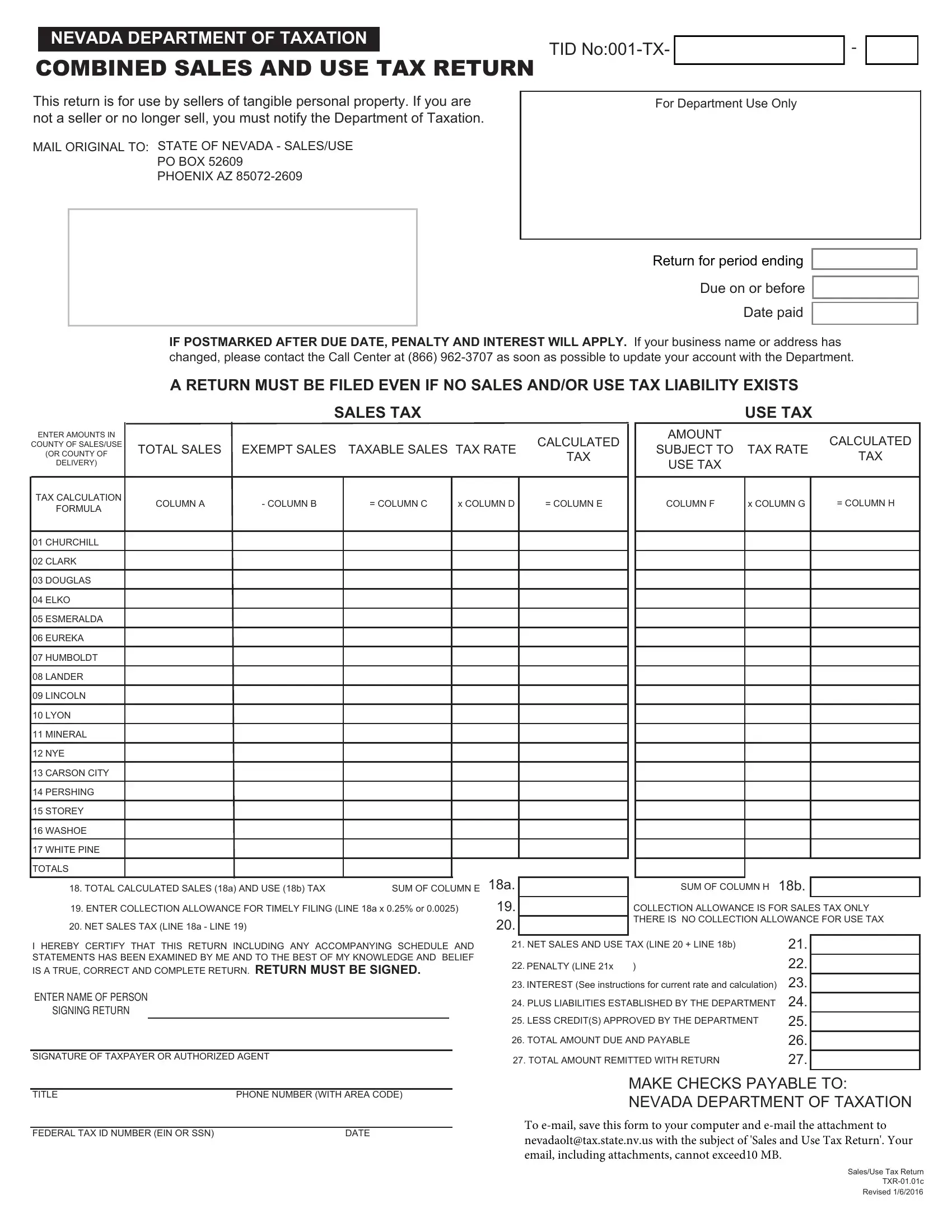
Like most states, Nevada imposes a sales tax on the retail sale of tangible personal property and certain services. This is perhaps the most common tax visitors will encounter. The statewide base sales tax rate is 4.6%, but local counties impose additional sales taxes, leading to varying rates across the state.
For example, in Clark County, home to Las Vegas, the sales tax rate can be as high as 8.375%. In Washoe County, where Reno is located, it can be 8.265%. In contrast, smaller communities or more rural counties might have slightly lower combined rates.
This tax applies to nearly everything you purchase: souvenirs, clothing, restaurant meals (though some prepared food items may have different rules or be subject to different taxes), electronics, and even many services. When planning your budget for shopping sprees along The Strip or local artisan markets, remember to factor in this additional percentage on top of the sticker price.
Lodging Taxes: Impacting Your Stay
For travelers, lodging taxes are arguably the most significant tax beyond sales tax. These taxes are levied on hotel rooms, resort fees, and other temporary accommodation options. Nevada counties and cities impose various transient lodging taxes, often referred to as room taxes, resort taxes, or occupancy taxes. These are distinct from sales tax and are usually added as a separate line item on your hotel bill.
The rates for lodging taxes can be substantial, especially in major tourist hubs. In Las Vegas, for instance, the combined transient lodging tax rate in Clark County can reach up to 13.375% (as of recent figures, though these rates can change). This means that a $200-per-night hotel room could effectively cost you an additional $26.75 in taxes, plus any separate resort fees which are also typically subject to these taxes. These fees often cover amenities like Wi-Fi, fitness center access, and pool usage, and they are almost universal in Las Vegas and other resort areas.
When booking your accommodation, whether it’s a luxury suite at the Bellagio, a family-friendly stay at Circus Circus, or a boutique hotel in Downtown Las Vegas, always check the total price, including all taxes and fees. These can add a significant amount to your overall travel budget, especially for longer stays.
Other Taxes to Consider
Beyond sales and lodging taxes, Nevada employs several other taxes, primarily aimed at its key industries, which indirectly support the state’s infrastructure and services that benefit tourists.
- Live Entertainment Tax (LET): If you plan to catch a show, concert, or performance in Las Vegas or Reno, you’ll likely pay a Live Entertainment Tax. This tax is levied on admission fees and other charges for live entertainment events. The rate can vary depending on the venue and type of entertainment, but it’s another factor that contributes to the overall cost of a night out on The Strip.
- Gaming Tax: This is a significant revenue source for Nevada. Casinos pay substantial taxes on their gaming revenue. While this tax isn’t directly paid by individuals, it’s the financial engine that allows the state to operate without an income tax and provides the resources for the impressive public works and attractions that draw millions of visitors.
- Property Tax: For those considering relocation or purchasing a vacation home, property taxes are an important consideration. Nevada has relatively low property tax rates compared to many other states, making homeownership potentially more affordable from a recurring tax perspective. The property tax rate is capped at 3.6% of the assessed value, with various exemptions available. This makes areas like Carson City and Laughlin attractive for residents and investors.
- Modified Business Tax (MBT): This is a payroll tax paid by employers in Nevada. While not directly impacting individuals, it’s a cost of doing business in the state and is one of the ways the state generates revenue from its economic activity.
Understanding these various taxes allows you to build a more realistic budget for your Nevada adventures. While the absence of income tax is a huge draw, being aware of the other financial contributions you’ll make ensures no unwelcome surprises during your stay.
Financial Planning for Your Nevada Experience
Whether you’re visiting for a weekend getaway, planning an extended vacation, or contemplating a permanent move, sound financial planning is key to maximizing your Nevada experience. The unique tax structure impacts various aspects of your budget, from the cost of your morning coffee to the long-term financial benefits of residency. By strategically planning, you can fully leverage the state’s economic landscape.
Budgeting for Your Trip: Accommodation and Activities
When planning a trip to Nevada, especially to popular destinations like Las Vegas, Reno, or the Lake Tahoe area, it’s crucial to factor in all potential costs beyond the advertised prices.
- Accommodation: As discussed, lodging taxes and resort fees can significantly inflate the price of your hotel room. A room advertised at $150 might actually cost upwards of $180-$200 per night once all these extras are added. When comparing hotels like The Venetian Resort versus a budget option, always compare the final, all-inclusive price. Utilize booking platforms that clearly break down these charges or call the hotel directly to confirm. Consider staying at properties that might have lower resort fees, or look for packages that bundle these costs. For longer stays, exploring vacation rentals in areas like Mesquite or Primm might offer different pricing structures.
- Food and Drink: Sales tax will be added to most restaurant bills and food purchases. While dining out in Las Vegas can be an experience in itself, from high-end dining at MGM Grand to casual eats, these taxes will incrementally add up. Budgeting an extra 8-9% for sales tax on your food and beverage expenses is a good practice.
- Entertainment and Shopping: From tickets to a Cirque du Soleil show at Caesars Palace to souvenirs from the Fremont Street Experience, sales tax and potentially Live Entertainment Tax will apply. If you plan a shopping spree, remember to account for the sales tax on each item.
- Transportation: Gas prices and car rental taxes will also contribute to your overall spending. If you’re exploring beyond the city limits to places like Red Rock Canyon National Conservation Area or the Hoover Dam, transportation costs become a more significant factor.
A smart tip for budgeting is to create a daily expenditure estimate and then add a buffer of 15-20% to cover unexpected taxes, resort fees, and gratuities. This ensures you won’t be caught off guard by the final bill.
Relocating to Nevada: Tax Benefits and Considerations
For those considering making Nevada their permanent home, the state’s tax environment presents significant long-term financial benefits. However, a comprehensive understanding goes beyond just the absence of income tax.
- Income Tax Savings: This is the most obvious benefit. For individuals earning a substantial income, the savings from not paying state income tax can be considerable, freeing up funds for investments, retirement planning, or enhancing your lifestyle. This makes Nevada particularly appealing to professionals, entrepreneurs, and remote workers.
- Retirement Planning: Retirees find Nevada’s tax policy highly favorable. No state income tax on Social Security, pensions, or other retirement distributions means your retirement nest egg goes further. This, combined with pleasant climates in areas like Boulder City, makes it a prime retirement destination.
- Estate and Inheritance Taxes: Nevada also does not impose state-level estate or inheritance taxes. This is a significant advantage for wealth preservation and estate planning, especially for high-net-worth individuals and families.
- Cost of Living: While the major tourist areas can be expensive, many parts of Nevada, especially outside of Las Vegas and Reno, offer a more moderate cost of living, particularly regarding housing. Property taxes are also relatively low. However, general sales tax on everyday purchases will still apply, so factor that into your budgeting for groceries, household goods, and other necessities.
- Impact on Businesses: The absence of corporate income tax makes Nevada an attractive state for businesses to incorporate or relocate, potentially leading to more job opportunities and a robust local economy. However, businesses do pay the Modified Business Tax and other industry-specific taxes.
- Residency Rules: To truly benefit from Nevada’s tax structure, you must establish bona fide residency. This typically involves actions such as obtaining a Nevada driver’s license, registering to vote, moving your primary bank accounts, and spending the majority of your time in the state. Simply owning property or visiting frequently might not be enough to satisfy residency requirements, especially if you still maintain strong ties to another state with an income tax.
In conclusion, while you will not be filing a state income tax return in Nevada, understanding the broader tax landscape is crucial for both visitors and prospective residents. From budgeting for your dream vacation exploring the natural beauty of Valley of Fire State Park or the excitement of Las Vegas, to making informed decisions about where to live out your golden years, knowledge of Nevada’s unique tax system ensures a smoother and more financially sound experience in the Silver State. Always consult with a tax advisor for personalized advice, especially if you have complex financial situations or are planning a change in residency.

Frequently Asked Questions About Nevada Taxation
Navigating the tax landscape can often lead to more questions, especially when a state like Nevada has such a distinct approach. Here are some commonly asked questions to further clarify your understanding of taxation in the Silver State:
Q: Do I need to file a state tax return if I only worked in Nevada for a short period?
A: No, if you were only employed in Nevada for a temporary period, you still do not need to file a state income tax return with Nevada itself, as the state does not have a personal income tax. However, you will still be subject to federal income taxes and potentially income taxes in your state of permanent residency if you maintain ties there. Your employer in Nevada would withhold federal taxes, but no state income tax.
Q: Are Social Security benefits or retirement income taxed in Nevada?
A: No. Nevada does not tax Social Security benefits, pension income, or income from 401(k)s or IRAs at the state level. This makes it a very attractive state for retirees looking to maximize their retirement funds.
Q: How does the lack of state income tax affect the cost of living in Nevada?
A: While the absence of state income tax generally means more take-home pay for residents, the overall cost of living can vary significantly. Major metropolitan areas like Las Vegas and Reno can have higher housing costs compared to the national average, though property taxes are relatively low. Sales taxes are higher than the national average in many parts of the state. Other costs like utilities, transportation, and food are comparable to other Western states. The benefit of no income tax is primarily seen in the discretionary income residents retain.
Q: What about capital gains tax? Does Nevada have one?
A: No, Nevada does not impose a state capital gains tax. If you sell an asset (like stocks or real estate) for a profit, you will still be subject to federal capital gains tax, but no additional tax will be levied by the state of Nevada. This is another reason the state is attractive for investors and those with significant asset portfolios.
Q: Are there any situations where a visitor might pay some form of “state” tax directly?
A: Visitors directly pay sales tax on most goods and services purchased, and transient lodging taxes on hotel rooms and other temporary accommodations. These are state-regulated taxes, but they are not income taxes and do not require filing a return from the individual visitor. They are collected at the point of sale or service. Additionally, if you attend live entertainment, you may indirectly pay the Live Entertainment Tax included in your ticket price.
Q: I own a vacation home in Nevada. Do I pay property tax?
A: Yes, if you own real estate in Nevada, whether it’s your primary residence or a vacation home, you are subject to local property taxes. These taxes are assessed by the county and are collected to fund local services like schools, fire departments, and municipal infrastructure. Property tax rates in Nevada are generally considered favorable compared to many other states.
Q: Does Nevada have an inheritance tax or estate tax?
A: No, Nevada does not levy a state-level inheritance tax or estate tax. This is another significant financial advantage for residents, as it helps with intergenerational wealth transfer and estate planning, allowing more assets to pass to heirs without state taxation.
By understanding these nuances, both short-term visitors exploring Lake Mead National Recreation Area and long-term residents enjoying the Mount Charleston slopes can make informed financial decisions and fully appreciate the distinctive economic environment that Nevada offers.
LifeOutOfTheBox is a participant in the Amazon Services LLC Associates Program, an affiliate advertising program designed to provide a means for sites to earn advertising fees by advertising and linking to Amazon.com. Amazon, the Amazon logo, AmazonSupply, and the AmazonSupply logo are trademarks of Amazon.com, Inc. or its affiliates. As an Amazon Associate we earn affiliate commissions from qualifying purchases.