
In a world increasingly saturated with digital noise and constant communication, the pursuit of peace and quiet has become a luxury. For residents and visitors alike in the vast and vibrant state of Texas, this quest for serenity often extends to their phones. Imagine planning your dream Texas vacation, researching charming boutique hotels in Austin, or looking forward to a tranquil staycation in the scenic Hill Country. The last thing you want is a barrage of unsolicited telemarketing calls interrupting your focus, disrupting your relaxation, or worse, attempting to lure you into dubious travel schemes. This is precisely where the Texas Do Not Call Registry steps in, acting as an essential guardian of your privacy and a facilitator of uninterrupted travel planning and enjoyment.
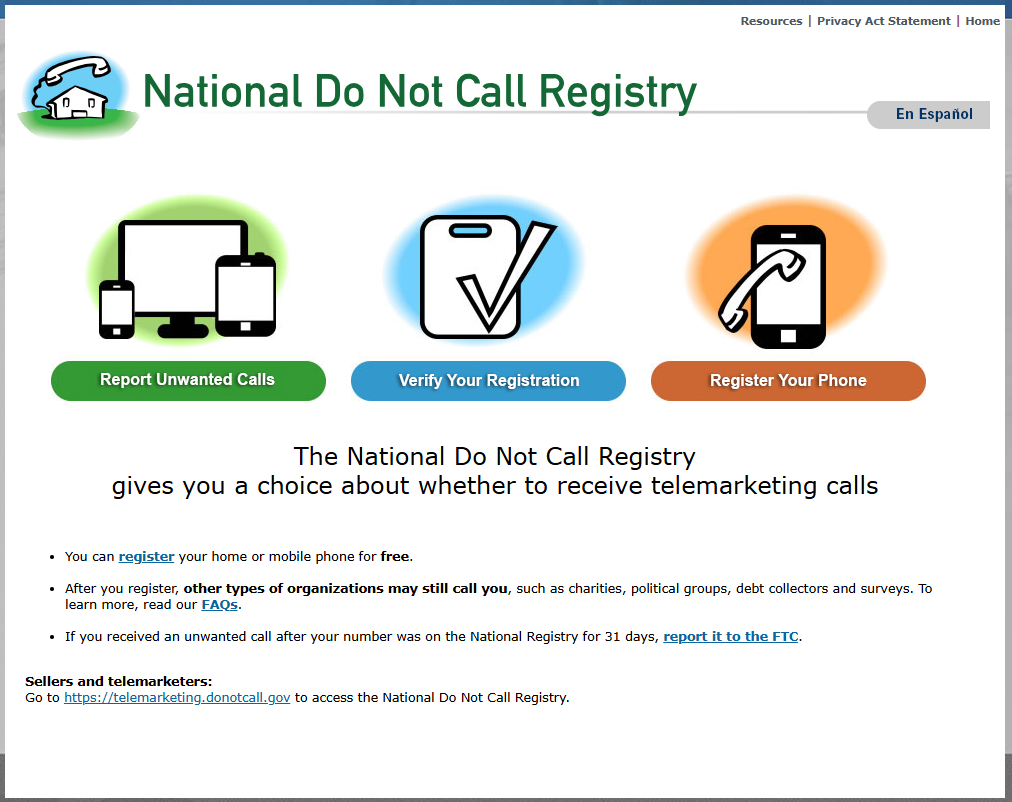
The Texas Do Not Call Registry is more than just a bureaucratic list; it’s a powerful tool designed to filter out unwanted noise, allowing you to focus on the things that truly matter – whether that’s exploring the historic grandeur of the Alamo in San Antonio, soaking in the unique music scene of Austin, or unwinding on the sun-kissed beaches of Galveston. By registering your phone number, you erect a barrier against persistent telemarketers, ensuring that your valuable time, whether spent at home or immersed in the rich culture and natural beauty of Texas, remains undisturbed. This registry is crucial for protecting your peace of mind, not only from general nuisances but specifically from travel-related solicitations that can often be misleading or even fraudulent.
Protecting Your Peace: The Dual Shield of Do Not Call Registries
The concept of a “Do Not Call” registry might seem straightforward, but in the United States, it operates on both national and state levels, offering a comprehensive shield against telemarketing intrusions. While the federal Do Not Call Registry, maintained by the Federal Trade Commission (FTC), primarily covers interstate telemarketing calls – those originating in one state and terminating in another – the Texas Do Not Call Registry provides an indispensable additional layer of protection. This state-specific registry specifically targets intrastate calls, meaning telemarketing solicitations that originate and terminate within the borders of Texas.
This dual approach ensures that regardless of where a telemarketing call originates, if it’s directed at a Texas resident who has registered their number, they are afforded protection. For the avid traveler or someone planning a peaceful getaway within Texas, this distinction is vital. It means fewer interruptions while you’re researching destinations like the vibrant Dallas Arts District or tranquil state parks. It ensures that calls from local businesses attempting to sell anything from timeshares to travel packages are also curtailed, creating a truly serene environment for your travel planning and experiences. The beauty of this system lies in its simplicity and accessibility, making it an easy yet powerful step towards safeguarding your privacy.
Simple Steps to Serenity: How to Register
Registering your phone number on the Texas Do Not Call Registry is a straightforward process designed to be user-friendly, ensuring that anyone can easily take control of their phone privacy. Unlike some registrations that involve complex forms or fees, the Texas registry is entirely free and accessible online, reflecting its core purpose of broad public benefit. This ease of access means you can begin the journey to uninterrupted peace of mind with just a few clicks, leaving you more time to pore over travel guides for Big Bend National Park or compare hotel suites for your next urban escape.
To register, simply follow these steps:
- Visit the Official Website: Navigate to the official website of the Texas Public Utility Commission (PUC). The PUC is the regulatory body responsible for overseeing the Do Not Call Registry in Texas, ensuring its proper functioning and enforcement.
- Locate the Registry Section: Within the PUC website, find the dedicated section for the Do Not Call Registry. This section will provide all the necessary information and direct links for registration.
- Enter Your Phone Number(s): You will be prompted to enter the phone number(s) you wish to register. This can include your home landline, mobile phone, or any other numbers you use and want to protect from telemarketing calls.
- Confirm Your Registration: After entering your number(s), you’ll typically be asked to review and confirm your submission. Once confirmed, your request for registration will be processed.
It’s important to note that while the registration process itself is instant, it generally takes a few weeks for your registration to become fully effective. This grace period allows telemarketing companies to update their call lists to reflect the new registrations. Typically, telemarketers have 31 days from the date of your registration to cease calling your number. You can often verify the status of your registration online through the same PUC portal, providing transparency and reassurance. This simple act of registering is a significant step towards creating a tranquil personal space, allowing you to immerse yourself in the joys of lifestyle planning, whether it’s a luxury travel experience or a spontaneous road trip across the state.
Who Needs to Listen? Compliance and Exemptions
Understanding who is bound by the Texas Do Not Call Registry and who is exempt is crucial for managing expectations and knowing when to report a violation. The registry’s strength lies in its widespread applicability, covering most commercial telemarketing operations within the state. This comprehensive scope is what makes it such an effective shield for consumers, particularly those who are often targeted by unsolicited offers for travel and accommodation services.
Most telemarketing companies and solicitors operating within Texas are legally required to comply with the registry. This includes a broad spectrum of businesses selling products or services via telephone. From companies offering home improvement services to those pushing timeshare properties or discounted vacation packages, they must regularly scrub their call lists against the Texas Do Not Call Registry to avoid contacting registered numbers. For individuals planning a trip, this means a significant reduction in calls pitching deals on resorts in South Padre Island or hotel bookings in Houston, many of which can be misleading or simply unwanted.
However, there are specific exceptions to the registry’s rules. These exemptions are typically carved out for organizations that are not primarily engaged in commercial sales. Common exceptions include:
- Political Organizations: Calls from political campaigns, parties, or advocacy groups are generally exempt.
- Charities: Registered charitable organizations are usually allowed to make fundraising calls, even to numbers on the Do Not Call Registry.
- Companies with Existing Business Relationships: If you have an established business relationship with a company (e.g., you are a current customer, or have done business with them in the last 18 months), they may still call you, even if your number is registered. This applies unless you specifically tell them not to call you again.
- Information Calls: Calls that are purely informational and not intended to sell a product or service, such as appointment reminders, survey calls (not related to sales), or debt collection calls, are often exempt.
While these exemptions exist, the vast majority of unsolicited sales calls, including those related to dubious travel offers or high-pressure timeshare pitches, are covered by the registry. This makes it an invaluable asset for anyone looking to enjoy the diverse tourism experiences Texas has to offer, from exploring local culture in Fort Worth to discovering natural landmarks without the constant disruption of telemarketing.
Uninterrupted Exploration: The Traveler’s Benefits
The advantages of being on the Texas Do Not Call Registry extend far beyond merely avoiding annoying phone calls. For individuals passionate about travel, seeking unforgettable experiences, and valuing their precious leisure time, the registry offers profound benefits that directly enhance their travel planning and enjoyment. It’s about creating an environment where your focus can remain squarely on crafting the perfect itinerary, discovering hidden gems, and fully immersing yourself in the rich tapestry of Texas life.
Streamlined Travel Planning and Booking

One of the most significant benefits of the Do Not Call Registry for travelers is the ability to engage in uninterrupted planning. Planning a trip, whether it’s a grand tour of Texas or a short weekend getaway, requires concentration. You need to research destinations, compare hotels, scour reviews of boutique accommodation options, and meticulously plan itineraries. This intricate process can be severely hampered by constant phone interruptions. By cutting down on unwanted calls, the registry allows you to:
- Focus on Research: Dedicate your attention to finding the best deals on flights, the most charming bed and breakfasts in Fredericksburg, or the most exciting activities in El Paso.
- Compare Options Effectively: Take the time to genuinely compare features, prices, and reviews of various accommodations, tours, and rental cars without feeling rushed or distracted.
- Avoid Decision Fatigue: Minimize external pressures and make well-informed decisions about your travel arrangements, leading to a more satisfying and stress-free trip.
Furthermore, the registry plays a crucial role in privacy protection. In an age where personal information is frequently exchanged during online bookings, safeguarding your data is paramount. While the registry doesn’t prevent data breaches, it significantly reduces your exposure to calls that might attempt to illicitly gain sensitive details. When booking flights, reserving accommodations, or purchasing tour packages online, you often share contact information. The registry acts as a barrier against unscrupulous individuals or companies who might obtain your number and use it for unsolicited fishing expeditions for credit card numbers, passport details, or other personal identifiers under the guise of “confirming bookings” or “prize winnings.”
Safeguarding Your Texas Getaway
The benefits extend directly to your actual Texas getaway as well, ensuring peaceful stays. Whether you’re enjoying a romantic retreat at a luxury resort in Grapevine, experiencing a bustling family trip to a water park in New Braunfels, or simply having a quiet staycation at home, unwanted calls can shatter the tranquility. The Do Not Call Registry allows you to:
- Relax Undisturbed: Fully immerse yourself in the experience of your vacation, free from the jarring ring of telemarketers.
- Enjoy Moments with Loved Ones: Focus on creating memories with family and friends without the distraction of marketing calls that pull you away from the present moment.
- Maintain Professional Boundaries: For those on business stays, it allows them to distinguish between important professional calls and unsolicited sales pitches, enhancing productivity.
Ultimately, the registry contributes to an enhanced lifestyle. By minimizing daily nuisances, it frees up mental space and time, allowing you to fully appreciate the diverse landscapes and attractions Texas has to offer. From hiking trails in Guadalupe Mountains National Park to savoring exquisite food in Dallas, and exploring historic landmarks in every corner of the state, a serene environment, free from unwanted calls, allows for deeper engagement and enjoyment of these experiences. It’s an investment in your personal peace and the quality of your travel adventures.
Navigating the Waters: Avoiding Travel Scams and What to Do
Beyond the mere annoyance of unwanted calls, the Texas Do Not Call Registry serves a critical protective function by significantly reducing your exposure to potential travel scams. The travel industry, with its allure of adventure and relaxation, unfortunately, attracts its share of unscrupulous operators. Telemarketers can be particularly cunning in their attempts to defraud individuals with seemingly irresistible offers that often hide severe drawbacks or are outright fraudulent. Being on the registry provides a proactive defense, but knowing how to identify and react to such scams is equally vital.
Recognizing and Resisting Travel-Related Scams
The allure of a cheap getaway or an exclusive deal can make anyone vulnerable. Scammers often use high-pressure tactics and enticing language to exploit dreams of travel. Common telemarketing travel scams to watch out for include:
- “Free Vacation” Offers: These are perhaps the most pervasive. While they promise an incredible, often exotic, vacation at no cost, they almost always involve hidden fees, mandatory timeshare presentations (which can last hours and be very high-pressure), or substandard accommodations in undesirable locations. The “free” aspect rarely pans out, and the true cost in time, money, and frustration far outweighs any perceived benefit.
- Fake Travel Agencies: These scammers claim to represent legitimate-sounding travel agencies and offer incredible deals on flights, hotels, or cruises. Once they take your money, they disappear, leaving you with no booking and no recourse. Always verify the legitimacy of any travel agency through independent reviews and official industry accreditations before making any payments.
- Urgent Booking Pressure: Scammers thrive on creating a sense of urgency to prevent you from thinking clearly or doing your due diligence. They’ll claim a deal is “expiring soon,” there’s “limited availability,” or it’s a “one-time offer” that you must act on immediately. Legitimate companies rarely pressure you to make instant decisions, especially for significant purchases like travel packages.
- Personal Information Phishing: Calls asking for sensitive details like your credit card numbers, bank account information, or even passport details under the guise of “confirming a booking” or “winning a prize” are major red flags. Reputable companies will generally not ask for such sensitive information over an unsolicited call. If you suspect an issue with a booking, call the company back using an independently verified phone number, not the one provided by the caller.
By being on the Do Not Call Registry, you drastically reduce the number of these deceptive calls reaching your phone, creating a safer environment for your travel planning and protecting your finances.

Holding Telemarketers Accountable: Reporting Violations
Despite the protections offered by the Texas Do Not Call Registry, some telemarketers may still attempt to call. If you continue to receive unwanted calls from telemarketers after your phone number has been registered for at least 31 days (the typical grace period for telemarketers to update their lists), you have the right and the responsibility to report these violations. Reporting helps enforce the registry’s rules and protects other consumers.
You can file a complaint with:
- The Texas Public Utility Commission (PUC): For calls that originate and terminate within Texas (intrastate calls). The PUC is the primary state authority for enforcing the Texas Do Not Call Registry.
- The Federal Trade Commission (FTC): For calls that cross state lines (interstate calls), you should file a complaint with the national Do Not Call Registry via the FTC.
When reporting a violation, it is incredibly helpful to have detailed records. Keep a log of:
- The date and time of the call.
- The phone number that appeared on your caller ID.
- The name of the company or organization making the call (if provided).
- The product or service they were attempting to sell.
- Any other relevant details about the conversation.
This information is crucial for investigators to track down and prosecute offending telemarketers. Penalties for violations can be substantial, incentivizing compliance and helping to keep your phone lines clear. By actively participating in the registry and reporting violations, you not only protect yourself but also contribute to a broader environment of consumer protection, ensuring that the dream of exploring Texas’s famous places, diverse architecture, rich history, and stunning nature can be pursued without constant, unwanted intrusions.
In conclusion, the Texas Do Not Call Registry is a simple yet profoundly effective tool for enhancing your quality of life and protecting your peace of mind. For those who cherish uninterrupted moments, whether at home or while embarking on exciting travel adventures, it provides an invaluable defense against the incessant chatter of telemarketing. By taking the few minutes required to register your phone number, you are empowering yourself to fully immerse in the rich experiences Texas provides, from its vibrant cities to its serene natural wonders, free from unwanted intrusions. It’s an investment in tranquility, allowing you to truly live out of the box.
LifeOutOfTheBox is a participant in the Amazon Services LLC Associates Program, an affiliate advertising program designed to provide a means for sites to earn advertising fees by advertising and linking to Amazon.com. Amazon, the Amazon logo, AmazonSupply, and the AmazonSupply logo are trademarks of Amazon.com, Inc. or its affiliates. As an Amazon Associate we earn affiliate commissions from qualifying purchases.