
The crisp, icy air of Alaska conjures images of majestic wildlife thriving in extreme conditions. From towering glaciers to expansive tundras, the Last Frontier is a bucket-list destination for nature enthusiasts and adventure seekers alike. Among the many questions visitors often ponder about Alaska’s unique ecosystem, one surprisingly common query emerges: “Do penguins live in Alaska?”
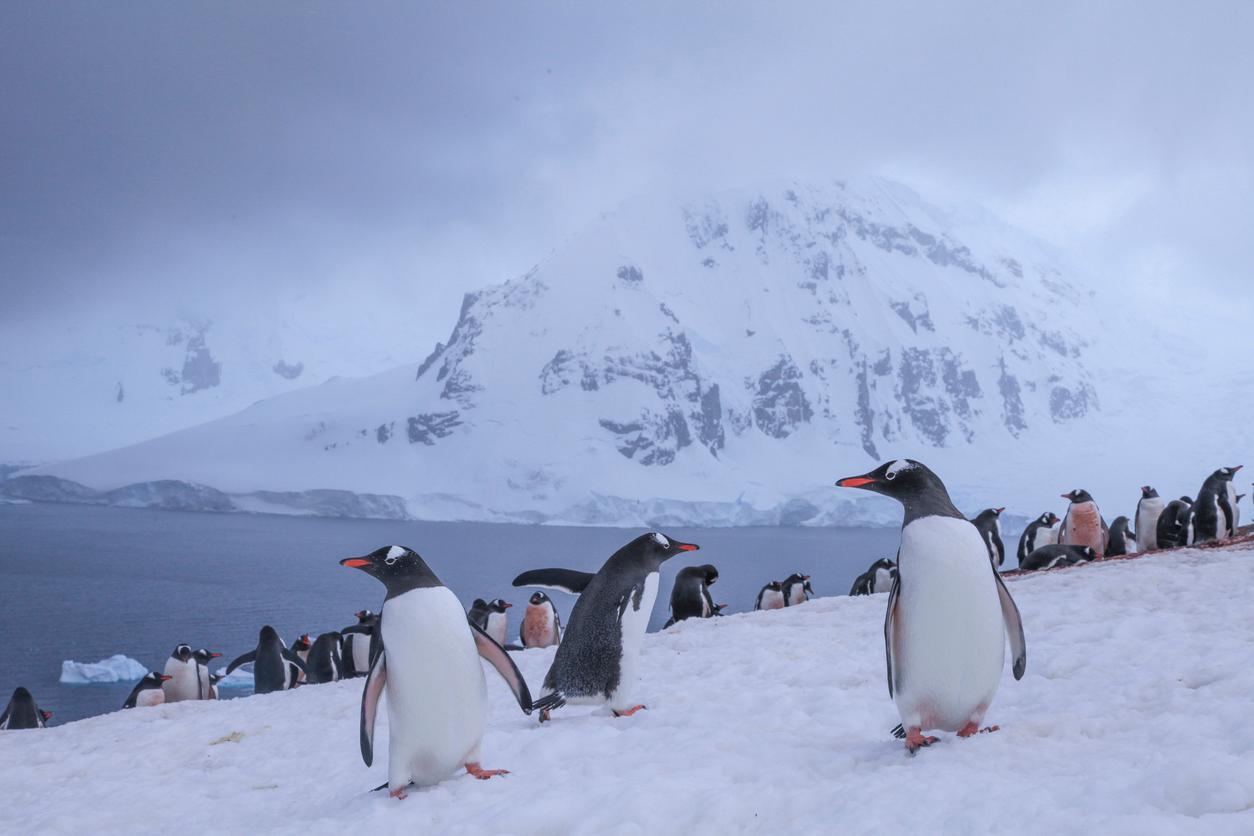
The simple, definitive answer is no, penguins do not live in Alaska. While both penguins and Alaska are synonymous with cold environments and stunning natural beauty, their geographical distributions are fundamentally separated by the vastness of the equator. Penguins are exclusively found in the Southern Hemisphere, making Alaska, located firmly in the Northern Hemisphere, an unsuitable habitat for these charismatic birds.

This article delves into the fascinating world of penguin habitats, explores the incredible biodiversity that does call Alaska home, and unpacks the biological reasons behind this geographical divide. For those dreaming of an Alaskan adventure, we’ll also offer a comprehensive guide to experiencing its unique wildlife and planning an unforgettable trip, integrating insights on travel, accommodation, and responsible tourism that align perfectly with the discerning traveler’s lifestyle.
The Icy Truth: Where Do Penguins Really Live?
To understand why penguins aren’t found in Alaska, we must first appreciate their true domain. Penguins are a group of aquatic, flightless birds exclusively found almost entirely south of the equator. Their presence spans a remarkable range of climates, from the frigid ice sheets of Antarctica to the temperate coasts of South America and Africa, and even surprisingly warm tropical regions near the equator.
These incredible birds are perfectly adapted to marine life, with streamlined bodies, wings evolved into powerful flippers, and a thick layer of blubber and dense, waterproof feathers for insulation. They spend most of their lives in the ocean, hunting for fish, krill, and squid, coming ashore primarily to breed and molt. While some species thrive in extreme cold, others flourish in surprisingly mild or even warm climates, demonstrating the incredible adaptability of the family Spheniscidae.
A World of Waddle: Diverse Penguin Habitats
The seventeen to nineteen recognized species of penguins inhabit a diverse array of environments across the Southern Hemisphere. Each species has carved out a niche in a specific region, showcasing unique adaptations to their local conditions:
-
Antarctica and Sub-Antarctic Islands: This is arguably the most iconic penguin habitat. Here, you’ll find the majestic Emperor Penguins, the largest of all penguin species, enduring brutal Antarctic winters to breed on the ice. Adélie Penguins and Chinstrap Penguins also thrive in these icy realms, nesting on rocky, ice-free areas of the continent and nearby islands like South Georgia and the Falkland Islands. For travelers seeking the ultimate wildlife experience, an expedition cruise to Antarctica offers unparalleled opportunities to witness these colonies up close, an experience often considered the pinnacle of luxury travel for nature lovers.
-
South America: The coasts of Chile, Argentina, and the Falkland Islands are home to several species. Magellanic Penguins are widespread along the Argentine coast, nesting in burrows, while Humboldt Penguins prefer the cooler waters influenced by the Humboldt Current off Chile and Peru. These regions offer incredible tourism opportunities, allowing visitors to explore bustling colonies and pristine coastal landscapes.
-
Africa: A surprising location for penguins, the African Penguin is endemic to the waters of South Africa and Namibia. Famous colonies at Boulders Beach in Cape Town allow tourists to observe these charming birds interacting with the local culture and beautiful beaches, proving that penguins aren’t solely confined to extreme cold.
-
Australia and New Zealand: These island nations are home to the smallest penguin species, the Little Penguin (also known as Fairy Penguin). They are found along the southern coasts of Australia and New Zealand, often putting on a spectacular “penguin parade” at dusk as they return to their burrows. New Zealand also hosts the rare and striking Yellow-Eyed Penguin and Fiordland Penguin, attracting nature photographers and eco-tourists.
-
Galapagos Islands: Perhaps the most surprising habitat, the Galapagos Penguin lives on the equator, making it the only penguin species found north of the equator in a very small part of its range. This species has adapted to the warmer climate by utilizing the cool waters of the Humboldt and Cromwell Currents and seeking shade during the hottest parts of the day. A trip to the Galapagos Islands is an unparalleled travel experience, offering unique encounters with wildlife found nowhere else on Earth.
This global tour of penguin habitats clearly illustrates a distinct pattern: they are creatures of the Southern Hemisphere, absent from the northern oceans and landmasses, including Alaska.
Exploring Alaska’s Unique Ecosystem: A Realm of Northern Wonders
Having established where penguins reside, let’s turn our attention to Alaska – a land of unparalleled grandeur and a truly distinct ecosystem. Covering over 663,000 square miles, Alaska is the largest state in the United States, boasting diverse landscapes that range from temperate rainforests in the southeast to vast boreal forests, alpine tundras, and the icy plains of the Arctic in the north.
The climate of Alaska is characterized by long, cold winters and short, cool summers, though coastal areas experience milder conditions due to oceanic influence. This challenging environment has sculpted a unique array of flora and fauna, perfectly adapted to thrive in these demanding conditions. The state’s incredible wilderness offers boundless opportunities for adventure and is a premier destination for those seeking authentic nature experiences, whether through budget travel or luxury excursions with top-tier accommodation.
Majestic Mammals and Avian Marvels of the Last Frontier
While penguins are absent, Alaska is far from devoid of spectacular wildlife. In fact, it’s a paradise for wildlife viewing, home to some of North America’s most iconic species. For travelers interested in observing animals in their natural habitat, Alaska presents a compelling alternative to penguin-rich regions.
-
Marine Mammals: Alaska’s extensive coastline and rich marine waters are teeming with life. Whales, including majestic Humpbacks, Orcas (killer whales), and Gray Whales, migrate through its waters, offering incredible whale-watching opportunities, particularly in the Inside Passage and Kenai Fjords National Park. Seals, sea lions, and sea otters are commonly spotted frolicking in the coastal waters and hauling out on rocky shores. Further north, the elusive Polar Bear reigns supreme in the Arctic regions, a truly iconic symbol of Alaska’s remote wilderness.
-
Land Mammals: The vast interior of Alaska is home to a diverse population of land mammals. Grizzly Bears (brown bears) and Black Bears are prevalent, particularly famous for salmon fishing in rivers like those found near Katmai National Park. Massive Moose are a common sight, even near urban centers like Anchorage. Herds of Caribou migrate across the tundra, while Dall Sheep scale rugged mountain slopes. Wolves, lynx, and wolverines also roam the wilderness, though they are more elusive.
-
Avian Wonders: While penguins may be absent, Alaska hosts an impressive array of birdlife. The iconic Bald Eagle is abundant, particularly in coastal areas, often seen soaring overhead or perched majestically on treetops. Seabirds, including various species of puffins (Horned Puffin, Tufted Puffin) and murres, nest in huge colonies on dramatic sea cliffs. These birds occupy an ecological niche similar to penguins in terms of their marine diet and nesting habits, yet they are distinct species adapted to the Northern Hemisphere environment. Migratory waterfowl and numerous songbirds also fill Alaska’s skies during the warmer months.
This rich tapestry of wildlife, adapted over millennia to Alaska’s specific climatic and ecological conditions, paints a vivid picture of a vibrant and thriving natural world, even without penguins.
Why No Penguins in Alaska? Unpacking the Biological Divide
The absence of penguins in Alaska is not a mere coincidence but a result of profound biological and geographical factors that have shaped the distribution of species over evolutionary timescales. The key lies in the fundamental separation of the Northern and Southern Hemispheres and the lack of a natural migratory path.
-
Geographical Barrier of the Equator: The most significant reason is the vast expanse of tropical waters around the equator. Penguins are highly adapted to cold water environments, which provide abundant food sources like krill and fish, and cooler climates where their insulated bodies don’t overheat. While the Galapagos Penguin is an exception, it relies on specific cold ocean currents to survive in its equatorial location. For other penguin species to cross the equator, they would have to navigate thousands of miles of warm, predator-filled waters, which they are not biologically equipped for. This “thermal barrier” has effectively prevented them from colonizing the Northern Hemisphere.
-
Evolutionary History: Penguins evolved in the Southern Hemisphere millions of years ago, long before the continents reached their current positions. Their evolutionary journey has been entirely confined to this half of the globe, leading to adaptations perfectly suited for southern oceanic conditions and prey availability. There simply hasn’t been an opportunity or an evolutionary pressure for them to expand into the north.
-
Ecological Niches Already Occupied: The ecological niches that penguins might fill in the Northern Hemisphere are already successfully occupied by other cold-adapted, fish-eating seabirds. As mentioned, species like puffins, murres, and auks thrive in the North Pacific and Arctic oceans, fulfilling similar roles in the food chain. These birds, though superficially similar in appearance to some penguins (especially puffins with their upright stance), are not closely related and have their own distinct evolutionary paths. Their presence makes it unlikely that penguins, even if they could overcome the equatorial barrier, would find an unoccupied niche to establish themselves successfully without intense competition.
-
No Land Bridge or Easy Migration Route: Unlike many land mammals that utilized ancient land bridges (like the Bering Strait between Asia and North America) to cross hemispheres, marine birds like penguins do not have such pathways. Their inability to fly long distances, combined with their reliance on specific ocean temperatures and food sources, makes trans-hemispheric migration practically impossible.
In essence, the biological makeup of penguins, their evolutionary heritage, and the geographical layout of our planet have conspired to keep these charming birds firmly rooted in the Southern Hemisphere, making them a unique and cherished symbol of the southern oceans.
Experiencing Alaska’s Wildlife and Natural Beauty: A Traveler’s Guide
While your dream of seeing penguins in Alaska may be dashed, the prospect of an Alaskan adventure teeming with other incredible wildlife and breathtaking landscapes should be far from it. Alaska offers unparalleled travel experiences, blending rugged exploration with opportunities for luxurious comfort and deep immersion in nature. Whether you’re planning a family trip, a solo adventure, or a romantic getaway, understanding the best ways to explore this magnificent state is key.
Top Alaskan Destinations for Wildlife Encounters
Alaska’s vastness means that different regions offer distinct wildlife viewing opportunities and experiences. Planning your itinerary around specific interests will enhance your journey.
-
Denali National Park and Preserve: Home to Mount Denali, North America’s tallest peak, this park is a prime location for spotting Grizzly Bears, Moose, Caribou, Dall Sheep, and wolves. Access is largely restricted to park buses, offering guided tours that maximize wildlife sightings and provide educational insights into the park’s ecology.
-
Kenai Fjords National Park: Located near Seward, this park is best explored by boat. Glacier cruises take you past dramatic tidewater glaciers and into bays teeming with marine life. Expect to see Orcas, Humpback Whales, sea otters, sea lions, and numerous seabirds, including Tufted and Horned Puffins nesting on rocky cliffs. Many tours offer gourmet food and comfortable seating, blending adventure with luxury travel.
-
Inside Passage (Southeast Alaska): A popular cruise destination, the Inside Passage offers stunning scenery of forested islands, glaciers, and a high likelihood of spotting Bald Eagles, Brown Bears (fishing for salmon), and various marine mammals. Ports like Juneau, Skagway, and Ketchikan offer unique cultural experiences and excursions.
-
Katmai National Park and Preserve: Famous for its incredible concentration of Brown Bears gathering to fish for salmon at Brooks Falls, this park offers some of the most spectacular bear-viewing opportunities in the world. Access is typically via floatplane, making it a more exclusive and adventurous destination.
-
Utqiagvik (Barrow): For those seeking true Arctic experiences, a trip to Utqiagvik, the northernmost city in the United States, can offer glimpses of Polar Bears and a profound understanding of Inupiat culture. This is definitely off the beaten path and requires meticulous planning regarding accommodation and guides.

Planning Your Alaskan Adventure: Accommodation and Lifestyle Tips
An Alaskan journey requires careful planning, especially concerning travel logistics, accommodation, and activities. Whether you’re looking for budget travel options or a lavish luxury experience, Alaska caters to all.
-
Best Time to Visit: The prime wildlife viewing season and the most popular time for tourism is generally May through September. Summers offer long daylight hours, warmer temperatures, and the highest chance of seeing active wildlife. If your interest lies in the Northern Lights, then September through April is ideal, particularly in Fairbanks and interior Alaska, which also offers winter sports and unique snowy landscapes.
-
Accommodation Choices: Alaska boasts a range of accommodation options. In major cities like Anchorage and Juneau, you’ll find everything from well-known hotel chains to boutique hotels and charming bed and breakfasts. For more immersive wilderness experiences, consider staying in remote lodges or wilderness cabins, many of which offer all-inclusive packages with guided tours. These often require advance booking, especially for peak season. Camping and RV travel are also popular for budget-conscious adventurers, with numerous state and national park campgrounds. Websites for booking, reviews, and comparison are essential tools for finding the perfect stay.
-
Transportation: Getting around Alaska can be an adventure in itself. Rental cars are great for exploring accessible roads (e.g., the Parks Highway to Denali). However, many remote areas are only reachable by small plane (bush plane), ferry (Alaska Marine Highway System), or train (Alaska Railroad). Cruises are a popular way to explore the Inside Passage.
-
Responsible Tourism: When planning your trip, prioritize ethical and sustainable tourism practices. Choose tour operators committed to wildlife conservation and minimal environmental impact. Respect wildlife by maintaining a safe distance and never feeding animals. Supporting local businesses and understanding the local culture, including Alaska’s rich Native traditions, enhances the travel experience for everyone.
-
Packing Essentials: Even in summer, Alaska weather can be unpredictable. Pack layers, waterproof outerwear, sturdy hiking boots, and insect repellent. Binoculars and a good camera are absolute must-haves for wildlife viewing.
In conclusion, while the answer to “Do penguins live in Alaska?” is a firm no, this fascinating fact opens the door to understanding the incredible biological diversity of our planet. Alaska stands as a testament to the untamed beauty of the Northern Hemisphere, offering unique wildlife encounters and landscapes that are just as captivating as the penguin-filled shores of the south. Embarking on an Alaskan journey promises an unforgettable experience, rich in natural wonder, adventure, and memories that will last a lifetime.