
The question of whether people live in Death Valley, California, often elicits a sense of disbelief. Renowned as one of the hottest, driest, and lowest places on Earth, this extreme landscape seems inhospitable to sustained human life. Yet, beneath the scorching sun and stark beauty, a surprising reality unfolds. While it may not boast bustling cities or suburban sprawl, Death Valley is, in fact, home to a small, resilient permanent population, a vibrant community of seasonal workers, and a constant stream of visitors drawn by its unique allure. This article delves into the nuances of human presence in Death Valley National Park, exploring the lives of those who call it home, the infrastructure that supports temporary stays, and the rich history of human interaction with this extraordinary environment. From indigenous tribes to modern-day tourists, the valley has always, in some capacity, hosted life, challenging our preconceived notions of what constitutes a livable space.
The Paradox of Life in an Extreme Environment
Death Valley’s reputation precedes it, often painted as a barren wasteland where survival is a daily struggle. This perception, while rooted in truth, overlooks the remarkable adaptations and enduring spirit of those who choose to live or work within its formidable confines. Understanding human presence here begins with acknowledging the very conditions that make it famous.
A Land of Records: Heat, Aridity, and Isolation
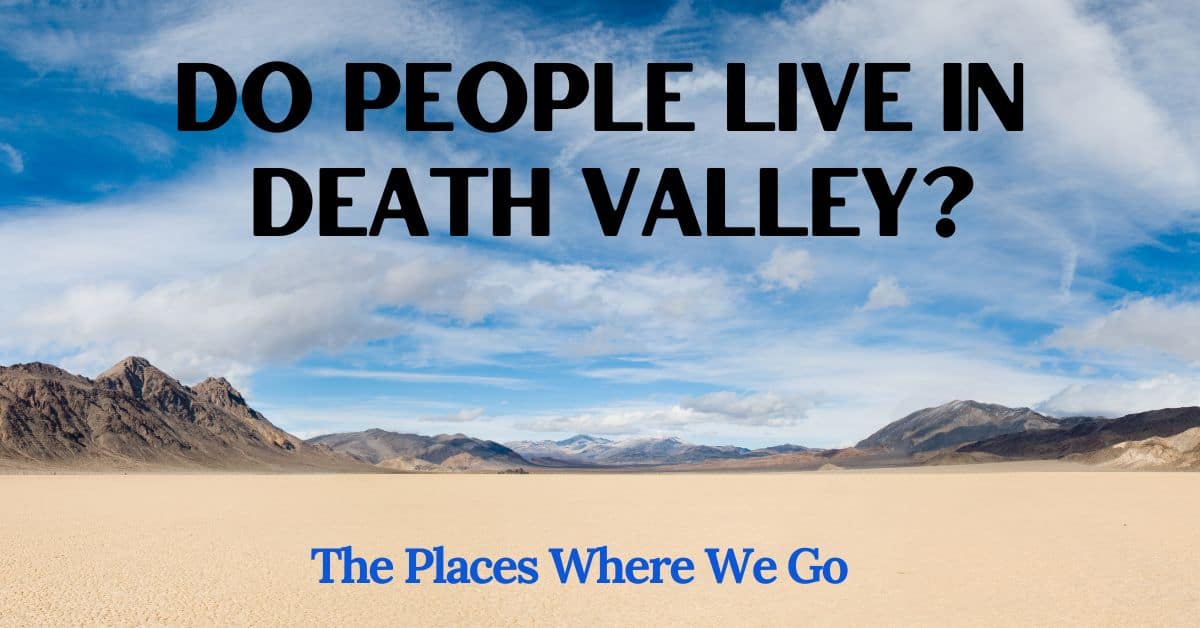
Death Valley National Park is a land of superlatives. It holds the record for the highest air temperature ever recorded on Earth, a staggering 134°F (56.7°C) set in 1913. Its lowest point, Badwater Basin, sits 282 feet (86 meters) below sea level, making it the lowest elevation in North America. Annual rainfall is minimal, often less than two inches, contributing to an arid landscape that supports unique flora and fauna adapted to drought. These extreme conditions naturally raise questions about human habitation. The isolation is also a significant factor; major population centers are hours away, adding to the logistical challenges of daily life. The surrounding mountain ranges, such as the Panamint Mountains and the Sierra Nevada, create a rain shadow effect, intensifying the aridity and heat within the valley. Yet, even amidst such harshness, life finds a way to persist and even thrive, showcasing the incredible resilience of both nature and humanity. The vast, open expanses offer an unparalleled sense of solitude, a key draw for many visitors and even some residents.
Who Calls Death Valley Home? Permanent Residents and Park Staff
Despite the challenging environment, a small but dedicated community does indeed reside permanently within Death Valley National Park. The majority of these permanent residents are associated with the National Park Service or the essential services that support the park’s operations and its significant tourist infrastructure. Key residential hubs within the park are centered around areas like Furnace Creek and Stovepipe Wells.
In Furnace Creek, the primary administrative and visitor services hub, a small village exists. This community includes park rangers, administrative staff, maintenance workers, and employees of the commercial concessions that operate hotels, restaurants, and general stores. These individuals and their families often live in park housing, contributing to a close-knit community that shares the unique challenges and rewards of living in such an iconic location. Their work is vital for maintaining the park, ensuring visitor safety, and providing essential services. Daily life for these residents involves careful planning, especially concerning supplies and access to specialized services often found in larger towns outside the park, like Beatty in Nevada or Pahrump, also in Nevada. They experience the raw beauty of the desert daily, from incredible stargazing to stunning sunrises over the Mojave Desert. Their children attend small, specialized schools within the park or are homeschooled, fostering a unique upbringing connected deeply to nature. While not large in number, this permanent population forms the backbone of human presence in Death Valley, ensuring its continued accessibility and preservation for future generations.
Tourism and Temporary Stays: A Vibrant, Seasonal Presence
Beyond the small cohort of permanent residents, Death Valley experiences a dynamic and substantial human presence driven by tourism. Millions of visitors flock to the park annually, transforming it into a bustling, albeit spread-out, destination during the cooler months. This influx necessitates a comprehensive network of accommodation and services, which in turn supports a significant seasonal workforce.
Accommodating Visitors: Hotels, Resorts, and Campgrounds
The tourism industry is the lifeblood of human activity in Death Valley. To cater to the diverse needs of travelers, the park offers a range of accommodation options, from luxurious resorts to rustic campgrounds. The most prominent lodging facilities are concentrated in Furnace Creek and Stovepipe Wells.
In Furnace Creek, visitors can choose to stay at The Oasis at Death Valley, a premier resort complex. This includes the historic Inn at Death Valley, a four-diamond oasis offering upscale amenities, spring-fed pools, fine dining, and stunning views. Built in the 1920s, the Inn provides a taste of luxury amidst the desert wilderness, making it a destination in itself for those seeking comfort and elegance. Adjacent to it is The Ranch at Death Valley, a more family-friendly option with a general store, multiple dining choices, a golf course (one of the lowest on Earth), and spacious rooms, catering to a wider range of budgets and preferences. The Oasis at Death Valley represents a significant investment in hospitality, providing essential services and a comfortable base for exploring the park.
Further north, at Stovepipe Wells, the Stovepipe Wells Village Hotel offers a more rustic, authentic Death Valley experience. It features a general store, a saloon, and a restaurant, providing travelers with a convenient stop along their journey. Its location is ideal for accessing iconic sites like the Mesquite Flat Sand Dunes.
For those preferring a more immersive outdoor experience, Death Valley National Park offers several campgrounds, ranging from developed sites with amenities to primitive backcountry camping. These options provide budget-friendly accommodation and allow visitors to truly connect with the natural landscape, whether under a blanket of stars or waking to the quiet dawn of the desert. These facilities, whether luxury resorts or simple campsites, are crucial for sustaining the thousands of temporary residents who visit the park each year.
The Rhythms of Seasonal Work
The robust tourism industry in Death Valley creates a substantial demand for seasonal workers. These individuals, often coming from various parts of the United States or even internationally, live and work within the park for several months, typically during the peak tourist season from late fall to early spring when temperatures are more moderate. They fill roles in hotels, restaurants, retail shops, and park services, from front-desk staff to chefs, housekeepers, and tour guides.

For many, a seasonal job in Death Valley is more than just employment; it’s an adventure and a unique lifestyle choice. Employees often live in staff housing provided by the concessions, forming tight-knit communities. They face the challenges of remote living but also reap the benefits of being immersed in an extraordinary natural environment. This transient population brings a vibrant, ever-changing energy to the park. While they may not be permanent residents in the traditional sense, their presence is vital to the functioning of the park’s visitor services. They are an integral part of “people living” in Death Valley for significant portions of the year, contributing to the local economy and enriching the visitor experience. These seasonal rhythms highlight the adaptive nature of human presence, aligning with the opportunities presented by the environment.
A Rich Tapestry of Human History and Persistence
The story of human presence in Death Valley extends far beyond modern tourism and park administration. For millennia, indigenous peoples have thrived here, and later, various waves of settlers sought fortune in its rugged terrain. This history adds layers to the understanding of who has lived, and continues to live, in this extreme landscape.
Indigenous Roots: The Timbisha Shoshone
Long before it was designated a national park or even given its ominous name, Death Valley was the ancestral homeland of the Timbisha Shoshone Tribe. For thousands of years, the Timbisha Shoshone people developed an intricate understanding of the valley’s resources and adapted their lifestyle to its demanding climate. They skillfully utilized seasonal resources, moving between different elevations to hunt game, gather seeds, and access water sources. Their knowledge of the land allowed them to not just survive but flourish, employing sophisticated techniques for food preservation and shelter construction.
Today, the Timbisha Shoshone Tribe maintains a vibrant presence within the park. In 2000, legislation formally recognized their ancestral lands and established a tribal reservation within Death Valley National Park, primarily located near Furnace Creek. This makes them the only federally recognized tribe with a reservation fully contained within a national park. The Timbisha Shoshone people are permanent residents, actively preserving their cultural heritage, language, and traditional practices while engaging with the park’s management. Their enduring connection to Death Valley represents a testament to human resilience and provides a vital link to the deep history of human habitation in this remarkable place. Their presence underscores that for some, Death Valley is not just a destination but an ancestral home, a place of profound cultural and spiritual significance.
Mining Booms and Ghost Towns
The 19th and early 20th centuries brought different kinds of human activity to Death Valley: the lure of mineral wealth. The discovery of gold, silver, and particularly borax sparked several booms that saw temporary settlements spring up across the valley and its surrounding mountains. Miners, prospectors, and entrepreneurs flocked to the region, establishing towns like Rhyolite Ghost Town (just outside the park’s current boundary in Nevada), Skidoo Ghost Town, and Leadfield Ghost Town. These towns, though often short-lived due to the boom-and-bust nature of mining, housed thousands of people.
These historical populations faced immense hardships, including extreme temperatures, scarce water, and difficult transportation. The iconic “20 Mule Teams” that hauled borax out of the valley became a symbol of this era’s incredible feats of engineering and endurance. While most of these settlements are now preserved as ghost towns and historical landmarks, their decaying structures and abandoned equipment serve as poignant reminders of the people who once lived and worked in Death Valley. They reflect a significant period of human endeavor and the relentless pursuit of resources, leaving an indelible mark on the landscape and its human story. Visiting these sites today offers a captivating glimpse into a bygone era of frontier life and the cyclical nature of human habitation in challenging environments, where communities could emerge rapidly and vanish just as quickly.
The Lifestyle of Death Valley: Challenges and Charms
Living or extensively visiting Death Valley is undeniably unique. It presents a distinct set of challenges, from logistical hurdles to environmental adaptations, but it also offers unparalleled experiences and a profound connection to nature that few places can match.
Navigating Daily Life in the Desert
For permanent and seasonal residents, daily life in Death Valley requires a level of preparedness and adaptation not typically found in urban or even suburban environments. The most immediate concern is water; though spring-fed sources exist, meticulous management and conservation are paramount. All supplies, from groceries to building materials, must be transported in from distant towns like Pahrump or Lone Pine in California. This means fewer choices, higher prices, and the need to plan purchases well in advance. Access to specialized medical care, schools, and entertainment options is also limited, often requiring significant travel. The heat, especially during the summer months, dictates daily routines, with outdoor activities often restricted to early mornings or evenings. Vehicles must be robust and well-maintained to handle the extreme conditions and vast distances.
Despite these challenges, a strong sense of community thrives among the residents. They share a unique bond forged by shared experiences and mutual reliance in a remote setting. Life here fosters self-sufficiency, resourcefulness, and a deep appreciation for the simple things, creating a lifestyle that, while demanding, is also incredibly rewarding for those who embrace it. The silence of the desert, the clarity of the night sky, and the raw beauty of the landscape become integral parts of their daily existence.

Experiences Beyond the Heat: Attractions and Activities
While the heat is Death Valley’s most famous attribute, the park offers a staggering array of attractions and activities, particularly during the cooler winter months, which draw visitors and provide a unique quality of life for residents. The diverse landscape includes towering sand dunes, colorful badlands, vast salt flats, and rugged canyons.
Visitors can explore iconic viewpoints like Dante’s View, offering panoramic vistas of Badwater Basin and the surrounding mountains, or Zabriskie Point, famous for its eroded, undulating hills. Hiking opportunities abound, from easy strolls across the Mesquite Flat Sand Dunes to challenging treks through Golden Canyon or Mosaic Canyon. The geological wonders are endless, including the otherworldly patterns of the salt flats at Badwater Basin and the volcanic formations of Ubehebe Crater. History buffs can explore the remnants of mining operations, such as Harmony Borax Works or the enigmatic Scotty’s Castle (currently undergoing extensive restoration).
For residents and long-term visitors, the lack of light pollution provides some of the best stargazing opportunities on Earth, earning Death Valley National Park International Dark Sky Park status. Photography, birdwatching (surprisingly diverse due to small oases), and simply marveling at the unique desert flora and fauna are popular pastimes. The “lifestyle” of Death Valley, therefore, is one intimately connected with its raw, majestic environment, offering a profound sense of awe and a constant reminder of nature’s power and beauty. The vibrant tourism sector ensures that amenities and guides are available for those who wish to explore responsibly, making it a dream destination for adventurers and nature enthusiasts alike.
In conclusion, the answer to “Do people live in Death Valley, California?” is a resounding yes, albeit with many caveats. While it’s not a densely populated area, it is far from uninhabited. A small, permanent community of park staff and their families, along with the resilient Timbisha Shoshone Tribe, call this extraordinary place home year-round. They navigate its extreme conditions with a blend of ingenuity, community spirit, and a deep appreciation for their unique surroundings. Furthermore, a substantial seasonal workforce supports the vibrant tourism industry, which brings hundreds of thousands of temporary residents—visitors and adventurers—to the park annually. From the luxurious accommodations of The Oasis at Death Valley to the stark beauty of its numerous campgrounds, Death Valley is equipped to host and enchant those who venture into its heart. The echoes of past mining booms, visible in its ghost towns, and the ancient legacy of its indigenous inhabitants, further attest to a long and complex history of human persistence. Death Valley stands as a powerful testament to the adaptability of human beings, demonstrating that even in the most formidable environments, life—in its many forms—can and does endure. It invites travelers not just to witness its extremes, but to experience the profound stories of those who have made, and continue to make, a life within its stark, captivating beauty.