
The question of whether a passport is required to visit Puerto Rico is a common one, especially for travelers from the United States seeking an accessible escape to a Caribbean paradise. The simple answer, for U.S. citizens and permanent residents, is no. Puerto Rico is a U.S. territory, meaning that travel between the mainland United States and Puerto Rico is considered domestic travel. This offers an unparalleled level of convenience, allowing millions to experience the island’s vibrant culture, stunning natural beauty, and historical richness without the hassle of international travel requirements. For those not holding U.S. citizenship, however, the standard international entry protocols apply, necessitating a valid passport and potentially a visa, just as they would for entry into any other part of the United States.
This unique status makes Puerto Rico an incredibly appealing destination for American travelers. It eliminates the need for passport applications, renewals, or the anxiety associated with international border crossings. Imagine being able to immerse yourself in a distinct culture, enjoy world-class beaches, explore ancient fortresses, and hike through a tropical rainforest, all while benefiting from the familiarity of using the U.S. dollar (USD) and English as a widely spoken language. This article will delve into the specifics of travel requirements, explore the myriad attractions that make Puerto Rico a must-visit destination, and provide practical advice to help you plan an unforgettable trip. From the cobblestone streets of Old San Juan to the bioluminescent bays of Vieques, Puerto Rico offers an exotic adventure that feels wonderfully close to home.
Navigating Travel Requirements for Puerto Rico
Understanding the specific travel documentation required for your trip to Puerto Rico is the first step in planning a seamless journey. The requirements differ significantly depending on your citizenship status, primarily distinguishing between U.S. citizens and international visitors. This section clarifies these distinctions, ensuring you arrive prepared and ready to enjoy your island getaway.
For U.S. Citizens: The Ease of Domestic Travel
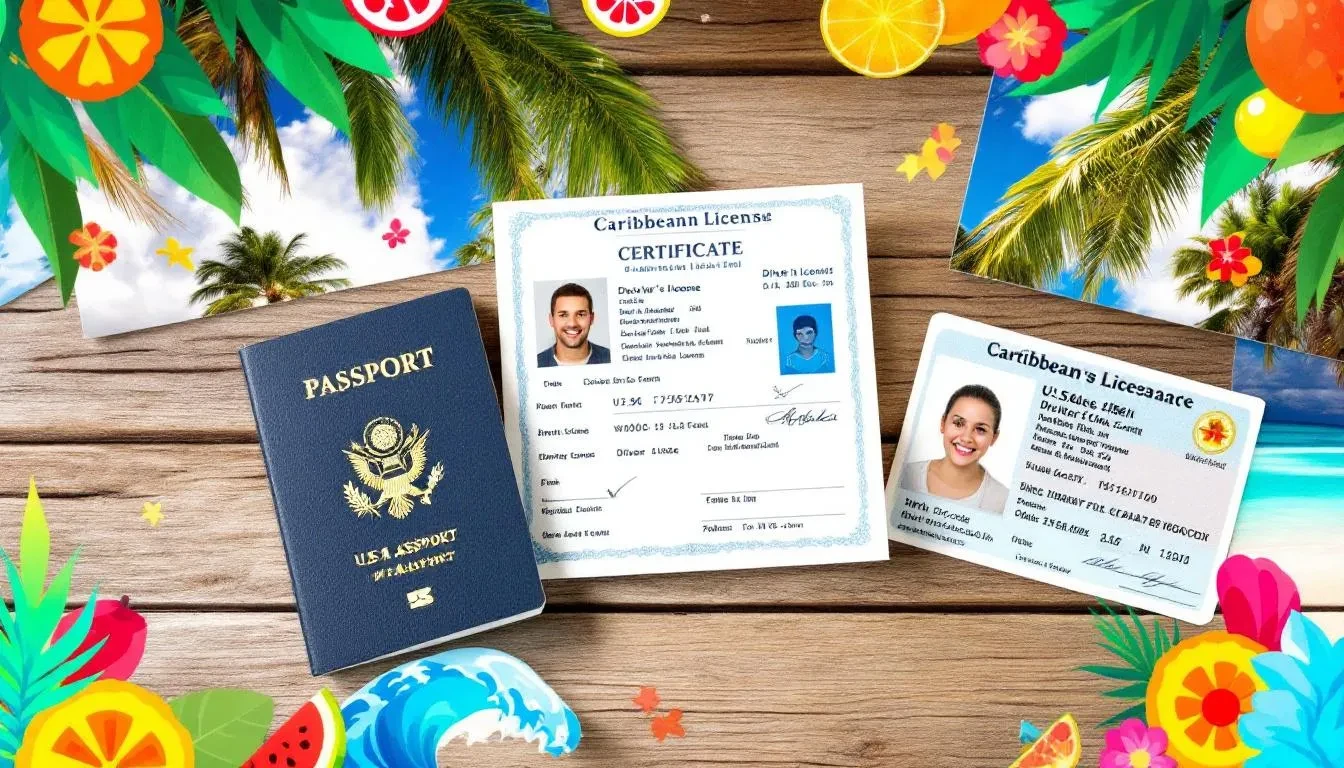
As a U.S. territory, Puerto Rico falls under the same travel regulations as any of the 50 states. This means that U.S. citizens and permanent residents do not need a passport to enter or exit Puerto Rico. When flying from the mainland United States to Puerto Rico, you will only need a valid, government-issued photo identification, such as a state-issued driver’s license or a non-driver ID card, a U.S. military ID, or an enhanced driver’s license. For air travel, the Transportation Security Administration (TSA) requires travelers 18 and older to present a compliant ID at airport checkpoints. This simplifies the travel process immensely, removing the need for international customs inspections, currency exchanges (as the official currency is the U.S. dollar), and the concern over international roaming charges for most major U.S. phone carriers.
Cruises that start and end in the same U.S. port (known as “closed-loop” cruises) often include stops in Puerto Rico. For U.S. citizens on these cruises, a passport is typically not required; a birth certificate and government-issued photo ID are usually sufficient. However, always double-check with your cruise line, as policies can vary, and having a passport is always recommended for international travel, even if not strictly required, as it can expedite unexpected situations or emergencies. The seamless nature of travel for U.S. citizens to Puerto Rico makes it an ideal destination for spontaneous getaways or for those looking for an “international” experience without the complexities.
For International Travelers: Standard Entry Protocols Apply
For individuals who are not U.S. citizens or permanent residents, the entry requirements for Puerto Rico are identical to those for entering the mainland United States. This means a valid passport from your country of origin is absolutely necessary. Additionally, depending on your nationality, you may also need a U.S. visa or be eligible for entry under the Visa Waiver Program (VWP) through an approved Electronic System for Travel Authorization (ESTA). Travelers from countries participating in the VWP can stay for up to 90 days for tourism or business purposes without obtaining a visa, provided they have an approved ESTA.
It is crucial for international visitors to ensure all their documentation is up-to-date and compliant with U.S. immigration laws well in advance of their travel dates. The process for obtaining a visa or ESTA can take time, so planning ahead is key to avoiding any last-minute complications. Upon arrival in Puerto Rico, international travelers will go through U.S. Customs and Border Protection (CBP) procedures, just as they would at any international airport on the mainland. This includes presenting your passport and any required visa or ESTA approval. Familiarizing yourself with these requirements beforehand will ensure a smooth entry and allow you to fully enjoy all that this captivating island has to offer.
Beyond the Passport: Preparing for Your Puerto Rico Adventure
While the passport question is paramount, preparing for your trip to Puerto Rico extends beyond just documentation. To truly maximize your experience, understanding the local climate, what to pack, and having a grasp of the cultural nuances can transform a good trip into an extraordinary one. This section focuses on these essential preparations, offering insights to help you plan a comfortable and enriching visit.
What to Pack and When to Visit
Puerto Rico boasts a tropical climate, characterized by warm temperatures year-round, high humidity, and distinct wet and dry seasons. The average temperature hovers around 80°F (27°C) throughout the year, making it an ideal destination for those seeking sun and warmth. The dry season, generally from December to May, is considered the best time to visit. During these months, you can expect less rain, lower humidity, and slightly cooler temperatures, which are perfect for exploring the island’s attractions and enjoying its beaches. The wet season, from June to November, brings more rainfall and coincides with hurricane season, with the peak months typically being August and September. While travel during the wet season can still be enjoyable, be prepared for more frequent showers, and it’s always wise to monitor weather forecasts closely if traveling during this period.
When it comes to packing, think light and comfortable. Essential items include lightweight clothing made from breathable fabrics such as cotton or linen, swimwear, a wide-brimmed hat, sunglasses, and reef-safe sunscreen to protect both your skin and the delicate marine ecosystems. Comfortable walking shoes are a must for exploring the cobblestone streets of Old San Juan or hiking in El Yunque National Forest. If you plan on visiting upscale restaurants or enjoying the nightlife, a smart casual outfit would be appropriate. Don’t forget bug repellent, especially if you plan to venture into forested areas or visit the bioluminescent bays at dusk. A light rain jacket or umbrella can also be useful, even during the dry season, as tropical showers can be sporadic. Lastly, remember your camera to capture the stunning landscapes and vibrant moments!
Understanding Local Culture and Language
Puerto Rico’s culture is a rich tapestry woven from Taíno (indigenous), Spanish, and African influences, blended with a unique American overlay due to its territorial status. This fusion creates a vibrant and distinct identity, evident in its music, dance, cuisine, and traditions. The official languages of Puerto Rico are Spanish and English. While Spanish is the dominant language spoken by the majority of the population, especially outside of the major tourist hubs, English is widely understood and spoken, particularly in tourist areas, hotels, and businesses. You’ll find that most signs are bilingual, and service industry professionals are generally proficient in English.
However, making an effort to learn a few basic Spanish phrases, such as greetings (Hola, Buenos Días), polite expressions (Por favor, Gracias), and asking for directions, will undoubtedly enhance your interactions with locals and show respect for the island’s cultural heritage. Puerto Ricans are known for their warmth, hospitality, and lively spirit (known as alegría). Engaging with the local culture means embracing spontaneity, enjoying leisurely meals, and perhaps even trying a few salsa steps. The island’s music, from salsa and bomba to plena, is an integral part of daily life, filling the air with infectious rhythms. Don’t be shy to join in local celebrations, explore street art, or simply observe the vibrant street life to truly connect with the heart of Puerto Rico.
Discovering Puerto Rico: A Jewel of the Caribbean
Once your travel preparations are complete, the real excitement begins: exploring the incredible diversity and beauty of Puerto Rico. This island gem offers an astounding array of experiences, catering to every type of traveler, from history buffs and nature lovers to foodies and luxury seekers. Its unique blend of historical significance, ecological wonders, and dynamic cultural scene truly sets it apart.
Iconic Landmarks and Natural Wonders
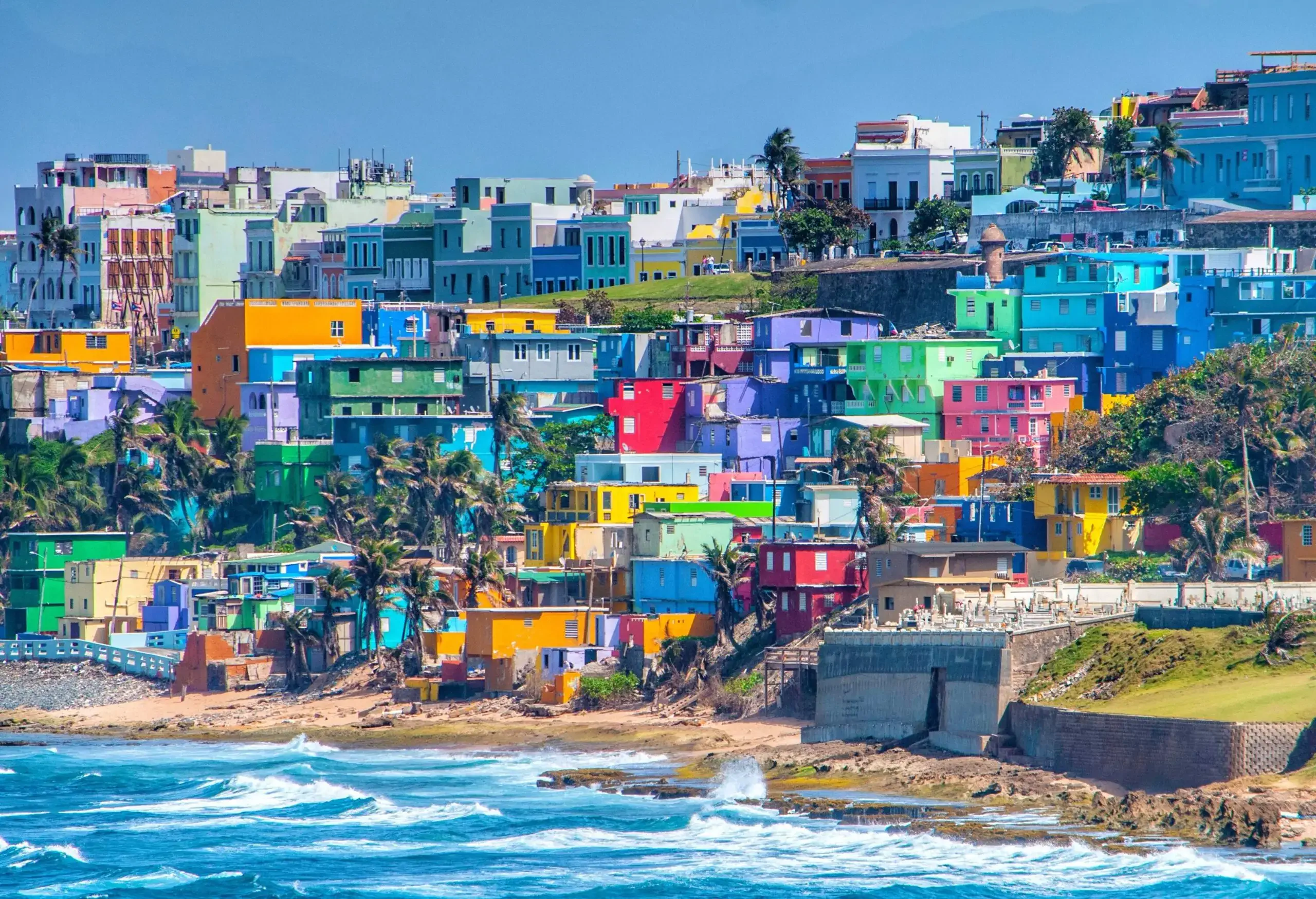
Puerto Rico is a treasure trove of iconic landmarks and breathtaking natural wonders. The historic district of Old San Juan, a UNESCO World Heritage Site, is a must-visit. Its vibrant, pastel-colored colonial buildings, narrow cobblestone streets, and grand fortresses transport you back in time. Explore the massive walls of El Morro (officially Castillo San Felipe del Morro) and Castillo San Cristóbal, which once defended the city from invaders, offering panoramic views of the Atlantic Ocean. Wander through Plaza de Armas, visit San Juan Bautista Cathedral, and discover charming boutiques and art galleries.
Beyond the urban charm, Puerto Rico’s natural landscape is equally captivating. El Yunque National Forest, the only tropical rainforest in the U.S. National Forest System, invites adventurers to hike its lush trails, discover hidden waterfalls like La Mina Falls, and marvel at its unique biodiversity. For a truly magical experience, visit one of Puerto Rico’s three bioluminescent bays – Mosquito Bay in Vieques (considered one of the brightest in the world), Laguna Grande in Fajardo, or La Parguera in Lajas. Kayaking through these waters at night, watching the microscopic organisms illuminate with every paddle stroke, is an unforgettable spectacle. The island of Culebra is home to Flamenco Beach, consistently ranked among the world’s best beaches, with its powdery white sand and turquoise waters perfect for swimming and snorkeling.
Culinary Delights and Vibrant Nightlife
Puerto Rican cuisine is a vibrant fusion of flavors, reflecting its rich history and cultural influences. It’s often described as cocina criolla, a blend of Spanish, African, and Taíno cooking traditions. No visit to Puerto Rico is complete without trying mofongo, a delicious dish made from fried plantains mashed with garlic, olive oil, and pork cracklings (chicharrón), often served with various fillings like shrimp, chicken, or beef. Other must-try dishes include lechón (slow-roasted pork), pasteles (similar to tamales), arroz con gandules (rice with pigeon peas), and bacalaítos (cod fritters). For dessert, indulge in flan or tembleque.
The island is also famous for its rum production, and a visit to a distillery like Casa Bacardi offers fascinating insights into the rum-making process and, of course, tastings. Puerto Rico is the birthplace of the piña colada, so be sure to try this refreshing cocktail at its origin. When the sun sets, Puerto Rico transforms with a vibrant nightlife, especially in San Juan. From salsa clubs in Old San Juan to chic lounges in Condado and Isla Verde, there’s entertainment for every taste. Experience live music, dance to intoxicating rhythms, and enjoy the lively atmosphere that permeates the island after dark. Local festivals and street parties (fiestas patronales) are also common, offering an authentic glimpse into Puerto Rican revelry.
Accommodation Options for Every Traveler
Puerto Rico offers a diverse range of accommodation options to suit every budget and travel style. Whether you’re seeking opulent luxury, a charming boutique experience, or budget-friendly stays, you’ll find the perfect place to rest your head.
For those dreaming of an indulgent escape, Puerto Rico boasts world-class luxury resorts. The Ritz-Carlton Reserve Dorado Beach on the north coast offers unparalleled beachfront elegance, private plunge pools, and exquisite dining experiences. Similarly, the St. Regis Bahia Beach Resort, nestled between the El Yunque National Forest and the ocean, provides a serene and sophisticated retreat with championship golf courses and a pristine private beach. These resorts often come equipped with full-service spas, multiple swimming pools, and exclusive amenities that promise a pampering stay.
If you prefer a more intimate and culturally immersive experience, boutique hotels are abundant, especially within the historic walls of Old San Juan. The iconic Hotel El Convento, a former Carmelite nunnery dating back to 1646, combines colonial charm with modern comforts, offering a unique blend of history and luxury. These smaller establishments often provide personalized service and are ideally located for exploring local attractions on foot.
For families, groups, or those seeking more space and flexibility, vacation rentals, including apartments, villas, and guesthouses, are popular choices. Websites like Airbnb and VRBO list numerous properties across the island, from beachfront condos in Isla Verde to secluded mountain homes. These options often come with kitchens, allowing for self-catering and a more local living experience.
Budget-conscious travelers also have plenty of choices, including hostels in San Juan, smaller guesthouses, and independent hotels that offer clean and comfortable accommodations without the hefty price tag. Areas like Loíza or inland towns often present more affordable alternatives while still providing access to Puerto Rico’s charm. Regardless of your preference, booking in advance, especially during peak season, is always recommended to secure your ideal stay.
Planning Your Perfect Puerto Rico Getaway
With the passport question settled and a taste of Puerto Rico’s allure, it’s time to fine-tune the details of your trip. Strategic planning in terms of budgeting, transportation, and safety will ensure a smooth and enjoyable experience, allowing you to focus on creating lasting memories.
Budgeting and Saving Tips
A trip to Puerto Rico can be tailored to various budgets, from luxurious escapes to more economical adventures. Airfare is often the largest variable cost; consider flying during the off-peak season (late spring or early fall, avoiding hurricane season) for better deals. Booking flights and accommodations well in advance can also lead to significant savings. Comparing prices across different booking platforms for hotels, resorts, or vacation rentals is crucial. For accommodations, consider staying outside the immediate tourist hotspots like Old San Juan or Condado for potentially lower rates, or explore options like guesthouses and hostels.
When it comes to dining, balancing meals at upscale restaurants with casual local eateries (fondas) and food trucks can help manage expenses. Seek out chinchorros, roadside kiosks known for delicious and affordable fritters (frituras) and local specialties. Taking advantage of happy hour specials and cooking some of your meals if your accommodation has a kitchen can further reduce food costs. For activities, many of Puerto Rico’s best experiences, such as exploring beaches, hiking in El Yunque National Forest, or simply wandering through Old San Juan, are free or low-cost. Look for combo tickets for attractions or consider purchasing a tourist pass if you plan to visit multiple paid sites. Lastly, set a daily budget and track your spending to stay on track.
Safety and Practical Advice
Puerto Rico is generally a safe destination for tourists, but like any travel, it’s wise to exercise common sense and awareness. Stick to well-lit and populated areas, especially at night. Keep valuables out of sight, and avoid displaying large amounts of cash or expensive jewelry. Be aware of your surroundings, and if driving, avoid leaving belongings visible in your parked car. Emergency services can be reached by dialing 911, just as in the mainland U.S..
Transportation on the island can vary. In San Juan and other major towns, taxis and ride-sharing services like Uber are readily available. However, to explore the more remote areas and truly discover the island’s hidden gems, renting a car is highly recommended. Roads are generally well-maintained, though some rural routes can be narrow and winding. Be prepared for aggressive driving habits from some locals, and be mindful that distances can take longer than anticipated due to winding roads or traffic. Always use GPS, and remember that road signs are in Spanish, though many use international symbols.
Healthcare facilities in Puerto Rico are modern and comprehensive, with hospitals and clinics found throughout the island. Pharmacies are also widespread. For U.S. citizens, health insurance policies often cover services in Puerto Rico, but it’s always best to confirm with your provider beforehand. Travelers should also consider purchasing travel insurance for added peace of mind. Staying hydrated is important in the tropical climate, and drink bottled water if you have a sensitive stomach, although tap water is generally considered safe in most urban areas. Finally, stay connected by ensuring your cell phone plan works in Puerto Rico (most major U.S. carriers treat it as domestic service), or purchase a local SIM card upon arrival.
In conclusion, for U.S. citizens and permanent residents, the answer to “Do you need a passport to go to Puerto Rico?” is a resounding no, making this vibrant U.S. territory an effortlessly accessible destination for a taste of international flair without the traditional international travel hurdles. For others, standard U.S. entry requirements apply. With its captivating history, stunning natural landscapes, delicious cuisine, and warm hospitality, Puerto Rico promises an enriching and unforgettable travel experience. So pack your bags, grab your ID, and get ready to discover the “Island of Enchantment.”
LifeOutOfTheBox is a participant in the Amazon Services LLC Associates Program, an affiliate advertising program designed to provide a means for sites to earn advertising fees by advertising and linking to Amazon.com. Amazon, the Amazon logo, AmazonSupply, and the AmazonSupply logo are trademarks of Amazon.com, Inc. or its affiliates. As an Amazon Associate we earn affiliate commissions from qualifying purchases.