
The vibrant cityscape of Seattle, nestled between Puget Sound and the Cascade Mountains, offers an irresistible allure to travelers and locals alike. From the bustling Pike Place Market to the iconic Space Needle and the thriving tech hubs, the Emerald City promises unforgettable experiences. However, navigating its urban sprawl often presents a familiar challenge for anyone behind the wheel: parking. And for many, this challenge can culminate in a dreaded slip on the windshield – a private parking ticket, often issued by companies like Diamond Parking.
The question “Do we need to pay Diamond Parking tickets in Seattle?” is a common one, sparking debates in online forums and causing genuine distress for visitors and residents. Unlike municipal parking violations issued by the City of Seattle, which are governmental fines with clear legal repercussions, tickets from private companies like Diamond Parking operate under a different legal framework. Understanding this distinction is crucial for anyone planning their trip, choosing their accommodation, or simply living their daily life in Washington’s largest city. This comprehensive guide will delve into the intricacies of private parking tickets, the potential consequences of ignoring them, and practical strategies for dealing with them, ensuring your travel and tourism experiences in Seattle remain as smooth as possible.

Understanding Private Parking: The Case of Diamond Parking in Seattle
To properly address whether to pay a Diamond Parking ticket, we first need to understand the nature of these tickets and how they differ from typical government-issued parking fines. This distinction is the cornerstone of making an informed decision.
Diamond Parking vs. City of Seattle Parking: A Crucial Distinction
When you park your car on a public street or in a city-owned garage in Seattle and receive a ticket, that violation is issued by the Seattle Department of Transportation. These are government-issued citations, enforced by municipal law, and come with a clear set of penalties if ignored. Failure to pay can lead to escalating fines, vehicle impoundment, registration blocks, and even civil judgments that could impact your driving record and credit if left unaddressed for long periods.
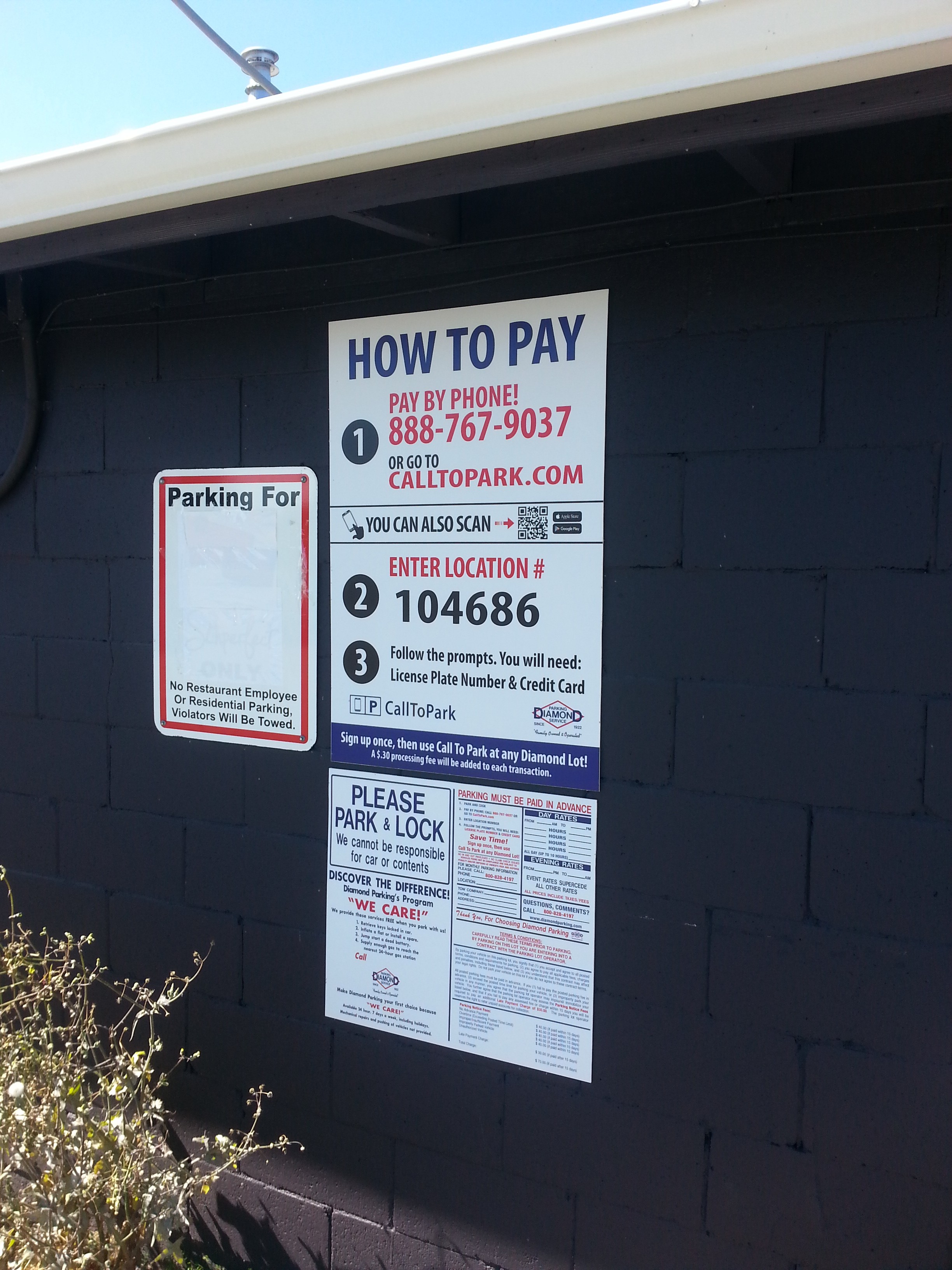
Diamond Parking, on the other hand, is a private entity. It manages parking lots and garages on private property, often for commercial buildings, retail centers, or private businesses throughout Seattle. When you park in a Diamond Parking lot, you are entering into a contractual agreement with the company. The terms of this contract are typically displayed on signs throughout the lot, outlining rules such as payment requirements, time limits, and prohibited actions. A Diamond Parking “ticket” is not a governmental fine but rather an invoice for a breach of this private contract. It’s similar to a bill you might receive for failing to pay for a service or violating terms of use. This is a critical legal difference that underpins how these tickets are (or are not) enforced. It doesn’t impact your driving record, nor does it typically fall under the jurisdiction of traffic courts.
The Legal Basis: Contract Law, Not Traffic Law
The legal underpinning of a private parking ticket from Diamond Parking is contract law. By parking in their lot, you are deemed to have accepted the terms and conditions prominently displayed. If you fail to pay the required fee, overstay your allotted time, or park incorrectly, you are breaching that contract. The “ticket” is essentially an invoice for damages incurred due to this breach, usually set at a fixed penalty amount.
While this means a Diamond Parking ticket isn’t a criminal offense or a traffic violation, it doesn’t mean there are no consequences. Private companies still have avenues to pursue payment. They can attempt to collect the debt through various means, escalating the issue if ignored. Understanding this private contract relationship is key to evaluating the risks and making an informed decision about how to proceed. It’s less about avoiding a legal precedent and more about avoiding a civil debt and the associated hassle. For visitors to Seattle, particularly those traveling from other states or countries, recognizing that private parking is a business transaction rather than a governmental punitive measure can help demystify the situation.
The Consequences of Ignoring a Diamond Parking Ticket
Given that a Diamond Parking ticket isn’t a municipal fine, many people wonder if they can simply ignore it. While the immediate consequences might not be as severe as ignoring a city-issued ticket, there are definite risks and potential complications that can arise, especially for repeat offenders or if the matter escalates.
Escalation and Debt Collection Agencies
One of the most common consequences of ignoring a private parking ticket is the escalation to a debt collection agency. Diamond Parking, like any private business, is motivated to recover its perceived losses. If you fail to pay the initial invoice, they will typically send reminder notices, often with increased penalty fees. If these go unpaid, they may then sell the debt to a third-party collection agency or hire one to pursue you.
Once a debt collector is involved, the situation becomes significantly more bothersome. Debt collection agencies are persistent and will use various methods to contact you, including phone calls and letters. While they cannot directly impact your driving record or have you arrested for unpaid parking, they can make your life quite inconvenient. They operate within specific legal boundaries, but their goal is to collect the debt, and they can be relentless. This can be particularly stressful for tourists who might receive notices long after they’ve returned home, or for locals who prefer to avoid constant badgering.
Potential Impact on Your Credit Score (and why it’s complicated)
The question of whether an unpaid Diamond Parking ticket can harm your credit score is nuanced. Generally, private parking tickets do not directly appear on your credit report. They are not like unpaid loans or credit card bills. However, if the debt is sent to a collection agency, and that agency reports to credit bureaus, it could potentially appear as a collection item on your credit report. This is not a guaranteed outcome, as many collection agencies do not bother reporting smaller debts like parking tickets. But the risk exists, and a collection item can certainly lower your credit score and remain on your report for several years, impacting your ability to secure future loans, housing, or even certain jobs.
For lifestyle choices like securing an apartment or purchasing a car, a negative mark on your credit could pose an unexpected hurdle. While the direct link is not as strong as other forms of debt, the possibility of it affecting your financial standing is a factor worth considering.
The Risk of Towing and Booting
Perhaps the most immediate and costly consequence of not addressing a Diamond Parking ticket, especially if you continue to park in their lots, is the risk of your vehicle being towed or “booted.” Private parking lot operators in Seattle and King County have the legal right to tow or immobilize vehicles that violate their posted terms. This right is derived from their ownership or lease of the property and the terms of service you agreed to by parking there.
If your car is towed, you will be responsible for the original parking fee (if applicable), the ticket amount, the towing fee, and daily storage fees, which can quickly add up to hundreds of dollars. Retrieving a towed vehicle is a significant hassle, often requiring a trip to an impound lot, proof of ownership, and cash payment for all accumulated fees. For travelers, this can be an absolute nightmare, disrupting travel plans, missing flights, and severely impacting the overall experience of visiting Seattle. Similarly, a boot (an immobilization device placed on your wheel) will prevent you from moving your vehicle until all outstanding fees, including the boot removal fee, are paid. This is often the primary enforcement mechanism for private lots with frequent users or long-term unpaid tickets.
Navigating Your Options: What to Do After Receiving a Ticket
Receiving a private parking ticket can be frustrating, but it’s important to remain calm and evaluate your options. There are several steps you can take, ranging from disputing the ticket to simply paying it, depending on the circumstances.
Reviewing the Ticket and Your Rights
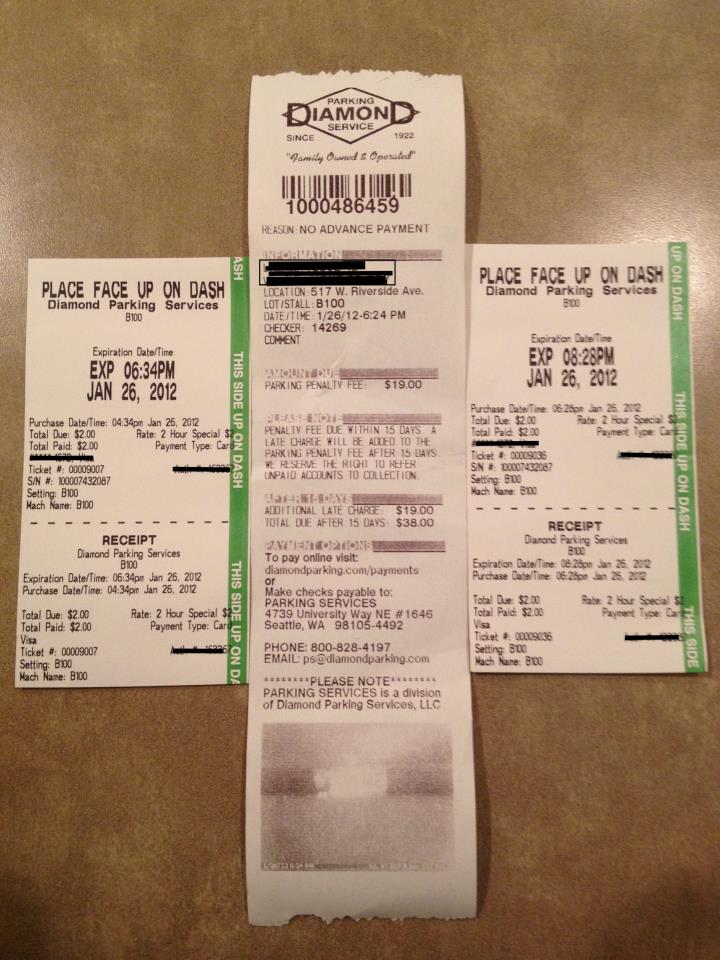
The first step after receiving a Diamond Parking ticket in Seattle is to carefully review all the information on the ticket itself.
- Date and Time: Are they accurate?
- Location: Does it correctly identify where you were parked?
- Violation: Is the reason for the ticket clearly stated (e.g., “no payment,” “overtime,” “parking outside marked space”)?
- Amount Due: What is the initial penalty?
- Payment Instructions: How and where can you pay or dispute?
- Signage: Crucially, check the parking lot for clear and conspicuous signage. Were the terms and conditions (including fees, time limits, and towing warnings) clearly posted at the entrance and throughout the lot? If the signage was inadequate, obscured, or misleading, you might have grounds for a dispute.
- Photos: If you believe the ticket is unjust, take photos of your car’s position, the lot’s signage, any payment machines, and anything else relevant to your case. This visual evidence can be invaluable.
Understanding your rights as a consumer is also important. While Diamond Parking operates on private property, they must still adhere to certain fair business practices and consumer protection laws in Washington state.
Disputing the Ticket: When and How
If you believe the ticket was issued in error or unjustly, you have the option to dispute it. Common grounds for dispute include:
- Unclear or Absent Signage: If the rules were not clearly posted or difficult to see.
- Machine Malfunction: If the payment machine was broken or failed to issue a receipt.
- Extenuating Circumstances: While less likely to succeed, some companies might consider genuine emergencies.
- Incorrect Information: If the ticket has errors regarding your vehicle, the date, or the time.
To dispute a Diamond Parking ticket, you’ll typically need to contact them directly, usually via their website or a mailing address provided on the ticket. It’s best to do this in writing, clearly stating your case, providing any evidence (like photos or receipts), and requesting a cancellation or reduction of the fine. Keep copies of all correspondence. Be polite but firm in your communication. While private parking companies are not obligated to honor every dispute, presenting a clear, well-supported case increases your chances of success. Many companies prefer to resolve disputes informally rather than escalate to collections or legal action.
Paying the Ticket: Weighing the Costs and Benefits
Sometimes, after reviewing the situation, paying the ticket is simply the most practical option. This is especially true if you genuinely violated the parking terms, if the amount is relatively low, or if you prefer to avoid the potential hassle of debt collectors or towing.
Benefits of paying:
- Peace of Mind: Eliminates the stress of potential future collections or vehicle impoundment.
- Avoid Escalation: Prevents the fine from increasing due to late fees or collection agency involvement.
- Simplicity: Often the quickest and easiest way to resolve the issue, particularly for visitors to Seattle who won’t be in the area long enough to dispute effectively.
Costs of paying:
- Financial Outlay: The obvious cost of the fine itself.
For many, particularly those on a budget travel plan, the initial fine might seem like an unwelcome expense. However, weighing this against the potential for higher fees (towing, storage, collection costs) and significant inconvenience, paying upfront can often be the more economically sensible and stress-free choice, allowing you to focus on enjoying Seattle’s many attractions.
Smart Parking Strategies for Travelers and Locals in Seattle
Regardless of the legal nuances, dealing with parking tickets is always an unwelcome disruption. For those exploring Seattle as a destination or living its dynamic lifestyle, adopting smart parking strategies can significantly reduce stress and help you avoid Diamond Parking tickets altogether.
Planning Ahead: Parking When Visiting Seattle’s Attractions
Seattle’s most popular landmarks and attractions, such as Pike Place Market, the Space Needle, the Museum of Pop Culture, and the Amazon Spheres, are concentrated in dense urban areas like Downtown Seattle and Belltown. Parking in these areas can be scarce and expensive.
- Research Parking Options: Before you even leave your hotel, use apps like SpotHero, Parkopedia, or even Google Maps to research available parking garages and lots near your desired attraction. Compare rates and read reviews.
- Understand Signage: Always take a moment to read all the parking signs, whether it’s a private lot or street parking. Look for time limits, hours of operation, payment requirements, and towing warnings.
- Pay Attention to Your Time: Set alarms on your phone to remind you when your parking is about to expire, especially if you’re engrossed in a museum or enjoying a meal.
- Use Payment Apps: Many city and private lots now use apps for payment, offering convenient extensions directly from your phone. Familiarize yourself with the popular ones in Seattle.
Being proactive about parking can save you both money and aggravation, ensuring your focus remains on the vibrant culture and unique experiences Seattle has to offer.
Choosing Accommodation with Parking in Mind
For travelers, your choice of accommodation can significantly impact your parking woes. When booking a hotel or resort in Seattle, particularly in areas like Downtown Seattle, Pioneer Square, or Belltown, investigate their parking options thoroughly.
- On-site Parking: Does the hotel offer its own parking garage? Is it self-park or valet?
- Cost: What are the daily parking fees? These can range from $30-$70+ per night at hotels like the Hyatt Regency Seattle or the Fairmont Olympic Hotel, so factor this into your overall budget travel or luxury travel calculations.
- Included Parking: Some accommodations, especially those slightly outside the immediate city center, might offer complimentary parking. This can be a significant saving for a longer stay.
- Nearby Options: If the hotel parking is too expensive, ask about nearby public garages or private lots and their rates.
For those planning an extended stay or relying on their car for excursions outside the city (e.g., to the Boeing Future of Flight Museum), selecting accommodation with convenient and affordable parking is a critical component of a stress-free trip.
Alternative Transportation and Parking Apps
Seattle offers a robust public transportation system and ample alternatives to driving, which can significantly reduce your need for parking.
- Public Transit: Utilize the Link Light Rail to travel from Sea-Tac Airport directly into Downtown Seattle, or take advantage of the extensive bus network. For exploring attractions like the Space Needle or Museum of Pop Culture, the Seattle Monorail provides a fun and convenient option from Westlake Center.
- Rideshares: Services like Uber and Lyft are readily available and can be a cost-effective choice for short distances or when parking is particularly challenging.
- Walking and Biking: Seattle is a walkable city in many areas, and biking is increasingly popular, especially with dedicated lanes and rental services.
- Parking Apps: Beyond helping you find a spot, some apps allow you to reserve and pay for parking in advance, ensuring you have a guaranteed space upon arrival. This foresight is invaluable in a busy city.
Embracing these alternatives not only helps you avoid parking tickets but also allows you to experience Seattle more authentically, soak in the local culture, and reduce your environmental footprint, aligning with a more sustainable lifestyle.
Conclusion: Making an Informed Decision
So, do you need to pay a Diamond Parking ticket in Seattle? The most honest answer is: it depends, but it’s generally advisable to address it. While these are not municipal fines that directly impact your driving record or carry immediate severe legal penalties, ignoring them comes with its own set of risks, including escalating fees, interaction with debt collection agencies, potential (though indirect) credit score impact, and most significantly, the costly inconvenience of towing or booting your vehicle.
For those exploring Seattle for its incredible destinations, vibrant tourism, and diverse lifestyle offerings, the last thing you want is a parking ticket to mar your experience. Making an informed decision, whether that’s to dispute an unjust ticket or to promptly pay a legitimate one, is always the best approach. More importantly, proactive parking strategies – researching ahead, choosing accommodation wisely, and leveraging Seattle’s excellent public transport – are your best defense against ever having to face this question. By being prepared and aware, you can ensure your visit to the Emerald City is filled with delightful memories, not parking woes.
LifeOutOfTheBox is a participant in the Amazon Services LLC Associates Program, an affiliate advertising program designed to provide a means for sites to earn advertising fees by advertising and linking to Amazon.com. Amazon, the Amazon logo, AmazonSupply, and the AmazonSupply logo are trademarks of Amazon.com, Inc. or its affiliates. As an Amazon Associate we earn affiliate commissions from qualifying purchases.