
The idea of getting paid simply for existing in a place sounds like a modern-day utopia, a dream particularly appealing to those seeking an escape from the relentless grind. When the question “Do you get paid for living in Alaska?” arises, it taps into a vein of curiosity that explores the unique economics and distinct lifestyle of the United States’ largest and most sparsely populated state. Often referred to as “The Last Frontier,” Alaska holds a mystique – a land of unparalleled natural beauty, extreme conditions, and a strong sense of independence. But is it truly a place where the government directly deposits funds into your bank account just for calling it home? The short answer is yes, in a way, through the Alaska Permanent Fund Dividend (PFD). However, this intriguing benefit is just one piece of a much larger, more complex puzzle that defines living, traveling, and thriving in this incredible part of the world.
For prospective residents and adventurous travelers alike, understanding Alaska’s financial landscape is crucial. It influences everything from the choice of accommodation – be it a cozy cabin, a luxurious Anchorage hotel, or a remote wilderness lodge – to the practicalities of planning a long-term stay or an unforgettable tourist experience. This article delves deep into the reality behind the “getting paid” myth, exploring the PFD, the high cost of living, economic opportunities, and how these factors shape the unique lifestyle and travel experiences available in Alaska.
The Allure of the Alaska Permanent Fund Dividend (PFD)
The notion of receiving an annual payout for simply residing in a state is undoubtedly one of Alaska’s’s most talked-about features, captivating the imaginations of many across the globe. This unique program, the Alaska Permanent Fund Dividend (PFD), is a testament to the state’s forward-thinking approach to wealth distribution, rooted in its abundant natural resources. It’s the primary reason the question “Do you get paid for living in Alaska?” often receives a qualified “yes.”
Understanding the PFD: Who Qualifies and What It Entails
At its core, the Alaska Permanent Fund is an investment fund established in 1976 through a constitutional amendment, initially capitalized by oil revenues. Its primary purpose is to manage and invest a portion of the state’s oil wealth for the benefit of all present and future Alaskans. The PFD is the annual payout from the fund’s earnings, distributed to eligible residents.
To qualify for the PFD, an individual must:
- Have been a resident of Alaska for an entire calendar year preceding the application date. This means establishing a physical presence and intent to remain indefinitely.
- Intend to remain an Alaskan resident indefinitely.
- Not claim residency in any other state or country.
- Not have been incarcerated or convicted of certain felony offenses during the qualifying period.
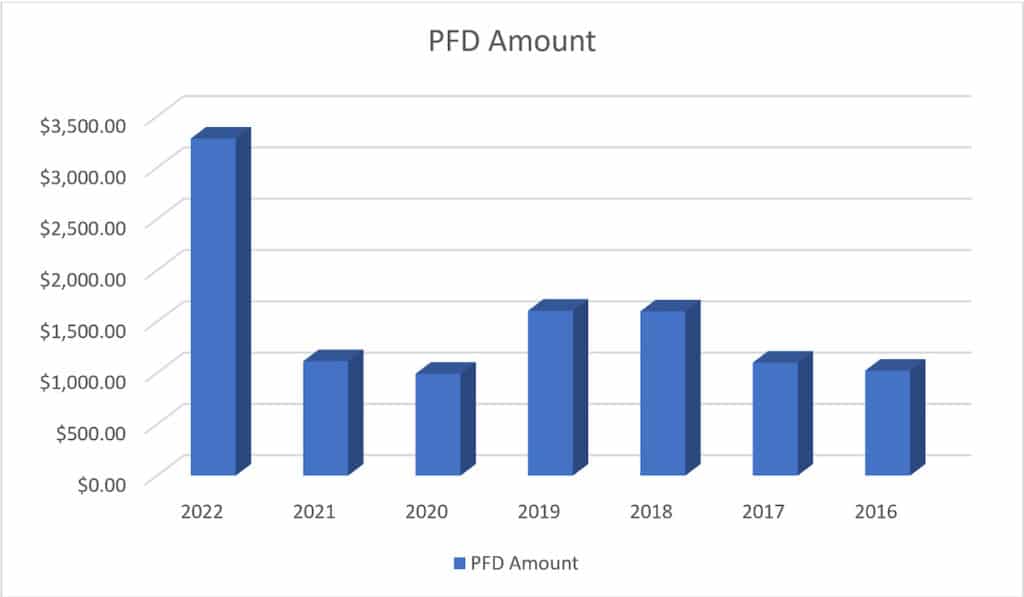
The amount of the dividend varies each year, determined by a complex formula that considers the Permanent Fund’s five-year average performance and the number of eligible applicants. In recent years, the dividend has fluctuated significantly, ranging from around $1,000 to over $3,000 per person. While not a massive sum for an individual, for a family of four, it can provide a substantial boost, potentially thousands of dollars annually. This financial injection can be a game-changer for many households, allowing them to cover essential expenses, save for the future, or even indulge in local travel and tourism experiences within the state.
The Economic Impact of the PFD on Alaskan Life
The PFD plays a multifaceted role in the Alaskan economy and the daily lives of its residents. It’s often viewed as a tangible benefit of citizenship, fostering a sense of shared ownership in the state’s prosperity.
- Stimulating Local Economies: When the PFD checks are distributed, local businesses often see a surge in activity. Residents spend their dividends on everything from groceries and clothing to home improvements, new vehicles, and domestic travel. This influx of cash directly supports local commerce, from small businesses in remote communities like Nome or Ketchikan to larger retail establishments in cities such as Fairbanks and Juneau.
- Financial Safety Net: For many low-income families and individuals, the PFD serves as a crucial financial safety net, helping to cover unexpected costs or bridge gaps in income. It can contribute to better housing stability, the ability to book accommodation for necessary travel, or even help budget for a long-term stay in a desired location within the state.
- Promoting Residency: While not the sole reason, the PFD is certainly an attractive incentive for individuals and families considering a move to Alaska. It adds a unique financial perk to the decision-making process, alongside the appeal of Alaska’s incredible natural environment and adventurous lifestyle.
- Political Debate: Despite its popularity, the PFD is frequently a subject of political debate, especially during times of fluctuating oil prices and state budget deficits. Decisions on its size and future impact state politics significantly, as it touches nearly every Alaskan household.
While the PFD is a tangible financial benefit, it’s essential to understand that it’s not a free ride. Living in Alaska comes with its own set of economic realities that can quickly offset the annual dividend for those unprepared.
Beyond the PFD: Navigating Alaska’s Unique Economic Landscape
While the Alaska Permanent Fund Dividend offers a unique financial incentive, it’s crucial to balance this benefit against the broader economic realities of living in “The Last Frontier.” Alaska’s economy is distinct, shaped by its remote location, challenging climate, and reliance on specific industries. These factors profoundly influence the cost of living, job opportunities, and overall lifestyle, which are vital considerations for anyone contemplating a move or extended visit.
The High Cost of Living: A Major Consideration
One of the most significant factors that potential residents must weigh is the exceptionally high cost of living in Alaska. While you might receive an annual dividend, you’ll likely spend significantly more on daily essentials compared to most other parts of the United States.
- Housing and Accommodation: Rental prices and home values, especially in major cities like Anchorage and Juneau, can be comparable to, or even higher than, those in many major urban centers in the lower 48 states. This extends to tourist accommodation as well; booking a hotel or a long-term apartment stay in Alaska often comes with a premium, reflecting the logistical challenges of construction and maintenance in such a remote environment. Options range from luxury resorts with breathtaking views to more budget-friendly motels, but the baseline cost is generally elevated.
- Groceries and Consumer Goods: Due to transportation costs, nearly all imported goods, including food, are significantly more expensive. Much of the produce and packaged goods must be shipped or flown in, driving up prices at local supermarkets. This means that budgeting for food is a substantial part of an Alaskan’s expenditure, often offsetting a portion of the PFD.
- Utilities and Fuel: Heating costs, especially during the long, cold winters, can be substantial. Electricity and internet services, particularly in more remote areas, also tend to be pricier. Gasoline and diesel prices are also elevated, impacting transportation costs for both residents and visitors traveling by car.
- Healthcare: Access to specialized medical care can be limited outside of major population centers, and costs can be higher, often requiring travel to other states for complex procedures.
Understanding these expenses is crucial for anyone considering a long-term stay or even just an extended trip. A robust budget is essential, whether you’re planning a year-long adventure or searching for suitable long-term accommodation.
Employment Opportunities and Tax Advantages
Despite the high cost of living, Alaska offers several economic advantages and unique employment opportunities that attract people to the state.
- Job Market: The job market in Alaska is heavily influenced by its natural resources and unique geography. Key industries include:
- Oil and Gas: A cornerstone of the Alaskan economy, offering high-paying jobs in exploration, extraction, and refining.
- Fishing and Seafood Processing: A robust industry, especially in coastal towns, with seasonal opportunities for commercial fishing and processing plant work.
- Tourism: A rapidly growing sector, particularly strong during the summer months, offering jobs in hotels, tour operations, cruise lines (e.g., along the Inside Passage), and hospitality across various destinations and attractions.
- Healthcare: As with many remote areas, there’s a consistent demand for healthcare professionals.
- Government and Education: Public sector jobs are stable, especially in larger cities.
- Construction: Ongoing infrastructure projects and housing needs provide consistent work.
- Tax Advantages: Alaska is one of a handful of states with no state income tax and no statewide sales tax. While some municipalities do levy local sales taxes (e.g., Juneau, Ketchikan), the absence of these major taxes at the state level can significantly boost residents’ disposable income. This tax-friendly environment, combined with the PFD, helps to mitigate some of the high living costs and makes the state an attractive option for those looking to maximize their earnings.
For those planning to move, researching specific job markets in cities like Anchorage, Fairbanks, or Juneau, or even remote industries, is crucial. The blend of the PFD, tax benefits, and niche job opportunities creates a unique economic environment that balances the challenges of its remote location.
Lifestyle and Tourism: Experiencing Alaska as a Resident and Visitor
The economic landscape of Alaska directly shapes the lifestyle of its residents and the experiences of its visitors. Beyond the financial benefits and costs, the state offers an unparalleled connection to nature and a distinct cultural fabric. For both those who call it home and those who travel thousands of miles to witness its grandeur, Alaska provides a truly unique blend of adventure, luxury, and raw wilderness.
Travel, Accommodation, and Iconic Alaskan Landmarks
Alaska’s vastness means that travel, whether for leisure or necessity, is a significant part of life. Residents often use their PFDs to fund local trips, exploring their own magnificent backyard. Tourists, drawn by the allure of the last frontier, come seeking adventure and natural wonders.
- Travel and Exploration: From scenic drives on the Alaska Highway to voyages along the Inside Passage, travel here is an experience in itself. The Alaska Railroad offers iconic routes connecting cities like Anchorage, Seward, and Fairbanks, providing unparalleled views of glaciers, wildlife, and pristine wilderness. Air travel, often by small plane, is essential for reaching remote communities and accessing wilderness lodges.
- Accommodation: The range of accommodation options in Alaska caters to every taste and budget, though prices reflect the state’s logistical challenges. In larger cities, you’ll find well-appointed hotels and suites, from major chains to boutique establishments. Resorts near national parks or famous attractions often combine luxury amenities with wilderness access. For a more authentic experience, cabins, lodges, and even glamping options are available, particularly popular for those seeking solitude near natural landmarks. Booking in advance, especially for peak summer travel, is crucial due to high demand. Long-term stay apartments are also an option for those looking to immerse themselves for several months.
- Landmarks and Attractions: Alaska is home to some of the world’s most spectacular natural landmarks.
- Denali National Park and Preserve: Home to Mount Denali, North America’s highest peak, offering incredible wildlife viewing and hiking.
- Glacier Bay National Park and Preserve: A UNESCO World Heritage site renowned for its tidewater glaciers and marine wildlife.
- Kenai Fjords National Park: Known for its dramatic coastal scenery, marine wildlife, and the Harding Icefield.
- The Northern Lights (Aurora Borealis): A breathtaking celestial display, best viewed during winter nights, particularly in the Arctic Circle region near Fairbanks.
- The Inside Passage: A network of waterways through archipelagos and fjords along the southeastern coast, famous for cruises and whale watching.
- Prince William Sound: Offers stunning scenery, glaciers, and abundant wildlife, accessible from Whittier or Valdez.
These attractions form the backbone of Alaskan tourism, drawing visitors eager to explore the natural wonders and unique cultural experiences the state offers.
The Blend of Budget and Luxury in the Wilderness
Alaska’s tourism and lifestyle landscape beautifully marry rugged adventure with unexpected luxury.
- Luxury Travel: For those seeking comfort amidst the wild, Alaska offers world-class luxury resorts, high-end cruises, and exclusive wilderness lodges accessible only by float plane. These experiences often include gourmet dining, guided excursions, spa amenities, and opulent suites, catering to a sophisticated traveler base. Heli-skiing, private fishing charters, and bespoke wildlife safaris are also popular luxury activities.
- Budget Travel and Family Trips: Despite the general high costs, budget-conscious travelers and families can still experience Alaska. Camping, RV travel, utilizing vacation rentals instead of hotels, and self-guided tours are popular ways to save money. Many state parks offer affordable camping, and cities like Anchorage and Fairbanks have a range of budget-friendly hotels and local eateries. Planning trips outside the peak summer season can also yield significant savings on flights and accommodation.
- Local Culture and Activities: Beyond organized tours, immersing oneself in local culture is a rewarding experience. This includes enjoying local food – especially fresh seafood like salmon and crab – participating in local festivals, or exploring the rich indigenous heritage. Activities like hiking in the Chugach Mountains near Anchorage, fishing in Homer, or dog sledding near Fairbanks are integral to the Alaskan lifestyle, enjoyed by both residents and visitors.
Whether one prefers the opulent comfort of a five-star resort or the raw authenticity of a backcountry camping trip, Alaska offers a lifestyle and tourism experience that is as diverse as its landscapes.
Is Living in Alaska for You? Weighing the Pros and Cons
The answer to “Do you get paid for living in Alaska?” is nuanced. Yes, the Permanent Fund Dividend offers a unique financial benefit, a direct share in the state’s natural resource wealth. However, this is just one facet of a multi-dimensional life in the Last Frontier. For many, the allure of Alaska’s stunning landscapes, abundant wildlife, and adventurous lifestyle far outweighs the financial calculations. But for others, the high cost of living, extreme climate, and geographical isolation can present significant challenges.

Practicalities of Relocation and Community Life
For those genuinely considering a move, understanding the practicalities of relocation and integrating into Alaskan community life is essential.
- Planning the Move: Moving to Alaska requires meticulous planning, especially regarding shipping belongings and securing housing. Researching specific communities and job markets thoroughly is paramount. It’s also wise to visit the state at different times of the year to experience the seasonal variations, especially the long, dark winters and the endless summer daylight.
- Community and Culture: Alaskan communities, whether bustling cities like Anchorage or smaller towns like Sitka and Homer, foster a strong sense of resilience, self-reliance, and camaraderie. Neighbors often depend on each other, especially in more remote areas. The outdoor lifestyle is deeply ingrained, with hunting, fishing, hiking, and winter sports being popular pastimes. Integrating into this culture often means embracing the wilderness and its challenges.
- Long-Term Stay Considerations: For extended stays, factors like healthcare access, educational facilities, and social amenities become more critical. While major cities offer comprehensive services, more remote areas may have limited options. Considering the psychological impact of extreme daylight cycles and isolation is also important.
Ultimately, living in Alaska is not about getting “paid” in the traditional sense, but about entering into a unique social contract where the benefits of shared natural wealth are balanced against the demands of a frontier existence. The PFD is a welcome bonus, but the true compensation for an Alaskan resident comes from the unparalleled beauty, the spirit of adventure, and the tight-knit communities that define life in this extraordinary state.
For travelers, Alaska offers a journey into the wild, a chance to witness majestic landmarks, stay in unique accommodation, and partake in once-in-a-lifetime tourism experiences. For those considering a permanent move, it’s an invitation to a lifestyle that tests resilience and rewards with an indescribable sense of belonging to one of the world’s last great wildernesses. The question isn’t just about money; it’s about what you seek from life itself.