
Planning a vibrant escape to the sun-drenched shores of the Caribbean, with its rich history, delectable cuisine, and stunning natural beauty? Puerto Rico often tops the list for many travelers. However, a common question frequently arises for those dreaming of this tropical paradise: “Do I need a passport to visit Puerto Rico?” The answer, delightfully simple for a significant portion of potential visitors, holds nuances depending on your nationality. This comprehensive guide will clarify all passport and identification requirements, ensuring your journey to the “Isla del Encanto” (Island of Enchantment) is as seamless as possible.
The Simple Answer for U.S. Citizens
For citizens of the United States, the answer is a resounding no – a passport is not required for travel to Puerto Rico. This often comes as a pleasant surprise, making Puerto Rico an exceptionally accessible international-feeling destination without the usual international travel documentation hurdles.
Understanding Puerto Rico’s Status
The reason for this ease of entry lies in Puerto Rico’s unique political status. It is an unincorporated territory of the United States. This means that while Puerto Rico has its own distinct culture, language, and self-governance, its residents are U.S. citizens, and its legal framework operates under the U.S. Constitution.
Consequently, travel between the continental United States and Puerto Rico is considered domestic travel. You are flying within U.S. borders, much like traveling between Florida and California, or even to far-flung states like Hawaii or Alaska. There are no customs or immigration checks when arriving in Puerto Rico from the mainland U.S., nor when returning. This significantly streamlines the travel process, eliminating the need for passport applications and the associated waiting times.
Acceptable Forms of Identification
While a passport isn’t mandatory for U.S. citizens, you will still need a valid form of government-issued identification to board your flight. The Transportation Security Administration (TSA) requires passengers 18 years and older to present a valid photo ID at the airport security checkpoint. The most commonly accepted forms of identification include:
- Valid state-issued Driver’s License or other State Photo ID Card: This is the most common and convenient form of ID for most travelers.
- U.S. Passport or Passport Card: Although not required, these are perfectly acceptable and can be used if you have them.
- U.S. Military ID: For active-duty military personnel and their dependents.
- Permanent Resident Card (Green Card): For lawful permanent residents of the United States.
- Federally recognized tribal-issued photo ID.
- Other acceptable forms of identification listed on the TSA website.
Important Note on REAL ID: It’s crucial to be aware of the REAL ID Act. As of May 7, 2025, every air traveler 18 years of age and older will need a REAL ID-compliant driver’s license or state ID card, or another acceptable form of identification (like a passport), for domestic air travel. REAL ID compliant cards are marked with a star at the top. If your state-issued ID is not REAL ID compliant by the deadline, you will need to present an alternative form of acceptable identification, such as a U.S. passport, to fly domestically. Always check the latest TSA guidelines before your trip.
Passport Requirements for Non-U.S. Citizens
For international travelers who are not citizens of the United States, the rules are different. Since Puerto Rico is a U.S. territory, foreign citizens generally need the same documentation to enter Puerto Rico as they would to enter any other part of the continental United States.
International Travel Considerations
If you are a non-U.S. citizen, a valid passport from your country of origin is absolutely required. Furthermore, depending on your nationality, you may also need a U.S. visa. The specific requirements depend on bilateral agreements between the United States and your home country.
Travelers should ensure their passport is valid for at least six months beyond their intended period of stay in Puerto Rico, as is standard practice for most international travel. It’s always advisable to check the latest entry requirements with the U.S. Department of State or your local U.S. embassy or consulate well in advance of your trip.
Visa Requirements and ESTA
Many countries participate in the Visa Waiver Program (VWP), which allows citizens of eligible countries to travel to the United States (and thus Puerto Rico) for tourism or business for stays of 90 days or less without obtaining a visa. However, travelers under the VWP must obtain an approved Electronic System for Travel Authorization (ESTA) prior to their departure.
Applying for an ESTA is a straightforward online process that typically yields an immediate response. However, it is strongly recommended to apply at least 72 hours before your flight, as some applications can take longer to process. An approved ESTA is generally valid for two years or until your passport expires, whichever comes first, and allows for multiple entries into the U.S..
If your country is not part of the Visa Waiver Program, you will need to apply for a nonimmigrant visa (typically a B-2 tourist visa) through a U.S. embassy or consulate in your home country. This process can be more time-consuming, involving interviews and document submission, so early planning is essential.
Essential Documents for Your Trip Beyond Identification
While identification is paramount, a smooth travel experience involves more than just a driver’s license or passport. Consider these additional documents and preparations to ensure a worry-free Puerto Rican adventure.
Health and Safety Documents
Though not strictly required for entry, having readily accessible health information is always a wise precaution when traveling.
- Medical Insurance Cards: Carry your health insurance card and any relevant policy numbers. Familiarize yourself with your coverage for out-of-state or international travel (depending on your residency).
- Emergency Contact Information: Keep a list of emergency contacts, including family members, doctors, and your accommodation details.
- Prescription Information: If you take prescription medications, carry a copy of your prescriptions and ensure medications are in their original containers. It’s also a good idea to bring enough medication for your entire trip, plus a few extra days, in case of unexpected delays.
- Vaccination Records: While generally not required for Puerto Rico entry from the U.S., it’s prudent to keep any significant vaccination records handy, especially for any less common travel routes or if health advisories change.
Travel Insurance Recommendations
Investing in comprehensive travel insurance is highly recommended for any trip, including to Puerto Rico. While U.S. citizens may not face international health care costs, domestic insurance plans can vary in their coverage outside your home state. Travel insurance can provide invaluable peace of mind by covering:
- Medical Emergencies: Beyond your primary health insurance, travel insurance can cover emergency medical treatments, evacuations, and even dental emergencies.
- Trip Cancellation or Interruption: Unexpected events like severe weather, illness, or family emergencies can force you to cancel or cut short your trip. Travel insurance can reimburse non-refundable expenses like flights and accommodations.
- Baggage Loss or Delay: Airlines can sometimes misplace or delay luggage. Travel insurance can cover the cost of essential items you might need to purchase while your bags are missing, or compensate for permanently lost items.
- Travel Delays: Coverage for unexpected delays that lead to additional expenses, such as extra nights in a hotel.
Comparing different travel insurance policies is crucial to find one that best suits your needs and budget, offering a safety net for those unforeseen circumstances that can sometimes arise during travel.
Planning Your Puerto Rican Adventure: Beyond Documents
Once your documents are in order, the real fun of planning your Puerto Rican adventure begins. Puerto Rico offers an incredibly diverse range of experiences, from historic cityscapes and vibrant culture to lush rainforests and pristine beaches.
Top Destinations and Experiences
Puerto Rico is a treasure trove of attractions that cater to every type of traveler.
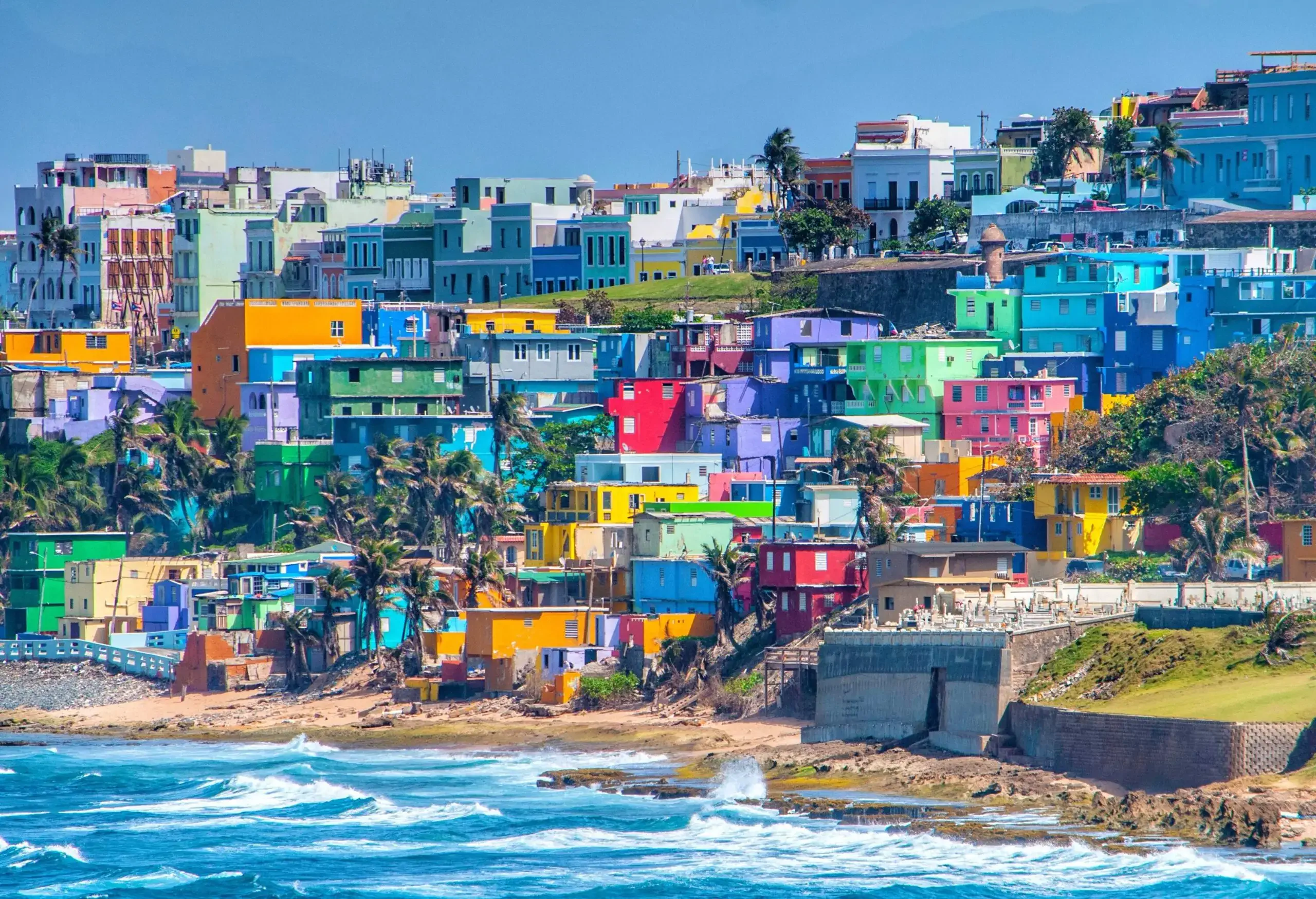
- San Juan: The capital city is a must-visit. Wander through the cobblestone streets of Old San Juan, a UNESCO World Heritage site, marveling at the colorful Spanish colonial architecture. Explore the imposing fortifications of El Morro (Castillo San Felipe del Morro) and Castillo de San Cristóbal, which once protected the city from invaders. Don’t miss the vibrant shops and restaurants along Calle de la Fortaleza.
- Nature’s Wonders:
- El Yunque National Forest: The only tropical rainforest in the U.S. National Forest System, El Yunque offers breathtaking hiking trails, stunning waterfalls like La Mina Falls, and incredible biodiversity.
- Bioluminescent Bays: Experience the magic of glowing waters at night. Mosquito Bay on the island of Vieques is considered one of the brightest in the world. Other bioluminescent bays include Laguna Grande in Fajardo and La Parguera in Lajas.
- Beaches: Puerto Rico boasts some of the world’s most beautiful beaches. Flamenco Beach on the island of Culebra is consistently ranked among the best globally, famous for its white sand and clear turquoise waters. Luquillo Beach, near El Yunque, offers calmer waters perfect for families.
- Adventure: From ziplining through the rainforest canopy to surfing in Rincón or diving in crystal-clear waters, adventure seekers will find plenty to keep their adrenaline pumping.
- Cultural Immersion: Explore local markets, attend vibrant festivals, or take a rum distillery tour at Casa Bacardí for a taste of Puerto Rican heritage.
Accommodation Choices: From Luxury to Budget
Puerto Rico offers an extensive range of accommodation options to suit every style of travel and budget.
- Luxury Resorts: For those seeking an indulgent escape, Puerto Rico is home to world-class luxury resorts. Examples include the elegant Condado Vanderbilt Hotel in San Juan, offering oceanfront opulence, or the secluded St. Regis Bahia Beach Resort and Dorado Beach, a Ritz-Carlton Reserve, which provide unparalleled service and stunning natural settings. These properties often feature private beaches, gourmet dining, and lavish spas.
- Boutique Hotels: Old San Juan and other historic areas boast charming boutique hotels, often housed in beautifully restored colonial buildings, offering a more intimate and culturally immersive experience.
- Vacation Rentals: Platforms like Airbnb provide a vast selection of apartments, villas, and houses, perfect for families, groups, or those seeking a local experience with self-catering facilities. You can find rentals ranging from beachfront condos to rustic mountain retreats.
- Guesthouses and Budget-Friendly Stays: For budget-conscious travelers, numerous guesthouses, smaller hotels, and hostels offer comfortable and affordable options, particularly in areas popular with surfers and backpackers.
Booking your accommodation in advance, especially during peak season (winter and spring), is highly recommended to secure the best rates and desired locations. Comparison websites and direct bookings can help you find the ideal stay, whether you’re planning a romantic getaway, a family vacation, or an adventurous solo trip.
Navigating Local Culture and Cuisine
Immerse yourself in the vibrant culture of Puerto Rico. The island’s heritage is a rich blend of Taíno, Spanish, and African influences, evident in its music, art, and traditions.
- Cuisine: Puerto Rican food is a highlight for any visitor. Don’t leave without trying mofongo (fried plantains mashed with garlic and pork cracklings), lechón (slow-roasted pork), pasteles (a festive dish similar to tamales), and arroz con gandules (rice with pigeon peas). For a sweet treat, try tembleque (coconut pudding). And, of course, sip on a refreshing Piña Colada – widely believed to have been invented in Puerto Rico.
- Language: While Spanish is the official language, English is widely spoken, especially in tourist areas, hotels, and major cities. Learning a few basic Spanish phrases can enhance your experience and endear you to the locals.
- Tipping Etiquette: Tipping customs are similar to the continental U.S.. Generally, 15-20% is customary for good service in restaurants, and a few dollars for hotel staff or tour guides is appreciated.
Embrace the warmth and hospitality of the Puerto Rican people, who are proud to share their vibrant culture with visitors.

Making the Most of Your Puerto Rico Trip
In conclusion, for U.S. citizens, travel to Puerto Rico is remarkably straightforward, requiring only a valid government-issued photo ID, not a passport. This makes the island an incredibly appealing destination for those seeking an exotic Caribbean experience without the complexities of international travel. For non-U.S. citizens, standard U.S. entry requirements apply, meaning a valid passport and potentially a visa or ESTA are necessary.
Regardless of your nationality, thorough preparation and understanding of the requirements will pave the way for an unforgettable journey. From the historic grandeur of Old San Juan to the bioluminescent wonders of Mosquito Bay and the serene beauty of Flamenco Beach, Puerto Rico promises an adventure filled with discovery, relaxation, and cultural immersion. So, pack your bags, secure your documents, and get ready to explore the magic of the “Isla del Encanto” with ease and excitement.
LifeOutOfTheBox is a participant in the Amazon Services LLC Associates Program, an affiliate advertising program designed to provide a means for sites to earn advertising fees by advertising and linking to Amazon.com. Amazon, the Amazon logo, AmazonSupply, and the AmazonSupply logo are trademarks of Amazon.com, Inc. or its affiliates. As an Amazon Associate we earn affiliate commissions from qualifying purchases.