
The allure of the Sunshine State is undeniable, drawing millions each year with its pristine beaches, vibrant cities, and unparalleled natural beauty. Beyond the theme parks and resort-lined coasts, Florida holds a special charm for anglers. From the sparkling depths of the Gulf of Mexico to the tranquil freshwater lakes of its interior, the opportunities for a memorable fishing excursion are boundless. Whether you’re a seasoned pro planning a deep-sea adventure or a family looking for a relaxing day by the pier, understanding the regulations, particularly regarding fishing licenses, is paramount to a successful and legally compliant trip.
Planning a getaway to Florida often involves more than just booking flights and hotels; it’s about curating an experience. For many, that experience includes casting a line into some of the most productive waters in the United States. This comprehensive guide will not only clarify whether you need a fishing license but will also weave in essential travel insights, helping you seamlessly integrate your passion for angling into a broader Florida vacation. We’ll delve into the nuances of licensing, highlight popular fishing destinations, and offer tips to enhance your overall travel and tourism experience in this angler’s paradise.
The Lure of Florida Fishing: Why Anglers Flock to the Sunshine State
Florida’s reputation as a world-class fishing destination is well-earned. Its unique geographical position, bordered by the Atlantic Ocean to the east and the Gulf of Mexico to the west, creates a diverse array of marine environments. Inland, thousands of lakes, rivers, and interconnected waterways offer equally compelling freshwater challenges. This incredible biodiversity supports an astonishing variety of fish species, making every cast an exciting possibility.
A Diverse Angling Paradise: Freshwater vs. Saltwater
For saltwater enthusiasts, the options are endless. Along the coasts, you can target species like snook, redfish, and tarpon in the inshore flats, estuaries, and mangrove forests. Venture further offshore into the deep blue, and you might encounter kingfish, mahi-mahi, snapper, grouper, or even formidable marlin and sailfish. Popular coastal cities like Miami, Key West, Tampa, St. Petersburg, and Destin serve as bustling hubs for charter fishing operations, offering everything from half-day excursions to multi-day deep-sea adventures. The iconic Florida Keys, a string of islands extending into the ocean, are particularly renowned for their flats fishing and offshore big-game pursuits, attracting anglers globally.
Moving inland, Florida’s freshwater systems are equally captivating. The state is famous for its abundant largemouth bass, especially in legendary waters like Lake Okeechobee, the second-largest freshwater lake entirely within the United States. Other notable freshwater destinations include the Kissimmee Chain of Lakes near Orlando and the sprawling ecosystems of Everglades National Park, where anglers can experience unique fishing for peacock bass and various exotic species. The peaceful serenity of freshwater fishing offers a stark contrast to the dynamic challenges of the open ocean, appealing to a different kind of angler seeking tranquility and a strong fight from inland giants.
Beyond the Hook: Florida’s Broader Appeal for Travelers
Beyond the fishing itself, Florida offers a comprehensive travel experience. An angler’s trip can easily be combined with family visits to theme parks like Disney World in Orlando or exploring the vibrant art scenes of Miami and St. Petersburg. Nature lovers can immerse themselves in the unique ecosystems of the Everglades National Park or explore countless state parks and wildlife refuges. The array of accommodation options, from luxury resorts in Palm Beach to cozy beachside bungalows in Sarasota or vacation rentals near prime fishing spots, ensures that every traveler finds their ideal base camp. This integration of world-class fishing with diverse tourism activities makes Florida an ideal destination for solo adventurers, couples, and families alike, promising a fulfilling lifestyle experience that extends far beyond the catch.
Understanding Florida’s Fishing License Requirements: Who, What, and When
Navigating the regulations for fishing in Florida is crucial for a hassle-free trip. The general rule is simple: if you plan to fish in public waters, you most likely need a license. These regulations are in place to fund conservation efforts and manage fish populations, ensuring that future generations can also enjoy the state’s incredible angling opportunities.
Essential Licenses: Freshwater, Saltwater, and Combo Options
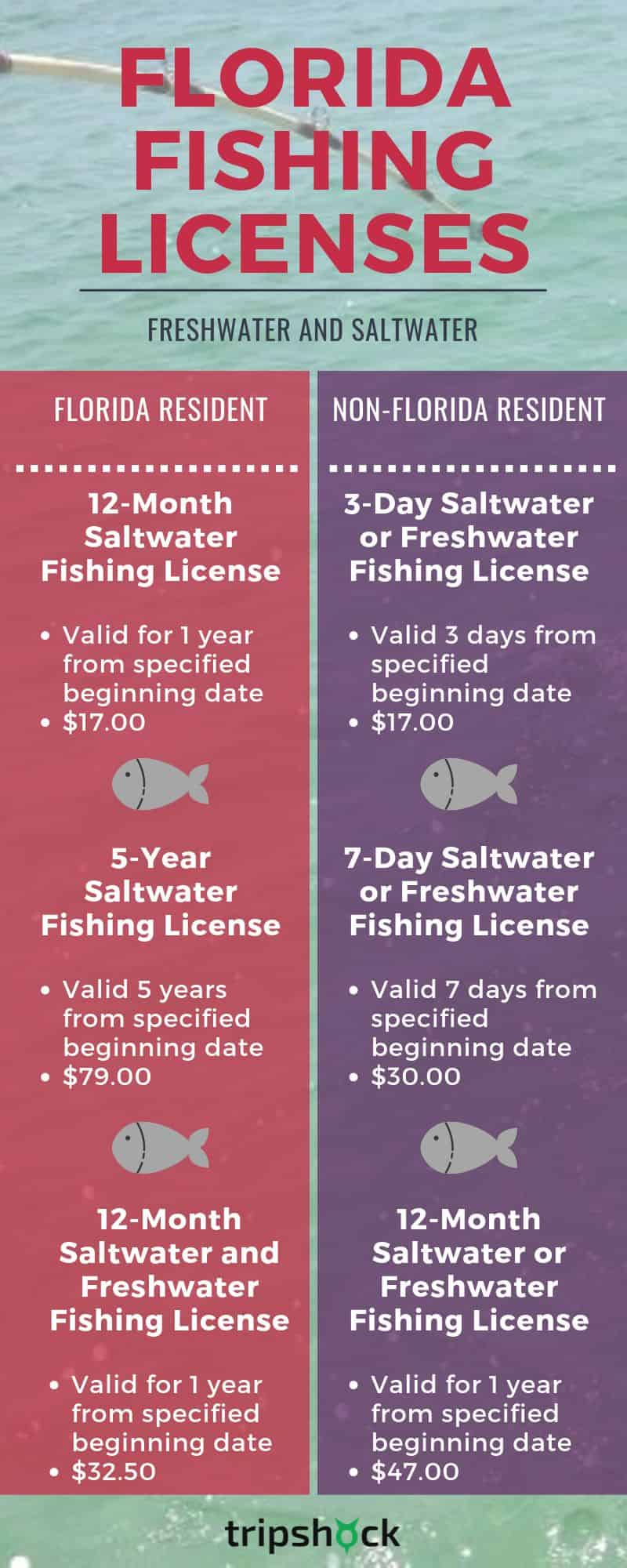
The Florida Fish and Wildlife Conservation Commission (FWC) is the governing body responsible for issuing fishing licenses. The type of license you need depends primarily on where you plan to fish and your residency status:
- Freshwater Fishing License: Required for taking freshwater fish, such as bass, crappie, and various panfish, from lakes, rivers, and other inland waterways.
- Saltwater Fishing License: Necessary for taking saltwater fish, crustaceans, and mollusks from the marine waters of Florida, whether you are fishing from shore, a private boat, or a for-hire vessel (if not covered by the vessel’s license).
- Combination License: For those who plan to enjoy both freshwater and saltwater fishing during their visit, a combination license offers a convenient and often cost-effective solution.
Licenses are available for residents and non-residents, with different pricing structures. Non-residents typically pay higher fees, but various short-term options (3-day, 7-day, annual) are available, catering to the needs of tourists. Residency is generally defined by living in Florida for six continuous months prior to applying for a license and claiming Florida as your primary residence. Always verify your residency status and the specific license requirements before purchasing.
Exemptions and Special Circumstances: When You Can Cast Without a Permit
While the general rule is to have a license, several important exemptions exist that could apply to you:
- Age Exemptions: Florida residents 65 years of age or older (with proof of residency) are exempt from freshwater and saltwater recreational fishing licenses. Similarly, children under 16 years of age do not need a license to fish. This makes fishing an accessible and enjoyable activity for multi-generational family trips.
- Pier and Bridge Fishing: If you are fishing from a public pier that has been issued a valid pier fishing license by the FWC, you are typically covered by that license and do not need your own. Always check with the specific pier to confirm their licensing status. This is a fantastic option for casual anglers or those on a budget-friendly travel plan.
- Charter Boats and Guides: When fishing from a licensed for-hire charter boat or with a licensed fishing guide, you are usually covered by the boat’s or guide’s license. This is a common and highly recommended option for visitors seeking a curated fishing experience without the hassle of individual licensing. Always confirm with your charter captain beforehand.
- Shoreline Fishing: Florida residents who fish for saltwater species from the shore or a structure affixed to the shore (like a dock or bridge) using bait and line are exempt from the saltwater fishing license. Non-residents, however, generally need a license even for shoreline fishing.
- Free Fishing Days: The FWC designates a few “Free Fishing Days” each year, allowing residents and non-residents alike to fish without a license. These dates are usually in April and June for freshwater and saltwater respectively and are excellent opportunities to try fishing or introduce children to the sport.
- Certain Disabilities: Residents with certain types of disabilities may also be exempt from licensing requirements. Details can be found on the FWC website.
It’s imperative to consult the official FWC website or local tackle shops for the most up-to-date and complete list of regulations and exemptions, as rules can change. Ignorance of the law is not an excuse, and penalties for fishing without a required license can include fines and confiscation of gear.
Securing Your License: Where and How to Purchase
Obtaining a Florida fishing license is a straightforward process, designed for convenience, especially for travelers.
- Online: The quickest and easiest way for most travelers is to purchase a license online through the FWC website. You can print a copy of your license or carry a digital version on your smartphone.
- By Phone: Licenses can also be purchased over the phone by calling the FWC customer service line.
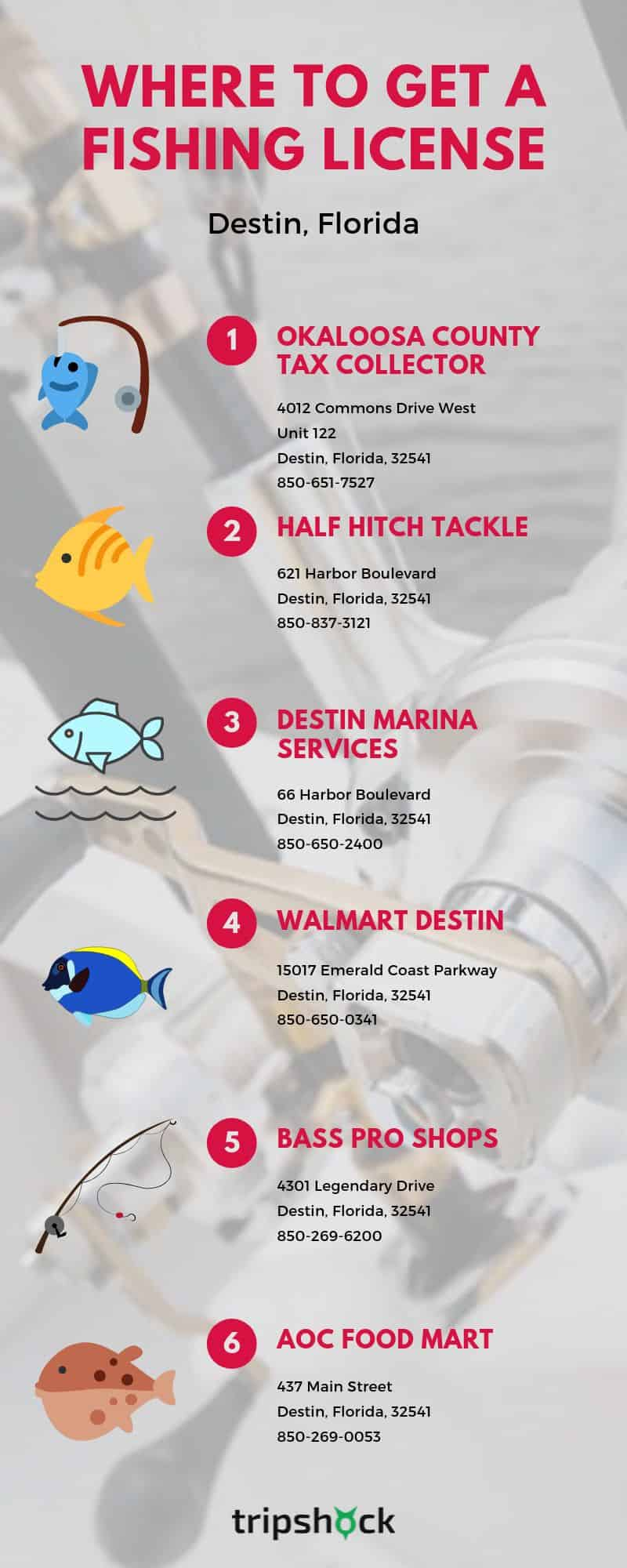
- In Person: Many local tax collectors’ offices, bait and tackle shops, and sporting goods stores (like Walmart or Bass Pro Shops) throughout Florida sell fishing licenses. This can be a great opportunity to get local tips on fishing spots and bait while you’re there.
Remember that a portion of the revenue generated from license sales directly supports fisheries management, habitat restoration, and conservation programs, contributing to the sustainability of Florida’s incredible natural resources. By purchasing a license, you’re not just complying with the law; you’re investing in the future of fishing in the Sunshine State.
Maximizing Your Florida Fishing Experience: Tips for a Seamless Trip
Beyond the legalities, making the most of your fishing trip in Florida involves smart planning and choosing the right experiences. Integrating your fishing adventure with the broader travel landscape of the state can elevate your vacation from good to unforgettable.
Choosing Your Fishing Adventure: From Deep Sea Charters to Peaceful Pier Fishing
The diversity of fishing opportunities in Florida means there’s an experience for every type of traveler and every budget.
- Charter Fishing: For those seeking a guided experience, particularly for offshore or specialized inshore fishing, booking a charter is highly recommended. Charters provide all the necessary equipment, bait, and local expertise. A reputable captain will know where the fish are biting, understand local regulations, and often handle the group’s licensing needs. This is a fantastic option for novice anglers or those wanting to maximize their chances of a big catch without investing in expensive gear. Popular charter hubs include Key West, Fort Lauderdale, Destin, and Panama City Beach.
- Pier and Bridge Fishing: Many public piers and bridges across Florida offer excellent fishing opportunities without the need for a boat. These spots are often social hubs, and many have bait shops, snack bars, and facilities nearby, making them ideal for families or a casual day out. Remember the licensing exemption for some public piers. Famous examples include the Sebastian Inlet State Park pier and the Skyway Fishing Pier State Park in St. Petersburg.
- Shore and Surf Fishing: With miles of coastline, surf fishing is a popular and accessible option. All you need is a rod, reel, bait, and your license (if not exempt). It’s a peaceful way to enjoy the beach while trying to catch pompano, whiting, or even small sharks.
- Kayak and Paddleboard Fishing: For an eco-friendly and immersive experience, kayak or paddleboard fishing has gained immense popularity. These silent vessels allow anglers to access shallow flats and mangrove creeks, perfect for stalking redfish and snook. Many rental companies offer guided tours, especially in areas like Sarasota and the Florida Keys.
Pairing Your Passion with Premier Accommodation
Your choice of accommodation can significantly enhance your fishing trip. Florida offers a vast spectrum of options catering to various lifestyles and budgets.
- Resorts with Marinas: Many high-end resorts, particularly in coastal areas like Naples, Miami, and the Florida Keys, offer private marinas, boat rentals, and sometimes even on-site charter booking services. This provides unparalleled convenience for anglers.
- Vacation Rentals: For longer stays, family trips, or groups, renting a vacation home or condo, especially one with dock access or near a boat ramp, can be a cost-effective and comfortable option. Websites dedicated to vacation rentals offer a wide selection across the state, from luxurious villas to budget-friendly apartments.
- Hotels Near Fishing Spots: If you prefer a more traditional hotel stay, look for properties strategically located near popular fishing piers, boat ramps, or charter departure points. Many hotels in destinations like Jacksonville or Pensacola understand their angler clientele and may offer amenities like fish cleaning stations or extra freezer space.
Consider the “lifestyle” aspect of your trip. Are you looking for a luxury fishing retreat where every detail is handled, or a budget-conscious adventure where you can immerse yourself in local culture and culinary delights after a day on the water? Florida’s diverse tourism infrastructure can accommodate all preferences.
Respecting the Waters: Conservation and Regulations
As travelers, it’s our responsibility to fish ethically and sustainably. This means not only adhering to licensing requirements but also understanding and respecting size limits, bag limits, and seasonal closures for various species. The FWC publishes detailed regulations that are easily accessible online and in local bait shops. Practicing catch-and-release, especially for protected or oversized fish, helps ensure healthy fish populations for the future. Proper handling techniques are vital for the survival of released fish. By being informed and responsible, anglers contribute to the preservation of Florida’s marine and freshwater ecosystems, ensuring that the Sunshine State remains a premier destination for generations of travelers and fishing enthusiasts.
Popular Fishing Destinations Across Florida
Florida is dotted with iconic fishing locales, each offering a unique experience. When planning your travel itinerary, consider which destination best aligns with your fishing goals and overall vacation preferences.
Coastal Gems and Inland Havens
- The Florida Keys: Famous for tarpon, bonefish, and permit in the flats, and sailfish, mahi-mahi, and tuna offshore. Key West is a lively hub, while more tranquil spots like Islamorada offer focused angling. Diving and snorkeling at John Pennekamp Coral Reef State Park also provides non-fishing attractions.
- Miami & Fort Lauderdale: Urban fishing at its finest, with easy access to offshore big game and inshore fishing in Biscayne Bay. These cities offer a vibrant nightlife, world-class dining, and luxurious accommodation, perfect for a high-energy vacation combined with fishing.
- Tampa Bay & St. Petersburg: Known for excellent snook, redfish, and trout fishing in the expansive bay system. The Sunshine Skyway Fishing Pier is a landmark attraction itself, offering fishing from a repurposed bridge. Cultural attractions and pristine beaches add to the appeal.
- Sarasota & Naples: The Southwest Gulf Coast provides superb inshore fishing in calmer waters and access to the Gulf’s bounty. These cities offer a more relaxed, upscale lifestyle, with beautiful resorts and exquisite dining.
- The Panhandle (Destin, Panama City Beach, Pensacola): Often called the “World’s Luckiest Fishing Village,” Destin is renowned for its deep-sea fishing, especially for snapper and grouper. Panama City Beach combines great fishing with vibrant tourism, while Pensacola offers a blend of history and excellent fishing. The pristine white sand beaches here are major attractions.
- Lake Okeechobee: The undisputed king of freshwater bass fishing in Florida. A trip here is a pilgrimage for bass anglers, often requiring specialized guides for the best experience.
- Everglades National Park: A truly unique fishing destination, offering exotic species like peacock bass and snook, often targeted with fly fishing gear. This is an unparalleled natural landmark and a must-visit for eco-tourism.
- St. Johns River & Jacksonville: The longest river in Florida offers diverse freshwater fishing, while Jacksonville itself provides coastal angling opportunities, often less crowded than further south.
Integrating Fishing into Your Broader Florida Itinerary
When planning your Florida adventure, think about how fishing fits into your overall travel narrative. Are you flying into Orlando for theme parks and want a day trip for bass fishing? Or is a dedicated fishing expedition to Key West the main event, with other attractions as secondary? Many travelers opt for a multi-destination trip, experiencing the lively atmosphere of Miami, followed by the laid-back angling charm of the Florida Keys, or combining a visit to the cultural attractions of Tampa with a fishing charter in Charlotte Harbor.
Consider the season, as fishing conditions and species availability vary throughout the year. Winter often brings excellent offshore opportunities for certain species, while spring and fall are prime times for inshore action. Summer offers its own rewards, particularly for freshwater bass and certain saltwater species. By understanding the licensing requirements, choosing your ideal fishing adventure, selecting appropriate accommodation, and integrating responsible practices, you can ensure your Florida fishing trip is not only legal but also incredibly rewarding. So pack your bags, get your license if needed, and prepare to cast your line into the abundant waters of the Sunshine State!
LifeOutOfTheBox is a participant in the Amazon Services LLC Associates Program, an affiliate advertising program designed to provide a means for sites to earn advertising fees by advertising and linking to Amazon.com. Amazon, the Amazon logo, AmazonSupply, and the AmazonSupply logo are trademarks of Amazon.com, Inc. or its affiliates. As an Amazon Associate we earn affiliate commissions from qualifying purchases.