
Planning a dream getaway to the sun-kissed shores of Hawaii often brings up a crucial question: is a passport required? For many, the answer is a pleasant surprise, but it largely depends on where you call home. This comprehensive guide will navigate the identification requirements for traveling to this idyllic Pacific Ocean paradise, delve into the nuances for both domestic and international visitors, and offer essential tips to ensure a seamless and unforgettable Hawaiian adventure. From understanding the REAL ID Act to exploring accommodation options and embracing local culture, we’ve got you covered for your journey to the Aloha State.
The Simple Answer for U.S. Citizens
For the vast majority of travelers from the continental United States, the good news is that you do not need a passport to travel to Hawaii. This often comes as a relief, simplifying the travel planning process significantly. The reason is straightforward and fundamental to the geopolitical structure of the U.S..
Hawaii’s Status as a U.S. State
Hawaii is the 50th state of the United States. As such, travel between the mainland U.S. and Hawaii is considered domestic travel, similar to flying from California to New York. This means that U.S. Citizens and permanent residents are not required to present a passport. Instead, they need to provide a valid form of government-issued identification for air travel. This simplifies the process for millions of Americans dreaming of visiting islands like Oahu, Maui, Kauai, or the Big Island (also known as the Island of Hawaii).
Acceptable Forms of Identification
While a passport isn’t necessary for U.S. Citizens traveling to Hawaii, a valid form of photo identification is absolutely essential for boarding domestic flights. The Transportation Security Administration (TSA) has specific requirements for acceptable IDs. Here’s a list of commonly accepted documents:
- State-issued Enhanced Driver’s License or other state photo identity cards: These must be compliant with the REAL ID Act (more on this below).
- U.S. passport: Though not required, it is certainly an accepted form of ID.
- U.S. passport card: A smaller, card-sized version of the passport.
- DHS trusted traveler cards: Such as Global Entry, NEXUS, SENTRI, or FAST cards.
- Permanent Resident Card: For lawful permanent residents of the U.S..
- Border Crossing Card.
- Federally recognized tribal-issued photo ID.
- HSPD-12 PIV card.
- Foreign government-issued passport.
- Canadian provincial driver’s license or Indian and Northern Affairs Canada card.
- Transportation worker identification credential (TWIC).
- U.S. military ID: For active-duty military personnel and their dependents.
- Veteran Health Identification Card (VHIC).
- Airline or airport-issued ID.
It’s crucial to ensure your chosen ID is current and not expired. The name on your ticket must match the name on your ID exactly to avoid any issues at airport security checkpoints.
The REAL ID Act Explained
The REAL ID Act, passed by Congress in 2005, established minimum security standards for state-issued driver’s licenses and identification cards. Its purpose is to make air travel safer and deter terrorism. While implementation has seen several extensions, the current deadline for enforcement for domestic air travel is May 7, 2025.
After this date, travelers will need a REAL ID-compliant driver’s license or another acceptable form of identification (like a passport) to fly within the United States, including to and from Hawaii. A REAL ID compliant card typically features a star in the upper right-hand corner. If your state-issued ID does not have this star, you will need to present an alternative form of acceptable identification, such as a U.S. passport, for domestic flights. It’s advisable to check with your state’s Department of Motor Vehicles (DMV) or equivalent agency to ensure your identification is compliant well in advance of your travel dates. This proactive step can save you significant hassle at the airport.
What About Non-U.S. Citizens?
The rules are distinctly different for international travelers dreaming of a Hawaiian vacation. For anyone who is not a U.S. Citizen or a permanent resident, a passport is absolutely required to enter the United States, and by extension, Hawaii.
International Travel Requirements
For international visitors, Hawaii is no different from any other state in the U.S.. You will need a valid passport from your home country. This passport must be valid for at least six months beyond your intended period of stay in the United States, a standard international travel requirement known as the “six-month rule.”
Beyond a passport, many international travelers will also need a visa, depending on their nationality and the purpose of their visit. The visa application process can be lengthy and requires careful attention to detail, so it’s essential to start this process many months before your planned departure.
Visa Waiver Program (ESTA)
Fortunately, the United States has established the Visa Waiver Program (VWP), which allows citizens of certain eligible countries to travel to the U.S. for tourism or business for stays of 90 days or less without obtaining a visa. Instead, these travelers must obtain an approved authorization through the Electronic System for Travel Authorization (ESTA).
Countries participating in the VWP include most European nations (United Kingdom, Germany, France, etc.), as well as Australia, New Zealand, Japan, South Korea, and others. An ESTA application must be submitted online through the official Department of Homeland Security website and is typically valid for two years, allowing for multiple entries. It is advisable to apply for ESTA at least 72 hours before your travel, though it’s best to do so as soon as you start planning your trip.
Specific Country Requirements
While the VWP covers many popular tourist origins, citizens of countries not included in the program will need to apply for a traditional U.S. visa through a U.S. embassy or consulate in their home country. This process involves interviews, documentation, and can take several weeks or even months. Travelers from neighboring countries like Canada and Mexico also have specific requirements, often involving passports and/or enhanced driver’s licenses for land/sea entry, but generally require a passport for air travel to the U.S. and Hawaii. Always check the latest requirements from the official U.S. Department of State website or consult with your local embassy or consulate well in advance of your travel dates.
Planning Your Trip Beyond Identification
Once the identification and documentation puzzle is solved, the exciting part begins: planning your Hawaiian itinerary. Hawaii offers an unparalleled blend of natural beauty, rich culture, and diverse experiences, catering to every type of traveler.
Essential Travel Documents
Beyond your primary identification, consider these additional documents and preparations for a smooth trip:
- Flight and Accommodation Confirmations: Keep digital and physical copies of all your booking confirmations for flights, hotels, resorts, or villas.
- Travel Insurance: Highly recommended for both domestic and international travelers to cover unexpected events like trip cancellations, medical emergencies, or lost luggage.
- Car Rental Reservations: If you plan to explore beyond resort areas, booking a car in advance is crucial, especially on islands like Maui or the Big Island, where public transport is limited.
- Activity Bookings: Popular attractions and tours, especially during peak season, often require advance booking.
- Emergency Contacts and Copies: Keep a list of emergency contacts and copies of important documents separate from the originals.
Accommodation Choices in Hawaii
Hawaii boasts a wide array of accommodation options to suit every budget and lifestyle. From luxurious beachfront resorts to charming boutique hotels, vacation rentals, and budget-friendly hostels, there’s something for everyone.
- Luxury Travel: Areas like Waikiki in Honolulu (Oahu), Wailea and Kaanapali on Maui, or Princeville on Kauai offer world-class resorts with lavish amenities, private beaches, and exceptional service. Think infinity pools, spas, gourmet dining, and concierge services.
- Mid-Range Options: Many islands offer comfortable hotels and apartments that provide a great balance of comfort and value. These often include kitchenettes, making them suitable for family trips or longer stays. Look for options slightly off the main tourist strips for better deals.
- Budget Travel: For cost-conscious travelers, hostels, guesthouses, and smaller vacation rentals can be found, particularly on Oahu and the Big Island. Camping permits are also available in state parks for a truly immersive, low-cost experience.
- Long-term Stay: For those considering an extended visit, fully furnished villas or apartments through platforms like Airbnb or local property managers offer a home-away-from-home feel.
Booking in advance, especially during peak seasons (winter, summer, and holidays), is highly recommended, as popular accommodations fill up quickly.
Exploring Hawaiian Landmarks and Culture
Hawaii’s natural beauty and rich cultural heritage are its greatest draw. Each island offers unique attractions and experiences.
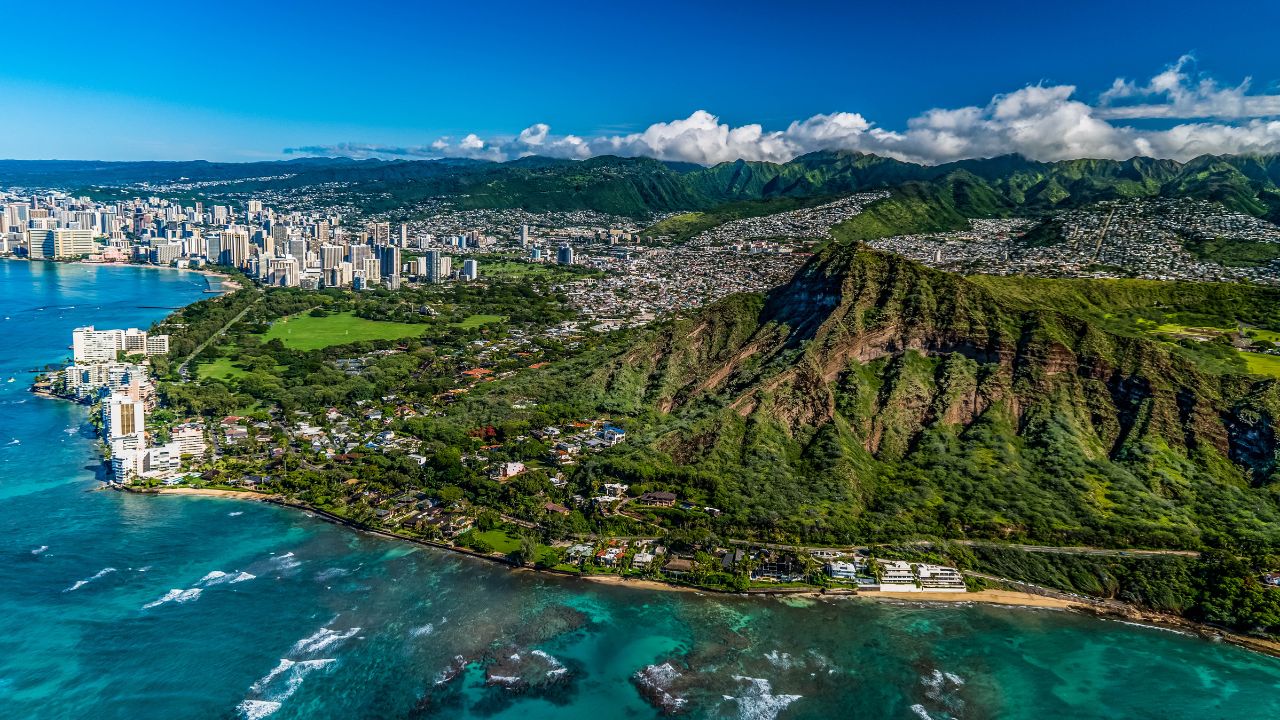
- Oahu: Home to the bustling capital, Honolulu, and the iconic Waikiki Beach. Must-visit landmarks include Pearl Harbor, the historic site of World War II, and hiking up Diamond Head for panoramic views. The Polynesian Cultural Center offers a deep dive into island traditions.
- Maui: Known for its stunning beaches, the scenic Road to Hana, and watching the sunrise from Haleakala Crater. Whale watching (in winter) is another unforgettable activity. Historic Lahaina town provides a glimpse into Maui’s past.
- Kauai: The “Garden Isle” is famous for its lush landscapes, including the breathtaking Na Pali Coast, best viewed by boat or helicopter, and Waimea Canyon, often called the “Grand Canyon of the Pacific.”
- Big Island: Offers incredible diversity, from the active volcanoes in Hawaii Volcanoes National Park to black sand beaches and lush coffee plantations in Kona. Snorkeling and diving are exceptional in its clear waters.
- Molokai and Lanai: For those seeking a more secluded and authentic experience, these smaller islands offer tranquility and unique cultural insights.
Embracing the local culture, known as the Aloha Spirit, is key to a fulfilling visit. Attend a luau, try traditional Hawaiian food like poké and kalua pig, and learn a few Hawaiian phrases.
Lifestyle and Budgeting for Your Hawaiian Adventure
Hawaii can be an expensive destination, but with careful planning, it can be accessible for various lifestyles and budgets.
- Budgeting: Airfare is often the largest expense, so booking flights well in advance and being flexible with dates can save money. Groceries are expensive due to shipping costs, so consider accommodations with kitchenettes. Look for free activities like hiking, beach days, and public parks.
- Family Trips: Hawaii is incredibly family-friendly. Many resorts offer kids’ clubs, and attractions like the Honolulu Zoo or Hanauma Bay (for snorkeling) are great for all ages.
- Adventure Seekers: Surfing lessons, scuba diving, zip-lining, helicopter tours, and exploring volcanic landscapes provide thrilling experiences.
- Relaxation: Hawaii’s beaches are perfect for simply unwinding. Many resorts offer world-class spas and wellness programs.
Key Considerations for a Smooth Hawaiian Journey
Beyond documents and itinerary, a few practical tips can greatly enhance your travel experience to Hawaii.
Health and Safety Tips
- Sun Protection: The Hawaiian sun is intense. Pack high SPF sunscreen, hats, and sunglasses. Remember to use reef-safe sunscreen to protect the delicate marine ecosystem.
- Hydration: Drink plenty of water, especially when active.
- Ocean Safety: Be aware of ocean conditions, currents, and heed warning signs. Swim at lifeguarded beaches and never turn your back on the ocean.
- Hiking Safety: Stick to marked trails, wear appropriate footwear, and inform someone of your plans.
- Mosquito Protection: Especially if venturing into more lush, forested areas, consider insect repellent.
- Local Wildlife: Observe wildlife from a respectful distance. Do not feed or touch marine life like turtles or monk seals; it’s illegal and harmful to them.
Understanding Local Customs
The ” Aloha Spirit ” is more than just a greeting; it’s a way of life that encompasses respect, compassion, and kindness.
- Respect the Land (Aina): Be mindful of the environment, avoid littering, and stay on marked paths.
- Patience and Politeness: Things often move at a slower pace in Hawaii. Embrace it, be patient, and always be polite.
- Local Etiquette: When visiting sacred sites or cultural events, dress modestly and act respectfully. Remove your shoes before entering someone’s home.
- “Mahalo”: Learn to say “thank you” in Hawaiian. A little effort goes a long way in showing appreciation.
Flying to Hawaii: What to Expect
The flight to Hawaii is a long one, typically 5-6 hours from the West Coast of the U.S. and over 10 hours from the East Coast.
- Inter-island Travel: If you plan to visit multiple islands, you’ll take short commuter flights between them. Major airports include Daniel K. Inouye International Airport (HNL) on Oahu, Kahului Airport (OGG) on Maui, Lihue Airport (LIH) on Kauai, and Kona International Airport (KOA) on the Big Island.
- Agricultural Inspection: Upon departure from Hawaii to the mainland U.S., all checked and carry-on luggage is subject to agricultural inspection by the U.S. Department of Agriculture (USDA) to prevent the spread of invasive species. Certain fruits, vegetables, and plants are prohibited.
- Jet Lag: Be prepared for potential jet lag, especially when traveling from the East Coast or international destinations. Plan a relaxed first day to adjust.
In conclusion, for most U.S. Citizens, a valid government-issued ID is sufficient for a trip to Hawaii, with the REAL ID Act being a crucial consideration for future travel. For international visitors, a passport and potentially a visa or ESTA are indispensable. Regardless of your origin, meticulous planning for your identification, accommodation, and activities, combined with an understanding of local customs, will pave the way for an extraordinary and problem-free Hawaiian escape. Embrace the journey, and prepare to be enchanted by the magic of the islands.
LifeOutOfTheBox is a participant in the Amazon Services LLC Associates Program, an affiliate advertising program designed to provide a means for sites to earn advertising fees by advertising and linking to Amazon.com. Amazon, the Amazon logo, AmazonSupply, and the AmazonSupply logo are trademarks of Amazon.com, Inc. or its affiliates. As an Amazon Associate we earn affiliate commissions from qualifying purchases.