
The question of whether snow graces the landscape of Alabama is one that often sparks curiosity, particularly for those unfamiliar with the diverse climate of the United States. While not as renowned for its winter wonderlands as states further north, Alabama certainly experiences its share of wintry weather, though the frequency and intensity can vary dramatically depending on the region and the year. This exploration delves into the specifics of snowfall in the Heart of Dixie, examining its patterns, notable occurrences, and what it means for travelers and residents alike.
The Yellowhammer State, with its varied geography, presents a fascinating case study for winter weather. From the rolling hills of the Appalachian foothills in the north to the flat coastal plains along the Gulf of Mexico, the climatic conditions differ significantly. This geographical diversity plays a crucial role in how and where snow manifests in Alabama. Understanding these regional differences is key to answering the question, “Does Alabama get snow?”

Understanding Alabama’s Winter Climate
Alabama experiences a humid subtropical climate, characterized by hot, humid summers and mild to cool winters. The primary drivers of its weather patterns are the Gulf of Mexico‘s moisture and the influence of continental air masses from the north. Winter precipitation in Alabama can take the form of rain, sleet, freezing rain, or snow. The specific type of precipitation often depends on the temperature profile of the atmosphere at different altitudes.
Regional Variations in Snowfall
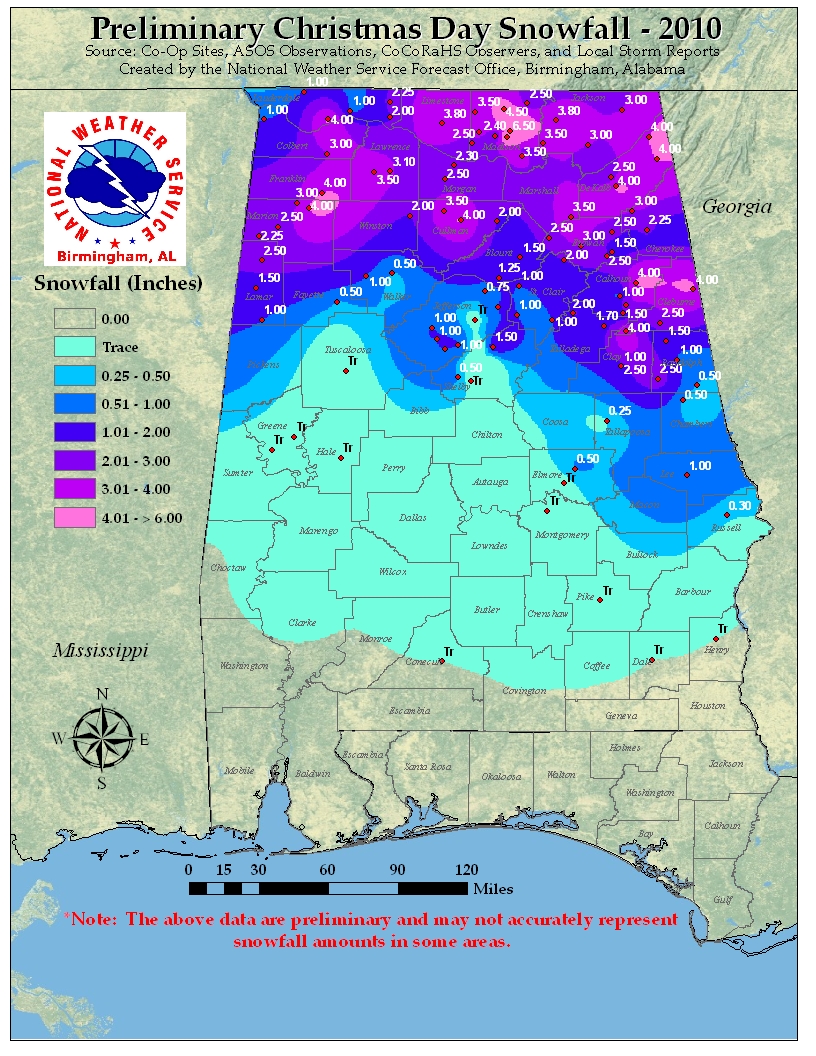
The likelihood and amount of snowfall in Alabama are heavily influenced by geography. Generally, northern Alabama receives more snow than southern Alabama.
Northern Alabama’s Wintry Embrace
The northernmost regions of Alabama, including cities like Huntsville and the surrounding Appalachian Mountains, are the most prone to experiencing snow. These areas are situated at higher elevations and are more directly in the path of cold air outbreaks from the north. Huntsville, often considered the snowiest city in Alabama, can receive several inches of snow during a typical winter. The Cumberland Plateau, which extends into this part of the state, can experience even more significant accumulations, transforming the landscape into a picturesque winter scene. For those seeking a winter experience in Alabama, destinations like Mentone and the Little River Canyon National Preserve offer the best chances to witness snowfall and enjoy winter-themed activities.
- Huntsville: This city, nestled in the foothills of the Appalachian Mountains, is known for its relatively frequent snowfalls. The U.S. Space & Rocket Center in Huntsville might even be dusted with snow, creating a unique backdrop for exploring space history.
- Fort Payne: Located near the DeSoto State Park, Fort Payne also benefits from higher elevations, increasing its chances of snowfall. The scenic beauty of DeSoto Falls can be particularly stunning when capped with a layer of white.
- Mentone: This charming mountain town is a popular spot for those hoping to experience snow. Its elevated position makes it a prime location for winter wonderland aesthetics.
Central Alabama’s Occasional Dustings
Central Alabama, including the capital city of Montgomery and the state’s largest metropolitan area, Birmingham, experiences less frequent and lighter snowfalls. While significant snow events are rare, accumulations of a few inches can occur every few years. When snow does fall in these areas, it often causes considerable disruption due to unpreparedness. Roads can become slick, leading to traffic issues, and schools may close. The historical significance of places like the Civil Rights District in Montgomery can take on a different character under a blanket of snow, offering a quiet reflection on history.
- Birmingham: While often receiving only minor snow, Birmingham has experienced memorable snowstorms in its past. The Vulcan Park and Museum, with its iconic statue of Vulcan, provides a panoramic view of the city that can be quite striking with a dusting of snow.
- Montgomery: Snowfall in Montgomery is a less common occurrence, but when it happens, it’s a notable event. Visiting the Rosa Parks Museum or the Dexter Avenue King Memorial Baptist Church during a rare snowfall adds a poignant atmosphere.
Southern Alabama and the Gulf Coast’s Rarity
Southern Alabama and the Gulf Coast region, including cities like Mobile, rarely see snow. The proximity to the warm waters of the Gulf of Mexico moderates temperatures, keeping them generally too mild for snow to accumulate. Freezing temperatures are uncommon, and when they do occur, precipitation is usually in the form of rain or a brief period of sleet. While a true snowfall is a once-in-a-generation event for coastal Alabama, residents and visitors might experience colder temperatures and the feeling of winter without the visual spectacle of snow. The beautiful beaches and historic architecture of Mobile, such as the USS Alabama Battleship Memorial Park, are typically enjoyed under sunshine rather than snow.
- Mobile: This historic port city has a very low probability of significant snowfall. The vibrant Mardi Gras celebrations in Mobile, usually held in February, are almost always free from snow.
- Daphne and Fairhope: These picturesque communities along Mobile Bay are also extremely unlikely to experience snow. Their charm is usually associated with milder coastal weather.
Memorable Snow Events in Alabama
While not known for prolific snowfall, Alabama has experienced some significant and memorable winter storms throughout its history. These events often become talking points for years, highlighting the impact of unusual weather on the state.
The 2014 “Snowmageddon”
One of the most widely discussed snow events in recent Alabama history occurred in late January 2014. Dubbed “Snowmageddon” or “Snowpocalypse,” this storm caught much of the state, particularly the I-65 corridor south of Birmingham, completely off guard. Light initial snow quickly turned into a significant accumulation, coupled with freezing rain and sleet. The most severe impact was felt on roadways, leading to widespread traffic jams, stranded motorists, and school closures across central and southern Alabama. Many people were stuck on highways for hours, sometimes overnight. While the snow accumulation wasn’t historically high in most areas, the timing and the resulting chaos made it a landmark event. For a few brief hours, the usually bustling streets of Birmingham and Montgomery were brought to a standstill by a few inches of snow.
Other Notable Snowfalls
Beyond the 2014 event, other winters have brought snow to various parts of Alabama. For instance, in February 2015, northern Alabama saw several inches of snow, disrupting travel and leading to school closures. Another notable event occurred in January 2016, when much of the state, including areas as far south as the Wiregrass region, experienced some form of wintry precipitation, ranging from sleet to a light dusting of snow. These occurrences, while not on the scale of blizzards in northern states, are significant for Alabama and often provide a rare opportunity for residents to enjoy snow-related activities, even if just for a day.
Experiencing Winter in Alabama: Travel and Activities
For travelers and locals alike, understanding when and where snow is likely to fall in Alabama can inform travel plans and outdoor activities. While Alabama isn’t a primary destination for winter sports like skiing or snowboarding, its occasional snow can create unique travel opportunities.
Planning a Winter Trip
If a snowy backdrop is part of your ideal travel experience, visiting northern Alabama between December and February is your best bet. The higher elevations of the Appalachian foothills offer the most consistent chances for snow.
- Accommodations: While not a traditional ski resort destination, various hotels, cabins, and inns in towns like Mentone, Fort Payne, and around Cheaha State Park offer cozy stays. Booking in advance is advisable, especially if a winter storm warning is issued, as more people might seek a warm retreat. Consider unique accommodations like charming bed and breakfasts or rental cabins nestled in the hills for a truly immersive winter experience.
- Attractions: When snow does fall, outdoor activities can include scenic drives through snow-dusted landscapes, gentle hikes in state parks (with appropriate caution and gear), or simply enjoying the quiet beauty from a warm vantage point. Cheaha State Park, DeSoto State Park, and Little River Canyon National Preserve can be breathtaking in winter. The Noccalula Falls Park in Gadsden also presents a beautiful scene with frozen or snow-capped waterfalls.
- Lifestyle Considerations: For those accustomed to warmer climates, a sudden snowfall can be a novel experience. It’s important to be prepared with appropriate clothing – warm jackets, hats, gloves, and waterproof boots. Driving conditions can be challenging, so staying informed about weather forecasts and road conditions is crucial. Local tourism boards often provide updates during winter weather events.
When Snow is a Surprise
In areas where snow is infrequent, such as Birmingham or Montgomery, a snowfall is more of a surprise event. These moments often bring out a sense of childlike wonder.
- Local Culture: Schools might close, businesses might adjust hours, and people may venture out to experience the rare phenomenon. Local news channels provide extensive coverage, and social media often explodes with photos and videos of the snowy landscape. It’s a time when the community comes together, and even the mundane becomes a spectacle.
- Unique Experiences: Imagine visiting the Birmingham Civil Rights Institute or the State Capitol Building in Montgomery with a fresh dusting of snow. These iconic landmarks take on a different, more serene atmosphere. For families, building a snowman or having a snowball fight in the yard becomes a memorable event.
In conclusion, while Alabama may not be synonymous with widespread, heavy snowfall, the Yellowhammer State certainly does get snow. Its occurrence is a testament to Alabama‘s diverse climate and geography, offering a glimpse of winter’s magic primarily in its northern regions, with occasional, memorable surprises for the rest of the state. Whether you’re planning a trip to experience it or simply curious about Alabama‘s weather, the answer is a resounding yes, Alabama gets snow.
LifeOutOfTheBox is a participant in the Amazon Services LLC Associates Program, an affiliate advertising program designed to provide a means for sites to earn advertising fees by advertising and linking to Amazon.com. Amazon, the Amazon logo, AmazonSupply, and the AmazonSupply logo are trademarks of Amazon.com, Inc. or its affiliates. As an Amazon Associate we earn affiliate commissions from qualifying purchases.