
The question “Does Alabama get tornadoes?” might arise for any traveler planning a visit to the Yellowhammer State, especially those unfamiliar with its geographical realities. While the image of the American South often conjures up sun-drenched beaches and sweet tea, it’s crucial for visitors to be aware of the natural phenomena that can impact travel plans. The truth is, Alabama is indeed a state that experiences tornadoes, and understanding this is a vital part of responsible travel planning, particularly when considering destinations like Birmingham, Montgomery, or the coastal areas around Gulf Shores.
This guide aims to address the question directly, providing travelers with essential information about tornadoes in Alabama, the best times to be aware, and how to stay safe and prepared. Our focus on travel, accommodation, and lifestyle at lifeoutofthebox.com means we prioritize providing comprehensive advice to ensure your trip to Alabama is not only enjoyable but also safe, no matter the season or the weather. From selecting the right hotel to understanding local tourism and landmarks, preparedness is key to a seamless experience.
Understanding Tornado Risk in Alabama
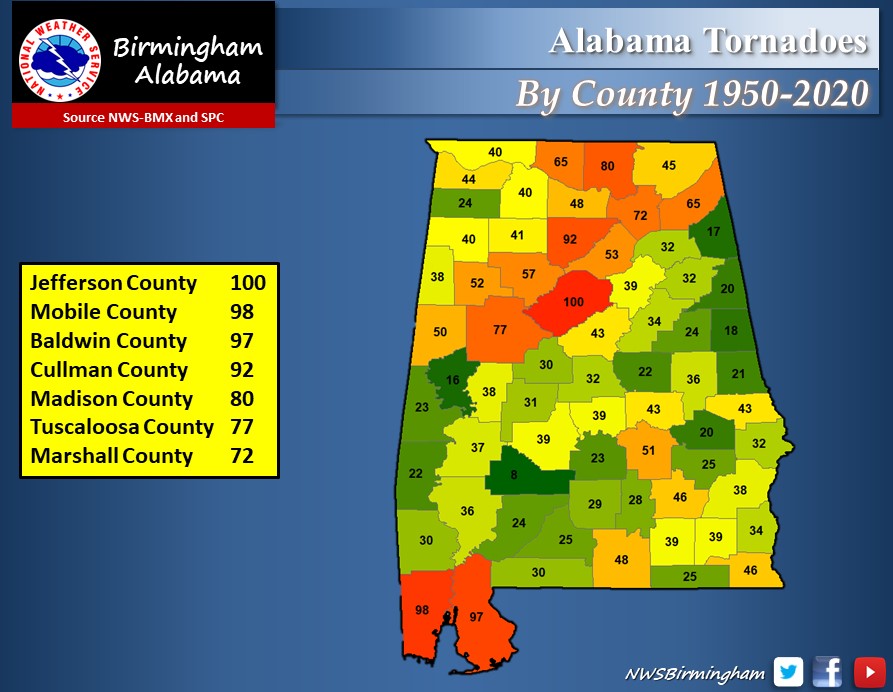
Alabama is situated within “Dixie Alley,” a region prone to significant tornado activity. This geographical designation highlights the state’s vulnerability, particularly during certain times of the year. Unlike some other tornado-prone areas, Dixie Alley often experiences tornadoes that can be fast-moving and occur at night, posing unique challenges for residents and visitors alike. Understanding the historical context and the typical patterns of tornado formation in this region is the first step towards effective preparation.
Seasonal Patterns and Peak Tornado Months
The tornado season in Alabama is not confined to a single, short period. Instead, it generally spans across multiple months, with two distinct peaks.
Spring Tornadoes
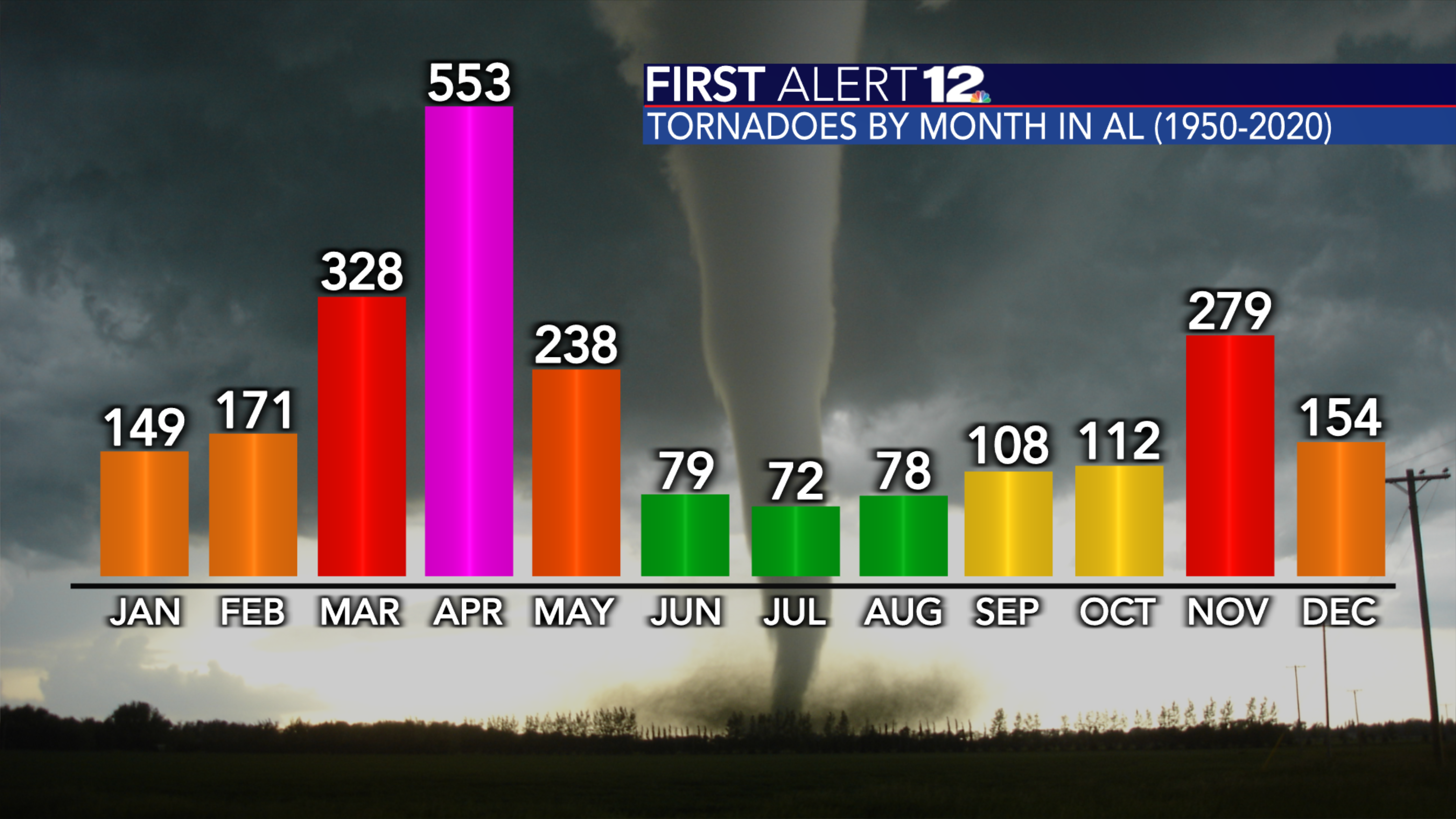
The primary and most active tornado season in Alabama typically runs from late winter through spring, with the peak months often being March, April, and May. During this period, warm, moist air from the Gulf of Mexico clashes with cooler, drier air from the north, creating the atmospheric instability necessary for severe thunderstorms that can spawn tornadoes. These spring outbreaks can be particularly intense, producing powerful and destructive twisters. Travelers planning trips to Alabama during this time, perhaps to visit the USS Alabama Battleship Memorial Park in Mobile or explore the Cheaha State Park, should remain vigilant and monitor weather forecasts closely.
Fall Tornadoes
While less active than the spring season, Alabama also experiences a secondary tornado threat during the fall months, typically from October through November. Cooler air masses begin to push south, and when they interact with lingering warm, moist air, severe weather, including tornadoes, can develop. These fall tornadoes are often associated with a different weather pattern than spring events, but they still pose a significant risk. For those considering autumn travel, perhaps to experience the vibrant fall foliage in the Appalachian foothills or to enjoy the beaches of Orange Beach, awareness of this secondary season is still important.
Factors Contributing to Tornado Formation
Several meteorological factors converge to create the conditions ripe for tornado formation in Alabama:
- Moisture: The proximity to the Gulf of Mexico provides a consistent source of warm, moist air, which is a crucial ingredient for thunderstorm development.
- Instability: The clash between warm, humid air near the surface and cooler, drier air at higher altitudes creates atmospheric instability. This instability allows thunderstorms to grow vertically and become more severe.
- Lift: Mechanisms like cold fronts, warm fronts, or dry lines can provide the “lift” needed to initiate the upward motion of air, fueling the formation of powerful thunderstorms.
- Wind Shear: Changes in wind speed and direction with height (wind shear) are critical for rotating thunderstorms, known as supercells. This rotation is essential for tornado development. Alabama‘s location within a region often experiencing these conditions makes it susceptible.
Understanding these underlying causes helps put the question “Does Alabama get tornadoes?” into a clearer context. It’s not a matter of if, but when and how severe the risk might be during certain periods.
Preparing for Tornadoes: A Traveler’s Essential Checklist
Knowing that Alabama is prone to tornadoes is only half the battle. The real key to safe travel lies in proactive preparation. Whether you’re staying in a luxury resort in Point Clear, a budget-friendly hotel in Huntsville, or a charming villa near Lake Martin, having a plan is paramount.
Before You Travel
- Research Your Destination’s Tornado History: While a general understanding of Alabama‘s risk is important, learning about the specific tornado history of your chosen city or region can provide further insight. Websites like the National Weather Service offer historical tornado data that can be informative.
- Check Your Accommodation’s Safety Measures: When booking your accommodation, whether it’s the Grand Hotel Golf Resort & Spa or a smaller boutique hotel, inquire about their tornado safety procedures. Do they have a designated safe room or basement? What is their evacuation plan? Websites that offer accommodation reviews can also provide insights from previous guests.
- Understand Warning Systems: Familiarize yourself with how tornado watches and warnings are issued in Alabama. This typically involves NOAA Weather Radio, local television and radio broadcasts, and wireless emergency alerts on your mobile phone.
- Download Weather Apps: Ensure you have reliable weather apps installed on your smartphone that provide real-time weather alerts and forecasts for the areas you’ll be visiting.
- Pack Appropriately: While not directly related to tornado preparedness, packing for Alabama‘s weather is important. This can include light clothing for warm days, rain gear, and a first-aid kit.
During Your Stay
- Monitor Weather Forecasts Daily: Make it a habit to check the weather forecast for Alabama at least once a day, and more frequently if conditions appear to be deteriorating. Pay close attention to any severe weather outlooks.
- Know Your Safe Space: Identify the safest place in your hotel, resort, or rental property before a warning is issued. This is typically the lowest level of the building, away from windows, in an interior room such as a bathroom or closet. Basements and storm shelters are ideal. If you are in a rural area, a ditch or ravine can offer some protection, but staying in a sturdy building is always preferred.
- Heed Warnings Immediately: If a tornado warning is issued for your area, do not delay. Take immediate action to get to your designated safe space. Do not try to outrun a tornado in a vehicle; instead, abandon the vehicle and seek shelter in a sturdy building or a low-lying area.
- Stay Informed: Keep a battery-powered NOAA Weather Radio or your smartphone readily accessible to receive updates, even if the power goes out.
- Have an Emergency Kit: While less common for short-term travelers, if you are on an extended stay, having a small emergency kit with water, non-perishable snacks, a flashlight, extra batteries, and a first-aid kit can be beneficial.
After a Tornado
- Assess Damage Safely: If you have experienced a tornado, do not go outside until authorities deem it safe. Be aware of downed power lines, debris, and structural damage.
- Check for Injuries: Check yourself and others for injuries. Administer first aid if necessary and call for emergency services if needed.
- Contact Loved Ones: Once it is safe to do so, contact your family and friends to let them know you are safe.
- Follow Local Guidance: Pay attention to instructions from local emergency management officials regarding shelter, debris removal, and essential services.
This comprehensive approach to preparedness ensures that the question “Does Alabama get tornadoes?” is met with informed action, transforming potential anxiety into a sense of control and safety.
Exploring Alabama’s Attractions Safely
Alabama offers a wealth of attractions, from historical landmarks to natural wonders, and enjoying them safely requires integrating tornado awareness into your travel plans. Whether you’re a solo adventurer, a couple on a romantic getaway, or a family on a family trip, understanding the risks and preparing accordingly allows for a more relaxed and enjoyable experience.
Natural Wonders and Outdoor Activities
Alabama boasts stunning natural beauty, including the Talladega National Forest, the Sipsey Wilderness, and the scenic Coosa River. When engaging in outdoor activities like hiking, camping, or boating, it’s crucial to be aware of changing weather conditions.
- Weather Monitoring: Always check the forecast before heading out for an extended period outdoors. Be especially mindful of developing thunderstorms, which can quickly escalate into severe weather.
- Seek Sturdy Shelter: If severe weather threatens while you are in a natural area, do not seek shelter under isolated trees, as they can be struck by lightning or blown over. Look for sturdy buildings or designated shelters. If no shelter is available, lie flat in a ditch or other low-lying area to protect yourself from flying debris.
- Campground Preparedness: Campgrounds should have designated safe areas or storm shelters. Familiarize yourself with these locations before settling in.
Historical Sites and Urban Exploration
Alabama is rich in history, with significant sites such as the Civil Rights Memorial Center in Montgomery, the historic Tuskegee Airmen National Historic Site, and the charming streets of Old Town Madison. Urban areas often have more robust shelter options.
- Public Shelters: In cities like Huntsville, Birmingham, and Mobile, local governments and businesses often designate public tornado shelters. Know the locations of these in advance, especially if you plan to visit museums or explore downtown areas.
- Building Safety: Most modern buildings, particularly hotels and resorts, are constructed with safety in mind. However, always be aware of the designated safe areas within any building you enter. The basement or an interior room on the lowest floor, away from windows, is generally the safest.
- Event Awareness: If you are attending an outdoor event, such as a festival or a sporting game in Tuscaloosa, be aware of the organizers’ severe weather plan. In case of a warning, follow their instructions for evacuation or seeking shelter.

Coastal Travel and Beach Safety
The Gulf Coast of Alabama, with popular destinations like Gulf Shores and Orange Beach, offers beautiful beaches and family-friendly attractions. While tornadoes are less common directly on the coast than inland, they can still occur and pose a significant threat, especially when accompanied by strong winds and storm surge from hurricanes.
- Evacuation Routes: Be familiar with designated evacuation routes for coastal areas. If a hurricane or severe weather warning is issued, heed evacuation orders promptly.
- Beach Shelters: Some beach areas may have public storm shelters. Knowing their location is crucial.
- Boat Safety: If you are out on the water, monitor weather conditions closely. Small boats are particularly vulnerable to high winds and rough seas. Head to shore or a designated safe harbor at the first sign of severe weather.
By integrating this awareness and preparedness into your travel plans, you can confidently explore all that Alabama has to offer, from the vibrant culture of Birmingham to the serene beauty of its natural landscapes, ensuring a safe and memorable journey. The question “Does Alabama get tornadoes?” becomes less of a concern and more of a prompt for sensible, proactive travel.
LifeOutOfTheBox is a participant in the Amazon Services LLC Associates Program, an affiliate advertising program designed to provide a means for sites to earn advertising fees by advertising and linking to Amazon.com. Amazon, the Amazon logo, AmazonSupply, and the AmazonSupply logo are trademarks of Amazon.com, Inc. or its affiliates. As an Amazon Associate we earn affiliate commissions from qualifying purchases.