
The question of whether Alabama has a state lottery is a recurring one, particularly as states across the United States often consider lotteries as a revenue-generating mechanism. While many American states have embraced lottery systems to fund education, infrastructure, or other public services, Alabama has historically navigated a more complex path regarding such endeavors. Understanding the current status of a lottery in Alabama is not just a matter of fiscal policy; it also has ripple effects on the state’s potential for growth in sectors like travel, tourism, and hospitality. This exploration delves into the intricacies of Alabama’s lottery situation and examines how its absence, or potential future presence, could shape experiences for visitors and residents alike.

The Evolving Debate on Lotteries in Alabama
The concept of a state-sponsored lottery in Alabama has been a subject of intense debate and multiple legislative attempts for decades. Unlike many of its neighboring states, Alabama has not implemented a broad-based state lottery. This absence is rooted in a combination of legal interpretations, political opposition, and public opinion.
Historical Context and Legal Hurdles
Alabama’s constitution, like those of many southern states, has historically been restrictive regarding gambling and lotteries. The state constitution prohibits lotteries, making the establishment of a state-run lottery a significant legal challenge. While there have been numerous proposals to amend the constitution to allow for a lottery, these efforts have often fallen short in the legislative process or failed to gain sufficient public support in referendums.
One of the primary arguments against a lottery centers on its potential impact on lower-income individuals, often referred to as a regressive tax. Critics argue that lotteries disproportionately affect those with fewer financial resources, drawing money away from essential needs and into speculative ventures. Furthermore, concerns about increased gambling addiction and the potential for organized crime have also been raised.
Conversely, proponents of a lottery have consistently highlighted its potential to generate substantial revenue without directly increasing income or sales taxes. This revenue, they argue, could be earmarked for crucial public services such as education, infrastructure improvements, and even healthcare initiatives. The success of lotteries in other states, often showcasing significant contributions to school funding, serves as a compelling argument for those advocating for a similar system in Alabama.
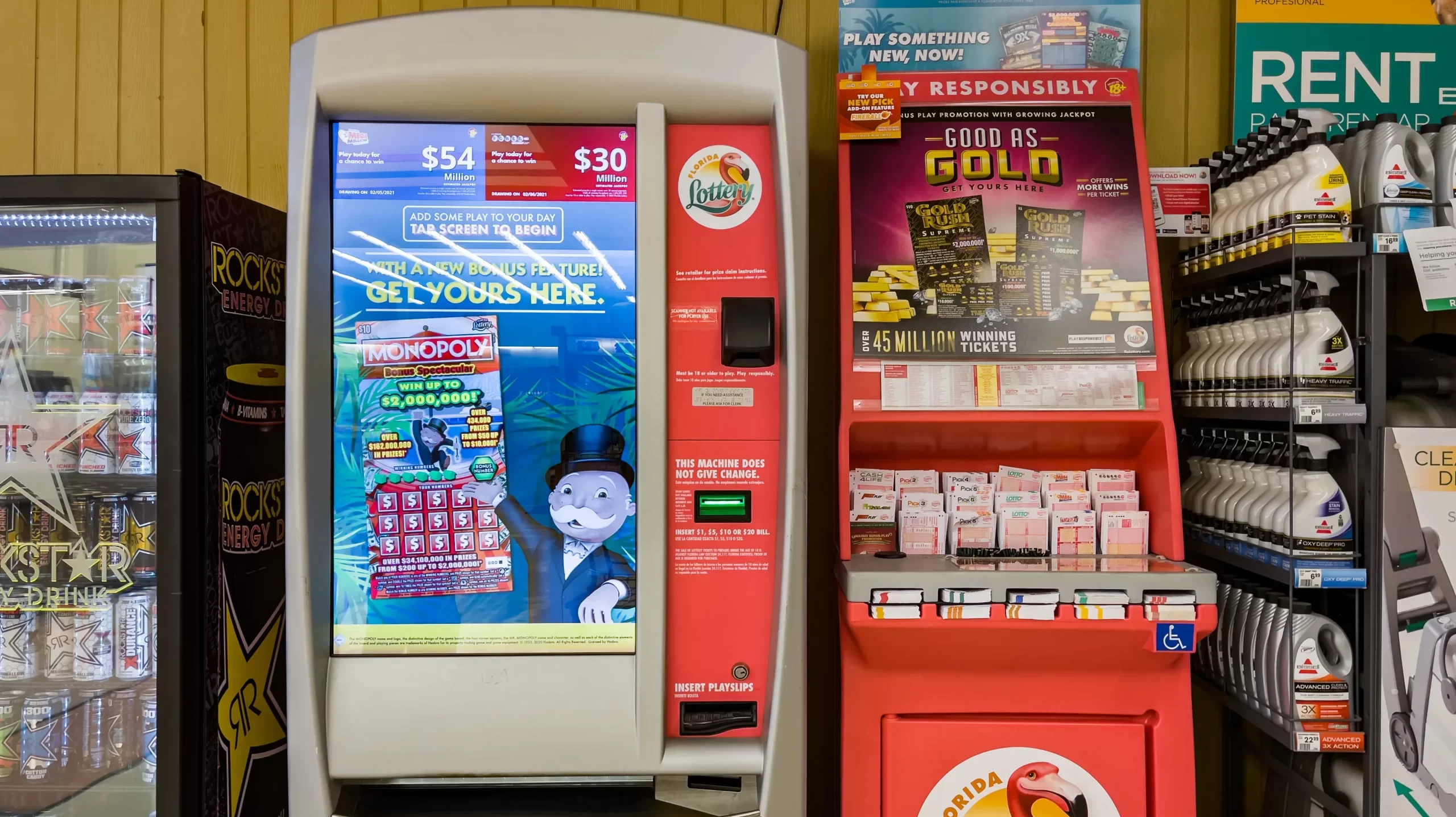
The debate often intensifies when neighboring states, such as Georgia and Florida, have established successful lottery programs that generate considerable revenue. This creates a scenario where Alabama might be perceived as missing out on a valuable funding stream, while its residents may travel to these neighboring states to purchase lottery tickets.
Failed Legislative Attempts and Voter Referendums
Over the years, several bills have been introduced in the Alabama legislature aiming to establish a state lottery. These proposals have varied in scope, from a simple scratch-off and drawing game to more comprehensive plans that include video lottery terminals. However, none have successfully navigated the legislative hurdles to become law.
A significant aspect of implementing a lottery often involves a public vote. Constitutional amendments require supermajorities in both houses of the legislature and then ratification by the voters. Several times, lottery proposals have reached the ballot, only to be defeated by voters. These defeats underscore the deeply divided opinions within the state regarding the morality, economic impact, and potential consequences of a state lottery.
The legal landscape surrounding gambling in Alabama is complex, with various forms of gaming facing different restrictions. While traditional lotteries have been largely prohibited, Alabama does permit certain forms of pari-mutuel wagering on horse racing and has tribal casinos. However, these do not constitute the broad-based state lottery that proponents envision for generating substantial public revenue.
The Interplay Between Lotteries and Tourism in Alabama
The presence or absence of a state lottery can have subtle yet significant influences on a region’s tourism and travel industry. While Alabama continues to attract visitors with its diverse attractions, a lottery could potentially add another layer to its economic and recreational landscape.
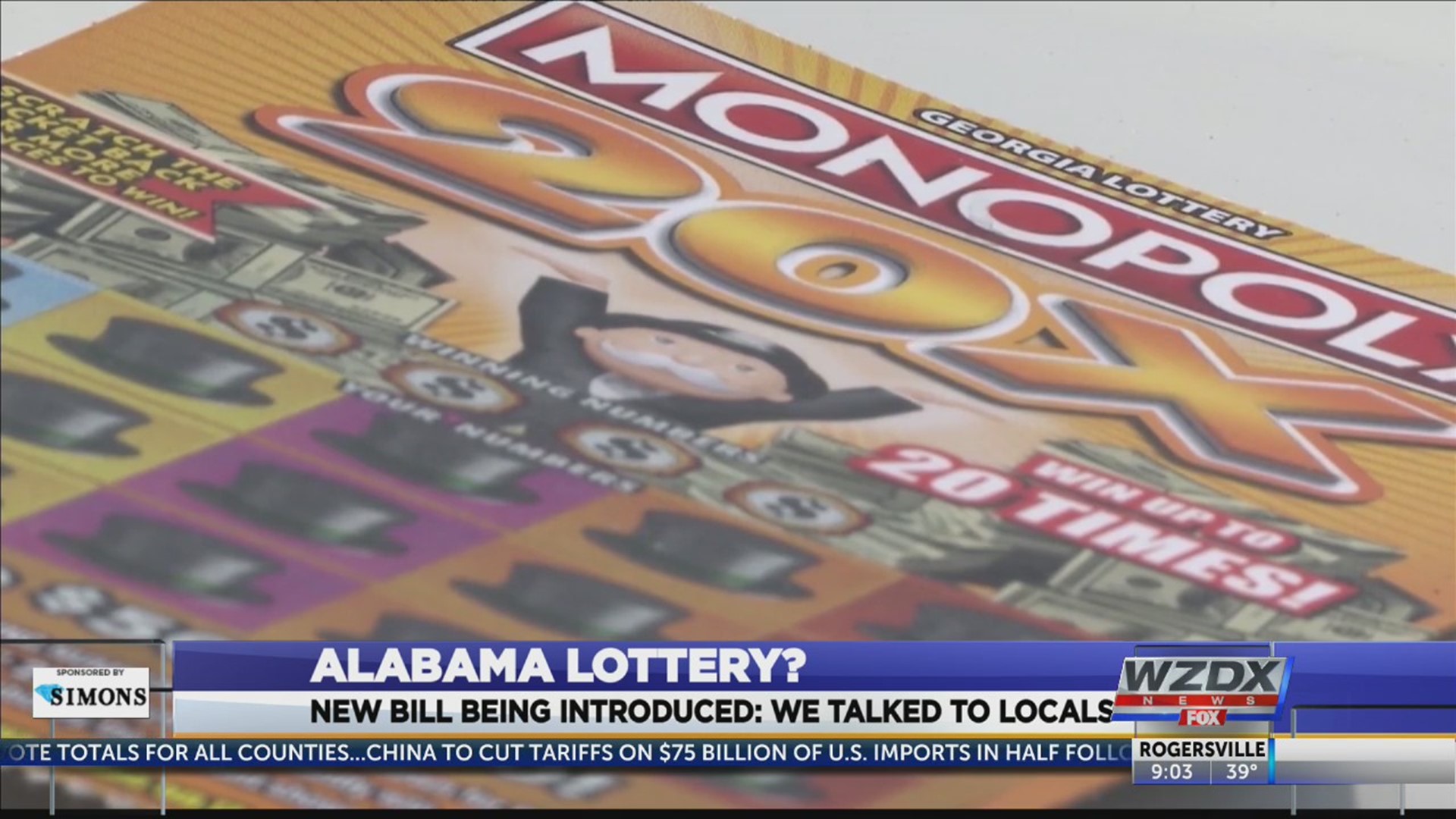
Potential Economic Boost for Travel and Hospitality
If Alabama were to implement a lottery, the generated revenue could theoretically be reinvested into various sectors, including tourism. Imagine increased funding for marketing campaigns promoting Alabama’s rich history, its beautiful coastal areas like Gulf Shores, or its vibrant cultural scenes in cities like Birmingham and Mobile. Enhanced funding could lead to better maintenance of state parks, improved infrastructure for popular landmarks, and the development of new tourist attractions.
For hotels and resorts across Alabama, such as the luxurious Grand Hotel Golf Resort & Spa or charming bed and breakfasts in historic towns like Mentone, a lottery could indirectly contribute to a stronger economy. Increased disposable income, potentially fueled by lottery winnings or the perception of a more prosperous state, could lead to more people taking vacations and seeking accommodation. Moreover, if a portion of lottery revenue were specifically allocated to tourism promotion, it would directly benefit the hospitality sector by attracting more visitors to explore destinations like Huntsville‘s Space and Rocket Center or the historic USS Alabama Battleship Memorial Park.
Impact on Visitor Spending and Entertainment Options
The introduction of a state lottery could also alter visitor spending habits. While some might allocate a portion of their vacation budget to lottery tickets, others might see it as an additional entertainment option, similar to visiting a local museum or enjoying a fine dining experience. The anticipation of winning, coupled with the accessibility of purchasing tickets at various retail locations, could become a small part of the overall travel experience for some.
However, it’s also important to consider the potential for a lottery to divert funds from other entertainment activities that might otherwise benefit local businesses. For instance, instead of attending a local festival or visiting a unique shop in Tuscaloosa, some individuals might opt to spend their discretionary income on lottery tickets. The net effect on overall visitor spending and the diversification of entertainment options would be a crucial factor to monitor.
Furthermore, the establishment of casinos or gaming facilities, which sometimes accompany lottery initiatives, could introduce a new dimension to Alabama’s tourism offerings. While this has not materialized on a large scale due to constitutional limitations, it remains a potential area of development that could attract a different demographic of travelers seeking casino resorts and associated entertainment.
Alabama’s Existing Attractions: A Strong Foundation for Tourism
Regardless of the lottery debate, Alabama possesses a wealth of attractions that draw visitors year-round. The state’s diverse geography, rich history, and vibrant culture provide a strong foundation for its thriving tourism industry.
Natural Wonders and Outdoor Adventures
Alabama’s natural beauty is a significant draw for tourists. From the pristine beaches of the Gulf Coast to the rolling hills of the Appalachian foothills, the state offers a variety of outdoor experiences. Gulf State Park in Gulf Shores is a prime example, offering miles of sandy beaches, hiking and biking trails, and opportunities for fishing and water sports. Further inland, the Cheaha State Park, home to Cheaha Mountain, the highest point in Alabama, provides stunning vistas and challenging hiking trails for nature enthusiasts. The Little River Canyon National Preserve is another jewel, showcasing dramatic canyon landscapes, waterfalls, and a rich array of flora and fauna. For those interested in caves and geological formations, Cathedral Caverns State Park offers a fascinating underground world.
Historical Significance and Cultural Richness
Alabama’s history is deeply intertwined with pivotal moments in American history, making it a compelling destination for those interested in the past. Birmingham stands as a testament to the Civil Rights Movement, with significant landmarks such as the Sixteenth Street Baptist Church, the Civil Rights Institute, and the Kelly Ingram Park. The Edmund Pettus Bridge in Selma is another iconic site, representing the struggle for voting rights.
Beyond the Civil Rights era, Alabama boasts a rich colonial and antebellum history. Mobile, Alabama’s oldest city, offers a glimpse into its French, British, and Spanish colonial past with attractions like the USS Alabama Battleship Memorial Park and the historic Bellingrath Gardens and Home. The state’s musical heritage, particularly its contributions to blues, jazz, and country music, is also a significant cultural draw. Visiting places like the Muscle Shoals recording studios or attending live music events in Florence provides an authentic taste of Alabama’s artistic legacy.
Culinary Delights and Local Experiences
Alabama’s culinary scene is a delightful exploration of Southern traditions with unique local flavors. From fresh seafood along the coast to hearty barbecue inland, the state offers a diverse gastronomic journey. Mobile is renowned for its Creole and Cajun influences, while Birmingham has emerged as a culinary hotspot with a burgeoning fine dining scene alongside its traditional comfort food. Experiencing a true Alabama barbecue joint is a must for any visitor, with numerous local establishments serving up slow-cooked, smoky delights. Exploring farmers’ markets, farm-to-table restaurants, and local festivals offers a deeper immersion into the state’s food culture and provides authentic experiences that go beyond typical tourist activities. The welcoming nature of Alabama’s communities often enhances these local interactions, making a visit to Alabama a truly memorable experience.
LifeOutOfTheBox is a participant in the Amazon Services LLC Associates Program, an affiliate advertising program designed to provide a means for sites to earn advertising fees by advertising and linking to Amazon.com. Amazon, the Amazon logo, AmazonSupply, and the AmazonSupply logo are trademarks of Amazon.com, Inc. or its affiliates. As an Amazon Associate we earn affiliate commissions from qualifying purchases.