
Alaska, the largest state in the United States, is a land of breathtaking extremes, where towering mountains meet vast tundra, and glaciers carve their way to the sea. Perhaps one of its most captivating and often-asked questions, especially by first-time visitors planning their travel, revolves around its unique relationship with daylight: Does Alaska truly get dark? The answer is a resounding and fascinating yes, but not in the way most people living in temperate zones might expect. Alaska’s position on the globe, particularly its proximity to the Arctic Circle, subjects it to dramatic seasonal shifts in daylight hours, giving rise to the phenomena known as the Midnight Sun and the profound darkness of Polar Nights. Understanding these cycles is not just a matter of astronomical curiosity but a crucial aspect of planning an unforgettable Alaskan adventure, impacting everything from travel itineraries and accommodation choices to local culture and daily life.
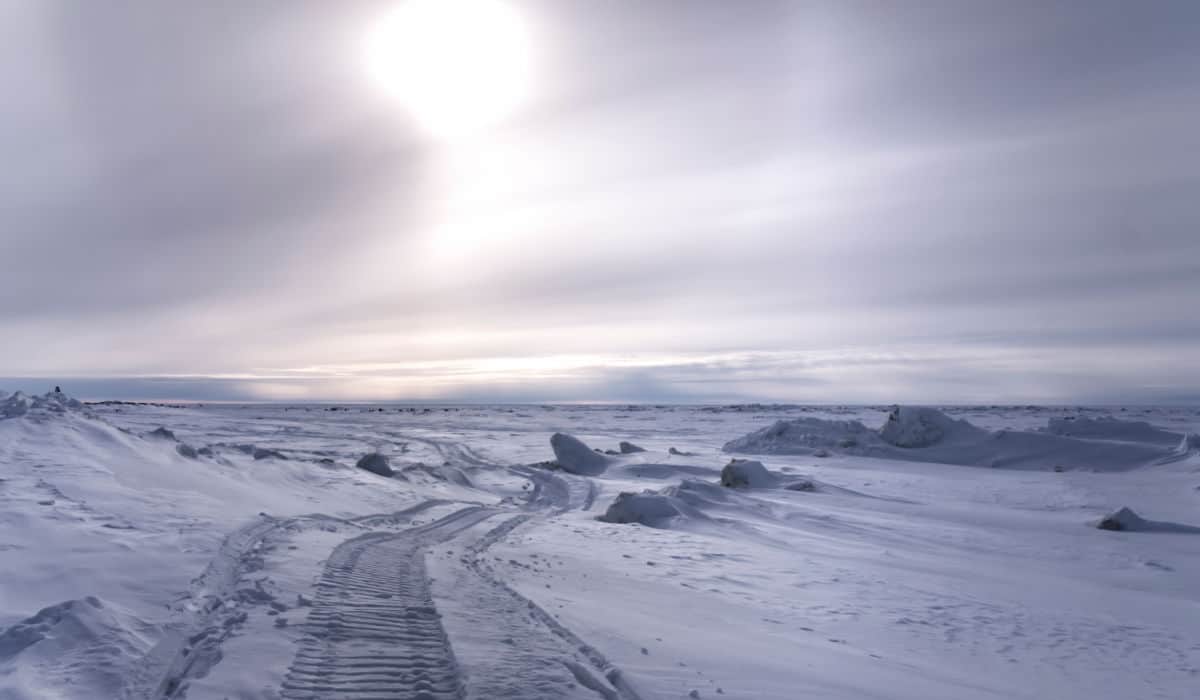
This article delves into the mesmerizing reality of Alaska’s light cycles, exploring how these natural wonders shape the landscape, the experiences on offer, and the practical considerations for anyone dreaming of visiting this extraordinary destination. Whether you’re seeking endless daylight for exploration or the serene darkness required to witness the mystical Aurora Borealis, Alaska promises a journey unlike any other, deeply intertwined with the rhythms of the sun and stars.
The Phenomenon of Alaskan Light: Understanding Solstices and Equinoxes
The Earth’s tilt on its axis is the fundamental reason behind Alaska’s remarkable light variations. As the planet orbits the sun, different parts of the globe are exposed to varying degrees of direct sunlight throughout the year. For a high-latitude region like Alaska, this means extreme swings between summer’s perpetual daylight and winter’s prolonged darkness. These shifts are most pronounced during the summer and winter solstices.
The Endless Days of Summer: Embracing the Midnight Sun
During the summer months, roughly from late May to early August, much of Alaska experiences the phenomenon of the Midnight Sun. North of the Arctic Circle, the sun literally doesn’t set for weeks or even months. In cities like Utqiagvik (formerly [Barrow]), the northernmost city in the United States, residents enjoy over 80 continuous days of sunlight. Even in southern cities like Anchorage and Juneau, the sun dips just below the horizon for a few hours, creating a twilight glow that never truly becomes dark. Imagine hiking through Denali National Park with views of Mount Denali at 11 PM, or kayaking in Kenai Fjords National Park under a bright sky well past traditional bedtime hours.
This constant daylight invigorates the landscape and its inhabitants. Flowers bloom in vibrant profusion, wildlife is exceptionally active, and human activity stretches late into the “night.” For travelers, the Midnight Sun means more hours for sightseeing, fishing, cruising the Inside Passage, or simply enjoying the crisp Alaskan air. However, it also necessitates some lifestyle adjustments. Many hotels and accommodations in Alaska equip rooms with blackout curtains to help guests achieve restful sleep. Travelers often find themselves losing track of time, fueled by the endless energy of the sun. It’s an experience that blurs the lines between day and night, offering a unique sense of freedom and boundless opportunity for exploration.
Winter’s Embrace: The Long, Dark Nights and the Aurora Borealis
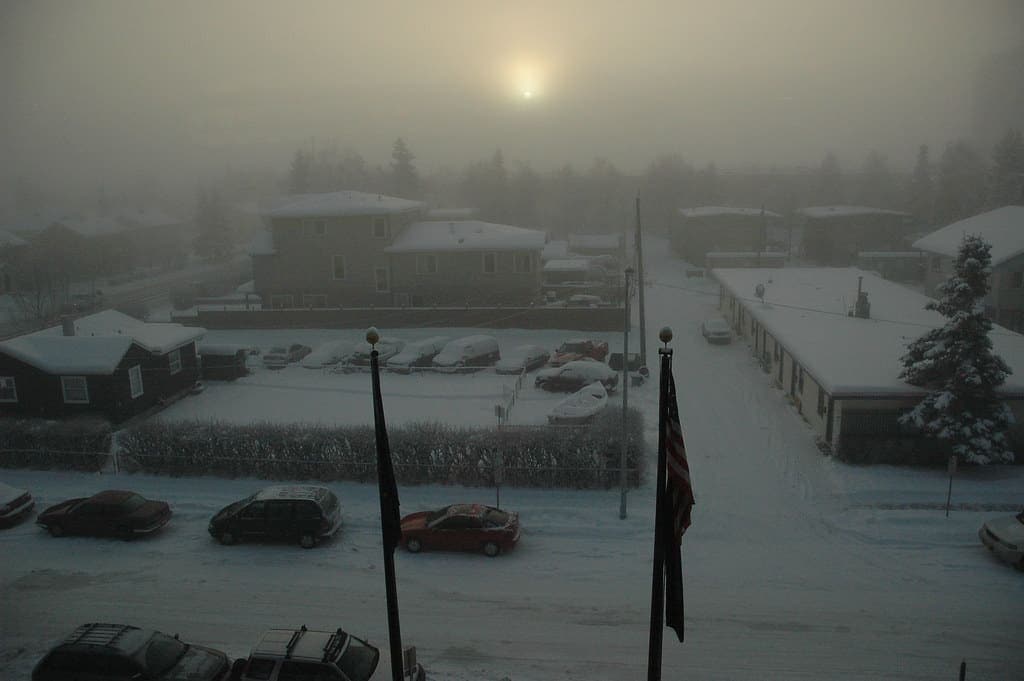
As the Earth continues its orbit and the winter solstice approaches, the tables turn dramatically. From late October to early March, Alaska plunges into a period of significantly reduced daylight, often referred to as Polar Nights in the extreme north. In Utqiagvik, the sun disappears completely for about 65 days, yielding to a prolonged twilight or complete darkness. Further south, cities like Fairbanks experience only a few hours of daylight, with the sun barely cresting the horizon before sinking again. Anchorage still sees about 5-6 hours of daylight around the winter solstice, but the days are short and often shrouded in twilight.
While the thought of such long periods of darkness might seem daunting, it ushers in a different, equally magical facet of Alaska’s charm: the optimal conditions for viewing the Aurora Borealis, or Northern Lights. The long, clear, dark nights of winter provide the perfect canvas for these celestial dancers to paint the sky with vibrant greens, purples, and reds. Destinations like Fairbanks, located beneath the “aurora oval,” are world-renowned for their consistent and spectacular aurora displays. This phenomenon transforms the winter darkness into a luminous spectacle, attracting tourists from around the globe.
Beyond the Northern Lights, Alaskan winters offer unique cultural and adventure opportunities. Winter sports thrive, from cross-country skiing and snowboarding at resorts like Alyeska Resort in Girdwood to ice fishing on frozen lakes and exhilarating dog sledding tours. The deep snow blankets the landscape, creating a pristine, serene environment that feels truly otherworldly. The long nights encourage cozy evenings by a fire, enjoying local cuisine, and embracing a slower, more introspective pace of life.
Navigating Alaska’s Unique Lighting for Travelers
The dramatic differences in daylight hours fundamentally influence the Alaskan travel experience. A well-planned itinerary considers these light cycles to maximize enjoyment and ensure comfort, catering to various travel styles, from luxury excursions to budget-friendly family trips.
Summer Travel: Making the Most of Constant Daylight
Visiting Alaska during summer means leveraging the extended daylight. This is peak tourism season, and for good reason. The extra hours allow for packed days of activities:
- Wildlife Viewing: More daylight means increased opportunities to spot bears, moose, caribou, and eagles. Boat tours through Prince William Sound or Glacier Bay National Park can run later, increasing chances of seeing whales and marine life.
- Hiking and Backpacking: Trails in Denali National Park, the Chugach Mountains, and the Alaska Range can be explored well into the evening, offering cooler temperatures and breathtaking views under the persistent sun.
- Fishing: World-class salmon and halibut fishing charters can depart early and return late, making the most of prime fishing hours. Popular fishing destinations like Homer and Kodiak thrive during this season.
- Cruises: The Inside Passage cruises are particularly popular in summer, offering continuous scenic views of glaciers, fjords, and coastal towns like Ketchikan, Sitka, and Juneau without the interruption of nightfall.
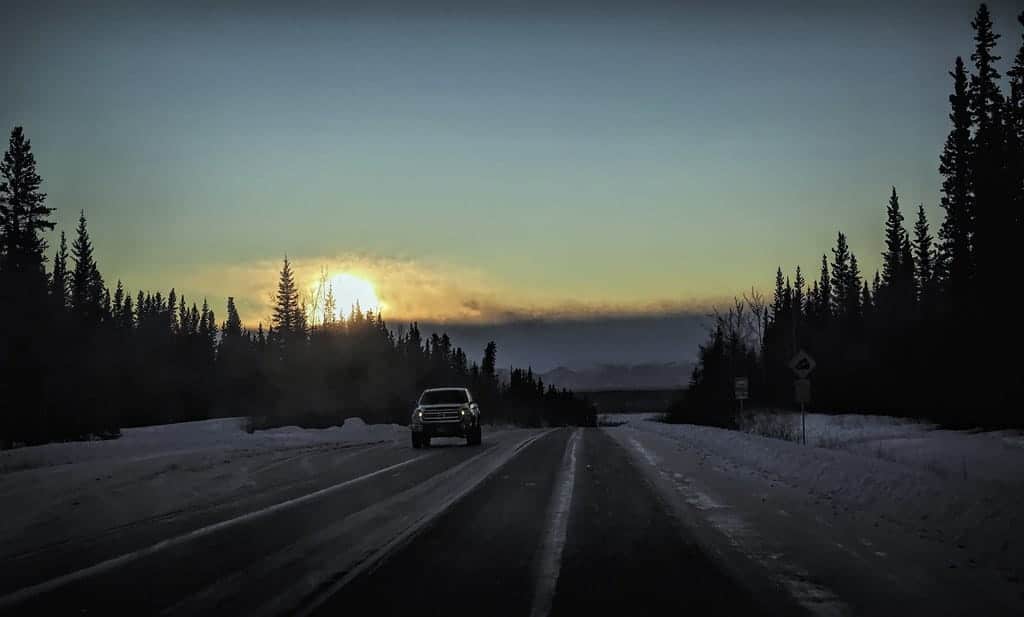
For hotels and other accommodation providers, the Midnight Sun poses unique challenges and opportunities. Many travelers require comfortable rooms with effective blackout solutions to ensure quality sleep. Booking in advance is crucial for summer, as popular destinations fill up quickly. Lifestyle adjustments for travelers include bringing an eye mask, sticking to a regular sleep schedule despite the light, and embracing the flexibility to explore at unusual hours.
Winter Travel: Experiencing the Magic of the Dark Season
While summer draws the crowds, winter in Alaska offers a profoundly different and often more intimate experience, especially for those who cherish tranquility and natural spectacles.
- Aurora Hunting: This is the undisputed star attraction of Alaskan winter. Fairbanks is a prime location, with many tours offering heated viewing areas like those at Chena Hot Springs Resort and expert guides to help chase the lights.
- Winter Sports: Downhill skiing and snowboarding at Alyeska Resort, cross-country skiing, ice skating, and snowshoeing are all popular.
- Dog Sledding: Experience the iconic Alaskan tradition firsthand. Many kennels offer rides and tours, some even allowing visitors to mush their own team. Events like the Iditarod Trail Sled Dog Race and the Yukon Quest capture the spirit of the season.
- Cozy Retreats: The long nights are perfect for staying in charming lodges or cabins, enjoying fireplaces, warm drinks, and local Alaskan fare.
- Unique Cultural Experiences: Many local festivals and events occur during the winter, offering a glimpse into authentic Alaskan life, often centered around celebrating light during the darkest months.
Winter travel requires careful planning regarding clothing – layering is key – and understanding that some remote areas or seasonal businesses might be closed. However, the reward is fewer crowds, lower prices, and truly unique experiences steeped in the mystique of the polar night.
Planning Your Alaskan Adventure: Accommodation, Activities, and Practical Tips
Regardless of the season, a trip to Alaska demands thoughtful preparation, especially when considering the significant impact of its light cycles. The state offers diverse accommodation options and an endless array of activities to suit every traveler’s budget and interest.
Finding Your Perfect Stay: Hotels, Resorts, and Unique Accommodations
Alaska’s accommodation landscape is as varied as its terrain. From luxury resorts to rustic cabins, your choice of stay can greatly enhance your experience of the light or darkness.
- Cities and Major Tourist Hubs: In Anchorage, Fairbanks, and Juneau, you’ll find a range of hotels, from international chains to boutique lodges. Many cater to the light cycles, offering robust blackout curtains in summer and cozy common areas with fireplaces in winter. For instance, in Anchorage, Hotel Captain Cook offers luxurious amenities, while smaller guesthouses provide a more local feel.
- Remote Lodges and Wilderness Retreats: For an immersive experience, consider a stay in a remote lodge near Denali National Park or on the Kenai Peninsula. These often provide excellent access to outdoor activities and a profound connection with nature. In winter, some offer aurora viewing opportunities directly from their property.
- Resorts with Specialized Amenities: Chena Hot Springs Resort near Fairbanks combines hot springs with aurora viewing facilities, making it a prime winter destination. Alyeska Resort in Girdwood is a year-round mountain retreat, offering skiing in winter and hiking/biking in summer, with luxury accommodations and stunning views.
- Unique Stays: Consider booking a quaint bed and breakfast in a smaller town like Talkeetna or a rustic cabin by a lake to fully embrace the Alaskan lifestyle, whether under the Midnight Sun or the Northern Lights.
Booking in advance is always recommended, especially during the summer peak season, to secure your preferred accommodations and potentially benefit from better rates.
Iconic Experiences Across the Seasons
No matter when you visit, Alaska promises a wealth of iconic experiences deeply shaped by its unique light and dark cycles.
- Summer Must-Dos: Take a flightseeing tour over Mount Denali, cruise the Inside Passage or Prince William Sound to witness calving glaciers, go deep-sea fishing for salmon or halibut, hike through vast wilderness areas, and experience the energy of towns celebrating the Midnight Sun with late-night baseball games and festivals.
- Winter Must-Dos: Chase the Aurora Borealis in Fairbanks, go dog sledding with an experienced musher, enjoy hot springs under the stars at Chena Hot Springs Resort, downhill ski at Alyeska Resort, and explore the snow-covered landscapes via snowmobile or snowshoe. Visiting during the Iditarod Trail Sled Dog Race start in Anchorage offers a glimpse into Alaskan resilience and tradition.
Each season presents a distinct set of adventures, allowing travelers to tailor their trip to their desired level of daylight or darkness.
Essential Gear and Lifestyle Adjustments
For a comfortable and enjoyable Alaskan trip, a few practical considerations related to the light cycles are essential.
- Sleep Aids: Regardless of the season, an eye mask is a highly recommended item. In summer, it helps block out the persistent light, while in winter, it can aid in regulating sleep if you’re adapting to limited daylight. Earplugs can also be useful for light sleepers, especially in busy tourism areas.
- Layered Clothing: This is crucial year-round. Even in summer, evenings can be cool, and weather can change rapidly. In winter, proper insulation, waterproof outer layers, hats, gloves, and warm boots are non-negotiable for comfort and safety during outdoor activities.
- Sun Protection (Summer): Despite the cooler temperatures, the summer sun can be intense due to its low angle and long hours. Sunglasses, sunscreen, and a wide-brimmed hat are important.
- Headlamp/Flashlight (Winter): With limited daylight, a reliable headlamp or flashlight is indispensable for navigating outside, especially for aurora viewing excursions or simply walking around in the evenings.
- Photography Gear: For the Midnight Sun, a polarizing filter can help manage glare. For the Aurora Borealis, a sturdy tripod and a camera capable of long exposures are vital.
Adapting to the local rhythms, whether it’s having dinner at 10 PM in full daylight or planning your day around a few hours of sun in winter, is part of the unique charm of an Alaskan journey. The land itself dictates a different tempo, encouraging travelers to embrace its natural wonders with an open mind and a spirit of adventure.
In conclusion, the answer to “Does Alaska get dark?” is a complex and captivating narrative woven into the very fabric of this magnificent state. It gets profoundly dark in winter, offering the ethereal spectacle of the Aurora Borealis and a tranquil, snow-covered wonderland. It barely gets dark in summer, providing endless hours for exploration, adventure, and experiencing the vibrant life under the Midnight Sun. Each extreme offers a distinct and unforgettable travel experience, inviting visitors to witness a truly unique interplay between Earth, sun, and sky at the top of the world. Whether you choose the perpetual glow of summer or the starlit magic of winter, Alaska promises a journey that will forever change your perception of light, darkness, and the incredible power of nature.
LifeOutOfTheBox is a participant in the Amazon Services LLC Associates Program, an affiliate advertising program designed to provide a means for sites to earn advertising fees by advertising and linking to Amazon.com. Amazon, the Amazon logo, AmazonSupply, and the AmazonSupply logo are trademarks of Amazon.com, Inc. or its affiliates. As an Amazon Associate we earn affiliate commissions from qualifying purchases.